
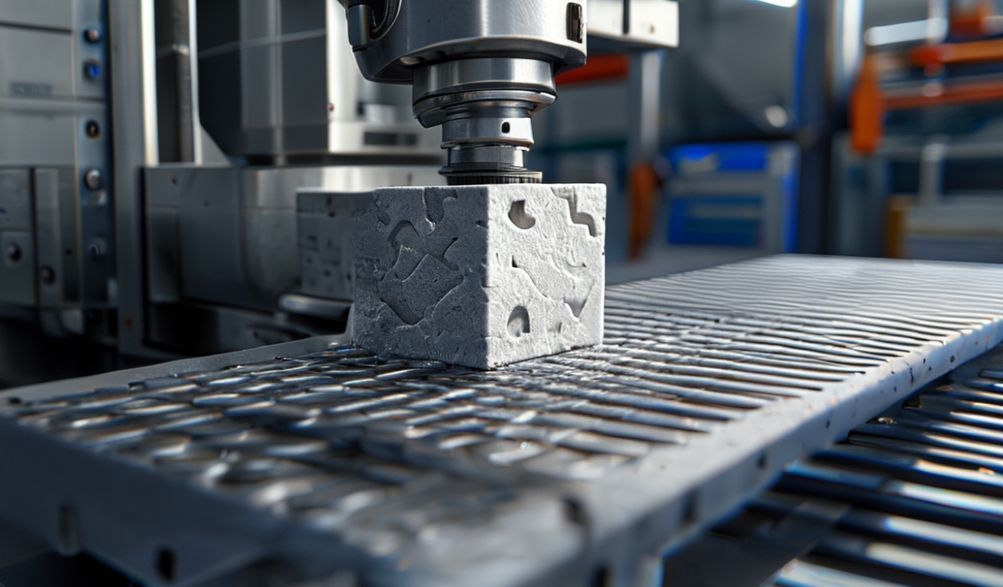
Gid Konplè Ou pou Machin Fè Blòk Konkrè Lèg Personnalize
W'ap plede ak gwo depans pou anbake, pwodiksyon ki mande anpil travay, oswa w'ap renkontre egzijans espesifik pou blòk ki lejè pou yon pwojè? Ou pa pou kont ou. Anpil manifaktirè twouve ke yon machin estanda pou fè blòk, ki deja pare, vin tounen yon goulòt, ki pa kapab adapte li ak melanj materyèl inik, desen espesyalize, oswa objektif pwodiksyon anbisye. Solisyon an pa nan yon machin jenerik, men nan yon zouti ki fèt espesyalman pou operasyon egzak ou a: yonmachin kustomize pou fè blòk beton lejè.
Yon machin pèsonalize se jisteman sa - yon ekipman endistriyèl ki fèt depi nan baz la pou satisfè bezwen pwodiksyon espesifik ou yo, pwofil matyè premyè ou yo, konsepsyon blòk ou yo, ak egzijans otomatizasyon ou yo. Se diferans ki genyen ant mete yon kostim achte nan magazen an ak yon lòt ki fèt pa yon gran tayè; premye a ka adapte yon ti jan, men dezyèm lan amelyore pèfòmans ak pwojte yon kalite san parèy.
Gid sa a, ki soti nan yon eksperyans pwofond nan endistri a, fèt pou se resous definitif ou. Nou pral ale pi lwen pase bwochi vann pou bay konsèy pratik ak ekspè. Objektif nou se pou ekipe pwopriyetè biznis, manadjè pwojè, ak enjenyè ak konesans ki nesesè yo pou fè yon envestisman konfyan ak enfòme. Nou pral eksplore benefis transfòmatif personnalizasyon an, dekonpoze opsyon nwayo ki disponib yo, dekri pwosesis komisyone an etap pa etap, ak mete aksan sou konsiderasyon kritik yo pou asire envestisman ou a pote frè pou ane kap vini yo.
Poukisa Pèsonalizasyon se yon Changman Jwèt pou Pwodiksyon Blòk Lejè
Nan mache konpetitif materyèl konstriksyon an, efikasite ak diferansyasyon pwodwi yo enpòtan anpil. Yon machin estanda ofri yon apwòch "yon sèl gwosè pou tout", men biznis ou ak melanj beton lejè ou a inik. Personnalizasyon ponpe diferans sa a, transfòme liy pwodiksyon ou a soti nan yon sant depans pou vin yon avantaj estratejik.
Soumon Limitasyon Machin Estanda yo
Machin estanda yo konstwi pou ka itilizasyon "mwayèn" yo, sa ki souvan mennen nan yon fwiksyon operasyonèl konsiderab:
- Melanj Matyè Premye Enkonpatib:Melanj espesifik sement, sann volan, ak agreje lejè ou (tankou pèlit, ponm, oswa mous) gen karakteristik ekoulman ak konpakte inik. Frekans vibwasyon ak presyon yon machin estanda ta ka optimize pou konkrè estanda, sa ki mennen nan move konpakte, dansite ki pa konsistan, oswa twòp chire lè w ap trete melanj lejè ou a.
- Konsepsyon Pwodui Enfleksib:Bezwen pwodui yon fòm entèbloke inovatè pou zòn sismik, yon gwosè espesyal pou yon sistèm bilding modilè, oswa yon blòk fasad ak tèks? Mòl estanda yo limite. Yon machin pèsonalize konstwi otou mòl ou a, asire yon aliyman ak konpaksyon pafè pou konsepsyon pwopriyetè ou a.
- Mismatch nan Debite:Yon machin ki twò piti kreye goulòt nan pwodiksyon, pandan yon lòt ki twò gwo reprezante yon depans kapital ki gaspiye ak pi gwo depans operasyonèl. San personnalizasyon, ou oblije adapte biznis ou ak kapasite machin nan, pa kontrèman.
Avantaj Kle nan yon Machin Taye
Envesti nan yon solisyon pèsonalize afwonte limit sa yo dirèkteman, bay avantaj konkè:
- Efikasite ak Pwodiksyon Amelyore:Chak eleman, depi nan sik melanjè a rive nan sistèm retou palèt la, senkronize avèk objektif pwodiksyon ou yo. Sa elimine tan inaktif, optimize travay la, epi asire w ke w reyalize objektif pwodiksyon chak jou ou yo san devine.
- Bon jan kalite pwodwi:Kè machin lan—sistèm konpaksyon li a—se yon konsepsyon ki fèt espesyalman pou melanj ou chwazi a. Kontwòl presi sou anplitid vibre, frekans, ak presyon asire chak blòk gen yon dansite ki konstan, yon fini siperyè sou sifas la, epi li satisfè fòs konpresif ki nesesè a, san rete, nan chak seri.
- Eparg Depans alontèm:Konsepsyon espesyalman fèt pou redwi gaspiye blòk ki defektye, diminye konsomasyon enèj lè yo retire konpozan ki twò konplike, epi minimize tan pèdi koute chè akòz enkonpatibilite ant machin ak materyèl. Se yon envestisman ki bay benefis atravè yon operasyon ki pi efikas.
- Avantaj Konpetitif: A custom machine enables you to produce blocks others cannot. This allows you to secure specialized contracts, command a price premium for high-performance or architecturally specific blocks, and truly differentiate your brand in a crowded marketplace.
Core Customization Options for Your Machine
Customization is not a vague concept; it’s a series of concrete engineering choices. Understanding these options is the first step in specifying your ideal machine.
Kapasite Pwodiksyon ak Nivo Otomatizasyon
This is the foundational decision that dictates the machine’s scale and operational philosophy.
- Manchèl & Semi-Otomatik: Ideal for smaller operations, start-ups, or producing highly specialized, low-volume blocks. Labor-intensive but with a lower initial investment.
- Fully Automatic & PLC-Controlled: The choice for medium to large-scale production. These systems feature automated material batching, mixing, molding, curing, and stacking. A Programmable Logic Controller (PLC) ensures precise, repeatable operations with minimal manual intervention, drastically reducing labor costs and human error.
Mold & Block Design Specifics
This is where your product vision becomes reality. The mold is the soul of your custom machine.
- Size & Shape: Beyond standard CMU sizes, you can specify blocks for insulated concrete forms (ICFs), unique interlocking patterns, landscaping units, or large-format panels.
- Surface Texture: Smooth, split-face, ribbed, or engraved—the mold cavity can be machined to impart the desired aesthetic directly during compaction.
- Mold Material & Precision: High-grade, abrasion-resistant steel with precise CNC machining is critical for block dimensional accuracy, easy demolding, and long mold life, especially with abrasive lightweight aggregates.
Raw Material Processing & Mixing System
Lightweight concrete is sensitive; its preparation cannot be an afterthought.
- Aggregate-Specific Engineering: The feeding system can be customized for different bulk densities. Whether you use expanded clay (LECA), polystyrene beads, or industrial foaming, the machine must handle them without segregation or damage.
- Specialized Mixers: A standard paddle mixer may not suffice. Custom solutions often include high-efficiency pan mixers or forced-action mixers designed to coat lightweight aggregates evenly and create a homogeneous, workable mix without crushing the delicate aggregates.
Machine Specifications & Features
These technical details define the machine’s performance and durability.
- Sistèm Vibration: The key to compacting lightweight concrete. Options include:
- High-Frequency Vibro-Compaction: Excellent for achieving high-strength, low-void blocks.
- Hydraulic Pressure with Vibration: Provides the necessary “squeeze” for very low-density mixes containing high volumes of foam or lightweight aggregate.
- Mobility & Power Source: Choose between a stationary plant for fixed-location production or a mobile block making machine for on-site manufacturing. Power can be tailored for reliable grid electricity or remote diesel operation.
- Durability Enhancements: Special anti-corrosion coatings, hardened wear plates, and upgraded hydraulic components can be specified for harsh environments or particularly abrasive mixes.
The Step-by-Step Process for Commissioning a Custom Machine
Ordering a custom machine is a collaborative partnership, not a simple purchase. Here’s how a professional engagement unfolds.
Phase 1: In-Depth Needs Analysis
A reputable manufacturer will start by asking detailed questions to understand your business. Be prepared to discuss:
- What is your target daily output in blocks or cubic meters?
- What are the exact specifications of your block (dimensions, weight, density class, minimum compressive strength)?
- What is your precise raw material recipe and source?
- What is your available factory space, power supply, and labor scenario?
- What are your local quality standards or building codes?
Phase 2: Partnering with the Right Manufacturer
This is the most critical step. Your manufacturer’s expertise directly determines your success. Vet them rigorously using the E-E-A-T framework (Experience, Expertise, Authoritativeness, Trustworthiness):
- Eksperyans: Request and scrutinize case studies or video evidence of previous custom builds, especially for lightweight concrete. A proven track record is non-negotiable.
- Ekspètiz Evaluate their engineering team. Do they ask insightful technical questions about your mix design? Their knowledge of lightweight concrete technology should be evident.
- Otorite:Chècheindustry certifications, patents on block-making technology, and genuine client testimonials (ask for references you can contact).
- Fyabite: Demand transparency. Is the pricing breakdown clear? Are the contract terms, warranty, and payment schedule fair? Most importantly, what is their after-sales service plan? Availability of spare parts and technical support is crucial.
Phase 3: Design, Fabrication, and Testing
Once partnered, the project moves into execution:
- Design & Approval: The manufacturer’s engineers will create CAD drawings and a full specification sheet for your review and approval.
- Fabrication: Specialized components are sourced and the machine is assembled in a controlled factory environment.
- Factory Acceptance Testing (FAT): This is your quality checkpoint. You or your representative should witness the machine undergo rigorous testing, ideally using a sample of your actual raw materials to produce sample blocks. This verifies performance before shipping.
Critical Considerations Before You Invest
Cost-Benefit Analysis: Custom vs. Standard
A custom machine requires a higher upfront investment. The justification is in the Pri Total Posesesyon (TCO)akRetounen sou Envestisman (ROI). Factor in:
* Increased Revenue from selling higher-value, differentiated blocks.
* Reduced Operational Costs from lower waste, energy use, and labor.
* Avoided Costs of downtime, rework, and missed opportunities.
While a standard machine has a lower sticker price, a custom machine is often more profitable over a 3–5 year period.
Technical Support and After-Sales Service
Treat this as a non-negotiable clause in any agreement. Ensure the manufacturer provides:
* A comprehensive operator training program at installation.
* Clear documentation (manuals, parts lists, wiring diagrams).
* A reliable supply of wear parts and critical spares.
* Access to remote troubleshooting and a commitment to on-site service if needed.
Future-Proofing Your Investment
Think long-term. Discuss with your manufacturer:
* Eskalabilite: Can the machine’s control system or automation be upgraded later to increase output?
* Fleksibilite: Is the frame and press strong enough to accommodate future, slightly different mold sizes or a new mix design with minimal modification?
Kesyon yo poze souvan (FAQ)
Q1: How much more expensive is a customized machine compared to a standard model?
A: There’s no fixed premium, as cost depends entirely on the scope of customization. While the initial price is higher, it’s more accurate to view it as a targeted investment. By solving specific operational inefficiencies, a custom machine often achieves a faster ROI through superior productivity, less waste, and the ability to command higher prices for specialized products.
Q2: What is the typical lead time for building a custom block making machine?
A: For a moderately complex machine, expect a lead time of 8 to 16 weeks from final design approval to factory testing. Highly complex systems can take longer. A professional manufacturer will provide a detailed project timeline with milestones after the needs analysis.
Q3: Can I use recycled materials in a customized lightweight block machine?
A: Absolutely. This is one of the strongest arguments for customization. Machines can be specifically engineered to handle recycled aggregates like processed construction waste, crushed glass, or rubber. The feeding, crushing (if needed), mixing, and compaction systems are all designed to manage the variable particle size and density of recycled content effectively.
Q4: How do I ensure the machine meets the quality standards of my region?
A: This is a key part of the specification process. You must inform the manufacturer of the relevant standards that govern your blocks (e.g., ASTM C90 in North America, EN 771-3 in Europe, or other local codes). A credible manufacturer will design the machine’s process parameters (pressure, vibration) to produce blocks that can be tested and certified to meet these standards. Request this in writing.
Konklizyon
Chwazi yonmachin kustomize pou fè blòk beton lejè is a strategic decision that positions your business for growth, quality leadership, and market differentiation. It moves you from adapting your process to a machine’s limitations to having a machine that is a perfect extension of your operational vision.
The journey requires due diligence. Prioritize a manufacturer’s demonstrated experience and engineering expertise in lightweight concrete above all else. The right partnership will yield not just a machine, but a cornerstone of your competitive advantage for the next decade.
Ready to explore specifications for your customized solution? Contact our engineering team for a confidential consultation to discuss your unique production goals.
Want to start your evaluation? Download our free checklist: “10 Essential Questions to Ask Before Ordering a Custom Block Making Machine.”
<