Mekanik Operasyonèl ak Konpozan Debaz yo
Precept Travay Fondamantal
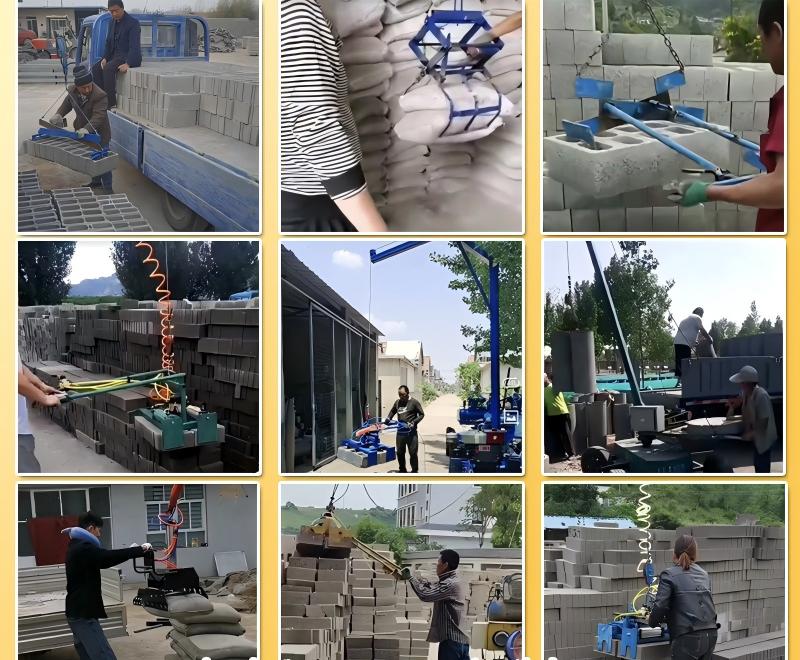
Nan sans li, machin sa a otomatize ranmase, transpòte, ak mete blòk konstriksyon estanda yo avèk presizyon. Pwosesis la kòmanse lè machin nan aliyen tèt li ak yon chaj ki sou palette, souvan lè l sèvi avèk sistèm lazè gide oswa gid fizik. Sèvi ak mekanis priz propriyete li yo, li kenbe tout pil la byen fèm. Apre sa, chaj la leve, anjeneral atravè yon levye koupon solid oswa yon sistèm bra idwolik, epi li estabilize pou transpò. Apre sa, machin nan deplase—swa avèk yon operatè k ap dirije manyèlman oswa atravè enstriksyon ki pwograme davans nan modèl ki pi avanse—nan zòn deveraj la desine. La-a, yo mete chak inite avèk presizyon nan milimèt, asire yo ke chak inite mete kòrèkteman pou travay brik oswa asanblaj ki vin apre. Sik la fini lè machin nan retounen nan pwen kòmansman li, pare pou pwochen chaj la. Operasyon repetitif ak presizyon segondè sa a elimine varyabilite ak fatig ki asosye ak manyèl manyen.
Subsistèm Kritik ak Fonksyon yo
Fidabilite ak pèfòmans ekipman sa a depann sou plizyè sousistèm entegre yo.
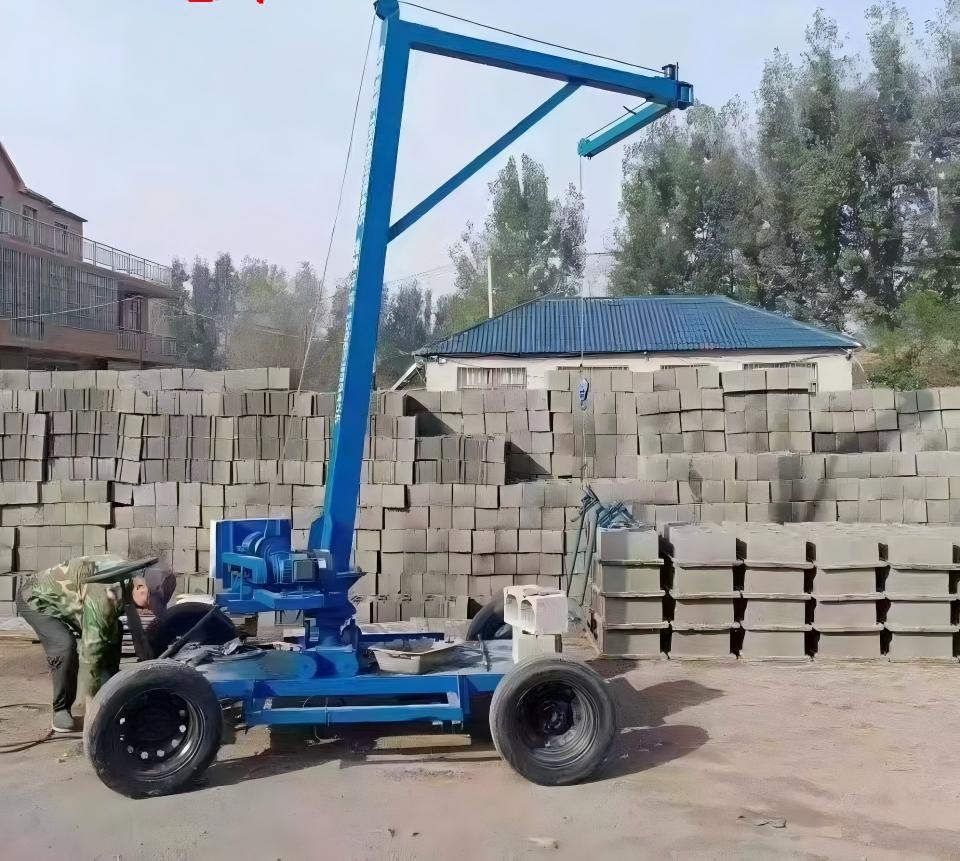
- Chasi ak Kad Mobilite:Sa a fòme kolòn vètebral machin nan, ki fèt pou estabilite anba chaj konplè. Opsyon yo gen ladan vèsyon sou tren pou pi bon traction sou tè ki graj ak ki pa prepare, ansanm ak modèl sou wou pou mobilite pi dous sou sifas di. Chwa anba-chasi a afekte dirèkteman aplikabilite machin nan sou kondisyon sit diferan.
- Leve ak Manipile Mekanis:Sa a se nwayo fonksyonalite machin nan. Sistèm yo soti nan zouti senp ki tankou fouchèt, rive nan tèt ak grif miltip ki konplèks, kapab okipe blòk nan diferan gwosè ak fòm. Fòs leve a bay pa sistèm idwolik, ki rekonèt pou dansite fòs segondè yo ak kontwòl lis yo, oswa pa aktiratè elektwomekanik nan modèl ki pi resan, k ap chèche pi bon efikasite enèji.
- Kontwòl ak Gidasyon EntèfasEntèfas operatè a varye depi levye fizik ak joystick sou modèl debaz yo rive jiska panno tactile dijital konplè. Sistèm avanse yo enkòpore lojisyèl ki pèmèt pwograme modèl plasman repete, estoke paramèt travay komen, ak retou dyagnostik. Kèk inite wo-bout genyen gid semi-otonòm, ki swiv chemen pre-establi oswa gid fil.
- Pouvwa ak Sistèm PwopilsyonMotè dyezèl yo ofri pouvwa tradisyonèl ki wo ak dire lavi long pou operasyon tout jounen an nan sit aleka. Modèl ki mache ak motè elektrik, ki pwovizyon pa gwo bank pil, ap vin popilè pou itilizasyon andedan kay yo, pa gen okenn emisyon lokal, ak mwens bri operasyonèl, ki aliyen ak inisyativ bilding vèt yo.
- Aparèy Sekirite ak Estabilizasyon.Eleman entegral yo gen ladan janm estabilizatè oswa outriggers ki deplwaye pou anpeche baskile pandan operasyon leve yo. Detèktè yo kontwole pwa chaj la, presyon idwolik, ak balans machin nan tout tan. Karakteristik fèmen otomatik yo aktive si paramèt yo depase limit sekirite, pwoteje tou de machin nan ak pèsonèl la.
Segmantasyon Mache ak Varyete Ekipman
Klasifikasyon pa Mobilite ak Echèl
Mache a ofri pwodwi ki diferansye, adapte a echèl ak anviwònman operasyonèl espesifik.
- Ti Inite ak Inite Mwayen Ranje:Machin sa yo se machin ki gen anpil manevr, ideyal pou pwojè rezidansyèl, ti konstriksyon komèsyal, ak travay retwospeksyon. Yo souvan monte sou trelè pou fasilite transpò ant sit travay yo. Konsantre yo se sou ajilite ak vitès pou chaj frekan ak pi piti.
- Sistèm Endistriyèl gwo KapasiteFèt pou gwo pwojè endistriyèl, komèsyal, ak enfrastrikti, inite sa yo gen plis kapasite chaj, rive pi lwen, e souvan kontwòl pi sofistike. Yo konstwi pou dire ak operasyon kontinyèl, pou okipe gwo bezwen materyèl sou sit konstriksyon enpòtan yo.
- Solisyon Espesyalize ki baze sou Atachman This category consists of modular attachments that can be fitted to existing carrier vehicles like telehandlers or mini-excavators. This offers a cost-effective entry point for contractors who already own compatible base machines, providing functional versatility.
Advanced Features and Technological Integration
Modern iterations are increasingly defined by their technological enhancements. Telematics systems allow fleet managers and dealers to monitor machine location, fuel levels, operational hours, and maintenance alerts remotely. This data is invaluable for preventive maintenance scheduling and optimizing machine utilization. Furthermore, integration with Building Information Modeling (BIM) represents the cutting edge. Machine controls can theoretically import data from a project’s BIM model, automating the placement pattern directly from the digital blueprint, thereby reducing layout errors and further accelerating the construction process.
Strategic Advantages for the Supply Chain and End-Users
Quantifiable Economic and Operational Benefits
The adoption of this machinery delivers a compelling return on investment through multiple channels. The most direct impact is the dramatic reduction in labor costs; a single machine and operator can replace a crew of several manual laborers, completing tasks in a fraction of the time. This translates directly to shorter project timelines, allowing contractors to take on more projects per year. Material waste due to handling damage is minimized, as the consistent, mechanical movement prevents chipping and breakage common in manual throws and carries. Furthermore, the precision placement reduces the need for subsequent adjustments, allowing masons or assemblers to begin their work immediately and more efficiently.
Enhancing Safety and Ergonomic Standards
Beyond economics, the safety imperative is profound. Manual handling of heavy, dense building materials is a leading cause of musculoskeletal injuries, including chronic back problems and strains. By assuming this physically demanding task, the machinery drastically lowers the incidence of such injuries. It also reduces foot traffic and congestion in the primary material drop zones, minimizing the risk of struck-by incidents. This creates a safer, more organized worksite, which can lead to lower insurance premiums and improved regulatory compliance for the end-user.
Sustainability and Industry Alignment
The efficiency gains have a direct positive environmental impact. Faster project completion reduces the overall duration of site disturbance and energy consumption on-site. Electric models, in particular, contribute to quieter, emission-free operation, which is crucial for urban projects with strict noise and pollution ordinances. By promoting a solution that aligns with goals for faster, safer, and cleaner construction, distributors align themselves with the broader trends shaping the future of the industry.
Conclusion: Positioning for a Productive Future
The transition towards automated material handling in construction is not a speculative trend but a demonstrable shift towards greater rationality and productivity. For dealers, distributors, and procurement professionals, this equipment category represents a high-value portfolio segment that addresses fundamental client pain points: cost, time, safety, and precision. Success in this market requires a deep technical understanding of the product variations, a clear communication of the total cost of ownership and ROI, and the ability to provide robust after-sales support and parts service. By becoming knowledgeable advocates for these solutions, supply chain partners do more than sell machinery; they enable their clients to build better, faster, and safer. The competitive advantage offered by this technology makes it an indispensable consideration for any forward-looking business servicing the modern construction landscape.
Kesyon yo poze souvan (FAQ)
Q1: What is the typical range of load capacity for these machines?
A: Load capacities vary significantly to suit different projects. Compact models may handle stacks weighing between 500 to 1,500 kg, while heavy-duty industrial machines can lift and transport palletized loads exceeding 3,000 kg. It is crucial to match the machine’s capacity with the most common pallet weights used by your clientele.
Q2: How does the training process work for operators, and is it complex?
A: Operator training is generally straightforward, especially for standard models. Most manufacturers provide comprehensive onsite training covering basic operations, safety protocols, and routine maintenance. For machines with advanced software or BIM integration, more in-depth training is provided. The intuitive nature of the controls allows skilled equipment operators to become proficient relatively quickly.
Q3: What are the primary considerations for choosing between a tracked and wheeled model?
A: The choice depends on anticipated ground conditions. Tracked models offer superior ground pressure distribution, making them ideal for soft, muddy, or uneven terrain as they are less likely to sink or cause damage. Wheeled models provide higher travel speeds and are better suited for hard, level surfaces like prepared pads or factory floors. They also tend to be easier to transport on trailers.
Q4: Can these machines handle other materials besides standard construction blocks?
A: Yes, with the appropriate attachments, many models can be adapted to handle a variety of palletized or bundled materials common on construction sites. This includes bags of mortar mix, landscaping blocks, certain types of paving stones, and dimensional lumber packs. This versatility enhances the machine’s utility and ROI for the end-user.
Q5: What does the maintenance schedule look like, and what is the parts availability like?
A: Maintenance is similar to other mobile construction equipment, involving regular checks of hydraulic systems, filters, structural components, and (in diesel models) the engine. Electric models have fewer moving parts and require less routine maintenance. Reputable manufacturers support their products with readily available spare parts networks and detailed service manuals. For distributors, establishing access to this parts supply chain is a critical component of customer support.
Q6: How do we effectively demonstrate the ROI to a skeptical contractor?
A: The most effective demonstration is a concrete cost-benefit analysis. Focus on direct labor savings: calculate the hours and crew size required to manually move a set quantity of material versus the machine’s cycle time. Add in quantifiable savings from reduced breakage, lower insurance costs (due to improved safety), and the potential for increased project throughput. Offering a live demonstration on the contractor’s own site, using their materials, is often the most persuasive tool.