Cơ Chế Hoạt Động và Các Thành Phần Cốt Lõi
Nguyên Lý Hoạt Động Cơ Bản
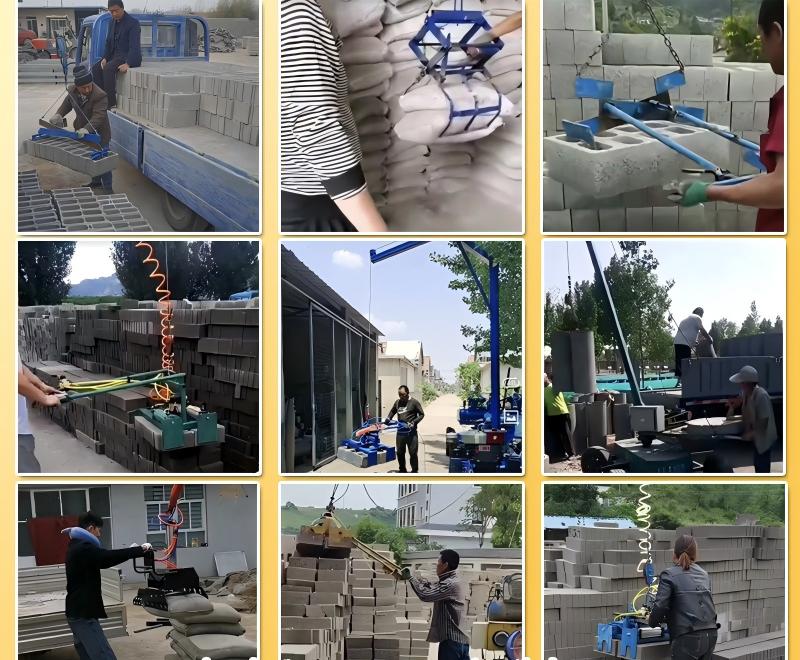
Về bản chất, cỗ máy này tự động hóa việc nhấc lên, vận chuyển và đặt chính xác các khối xây dựng tiêu chuẩn hóa. Quy trình bắt đầu khi máy tự căn chỉnh với tải trọng đã được xếp trên pallet, thường sử dụng hệ thống dẫn hướng bằng laser hoặc các thanh dẫn vật lý. Sử dụng cơ cấu kẹp độc quyền, nó giữ chặt toàn bộ chồng khối. Tải trọng sau đó được nâng lên, thường qua hệ thống nâng kiểu kéo cắt hoặc cánh tay thủy lực chắc chắn, và được ổn định trong quá trình vận chuyển. Cỗ máy sau đó di chuyển—có thể do người vận hành điều khiển thủ công hoặc theo hướng dẫn lập trình sẵn ở các mẫu tiên tiến hơn—đến khu vực dỡ hàng được chỉ định. Tại đây, việc đặt khối được thực hiện với độ chính xác đến từng milimet, đảm bảo mỗi đơn vị được lắp đúng cách cho các công đoạn xây gạch hoặc lắp ráp tiếp theo. Chu kỳ kết thúc khi máy quay trở lại điểm xuất phát, sẵn sàng cho lần tải tiếp theo. Hoạt động lặp đi lặp lại với độ chính xác cao này loại bỏ sự biến thiên và mệt mỏi liên quan đến xử lý thủ công.
Các Hệ Thống Con Quan Trọng và Chức Năng Của Chúng
Độ tin cậy và hiệu suất của thiết bị này phụ thuộc vào nhiều hệ thống con tích hợp.
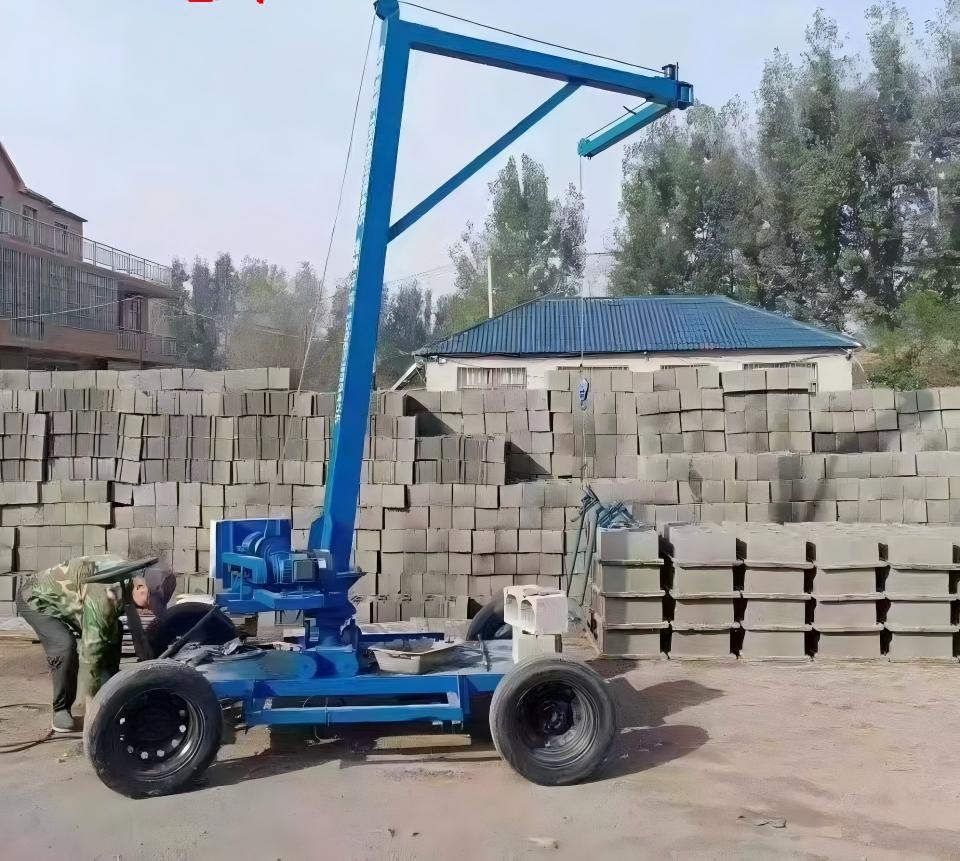
- Khung gầm và Khung di động:Đây là phần khung máy, được thiết kế để đảm bảo độ ổn định dưới tải trọng tối đa. Các tùy chọn bao gồm phiên bản xích cho khả năng bám đất vượt trội trên địa hình gồ ghề, chưa được chuẩn bị và phiên bản bánh lốp cho khả năng di chuyển êm ái hơn trên bề mặt cứng. Việc lựa chọn hệ thống gầm ảnh hưởng trực tiếp đến khả năng ứng dụng của máy trong các điều kiện công trường khác nhau.
- Cơ cấu nâng và thao tác:Đây là cốt lõi chức năng của máy. Các hệ thống bao gồm từ loại ngạc đơn giản kiểu xe nâng đến đầu kẹp nhiều móng tinh vi có thể xử lý các khối đá với kích thước và hình dạng khác nhau. Sức nâng được cung cấp bởi hệ thống thủy lực, nổi tiếng với mật độ lực cao và khả năng kiểm soát mượt mà, hoặc bộ truyền động cơ điện trong các mẫu mới hơn nhằm tìm kiếm hiệu suất năng lượng cao hơn.
- Giao diện Điều khiển và Hướng dẫnGiao diện vận hành thay đổi từ các cần điều khiển và cần gạt vật lý trên các mẫu cơ bản đến các bảng cảm ứng kỹ thuật số hoàn toàn. Các hệ thống tiên tiến tích hợp phần mềm cho phép lập trình các mẫu đặt lặp lại, lưu trữ các thông số công việc phổ biến và phản hồi chẩn đoán. Một số thiết bị cao cấp có tính năng dẫn đường bán tự động, theo các lộ trình đặt trước hoặc dây dẫn hướng.
- Hệ thống Điện và Động lực:Động cơ diesel mang lại sức mạnh và độ bền cao truyền thống cho hoạt động liên tục suốt ngày tại các địa điểm xa xôi. Các mẫu máy chạy bằng động cơ điện, được cung cấp năng lượng từ các ngân hàng pin lớn, đang ngày càng phổ biến nhờ sử dụng trong nhà, không có khí thải tại chỗ và độ ồn vận hành thấp hơn, phù hợp với các sáng kiến xây dựng xanh.
- Thiết bị An toàn và Ổn định:Các thành phần tích hợp bao gồm chân chống hoặc chân ổn định triển khai để ngăn lật trong quá trình nâng. Cảm biến liên tục theo dõi trọng lượng tải, áp suất thủy lực và sự cân bằng của máy. Các tính năng tự động ngắt được kích hoạt nếu các thông số vượt quá giới hạn an toàn, bảo vệ cả máy và nhân viên.
Phân khúc thị trường và các loại thiết bị
Phân loại theo tính di động và quy mô
Thị trường cung cấp các sản phẩm khác biệt phù hợp với quy mô và môi trường vận hành cụ thể.
- Các đơn vị nhỏ gọn và tầm trung:这些机器操控灵活,非常适合住宅项目、小型商业建筑工程及改造翻新作业。它们通常采用拖车装载设计,便于在工地间运输转移。其设计核心在于为频繁的小型物料运输提供敏捷性和速度优势。
- Hệ Thống Công Nghiệp Công Suất Lớn:专为大规模工业、商业及基础设施项目设计,这些单元具备更大的承载能力、更远的作业范围,并且通常配备更精密的控制系统。它们以耐用性和持续运行为目标打造,能够满足大型施工现场的庞大物料需求。
- Chuyên về các giải pháp dựa trên sự gắn kết.Danh mục này bao gồm các phụ kiện mô-đun có thể lắp vào các phương tiện vận chuyển hiện có như xe nâng tay hoặc máy xúc mini. Điều này mang lại điểm khởi đầu tiết kiệm chi phí cho các nhà thầu đã sở hữu máy cơ sở tương thích, cung cấp tính linh hoạt trong chức năng.
Các Tính Năng Nâng Cao và Tích Hợp Công Nghệ
Các phiên bản hiện đại ngày càng được định hình bởi các cải tiến công nghệ. Hệ thống viễn thông cho phép các nhà quản lý đội xe và đại lý giám sát từ xa vị trí máy móc, mức nhiên liệu, giờ hoạt động và cảnh báo bảo trì. Dữ liệu này vô cùng giá trị cho việc lập kế hoạch bảo trì phòng ngừa và tối ưu hóa việc sử dụng máy móc. Hơn nữa, tích hợp với Mô hình Thông tin Xây dựng (BIM) đại diện cho công nghệ tiên tiến nhất. Về mặt lý thuyết, hệ thống điều khiển máy có thể nhập dữ liệu từ mô hình BIM của dự án, tự động hóa mô hình bố trí trực tiếp từ bản thiết kế kỹ thuật số, từ đó giảm thiểu lỗi bố trí và đẩy nhanh hơn nữa quá trình xây dựng.
lợi thế chiến lược cho chuỗi cung ứng và người dùng cuối
Lợi ích Kinh tế và Vận hành Có thể Định lượng
该设备的采用通过多种渠道实现了显著的投资回报。最直接的影响是劳动成本的大幅降低;一台机器及其操作员可替代数名体力劳动者,且完成任务的时间仅为人工操作的一小部分。这直接缩短了项目周期,使承包商每年能承接更多项目。由于机械操作的一致性和稳定性,避免了人工抛掷和搬运中常见的破损问题,从而将因处理不当造成的材料浪费降至最低。此外,精确定位减少了后续调整的需求,使泥瓦匠或装配工能够立即更高效地开始工作。
Nâng cao Tiêu chuẩn An toàn và Công thái học
Ngoài khía cạnh kinh tế, yêu cầu an toàn còn mang tính sống còn. Việc xử lý thủ công các vật liệu xây dựng nặng, dày đặc là nguyên nhân hàng đầu gây chấn thương cơ xương, bao gồm các vấn đề đau lưng mãn tính và căng cơ. Bằng cách đảm nhận nhiệm vụ đòi hỏi sức lực này, máy móc giúp giảm đáng kể tỷ lệ xảy ra các chấn thương đó. Nó cũng giảm bớt lưu lượng người đi bộ và tình trạng ùn tắc tại các khu vực tập kết vật liệu chính, giảm thiểu rủi ro va chạm gây tai nạn. Điều này tạo ra một công trường an toàn hơn, ngăn nắp hơn, có thể dẫn đến phí bảo hiểm thấp hơn và cải thiện tuân thủ quy định cho người sử dụng cuối.
Tính bền vững và Sự phù hợp với Ngành
Hiệu quả tăng cường mang lại tác động tích cực trực tiếp đến môi trường. Hoàn thành dự án nhanh hơn giúp giảm thời gian gây xáo trộn tại công trường và tiêu thụ năng lượng. Các mẫu máy chạy điện, đặc biệt, góp phần vào hoạt động yên tĩnh hơn, không phát thải, điều này rất quan trọng cho các dự án đô thị có các quy định nghiêm ngặt về tiếng ồn và ô nhiễm. Bằng cách thúc đẩy giải pháp phù hợp với mục tiêu xây dựng nhanh hơn, an toàn hơn và sạch hơn, các nhà phân phối tự hòa mình vào các xu hướng rộng lớn đang định hình tương lai của ngành.
Kết luận: Định vị cho một tương lai năng suất
Việc chuyển dịch sang xử lý vật liệu tự động trong xây dựng không phải là một xu hướng suy đoán, mà là một sự thay đổi rõ rệt hướng tới tính hợp lý và năng suất cao hơn. Đối với các đại lý, nhà phân phối và chuyên gia mua hàng, hạng mục thiết bị này thể hiện một phân khúc danh mục có giá trị cao, giải quyết những vấn đề cốt lõi của khách hàng: chi phí, thời gian, an toàn và độ chính xác. Thành công trong thị trường này đòi hỏi sự hiểu biết kỹ thuật sâu sắc về các biến thể sản phẩm, truyền đạt rõ ràng về tổng chi phí sở hữu và lợi tức đầu tư, cũng như khả năng cung cấp dịch vụ hậu mãi và linh kiện mạnh mẽ. Bằng cách trở thành những người ủng hộ am hiểu các giải pháp này, các đối tác chuỗi cung ứng không chỉ bán máy móc; họ giúp khách hàng của mình xây dựng tốt hơn, nhanh hơn và an toàn hơn. Lợi thế cạnh tranh mà công nghệ này mang lại khiến nó trở thành một yếu tố không thể thiếu đối với bất kỳ doanh nghiệp hướng tới tương lai nào phục vụ bối cảnh xây dựng hiện đại.
Các Câu Hỏi Thường Gặp (FAQ)
Câu hỏi 1: Dải tải trọng điển hình của các máy này là bao nhiêu?
A:Tải trọng thay đổi đáng kể tùy theo từng dự án. Các mô hình nhỏ gọn có thể xử lý các kiện hàng nặng từ 500 đến 1.500 kg, trong khi các máy công nghiệp hạng nặng có thể nâng và vận chuyển tải trọng pallet vượt quá 3.000 kg. Việc điều chỉnh tải trọng của máy sao cho phù hợp với trọng lượng pallet phổ biến nhất mà khách hàng của bạn sử dụng là điều vô cùng quan trọng.
Q2: Quy trình đào tạo dành cho người vận hành diễn ra như thế nào và có phức tạp không?
A: Operator training is generally straightforward, especially for standard models. Most manufacturers provide comprehensive onsite training covering basic operations, safety protocols, and routine maintenance. For machines with advanced software or BIM integration, more in-depth training is provided. The intuitive nature of the controls allows skilled equipment operators to become proficient relatively quickly.
Q3: What are the primary considerations for choosing between a tracked and wheeled model?
A: The choice depends on anticipated ground conditions. Tracked models offer superior ground pressure distribution, making them ideal for soft, muddy, or uneven terrain as they are less likely to sink or cause damage. Wheeled models provide higher travel speeds and are better suited for hard, level surfaces like prepared pads or factory floors. They also tend to be easier to transport on trailers.
Q4: Can these machines handle other materials besides standard construction blocks?
A: Yes, with the appropriate attachments, many models can be adapted to handle a variety of palletized or bundled materials common on construction sites. This includes bags of mortar mix, landscaping blocks, certain types of paving stones, and dimensional lumber packs. This versatility enhances the machine’s utility and ROI for the end-user.
Q5: What does the maintenance schedule look like, and what is the parts availability like?
A: Maintenance is similar to other mobile construction equipment, involving regular checks of hydraulic systems, filters, structural components, and (in diesel models) the engine. Electric models have fewer moving parts and require less routine maintenance. Reputable manufacturers support their products with readily available spare parts networks and detailed service manuals. For distributors, establishing access to this parts supply chain is a critical component of customer support.
Q6: How do we effectively demonstrate the ROI to a skeptical contractor?
A: The most effective demonstration is a concrete cost-benefit analysis. Focus on direct labor savings: calculate the hours and crew size required to manually move a set quantity of material versus the machine’s cycle time. Add in quantifiable savings from reduced breakage, lower insurance costs (due to improved safety), and the potential for increased project throughput. Offering a live demonstration on the contractor’s own site, using their materials, is often the most persuasive tool.