
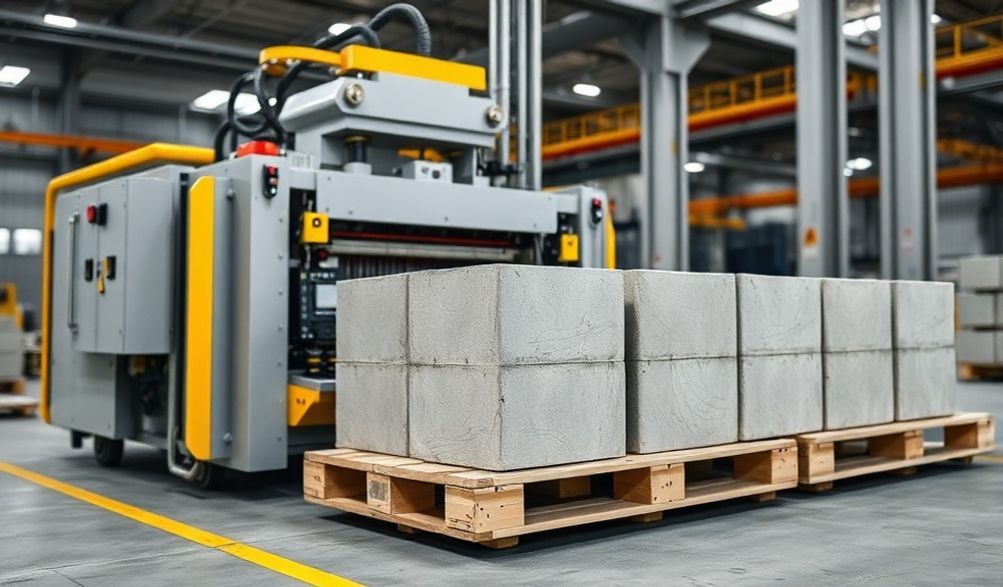
Pri Machin Blòk: Yon Gid Konplè pou Achtè 2024
Jwenn bon machin pou fè blòk ka sanble ak yon bagay ki twòp, espesyalman lè pri yo varye ant kèk mil dola a plis pase san mil dola. Ki jan ou konnen sa w ap peye a vrèman? Èske yon machin mwens chè se yon bon afè oswa yon pwoblèm nan lavni? Kantite opsyon ki disponib yo ka paralize menm biznisman ki pi desizif yo.
Gid konplè sa a klè pou konprann. N ap dekouvri faktè egzat ki detèmine pri machin pou fè blòk, n ap konpare diferan kalite ak seri pri reyèl yo, epi n ap revele depans souvan kache pou posede yo. Objektif nou se transfòme w soti nan yon achtè ki pa sèten pou vin yon envestisè ki enfòme, ekipe pou pran yon desizyon ki maksimizè retou sou envestisman (ROI) w pou ane k ap vini yo.
Nan fen gid "pri machin pou fè blòk" sa a, ou pral klèman konprann faktè kle ki detèmine pri yo, ou pral kapab konpare modèl ak founisè yo avèk presizyon, epi ou pral kreye yon bidjè pwojè ki reflete vre pri antrepriz ou a. Ann plonje.
Faktè Kle ki Detèmine Pri Machin Blòk
Pri yon machin pou fè blòk pa aza. Li se yon refleksyon dirèk sou kapasite li, solidite li, ak teknoloji ki ladan l. Konprann faktè sa yo se premye etap pou fè yon acha entelijan.
Kapasite Pwodiksyon ak Pwodiksyon
Faktè ki pi enpòtan ki fè pri a monte se kantite blòk machin nan kapab pwodwi. Anjeneral, yo mezire sa an blòk pa èdtan oswa pa chanm travay 8 èdtan.
- Korelasyon Dirèk:Gen yon relasyon prèske lineyè ant pwodiksyon ak pri. Yon machin ki fèt pou pwodui 2,000 blòk pa jou pral koute pi pase yon machin ki fèt pou pwodui 10,000 blòk pa jou.
- Eskèl Espèk:Machin manuel yo ka pwodwi kèk santèn blòk pa jou ak yon ekip. Machin semi-otomatik yo ka ogmante sa a a plizyè milye. Liy pwodiksyon konplètman otomatik yo fèt pou pwodwi dè dizèn de milye blòk chak jou, kidonk pri segondè yo.
Nivo Otomatizasyon
Otomatizasyon se motè tou de efikasite ak pri. Spektrum lan klè:Manchèl < Semi-Otomatik < Otomatik Konplè.
- Machin Manyèl:Pri ki pi ba, pri travay ki pi wo sou tan long. Yo mande anpil efò fizik pou melanje, bay manje, ak fòme.
- Machin Semi-Otomatik:Yon envestisman mwayen. Yo otomatize pwosesis enpòtan yo tankou konpresyon ak vibrasyon, souvan ak sistèm idwolik, men yo ka mande pou materyo anvan yo dwe manuelman mete oswa retire blòk ki fini yo.
- Machin Otomatik Konplè:Pri ki pi wo anvan, men yo chanje dinamik travay la. Sistèm sa yo genyen dosaj materyèl otomatik, melanj, moule, trete, ak anpile. Kompansasyon an klè: envesti plis kapital anvan pou ekonomize anpil sou depans travay epi reyalize yon konsistans pwodiksyon san parèy.
Kalite Machin & Espesifikasyon Blòk
Pa tout machin blòk yo fèt menm jan. Kalite blòk ou bezwen pwodwi a detèmine konsepsyon ak konpleksite machin nan.
- Machin pou Blòk Vid:Komen e souvan baz la pou fikse pri yo.
- Machin Pavaj, Entèbloke, ak Bò Twou San Fon: These require more specialized molds and sometimes different vibration patterns, increasing the cost.
- Machin Multi-Fonksyon: Machines that can produce multiple block types by changing molds are more versatile but also more expensive than single-purpose units.
- Mold Complexity: Intricate designs (e.g., decorative pavers) require precision-engineered, hardened steel molds, which are a major cost component.
- Special Features: Add-ons like automatic color dispensers for paving stones or integrated concrete mixers will add to the base price.
Repitasyon Mak ak Peyi Orijin
Where a machine is built and who builds it carries a price implication tied to perceived quality, innovation, and support.
- Established Global Brands (e.g., German, Italian, U.S.): Command a premium price. You’re investing in decades of engineering expertise, high-grade materials, rigorous testing, and (typically) a global network for after-sales service and spare parts. This translates to reliability and minimized downtime.
- Emerging Market Manufacturers (e.g., Indian, Chinese, Turkish): Offer highly competitive pricing. The value proposition is strong, but due diligence is critical. The key is to vet the specific manufacturer for:
- Quality of components (hydraulics, electrical systems).
- Availability of detailed technical documentation.
- Responsiveness of their after-sales service and spare parts supply chain.
Block Making Machine Price Ranges by Type (2024 Estimates)
To ground our discussion, here are realistic price brackets for 2024. Remember, these are estimates—final pricing depends on the specific factors above and your supplier.
Machin Manchèl ak Ti Ekipman
- Pri:$1,000 – $15,000
- Ideal Pou: Entrepreneurs starting a small business, community projects, or low-volume on-site production where labor costs are low.
- Egzanp: Manual “egg-laying” type machines (which produce blocks in place), small stationary machines with simple vibration motors.
Machin Semi-Otomatik
- Pri: $15,000 – $50,000
- Ideal Pou: Growing block-making businesses, medium-scale production for local construction companies, or municipal works.
- Egzanp: Stationary machines with robust hydraulic systems for high-pressure compaction, possibly with automatic pallet feeders or block ejectors. Output can range from 1,000 to 5,000+ blocks per 8-hour shift.
Fully Automatic Machines & Production Lines
- Pri: $50,000 – $300,000+
- Ideal Pou: Large-scale commercial plants, industrial production supplying regional markets, or major infrastructure projects.
- Egzanp: These are complete systems. They include high-speed machines with pallet circulators, automatic material handling robots, programmable logic controller (PLC) panels, and sometimes integrated curing racks. Output can easily exceed 10,000 blocks per shift.
Beyond the Sticker Price: The True Cost of Ownership
The purchase price is just the entry ticket. The real cost of owning and operating a block making machine includes several critical, often overlooked, expenses.
Shipping, Installation, and Commissioning
A machine sitting in a port isn’t making you money. Budget for getting it to your site and making it operational.
- Incotèm Enpòtan: Know the difference between FOB (Lib sou Bato)akCIF (Pri, Asirans, ak Fret). FOB means you own and are responsible for the goods once they’re loaded on the ship; you arrange and pay for the main shipping and insurance. CIF means the supplier arranges and pays for shipping to your port.
- Depans Kache: Don’t forget import duties, customs clearance fees, and local transport from the port to your factory.
- Technical Setup: Factor in the cost of foundation work, electrical hookup, and the potential need for a technician from the supplier for installation and commissioning. This service may be included or be an extra fee.
Operating Costs: Power, Labor, and Raw Materials
Your daily expenses will directly impact profitability.
- Konsomasyon Pouvwa: Fully automatic lines with multiple motors, hydraulics, and conveyors consume significant electricity. Request the machine’s power rating (in kW) to estimate this cost.
- Travay This is where automation pays off. A semi-automatic machine may need 3-4 operators, while a fully automatic line might run with 1-2. Calculate your local wage costs over 5 years.
- Matyè Premye: The cost and quality of your concrete mix (cement, aggregates, water) is your largest recurring expense. A consistent, high-quality mix is non-negotiable for producing sellable blocks and protecting your machine from wear.
Maintenance, Spare Parts, and Downtime
This is the ultimate test of your machine’s value. A cheap machine with frequent breakdowns can be more expensive than a costly, reliable one.
- Antretyen Prevantif: Budget for regular oil changes, filter replacements, and wear-part inspections. A good supplier will provide a maintenance schedule.
- Critical Spare Parts: Identify and keep a small inventory of parts most prone to failure (e.g., specific hydraulic seals, vibration motor bearings, mold liners). The lead time to get these parts can mean days of lost production.
- The Cost of Downtime: When your machine stops, your revenue stops. The true value of a reliable brand or a supplier with excellent local service is measured in uptime.
How to Get the Best Value for Your Investment
Value isn’t about finding the lowest price; it’s about optimizing the balance between cost, performance, and reliability for your specific needs.
Accurately Assessing Your Needs
Start with a business plan, not a brochure. Ask yourself:
- What is my realistic daily and monthly production target in Year 1? Year 3?
- What specific block types (hollow, solid, paver) does my local market demand?
- What is the selling price for these blocks in my area?
- What is my available budget, including a 15-20% contingency for shipping and setup?
Vetting Suppliers and Requesting Quotes
Treat this like hiring a key business partner. Your supplier’s support is as important as the machine.
- Due Diligence Checklist:
- Request and contact customer references, especially those in a similar climate or region.
- Mande poudetailed videos of the machine in operation at their factory.
- Review the technical specification sheet line by line.
- Understand the warranty terms (duration, what’s covered, what’s not).
- Inquire about the availability and lead time for spare parts.
- Get Multiple Quotes: Ensure each quote is for the exact same specifications so you can make a true comparison.
Key Questions to Ask Before You Buy
Go beyond price. Use this script in your discussions:
- “Can you provide a performance guarantee for output (blocks per hour) and block strength?”
- Kisa 80-20 la?standard and optional warranty? What is the process for making a claim?”
- “Do you provide on-site installation and operator training? Is it included or an extra cost?”
- “Can you share a list of recommended critical spare parts to keep in stock and their prices?”
- Kisa 80-20 la?estimated power consumption of this model?”
Kesyon yo poze souvan (FAQ)
What is the cheapest block making machine available?
The absolute cheapest options are small, manual press machines, which can start around $1,000. However, it’s crucial to understand the trade-offs: extremely low output, high physical labor requirements, and limited block quality consistency. For a business, focusing on “value for money” rather than the “cheapest price” is a far more sustainable strategy.
Can I get a good automatic block machine under $20,000?
You need to set realistic expectations. A brand-new, high-quality, fully automatic production line is highly unlikely in this price range. However, a robust machin semi-otomatik with good output or a basic automatic machine from certain emerging markets may fall within this bracket. The key is to intensify your supplier vetting—scrutinize build quality, component brands, and service promises.
How much profit can I make with a block making machine?
Profitability isn’t guaranteed by the machine alone; it’s determined by your market, efficiency, and management. A simplified way to think about it is your break-even volume. Calculate: Machine Total Investment / (Selling Price per Block - Production Cost per Block) = Number of blocks to break even. Your production cost includes raw materials, labor, power, and maintenance. Profit depends on how efficiently you can produce and sell blocks beyond this volume.
Are used block making machines a good option to save money?
They can be, but they carry risk. Avantaj: Significantly lower upfront capital cost. Desavantaj: Potential for hidden mechanical issues, outdated technology, higher energy consumption, and likely no warranty. If considering used, it is highly recommended to have the machine inspected by an independent, qualified technician. Also, ensure critical spare parts are still available for that model.
Konklizyon
Navigating the “block making machine price” landscape requires looking beyond the initial quote. As we’ve detailed, the final price is a direct function of production capacity, level of automation, machine type, and the brand’s reputation for support. The most cost-effective choice is rarely the cheapest one; it’s the machine that aligns perfectly with your production goals and offers the lowest total cost of ownership through reliability and efficiency.
Investing in a block making machine is a significant decision that forms the foundation of your business. By focusing on your specific needs, conducting thorough supplier due diligence, and planning for all associated costs, you can select equipment that becomes a profitable and reliable cornerstone of your operation for years to come.
Ready to move forward? Download our free Project Planning & Budget Worksheet to systematically organize your requirements, compare quotes, and build a realistic financial model for your block-making venture.
<