
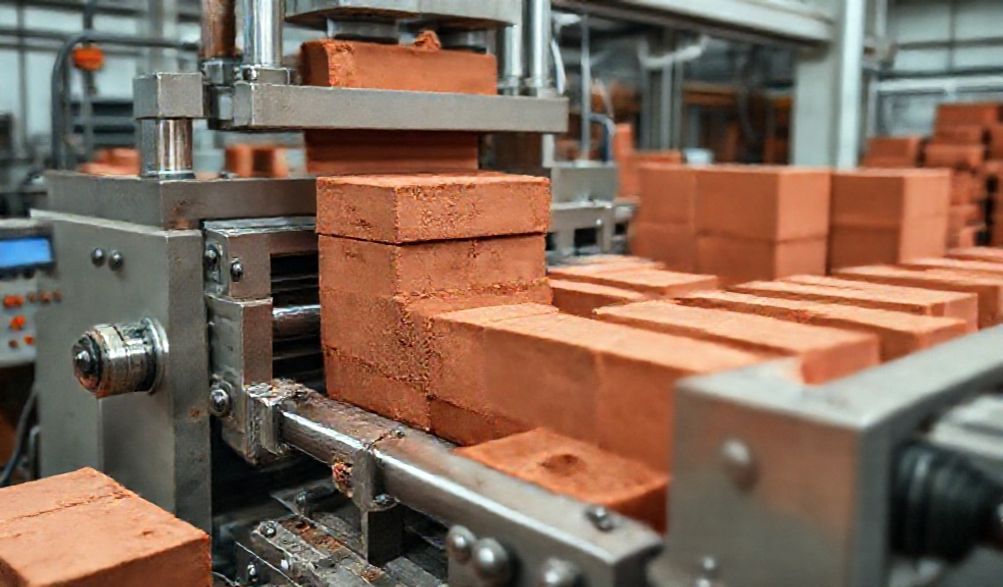
Panduan Utama Mesin Pembuat Blok Tanah Liat: Jenis, Manfaat & Cara Memilih
Pengantar
Di era ketika industri konstruksi terus-menerus mencari bahan bangunan yang berkelanjutan, tahan lama, dan hemat biaya, satu solusi abadi terus berdiri kokoh: bata tanah liat. Selama ribuan tahun, tanah liat bakar telah menjadi tulang punggung tempat tinggal manusia, dari peradaban kuno hingga lanskap perkotaan modern. Kini, material yang bertahan lama ini mengalami kebangkitan kembali, didorong bukan karena kebetulan, melainkan oleh inovasi teknologi dalam manufaktur. Modernmesin pembuat blok tanah liatadalah mesin di balik kebangkitan ini, mengubah tanah mentah menjadi komponen bangunan yang dirancang presisi dengan efisiensi dan konsistensi yang belum pernah terjadi sebelumnya.
Panduan komprehensif ini dirancang untuk para pengusaha yang mengincar peluang di bidang bahan konstruksi, pemilik bengkel batu bata mapan yang ingin melakukan peningkatan, serta manajer proyek yang menginginkan kendali lebih besar atas pasokan bangunan mereka. Tujuan kami adalah untuk mengungkap seluk-beluk dunia mesin blok tanah liat. Kami akan menjelajahi teknologi inti, menguraikan berbagai jenis mesin yang tersedia, mengukur manfaat nyatanya, serta menyediakan kerangka kerja yang jelas dan dapat ditindaklanjuti untuk memilih peralatan yang tepat sesuai tujuan spesifik Anda.
Wawasan yang disajikan di sini merupakan sintesis dari analisis industri mendalam, spesifikasi langsung dari produsen, dan pengetahuan operasional yang terakumulasi. Tujuan kami adalah membekali Anda dengan informasi yang akurat dan dapat diandalkan, mengubah keputusan investasi modal yang kompleks menjadi langkah strategis yang percaya diri untuk bisnis atau proyek Anda.
Memahami Teknologi Pembuatan Blok Tanah Liat
Sebelum berinvestasi dalam mesin, penting untuk memahami perjalanan sebuah bata tanah liat dan peran mesin di setiap tahapnya. Mesin modern adalah sistem canggih yang dirancang untuk mengoptimalkan proses berusia berabad-abad.
Proses Produksi Inti: Dari Tanah Liat Mentah Hingga Blok Jadi
Transformasi tanah liat basah menjadi balok struktural yang keras adalah simfoni empat tahap, di mana setiap fase sangat kritis terhadap kualitas produk akhir.
- Persiapan Bahan Baku:Semuanya dimulai dari tanah liat. Tanah liat yang dipilih pertama-tama dihancurkan untuk memecah gumpalan besar, lalu dicampur dengan air dan terkadang bahan tambahan (seperti pasir atau serbuk gergaji untuk mengurangi penyusutan) dalam pengaduk tanah liat. Proses "pengulian" ini menghasilkan massa yang homogen dan plastis dengan konsistensi sempurna untuk dicetak.
- Proses Pembentukan/Pencetakan:Inilah inti dari kerja mesin. Tanah liat yang telah disiapkan dipaksa untuk dibentuk, terutama melalui salah satu dari dua metode:
- Ekstrusi:Tanah liat didorong melalui cetakan dengan profil yang diinginkan oleh sekrup auger yang kuat, menciptakan kolom tanah liat yang kontinu yang kemudian dipotong menjadi balok-balok individual. Ini ideal untuk produksi volume tinggi dengan bentuk standar.
- Kompresi:Tanah liat dimasukkan ke dalam cetakan dan dikompresi di bawah tekanan tinggi oleh ram hidrolik atau mekanis. Metode ini sering menghasilkan balok yang lebih padat, dengan tepi lebih tajam, dan sangat baik untuk batu paving atau bentuk khusus.
- Pengeringan:Fase Kritis untuk Kekuatan. Blok "hijau" yang baru terbentuk sangat rapuh. Blok-blok ini harus dikeringkan secara perlahan dan merata untuk menghilangkan kelembapan tanpa menyebabkan retak atau melengkung. Proses ini dapat dilakukan di halaman pengeringan terbuka (tergantung cuaca) atau di pengering ruangan terkontrol untuk hasil yang lebih cepat dan konsisten.
- Proses Pembakaran/Kiln:Mencapai Kekerasan dan Ketahanan Akhir. Blok yang telah kering dibakar dalam tungku pada suhu antara 900°C dan 1200°C. Proses ini memvitrifikasi tanah liat, memberikan blok kekuatan permanen, daya tahan, ketahanan terhadap cuaca, dan warna ikoniknya.
Komponen Utama Mesin Pembuat Blok Tanah Liat Modern
Sebuah mesin tipikal adalah sistem terpadu dari beberapa komponen kunci:
- Unit Ekstruder atau Kompresi:Inti tenaga. Sebuah mesin ekstrusi memiliki laras besar dengan sekrup berputar. Mesin kompresi menggunakan kotak cetakan tahan baku dan piston hidrolik.
- Sistem Pemotongan: For extrusion machines, the continuous clay column must be sliced. This is done by a cutting system using taut wires (for softer clay) or hard metal blades, synchronized to produce blocks of exact length.
- Conveyor and Transfer Systems: A network of belts and transfers that move raw material into the machine, carry green blocks out to the drying area, and handle material between stages in automated plants.
- Control Panels & Automation Interfaces: The brain of the operation. Modern machines feature PLC (Programmable Logic Controller) panels that allow operators to set parameters, monitor production, and diagnose issues, ensuring consistent quality and efficiency.
Types of Clay Block Making Machines
The market offers solutions for every scale of operation, from artisan workshops to industrial megaprojects. Your choice depends fundamentally on your production goals and budget.
Mesin Manual dan Semi-Otomatis
These machines represent the entry point into block manufacturing, emphasizing flexibility over sheer output.
- Kasus Penggunaan Ideal: Perfect for small-scale production, community-led housing projects, rural construction, or manufacturers specializing in custom, artistic, or non-standard block shapes.
- Kelebihan:
- Investasi Awal yang Lebih Rendah: Significantly more affordable, reducing financial barriers to entry.
- Simplicity & Flexibility: Easier to maintain and adjust for different products. Often use interchangeable molds.
- Lower Infrastructure Needs: Require less space and can often run on single-phase power.
- Kekurangan:
- Higher Labor Intensity: Require multiple operators for material handling, feeding, and block removal.
- Lower Output & Consistency: Production is slower, and product quality can vary more with operator skill.
- Physical Demanding: The work is hands-on and can be strenuous.
Fully Automatic Clay Block Making Plants
These are complete, integrated production lines where raw clay enters one end, and finished, palletized blocks emerge from the other, with minimal human intervention.
- Kasus Penggunaan Ideal: Medium to large-scale brick yards supplying regional construction markets, large infrastructure projects, or entrepreneurs focused on high-volume, standardized production.
- Kelebihan:
- High, Predictable Output: Can produce tens of thousands of blocks per shift, enabling you to meet large orders and tight deadlines.
- Konsistensi yang Luar Biasa: Automation ensures every block has identical dimensions, density, and appearance.
- Reduced Labor Costs: One or two operators can manage the entire line, controlling it from a central panel.
- Integrated Processes: Often include automated handling, stacking, and even feeding to dryer/kiln systems.
- Kekurangan:
- Significant Capital Investment: The upfront cost is substantial.
- Space and Infrastructure: Requires a large, dedicated facility with three-phase power, robust flooring, and sometimes special foundations.
- Technical Complexity: Requires trained personnel for operation and maintenance.
Mobile Clay Block Machines
Mounted on trailers or skids, these units bring the factory directly to the construction site.
- Kasus Penggunaan Ideal: Large, remote construction projects (dams, remote housing), disaster relief housing, or situations where transporting finished blocks is prohibitively expensive.
- Kelebihan:
- Eliminates Transport Costs: Manufacture blocks on-site using locally sourced clay, slashing logistics expenses.
- Project Versatility: Can be moved from one site to another as projects are completed.
- Rapid Deployment: Can be set up and made operational relatively quickly.
- Kekurangan:
- Lower Capacity: Generally have lower output than stationary industrial plants.
- Site Dependency: Reliant on site access to water, power (often requiring a generator), and raw clay of suitable quality.
- Weather Vulnerability: Production can be disrupted by on-site weather conditions.
Top Benefits of Investing in a Clay Block Machine
Moving from being a purchaser to a producer of clay blocks unlocks a suite of strategic advantages that impact your bottom line, project timelines, and final build quality.
Economic and Operational Advantages
- Cost Efficiency per Block: While the initial outlay is high, the per-unit production cost of machine-made blocks is typically far lower than purchased blocks over time, especially at scale. You control the primary cost variables: raw material and energy.
- Production Speed and Deadline Control: Owning your production capacity decouples you from supplier lead times and market shortages. You can accelerate production to meet critical project milestones, giving you a powerful competitive edge.
- Reduced Supply Chain Dependency: You are no longer vulnerable to price fluctuations, delivery delays, or quality issues from third-party suppliers. This vertical integration adds resilience and predictability to your operations.
Quality and Performance Benefits
- Superior Control Over Specifications: You dictate the block’s density, compressive strength, and absorption rate by fine-tuning the clay mix, moisture content, and machine pressure. This allows you to produce blocks that exceed local standards for specific applications.
- Dimensional Consistency for Faster Construction: Machine-made blocks, especially from automatic lines, have near-perfect uniformity. This allows masons to work faster with thinner, more consistent mortar joints, leading to straighter walls, less waste, and reduced labor time on-site.
- Ability to Produce Custom Solutions: With access to different molds or dies, you can produce niche products—special shapes for corners or arches, branded pavers, or hollow blocks with specific insulation properties—catering to specialized markets and commanding higher margins.
Sustainability and Environmental Impact
- Natural and Abundant Material: Clay is a locally available, natural resource. Using it reduces the need for energy-intensive materials like concrete.
- Energy-Efficient Modern Systems: Contemporary kilns and dryers are designed to recycle heat and use cleaner fuels, significantly reducing the carbon footprint compared to older clamp kilns.
- Durability Equals Sustainability: Clay blocks create structures that last for centuries with minimal maintenance. They are non-combustible, resistant to pests and rot, and have excellent thermal mass, contributing to energy-efficient buildings over their entire lifecycle. This embodies the principle of “build once, build well.”
How to Choose the Right Machine for Your Needs
Selecting a machine is not about buying the most powerful one; it’s about finding the perfect fit for your unique situation. This decision-making framework will guide you.
Menilai Kebutuhan Produksi Anda
Begin by answering these foundational questions with realistic, data-driven answers:
- What is my required output in blocks per day or month? (Base this on confirmed orders, market study, and growth projections).
- What is the scale and nature of my projects or target market? (Low-cost housing, high-end villas, commercial infrastructure?).
- What types of blocks do I need to produce? (Solid, hollow, perforated, paving bricks, special shapes?).
- What is the quality and availability of my raw clay source?
Critical Machine Specifications to Compare
With your needs defined, compare machines using these tangible metrics:
- Kapasitas Produksi (Blok per Jam): Ensure the machine’s rated capacity exceeds your peak demand to allow for maintenance and downtime. Remember, capacity varies by block type.
- Persyaratan Daya: Check voltage (single or three-phase), total connected load (in kW), and any hydraulic power pack needs. Can your site infrastructure support it?
- Tingkat Otomasi: Balance the higher cost of full automation against the long-term savings in labor and gains in consistency. How many operators are needed?
- Footprint and Space: Measure the machine’s dimensions and add space for material storage, block drying/curing, and operator access. Don’t forget vertical clearance if needed.
Supplier Evaluation and Post-Purchase Support
The machine is only as good as the company behind it. This is where long-term risk is managed.
- Manufacturer Reputation: Research the company’s history, number of installations, and client testimonials. Look for manufacturers with a proven track record in your region or with your type of clay.
- Technical Support & Training: Confirm that the supplier provides comprehensive installation supervision, thorough operator training, and readily available technical support (phone, online, or on-site).
- Warranty and Spare Parts: Scrutinize the warranty terms. Crucially, ensure that wear parts (molds, cutting wires, auger tips) are readily available for purchase. A machine waiting weeks for a spare part is a major financial loss.
Operational Best Practices and Maintenance
Protecting your investment requires a disciplined approach to operation and care. A well-maintained machine ensures safety, productivity, and longevity.
Ensuring Safe and Efficient Operation
- Pelatihan Operator Komprehensif: No one should operate the machine without formal training on startup/shutdown procedures, normal operations, and emergency protocols.
- Routine Safety Checks: Implement a pre-shift checklist: inspect guards and safety interlocks, check for hydraulic leaks, ensure emergency stop buttons are functional, and verify that all moving parts are clear.
Preventive Maintenance Checklist
Adhering to a scheduled maintenance plan prevents catastrophic failures.
- Harian: Lubricate all grease points as per the manual, clean excess clay from the extruder mouth, cutting zone, and conveyors, and check belt tensions.
- Mingguan: Inspect wear parts like cutting wires, auger tips, and mold liners for damage. Check hydraulic fluid levels and filter condition. Tighten any loose bolts or fittings.
- Bulanan: Perform a more thorough inspection of motors, gearboxes, and electrical connections. Calibrate sensors on automated systems.
Pemecahan Masalah Umum
- Block Cracking or Warping: Usually points to issues in the drying phase—too fast, uneven, or improper clay preparation (incorrect moisture or tempering).
- Machine Jams or Poor Extrusion: Often caused by foreign material (stones, metal) in the clay, overly dry/stiff clay feed, or a worn auger/barrel in an extruder. Regular raw material screening is essential.
Bagian FAQ
Q: What is the average production output of a medium-capacity automatic clay block machine?
A: Output varies significantly by model and block type. A typical medium-capacity automatic plant can produce between 8,000 to 20,000 standard solid blocks (e.g., 200mm x 100mm x 100mm) per 8-hour shift.
Q: What kind of clay is best suited for block making machines?
A: Machines are versatile, but the ideal clay has good plasticity (so it molds well) and minimal impurities like large stones or organic matter. A blend of different clays or adding sand is common. A professional soil test is highly recommended before purchase to ensure compatibility.
Q: How much space is needed to set up a clay block production line?
A: Space needs vary dramatically. A small semi-automatic line with open-air drying might need 500-1,000 sq. meters. A full automatic plant with integrated chamber dryers and a tunnel kiln is an industrial facility that may require 5,000 to 10,000+ sq. meters of covered and uncovered space.
Q: What is the typical ROI (Return on Investment) period for such machinery?
A: There is no single answer. For a well-utilized, medium-scale automatic plant in a region with strong construction demand, a ROI period of 2 to 5 years is a common benchmark. It depends entirely on your operational efficiency, local block prices, and production capacity utilization.
Q: Can these machines produce different types of blocks, like paving or hollow blocks?
A: Absolutely. This is a key advantage. Most machines use interchangeable molds or dies. By switching these out, the same base machine can produce a range of products: solid wall blocks, hollow blocks, paving bricks, veneer bricks, and even custom architectural shapes.
Kesimpulan
Memilih sebuahmesin pembuat blok tanah liat is a pivotal decision that extends far beyond a simple equipment purchase. It is an investment in the foundational quality of your builds, the long-term sustainability of your business, and your autonomy within the construction supply chain. We’ve explored the intricate technology that powers modern production, the spectrum of machines available from manual to fully automatic, and the compelling economic and qualitative benefits of bringing production in-house.
The path forward requires aligning a clear understanding of your production needs with the technical specifications of available machinery, all while partnering with a reputable supplier known for robust support. The right machine does more than make blocks; it builds opportunity, resilience, and legacy.
Ready to move forward? We recommend contacting several reputable manufacturers with your specific project details and production goals to request detailed quotations and, if possible, factory visit opportunities. For further, personalized guidance on matching a machine to your local clay characteristics and market conditions, consider consulting with an independent industry specialist or engineer.
In a world seeking sustainable building solutions, the marriage of ancient clay with modern machinery offers a proven, powerful, and profitable path. By investing in the right equipment, you are not just buying a machine—you are harnessing the enduring potential of the earth to build a stronger future.
<