
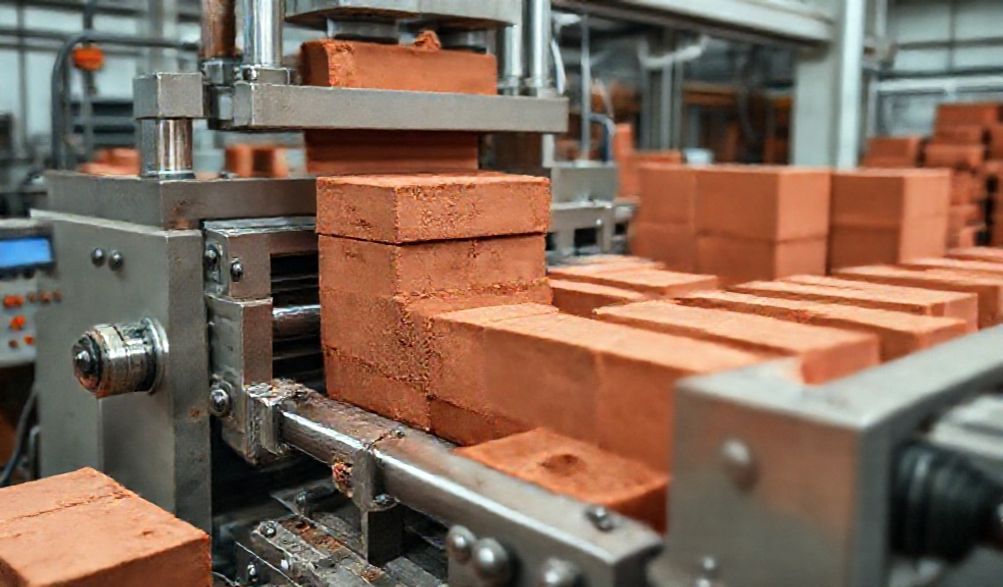
Ultima Ductor ad Machinas Laterum Fictilium Faciendas: Genera, Commoda et Quomodo Eligere
Introductio
In aetate qua industria aedificandi materias sustinentes, durabiles, et parvi pretii constanter quaerit, una solutio perennis manet stabilis: later coctus. Per milia annorum, testa cocta columna domicilii humani fuit, a vetustis civilizationibus ad modernas urbium facies. Hodie, haec materia perennis renascentiam experitur, non casu sed technica innovatione in fabricatione impulsa. Moderna...Lateris fictilis fabricandae machinaHic machina huius renovationis est, terram rudem in partes aedificiorum praecise fabricatas cum efficientia et constantia inaudita transformans.
Hoc plenum ductorium fabricatum est pro negotiatoribus qui in materias constructionis inire conantur, constitutis dominis figlinarum qui provehi cupiunt, et procuratoribus operum qui maiorem potestatem in sua copia aedificandi quaerunt. Propositum nostrum est mundum machinarum laterum luteorum in lucem ponere. Per nucleum technologiae navigabimus, varia machinarum genera disponemus, eorum commoda palpabilia metiemur, et perspicuum ac agibile consilium praebebimus ad recta instrumenta pro singulis propositis tuis deligenda.
Hae sententiae ex altiore industriae indagine, ex ipsis fabricantium praeceptis, et ex congerie operandi peritiae collectae sunt. Propositum nostrum est vos certa ac fideli informatione instruere, ut intricatam pecuniae collocationis deliberationem in audacem consilii progressionem pro negotio vel incepto vestro convertatis.
Tegularum Laterum Fabricandi Technologiam Intellegere
Antequam in machinas pecuniam colloces, iter lateris et partes quas machina in quaque statione agit intellegere magni momenti est. Machinae modernae sunt rationes artificiosae quae processum saeculorum vetustum ad summum perducere destinantur.
Processus Principalis Productionis: Ab Crudo Luto ad Laterem Perfectum
Transformatio argillae umidae in laterem durum et structurale symphonia est quattuor partium, quarum unaquaeque ad qualitatem producti finalis critica est.
- Materiae Crudae Praeparatio:Omnia ab argilla incipiunt. Argilla lecta primum frangitur ut moles magnae comminuantur, tum aqua miscetur et interdum additivis (ut harena vel scobis ad contractionem minuendam) in mola figulari. Hic "temperationis" processus massam homogeneam, plasticam, cum constantia perfecta ad formandum creat.
- Formandi/Figendi Processus:Hoc est cor operis machinae. Argilla praeparata in formam cogitur, praecipue per unum e duobus modis:
- Extrusio:Argilla per foramen formae optatae a terebra valida impellitur, columnam continuam argillae efficiens quae in singulos lateres secatur. Hoc ad productionem magni numeri formarum usitatarum idoneum est.
- Compressio.Argilla in formam immittitur et sub alta pressione a pistone hydraulico vel mechanico comprimitur. Haec methodus saepe densiores et acutiores margines laterum efficit atque optima est ad pavimenta vel formas speciales.
- Siccatio:Tempus Criticum pro Robore. Lateres recentes "virides" fragilissimi sunt. Lente et aequaliter siccandi sunt ut umor tollatur sine rimis aut distortionibus. Hoc fieri potest in areis apertis siccatoriis (a tempestate pendentibus) aut in cellis siccatoriis moderatis ad effectus celeriores constantioresque.
- Ignis/Formacis Processus:Ad ultimam duritiem et firmitatem assequendam. Lateres desiccati in fornace cremantur inter temperaturas 900°C et 1200°C. Hoc lutum vitrificat, eisque dat permanentem robur, firmitatem, tempestatum resistentiam, et insignem colorem.
Elementa Clavaria Machinae Modernae Lateris Lutosi
Typica machina est integrum systema plurium partium praecipuarum.
- Extrudor vel Compressio Unit.Potestas centralis. Extrudens machina magnum dolium cum cochlea rotante praebet. Machina compressionis capsa gravis formae et arietem hydraulicum adhibet.
- Sectio Ratio:Ad machinas extrudendas, continua argillae columna secanda est. Hoc fit per systema secandi filis intentis (pro argilla molliore) vel laminis e metallo duro, synchronizatum ad massas exactae longitudinis producendas.
- Systemata Vectura ac TranslationesCingulorum et transmissionum rete materias rudes in machinam movet, lateres crudos ad aream siccandam exportat, et materias inter gradus in plantis automatis tractat.
- Tabulae Imperii & Facies AutomationisCerebrum operationis. Machinae hodiernae tabulas PLC (Programmabile Logicae Moderatoris) praebent, quae operariis parametra statuere, productionem monitorare, et difficultates dignoscere sinunt, qualitatem constantem et efficientiam confirmantes.
Types of Clay Block Making Machines
The market offers solutions for every scale of operation, from artisan workshops to industrial megaprojects. Your choice depends fundamentally on your production goals and budget.
Machinae Manuales et Semiautomaticae
These machines represent the entry point into block manufacturing, emphasizing flexibility over sheer output.
- Casibus Usus Optimis: Perfect for small-scale production, community-led housing projects, rural construction, or manufacturers specializing in custom, artistic, or non-standard block shapes.
- Pros:
- Inferior Collocatio Initialis Significantly more affordable, reducing financial barriers to entry.
- Simplicity & Flexibility: Easier to maintain and adjust for different products. Often use interchangeable molds.
- Lower Infrastructure Needs: Require less space and can often run on single-phase power.
- Incommodis:
- Higher Labor Intensity: Require multiple operators for material handling, feeding, and block removal.
- Lower Output & Consistency: Production is slower, and product quality can vary more with operator skill.
- Physical Demanding: The work is hands-on and can be strenuous.
Fully Automatic Clay Block Making Plants
These are complete, integrated production lines where raw clay enters one end, and finished, palletized blocks emerge from the other, with minimal human intervention.
- Casibus Usus Optimis: Medium to large-scale brick yards supplying regional construction markets, large infrastructure projects, or entrepreneurs focused on high-volume, standardized production.
- Pros:
- High, Predictable Output: Can produce tens of thousands of blocks per shift, enabling you to meet large orders and tight deadlines.
- Exceptionalis Constantia: Automation ensures every block has identical dimensions, density, and appearance.
- Laboris Impendium Minutum: One or two operators can manage the entire line, controlling it from a central panel.
- Integrated Processes: Often include automated handling, stacking, and even feeding to dryer/kiln systems.
- Incommodis:
- Significans Capitalis Collocatio: The upfront cost is substantial.
- Spatium et Infrastructura: Requires a large, dedicated facility with three-phase power, robust flooring, and sometimes special foundations.
- Technical Complexity: Requires trained personnel for operation and maintenance.
Mobile Clay Block Machines
Mounted on trailers or skids, these units bring the factory directly to the construction site.
- Casibus Usus Optimis: Large, remote construction projects (dams, remote housing), disaster relief housing, or situations where transporting finished blocks is prohibitively expensive.
- Pros:
- Eliminates Transport Costs: Manufacture blocks on-site using locally sourced clay, slashing logistics expenses.
- Project Versatility: Can be moved from one site to another as projects are completed.
- Rapid Deployment: Can be set up and made operational relatively quickly.
- Incommodis:
- Lower Capacity: Generally have lower output than stationary industrial plants.
- Site Dependency: Reliant on site access to water, power (often requiring a generator), and raw clay of suitable quality.
- Weather Vulnerability: Production can be disrupted by on-site weather conditions.
Top Benefits of Investing in a Clay Block Machine
Moving from being a purchaser to a producer of clay blocks unlocks a suite of strategic advantages that impact your bottom line, project timelines, and final build quality.
Economic and Operational Advantages
- Cost Efficiency per Block: While the initial outlay is high, the per-unit production cost of machine-made blocks is typically far lower than purchased blocks over time, especially at scale. You control the primary cost variables: raw material and energy.
- Production Speed and Deadline Control: Owning your production capacity decouples you from supplier lead times and market shortages. You can accelerate production to meet critical project milestones, giving you a powerful competitive edge.
- Reduced Supply Chain Dependency: You are no longer vulnerable to price fluctuations, delivery delays, or quality issues from third-party suppliers. This vertical integration adds resilience and predictability to your operations.
Quality and Performance Benefits
- Superior Control Over Specifications: You dictate the block’s density, compressive strength, and absorption rate by fine-tuning the clay mix, moisture content, and machine pressure. This allows you to produce blocks that exceed local standards for specific applications.
- Dimensional Consistency for Faster Construction: Machine-made blocks, especially from automatic lines, have near-perfect uniformity. This allows masons to work faster with thinner, more consistent mortar joints, leading to straighter walls, less waste, and reduced labor time on-site.
- Ability to Produce Custom Solutions: With access to different molds or dies, you can produce niche products—special shapes for corners or arches, branded pavers, or hollow blocks with specific insulation properties—catering to specialized markets and commanding higher margins.
Sustainability and Environmental Impact
- Natural and Abundant Material: Clay is a locally available, natural resource. Using it reduces the need for energy-intensive materials like concrete.
- Energy-Efficient Modern Systems: Contemporary kilns and dryers are designed to recycle heat and use cleaner fuels, significantly reducing the carbon footprint compared to older clamp kilns.
- Durability Equals Sustainability: Clay blocks create structures that last for centuries with minimal maintenance. They are non-combustible, resistant to pests and rot, and have excellent thermal mass, contributing to energy-efficient buildings over their entire lifecycle. This embodies the principle of “build once, build well.”
How to Choose the Right Machine for Your Needs
Selecting a machine is not about buying the most powerful one; it’s about finding the perfect fit for your unique situation. This decision-making framework will guide you.
Tuas Exigentias Productionis Perpendens
Begin by answering these foundational questions with realistic, data-driven answers:
- What is my required output in blocks per day or month? (Base this on confirmed orders, market study, and growth projections).
- What is the scale and nature of my projects or target market? (Low-cost housing, high-end villas, commercial infrastructure?).
- What types of blocks do I need to produce? (Solid, hollow, perforated, paving bricks, special shapes?).
- What is the quality and availability of my raw clay source?
Critical Machine Specifications to Compare
With your needs defined, compare machines using these tangible metrics:
- Productio Capacitas (Cubi per Horam): Ensure the machine’s rated capacity exceeds your peak demand to allow for maintenance and downtime. Remember, capacity varies by block type.
- Potestatis Postulata: Check voltage (single or three-phase), total connected load (in kW), and any hydraulic power pack needs. Can your site infrastructure support it?
- Gradus Automationis: Balance the higher cost of full automation against the long-term savings in labor and gains in consistency. How many operators are needed?
- Footprint and Space: Measure the machine’s dimensions and add space for material storage, block drying/curing, and operator access. Don’t forget vertical clearance if needed.
Supplier Evaluation and Post-Purchase Support
The machine is only as good as the company behind it. This is where long-term risk is managed.
- Manufacturer Reputation: Research the company’s history, number of installations, and client testimonials. Look for manufacturers with a proven track record in your region or with your type of clay.
- Technical Support & Training: Confirm that the supplier provides comprehensive installation supervision, thorough operator training, and readily available technical support (phone, online, or on-site).
- Warranty and Spare Parts: Scrutinize the warranty terms. Crucially, ensure that wear parts (molds, cutting wires, auger tips) are readily available for purchase. A machine waiting weeks for a spare part is a major financial loss.
Operational Best Practices and Maintenance
Protecting your investment requires a disciplined approach to operation and care. A well-maintained machine ensures safety, productivity, and longevity.
Ensuring Safe and Efficient Operation
- Comprehensiva Operantium Institutio: No one should operate the machine without formal training on startup/shutdown procedures, normal operations, and emergency protocols.
- Routine Safety Checks: Implement a pre-shift checklist: inspect guards and safety interlocks, check for hydraulic leaks, ensure emergency stop buttons are functional, and verify that all moving parts are clear.
Preventive Maintenance Checklist
Adhering to a scheduled maintenance plan prevents catastrophic failures.
- Daily: Lubricate all grease points as per the manual, clean excess clay from the extruder mouth, cutting zone, and conveyors, and check belt tensions.
- Weekly: Inspect wear parts like cutting wires, auger tips, and mold liners for damage. Check hydraulic fluid levels and filter condition. Tighten any loose bolts or fittings.
- Monthly: Perform a more thorough inspection of motors, gearboxes, and electrical connections. Calibrate sensors on automated systems.
Troubleshooting Common Issues
- Block Cracking or Warping: Usually points to issues in the drying phase—too fast, uneven, or improper clay preparation (incorrect moisture or tempering).
- Machine Jams or Poor Extrusion: Often caused by foreign material (stones, metal) in the clay, overly dry/stiff clay feed, or a worn auger/barrel in an extruder. Regular raw material screening is essential.
FAQ Sectio
Q: What is the average production output of a medium-capacity automatic clay block machine?
A: Output varies significantly by model and block type. A typical medium-capacity automatic plant can produce between 8,000 to 20,000 standard solid blocks (e.g., 200mm x 100mm x 100mm) per 8-hour shift.
Q: What kind of clay is best suited for block making machines?
A: Machines are versatile, but the ideal clay has good plasticity (so it molds well) and minimal impurities like large stones or organic matter. A blend of different clays or adding sand is common. A professional soil test is highly recommended before purchase to ensure compatibility.
Q: How much space is needed to set up a clay block production line?
A: Space needs vary dramatically. A small semi-automatic line with open-air drying might need 500-1,000 sq. meters. A full automatic plant with integrated chamber dryers and a tunnel kiln is an industrial facility that may require 5,000 to 10,000+ sq. meters of covered and uncovered space.
Q: What is the typical ROI (Return on Investment) period for such machinery?
A: There is no single answer. For a well-utilized, medium-scale automatic plant in a region with strong construction demand, a ROI period of 2 to 5 years is a common benchmark. It depends entirely on your operational efficiency, local block prices, and production capacity utilization.
Q: Can these machines produce different types of blocks, like paving or hollow blocks?
A: Absolutely. This is a key advantage. Most machines use interchangeable molds or dies. By switching these out, the same base machine can produce a range of products: solid wall blocks, hollow blocks, paving bricks, veneer bricks, and even custom architectural shapes.
Conclusio.
EligereLateris fictilis fabricandae machina is a pivotal decision that extends far beyond a simple equipment purchase. It is an investment in the foundational quality of your builds, the long-term sustainability of your business, and your autonomy within the construction supply chain. We’ve explored the intricate technology that powers modern production, the spectrum of machines available from manual to fully automatic, and the compelling economic and qualitative benefits of bringing production in-house.
The path forward requires aligning a clear understanding of your production needs with the technical specifications of available machinery, all while partnering with a reputable supplier known for robust support. The right machine does more than make blocks; it builds opportunity, resilience, and legacy.
Ready to move forward? We recommend contacting several reputable manufacturers with your specific project details and production goals to request detailed quotations and, if possible, factory visit opportunities. For further, personalized guidance on matching a machine to your local clay characteristics and market conditions, consider consulting with an independent industry specialist or engineer.
In a world seeking sustainable building solutions, the marriage of ancient clay with modern machinery offers a proven, powerful, and profitable path. By investing in the right equipment, you are not just buying a machine—you are harnessing the enduring potential of the earth to build a stronger future.
<