
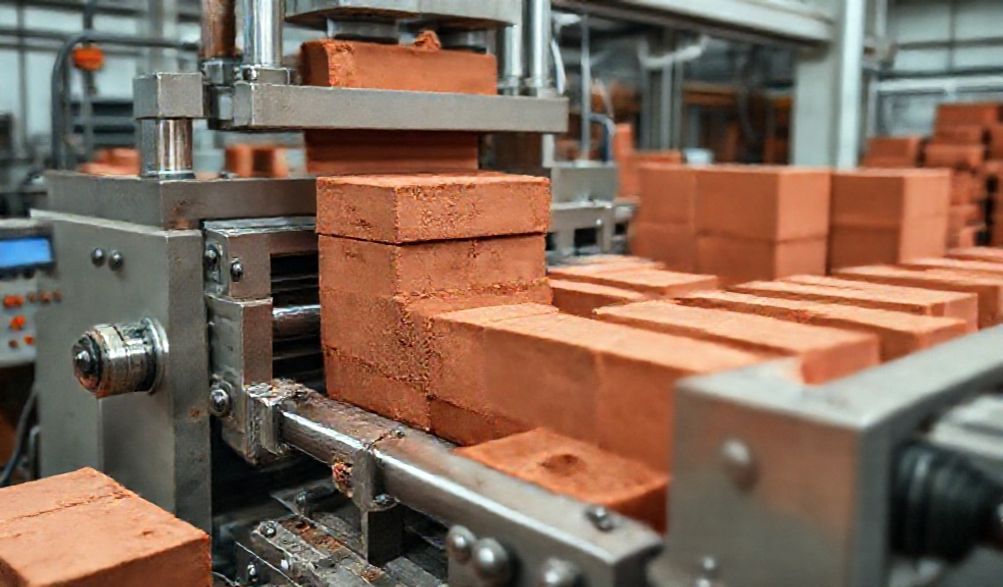
클레이 블록 제조 기계의 궁극적인 가이드: 종류, 장점 및 선택 방법
소개
건축 산업이 지속 가능하고 내구성 있으며 비용 효율적인 건축 자재를 끊임없이 찾고 있는 시대에, 하나의 시대를 초월한 해결책이 여전히 확고히 자리 잡고 있습니다: 바로 클레이 블록입니다. 수천 년 동안 소성된 점토는 고대 문명부터 현대 도시 경관에 이르기까지 인간의 보금자리의 중추 역할을 해왔습니다. 오늘날, 이 오래된 재료는 우연이 아닌 제조 기술의 혁신에 힘입어 르네상스를 맞이하고 있습니다. 현대의점토 블록 제조 기계이 부흥의 핵심은 엔진과도 같아, 원료인 흙을 전례 없이 효율적이고 일관성 있게 정밀하게 설계된 건축 부품으로 변환합니다.
이 포괄적인 가이드는 건설 자재 분야에 진출하려는 기업가들, 시설을 업그레이드하려는 기존 벽돌 공장 소유주들, 그리고 건축 자재 공급에 대한 통제력을 높이고자 하는 프로젝트 관리자들을 위해 제작되었습니다. 우리의 목적은 점토 블록 기계의 세계를 쉽게 이해하도록 돕는 것입니다. 핵심 기술을 살펴보고, 사용 가능한 다양한 기계 유형을 분석하며, 실질적인 이점을 수치화하고, 여러분의 특정 목표에 맞는 적절한 장비를 선택하기 위한 명확하고 실행 가능한 프레임워크를 제공할 것입니다.
여기에 제시된 통찰은 심층적인 산업 분석, 직접적인 제조업체 사양, 그리고 축적된 운영 지식으로부터 종합되었습니다. 우리의 목표는 정확하고 신뢰할 수 있는 정보를 제공함으로써, 복잡한 자본 투자 결정을 귀하의 비즈니스나 프로젝트를 위한 확신에 찬 전략적 행보로 전환하는 데 있습니다.
점토 블록 제작 기술 이해하기
점토 블록의 여정과 각 단계에서 기계가 하는 역할을 이해하는 것은 기계에 투자하기 전에 매우 중요합니다. 현대식 기계는 수세기 된 공정을 최적화하도록 설계된 정교한 시스템입니다.
핵심 생산 공정: 원료 점토에서 완성된 블록까지
축축한 점토가 단단한 구조용 블록으로 변모하는 과정은 네 단계의 교향곡과 같으며, 각 단계는 최종 제품의 품질에 결정적입니다.
- 원자재 준비모든 것은 점토에서 시작됩니다. 선별된 점토는 먼저 큰 덩어리를 분쇄한 후, 물과 때로는 첨가물(수축을 줄이기 위한 모래나 톱밥 등)을 혼합기에서 섞습니다. 이 '반죽' 과정은 성형에 적합한 균일한 가소성 덩어리를 만들어냅니다.
- 성형/주조 공정:이것이 기계 작업의 핵심입니다. 준비된 점토는 주로 두 가지 방법 중 하나를 통해 강제로 성형됩니다.
- 압출점토는 강력한 오거를 통해 원하는 프로필의 다이로 밀려나가, 연속적인 점토 기둥을 형성한 후 개별 블록으로 절단됩니다. 이 방법은 표준 형상의 대량 생산에 이상적입니다.
- 압축점토를 몰드에 투입한 후 유압식 또는 기계식 램으로 고압 하에 압축됩니다. 이 방법은 종종 더 밀도가 높고 날카로운 모서리를 가진 블록을 생산하며, 포장재나 특수 형상 제작에 탁월합니다.
- 건조:강도 형성의 결정적 단계. 갓 성형된 '생' 블록은 매우 취약합니다. 균일하게 서서히 건조시켜 균열이나 뒤틀림 없이 수분을 제거해야 합니다. 이는 날씨에 좌우되는 야외 건조장이나 더 빠르고 일관된 결과를 위한 조절된 챔버 건조기에서 수행될 수 있습니다.
- 소성/가마솥 공정:최종 경도와 내구성 확보. 건조된 블록은 900°C에서 1200°C 사이의 온도로 가마에서 소성됩니다. 이 과정에서 점토가 유리화되어 블록에 영구적인 강도, 내구성, 내후성 및 상징적인 색상을 부여합니다.
현대식 점토 블록 기계의 주요 구성 요소
일반적인 기계는 여러 핵심 구성 요소로 이루어진 통합 시스템입니다.
- 압출기 또는 압축 장치:핵심 동력원. 압출기는 회전하는 오거가 있는 큰 배럴을 특징으로 합니다. 압축 기계는 견고한 몰드 박스와 유압 램을 사용합니다.
- 커팅 시스템:압출기의 경우, 연속적인 점토 기둥을 절단해야 합니다. 이는 팽팽한 와이어(더 부드러운 점토용) 또는 경질 금속 블레이드를 사용하는 절단 시스템을 통해 이루어지며, 정확한 길이의 블록을 생산하기 위해 동기화됩니다.
- 컨베이어 및 이송 시스템:在自动化工厂中,由传送带和转运系统组成的网络,用于将原材料送入机器,将生坯砖块运至干燥区域,并在各工艺阶段之间搬运物料。
- 제어 패널 및 자동화 인터페이스:작업의 두뇌. 현대 기계에는 PLC(프로그래머블 로직 컨트롤러) 패널이 탑재되어 있어 운영자가 매개변수를 설정하고, 생산을 모니터링하며, 문제를 진단함으로써 일관된 품질과 효율성을 보장할 수 있습니다.
점토 블록 제조 기계의 종류
The market offers solutions for every scale of operation, from artisan workshops to industrial megaprojects. Your choice depends fundamentally on your production goals and budget.
수동 및 반자동 기계
These machines represent the entry point into block manufacturing, emphasizing flexibility over sheer output.
- 이상적인 사용 사례: Perfect for small-scale production, community-led housing projects, rural construction, or manufacturers specializing in custom, artistic, or non-standard block shapes.
- 장점:
- 낮은 초기 투자 비용 Significantly more affordable, reducing financial barriers to entry.
- Simplicity & Flexibility: Easier to maintain and adjust for different products. Often use interchangeable molds.
- Lower Infrastructure Needs: Require less space and can often run on single-phase power.
- 단점:
- Higher Labor Intensity: Require multiple operators for material handling, feeding, and block removal.
- Lower Output & Consistency: Production is slower, and product quality can vary more with operator skill.
- Physical Demanding: The work is hands-on and can be strenuous.
Fully Automatic Clay Block Making Plants
These are complete, integrated production lines where raw clay enters one end, and finished, palletized blocks emerge from the other, with minimal human intervention.
- 이상적인 사용 사례: Medium to large-scale brick yards supplying regional construction markets, large infrastructure projects, or entrepreneurs focused on high-volume, standardized production.
- 장점:
- High, Predictable Output: Can produce tens of thousands of blocks per shift, enabling you to meet large orders and tight deadlines.
- 탁월한 일관성: Automation ensures every block has identical dimensions, density, and appearance.
- 노동 비용 절감 One or two operators can manage the entire line, controlling it from a central panel.
- Integrated Processes: Often include automated handling, stacking, and even feeding to dryer/kiln systems.
- 단점:
- Significant Capital Investment: The upfront cost is substantial.
- Space and Infrastructure: Requires a large, dedicated facility with three-phase power, robust flooring, and sometimes special foundations.
- Technical Complexity: Requires trained personnel for operation and maintenance.
Mobile Clay Block Machines
Mounted on trailers or skids, these units bring the factory directly to the construction site.
- 이상적인 사용 사례: Large, remote construction projects (dams, remote housing), disaster relief housing, or situations where transporting finished blocks is prohibitively expensive.
- 장점:
- Eliminates Transport Costs: Manufacture blocks on-site using locally sourced clay, slashing logistics expenses.
- Project Versatility: Can be moved from one site to another as projects are completed.
- Rapid Deployment: Can be set up and made operational relatively quickly.
- 단점:
- Lower Capacity: Generally have lower output than stationary industrial plants.
- Site Dependency: Reliant on site access to water, power (often requiring a generator), and raw clay of suitable quality.
- Weather Vulnerability: Production can be disrupted by on-site weather conditions.
Top Benefits of Investing in a Clay Block Machine
Moving from being a purchaser to a producer of clay blocks unlocks a suite of strategic advantages that impact your bottom line, project timelines, and final build quality.
Economic and Operational Advantages
- Cost Efficiency per Block: While the initial outlay is high, the per-unit production cost of machine-made blocks is typically far lower than purchased blocks over time, especially at scale. You control the primary cost variables: raw material and energy.
- Production Speed and Deadline Control: Owning your production capacity decouples you from supplier lead times and market shortages. You can accelerate production to meet critical project milestones, giving you a powerful competitive edge.
- Reduced Supply Chain Dependency: You are no longer vulnerable to price fluctuations, delivery delays, or quality issues from third-party suppliers. This vertical integration adds resilience and predictability to your operations.
Quality and Performance Benefits
- Superior Control Over Specifications: You dictate the block’s density, compressive strength, and absorption rate by fine-tuning the clay mix, moisture content, and machine pressure. This allows you to produce blocks that exceed local standards for specific applications.
- Dimensional Consistency for Faster Construction: Machine-made blocks, especially from automatic lines, have near-perfect uniformity. This allows masons to work faster with thinner, more consistent mortar joints, leading to straighter walls, less waste, and reduced labor time on-site.
- Ability to Produce Custom Solutions: With access to different molds or dies, you can produce niche products—special shapes for corners or arches, branded pavers, or hollow blocks with specific insulation properties—catering to specialized markets and commanding higher margins.
Sustainability and Environmental Impact
- Natural and Abundant Material: Clay is a locally available, natural resource. Using it reduces the need for energy-intensive materials like concrete.
- Energy-Efficient Modern Systems: Contemporary kilns and dryers are designed to recycle heat and use cleaner fuels, significantly reducing the carbon footprint compared to older clamp kilns.
- Durability Equals Sustainability: Clay blocks create structures that last for centuries with minimal maintenance. They are non-combustible, resistant to pests and rot, and have excellent thermal mass, contributing to energy-efficient buildings over their entire lifecycle. This embodies the principle of “build once, build well.”
How to Choose the Right Machine for Your Needs
Selecting a machine is not about buying the most powerful one; it’s about finding the perfect fit for your unique situation. This decision-making framework will guide you.
생산 요구사항 평가하기
Begin by answering these foundational questions with realistic, data-driven answers:
- What is my required output in blocks per day or month? (Base this on confirmed orders, market study, and growth projections).
- What is the scale and nature of my projects or target market? (Low-cost housing, high-end villas, commercial infrastructure?).
- What types of blocks do I need to produce? (Solid, hollow, perforated, paving bricks, special shapes?).
- What is the quality and availability of my raw clay source?
Critical Machine Specifications to Compare
With your needs defined, compare machines using these tangible metrics:
- 생산 능력(시간당 블록 수): Ensure the machine’s rated capacity exceeds your peak demand to allow for maintenance and downtime. Remember, capacity varies by block type.
- 전력 요구 사항 Check voltage (single or three-phase), total connected load (in kW), and any hydraulic power pack needs. Can your site infrastructure support it?
- 자동화 수준 Balance the higher cost of full automation against the long-term savings in labor and gains in consistency. How many operators are needed?
- Footprint and Space: Measure the machine’s dimensions and add space for material storage, block drying/curing, and operator access. Don’t forget vertical clearance if needed.
Supplier Evaluation and Post-Purchase Support
The machine is only as good as the company behind it. This is where long-term risk is managed.
- Manufacturer Reputation: Research the company’s history, number of installations, and client testimonials. Look for manufacturers with a proven track record in your region or with your type of clay.
- Technical Support & Training: Confirm that the supplier provides comprehensive installation supervision, thorough operator training, and readily available technical support (phone, online, or on-site).
- Warranty and Spare Parts: Scrutinize the warranty terms. Crucially, ensure that wear parts (molds, cutting wires, auger tips) are readily available for purchase. A machine waiting weeks for a spare part is a major financial loss.
Operational Best Practices and Maintenance
Protecting your investment requires a disciplined approach to operation and care. A well-maintained machine ensures safety, productivity, and longevity.
Ensuring Safe and Efficient Operation
- 종합 운영자 교육 No one should operate the machine without formal training on startup/shutdown procedures, normal operations, and emergency protocols.
- Routine Safety Checks: Implement a pre-shift checklist: inspect guards and safety interlocks, check for hydraulic leaks, ensure emergency stop buttons are functional, and verify that all moving parts are clear.
Preventive Maintenance Checklist
Adhering to a scheduled maintenance plan prevents catastrophic failures.
- Daily: Lubricate all grease points as per the manual, clean excess clay from the extruder mouth, cutting zone, and conveyors, and check belt tensions.
- Weekly: Inspect wear parts like cutting wires, auger tips, and mold liners for damage. Check hydraulic fluid levels and filter condition. Tighten any loose bolts or fittings.
- Monthly: Perform a more thorough inspection of motors, gearboxes, and electrical connections. Calibrate sensors on automated systems.
Troubleshooting Common Issues
- Block Cracking or Warping: Usually points to issues in the drying phase—too fast, uneven, or improper clay preparation (incorrect moisture or tempering).
- Machine Jams or Poor Extrusion: Often caused by foreign material (stones, metal) in the clay, overly dry/stiff clay feed, or a worn auger/barrel in an extruder. Regular raw material screening is essential.
FAQ Section
Q: What is the average production output of a medium-capacity automatic clay block machine?
A: Output varies significantly by model and block type. A typical medium-capacity automatic plant can produce between 8,000 to 20,000 standard solid blocks (e.g., 200mm x 100mm x 100mm) per 8-hour shift.
Q: What kind of clay is best suited for block making machines?
A: Machines are versatile, but the ideal clay has good plasticity (so it molds well) and minimal impurities like large stones or organic matter. A blend of different clays or adding sand is common. A professional soil test is highly recommended before purchase to ensure compatibility.
Q: How much space is needed to set up a clay block production line?
A: Space needs vary dramatically. A small semi-automatic line with open-air drying might need 500-1,000 sq. meters. A full automatic plant with integrated chamber dryers and a tunnel kiln is an industrial facility that may require 5,000 to 10,000+ sq. meters of covered and uncovered space.
Q: What is the typical ROI (Return on Investment) period for such machinery?
A: There is no single answer. For a well-utilized, medium-scale automatic plant in a region with strong construction demand, a ROI period of 2 to 5 years is a common benchmark. It depends entirely on your operational efficiency, local block prices, and production capacity utilization.
Q: Can these machines produce different types of blocks, like paving or hollow blocks?
A: Absolutely. This is a key advantage. Most machines use interchangeable molds or dies. By switching these out, the same base machine can produce a range of products: solid wall blocks, hollow blocks, paving bricks, veneer bricks, and even custom architectural shapes.
결론
선택하기점토 블록 제조 기계 is a pivotal decision that extends far beyond a simple equipment purchase. It is an investment in the foundational quality of your builds, the long-term sustainability of your business, and your autonomy within the construction supply chain. We’ve explored the intricate technology that powers modern production, the spectrum of machines available from manual to fully automatic, and the compelling economic and qualitative benefits of bringing production in-house.
The path forward requires aligning a clear understanding of your production needs with the technical specifications of available machinery, all while partnering with a reputable supplier known for robust support. The right machine does more than make blocks; it builds opportunity, resilience, and legacy.
Ready to move forward? We recommend contacting several reputable manufacturers with your specific project details and production goals to request detailed quotations and, if possible, factory visit opportunities. For further, personalized guidance on matching a machine to your local clay characteristics and market conditions, consider consulting with an independent industry specialist or engineer.
In a world seeking sustainable building solutions, the marriage of ancient clay with modern machinery offers a proven, powerful, and profitable path. By investing in the right equipment, you are not just buying a machine—you are harnessing the enduring potential of the earth to build a stronger future.
<