
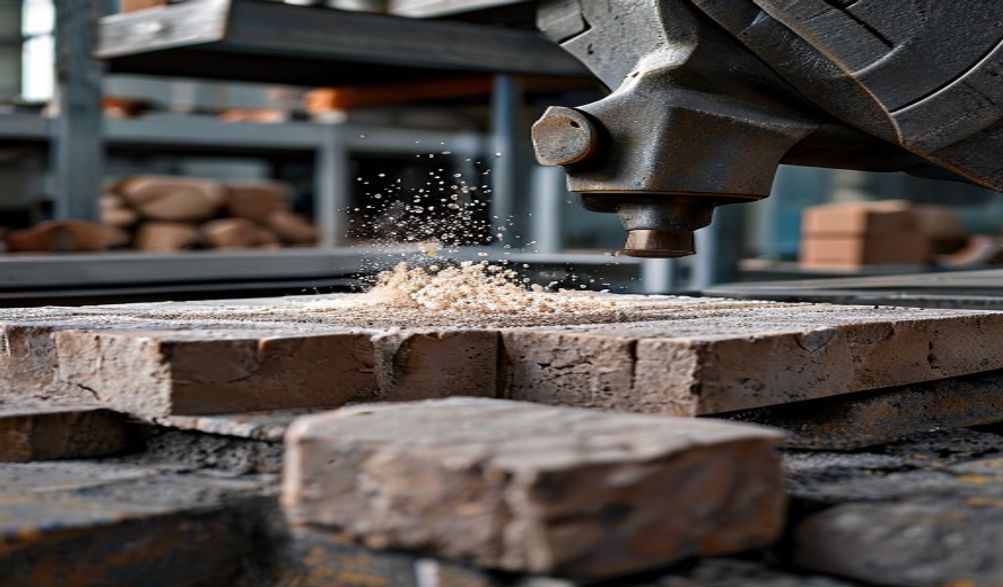
Кірпіш жасау машинасын қалай таңдау керек: Толық сатып алушы нұсқаулығы
Кіріспе
Сіз кірпіш жеткізуді өз қолыңызға алуды шештіңіз. Мүмкін, сіз сенімсіз жеткізушілерден шаршаған подрядчиксіз, құрылыс өрлеуін көздеген кәсіпкерсіз немесе шығындар мен уақытты қысқартқысы келетін девелоперсіз. Сіз кірпіш жасау машиналарын зерттейтін отырып, бірнеше минут ішінде опциялардың теңізінде суға батасыз. Қолмен жұмыс істейтін, автоматты, гидравликалық, бетондық, сазды, сағатына 100-ден 10 000-ға дейін кірпіш шығаратын және бағалары да соншалықты алуан түрлі машиналар. Шатасу шынайы, ал тәуекел жоғары — бұл өте маңызды сатып алу емес, бұл сіздің жобаңыздың немесе бизнесіңіздің болашағына бағытталған шешуші инвестиция.
Бұл нұсқаулық сол шуға қарсы арналған. Ондағы онжылдықтар бойы жинақталған сала тәжірибесі, инженерлік қағидаттар мен тәжірибе арқылы алынған операциялық білімдерге сүйене отырып, біз сіздің шешіміңіз үшін анық, сатылы құрылымды ұсынамыз. Біздің мақсатымыз – белгілі бір машинаны сату емес, сізге сенімді, тиімді және стратегиялық таңдау жасауға қажетті объективті критерийлермен қамтамасыз ету. Біз жылтыр буклеттерден асып, нақты жетістікті анықтайтын маңызды факторларға тереңірек үңілеміз: сіздің жобаңыздың ерекше қажеттіліктері, машиналардың әртүрлі түрлері, негізгі техникалық сипаттамалар және жиі ескерілмейтін меншік құнының ұзақ мерзімді шығындары. Сіздің шешіміңіз үшін сенімді негіз құрайық.
Сіздің жоба талаптарыңызды түсіну: Таңдауыңыздың негізі
Бір машинаның буклетіне көз салмас бұрын, алдымен өз ішіңе қарауың керек. Нарықтағы ең озық, қымбат машина да, егер ол сіздің нақты жағдайыңызға сәйкес келмесе, сәтсіздікке ұшырайды. Бұл бастапқы өзін-өзі бағалау - міндетті түрде жасалатын алғашқы қадам.
Өндіріс мақсаттарыңызды анықтау
Көлем патша. Бұлыңғыр мақсаттар нашар сатып алуларға әкеледі. Сандармен нақты болыңыз:
* Шығару жылдамдығы:Нақты қажеттілігіңізді есептеңізсағатта, ауысымда немесе айына кірпіш саны.Бұл бір 50 000 кірпішті тұрғын үй жобасы үшін бе, әлде үздіксіз коммерциялық жеткізу үшін бе?
* Жоба ауқымы:Операцияңызды жіктеңіз.
* Кіші көлемді:Жеке пайдалануға, шағын шаруашылық жобаларына, өте жергілікті саудаға арналған.
* Орташа ауқымды:Тұрақты коммерциялық құрылыс, жергілікті құрылысшыларды қамтамасыз ету, арнайы кірпіш жасау бизнесін бастау.
* Кең ауқымдыӨнеркәсіп өндірісі, ірі мердігерлерді жабдықтау немесе экспортқа бағытталған өндіріс.
* Бизнес-модель:Бұл бір реттік жоба сатып алу ма, әлде ұзақ мерзімді бизнестің негізгі активі ме? Сіздің жауабыңыз төзімділік пен инвестицияның қайтарымына қойылатын талаптарға айтарлықтай әсер етеді.
Кірпіш түрі мен сипаттамасын анықтау
Машина әлбетте өндіруі керек.оңкірпіш, тек қанаaкірпіш.
* Кірпіш түрі:Сіз не өндіресіз?
* Қатты кірпіштер:Жалпы құрылыс үшін.
* Қуыс кірпіштер:Жеңілірек, жақсы оқшаулау.
* Ілмек тақташалар:Құрғақ қалау құрылысы үшін ерітіндіні пайдалануды азайту.
* Тротуар тақталары:Жолдар, жаяу жолдар, алаңдар үшін.
* Ұшқан күл кірпіштері:Экологиялық таза, өндірістік қалдықтарды пайдалану.
* Негізгі сипаттамалары:Қажетті өлшемдерді, қысу беріктігін (мысалы, 7 Н/мм², 10 Н/мм²) және беттік өңдеуді анықтаңыз. Бұл талап етілмейтін шарт емес.
* Compliance: The produced bricks must meet local building codes and standards. A machine that can’t achieve this is useless.
Сіздің шикізаттарыңызды бағалау
The machine is a transformer; your raw material is the input. The two must be compatible.
* Негізгі материал: Is it clay, concrete (cement, sand, aggregate), fly ash, or a soil-cement mix? Machine design varies for each.
* Availability & Cost: Secure a consistent, affordable supply. Your machine’s efficiency depends on it.
* Материалдың қасиеттері: Pay attention to moisture content, granulometry (particle size), and consistency. Some machines are sensitive to variations, while others are more forgiving.
Types of Brick Making Machines: Mechanisms and Applications
Now, with your needs defined, we can explore the three main categories of machines. Each represents a different balance of capital investment, labor, and output.
Қолдан жасалған кірпіш жасау машиналары
These are the simplest form of brick production technology.
* Олар қалай жұмыс істейді: Operated by human labor using a lever system to apply pressure into a mold. They are often mobile and require no external power.
* Артықшылықтары:
* Extremely low initial cost.
* Minimal to no maintenance.
* Zero operating energy costs.
* Highly portable.
* Кемшіліктері:
* Very low output (e.g., 100-500 bricks per day).
* Highly labor-intensive and physically demanding.
* Inconsistent brick quality and density.
* Үздік: Extremely tight budgets, one-off personal projects in remote locations without reliable electricity, or as a supplementary proof-of-concept tool.
Жартылай автоматты кірпіш жасау машиналары
This category offers the best “sweet spot” for most small to medium enterprises (SMEs).
* Олар қалай жұмыс істейді: They use a powered system (hydraulic or mechanical) to apply high pressure for molding. Operators manually feed the raw material mix and remove the finished bricks, but the core compression cycle is automated.
* Артықшылықтары:
* Excellent balance of output and affordability.
* Significantly better quality consistency and strength than manual machines.
* More efficient use of labor.
* Moderate energy consumption.
* Кемшіліктері:
* Still requires a consistent operational crew.
* Output is lower than fully automated lines.
* Үздік: Small to medium businesses, construction companies making bricks for their own projects, and entrepreneurs starting a brick manufacturing venture. Models like stationary hydraulic press machines fall here.
Толық автоматты кірпіш жасау машиналары
These are complete production systems, representing the peak of efficiency and output.
* Олар қалай жұмыс істейді: These are PLC-controlled lines where the raw material is automatically fed, precisely measured, molded under high pressure, cured, and stacked by robotic palletizers—all with minimal human intervention.
* Артықшылықтары:
* Very high, consistent output (thousands of bricks per hour).
* Exceptional product uniformity and quality control.
* Drastically reduced labor requirements.
* High overall operational efficiency.
* Кемшіліктері:
* Very high initial capital investment.
* Complex maintenance requiring specialized skills.
* Requires a large, dedicated space and stable, high-capacity power supply.
* Үздік: Large-scale production plants, high-volume businesses supplying major markets, and export-oriented manufacturers where scale and consistency are paramount.
Key Technical Specifications to Scrutinize
When comparing machines within your chosen category, these technical details separate the robust from the unreliable.
Production Capacity and Cycle Time
- Look Beyond the Brochure: A “2,000 bricks per hour” claim might be a theoretical maximum under perfect conditions. Ask for real-world, sustained output data.
- Cycle Time is Key: This is the total time for one complete molding cycle (fill, compress, eject). A faster cycle time directly translates to higher real-world capacity. A machine with a 15-second cycle is 50% more productive than one with a 22-second cycle.
Pressure and Power
- Hydraulic Pressure (Tonnage): This is the most critical factor for brick strength. Higher pressure compacts the raw material more densely, resulting in bricks with higher compressive strength and lower water absorption. For concrete blocks, 100+ tons is common; for high-strength bricks, look for more.
- Motor Power (kW/HP): This determines the machine’s ability to deliver that pressure consistently. An underpowered motor will struggle, overheat, and fail prematurely. Ensure the motor power is appropriately matched to the claimed pressure.
Mold Customization and Versatility
- Interchangeability: Can you easily switch molds to produce different brick types (e.g., from solid to hollow to paving bricks)? This future-proofs your investment.
- Қалып сапасы: Molds endure incredible wear. Inquire about the steel grade (e.g., hardened chromium steel) and the hardening process. Cheap molds wear out quickly, leading to defective bricks and frequent, costly replacements.
- Арнайы қалыптар: If you need a proprietary brick design, confirm the supplier can manufacture custom molds, and understand the cost and lead time involved.
Beyond the Machine: Operational and Support Factors
The machine itself is only part of the equation. Ignoring these factors is the most common and costly mistake buyers make.
Space, Power, and Utility Requirements
- Floor Space: Account for the machine’s footprint plus space for raw material storage, brick curing (which can require significant area for days), and finished product storage.
- Қуат көзі: Confirm the voltage and phase (e.g., 380V, 3-phase) required. A fully automatic line may need a dedicated transformer.
- Utilities: Does the process require a consistent water supply for mixing or curing? Do pneumatic systems require an industrial air compressor?
Меншіктің нақты құны
Think in terms of total lifecycle cost, not just purchase price.
* Initial Price: Just the entry ticket.
* Operating Costs: Include labor wages, energy consumption per brick, and raw material efficiency (does the machine have high waste?).
* Техникалық қызмет көрсету шығындары: What is the cost and availability of critical spare parts like hydraulic seals, pumps, and PLC components? A cheap machine with expensive, imported parts is a liability.
* The Crucial Point: The machine with the lowest sticker price often has the highest total cost of ownership due to downtime, high energy use, and expensive repairs.
Manufacturer and After-Sales Support
This is your safety net and a direct indicator of quality.
* Vetting the Supplier: Choose established manufacturers with a verifiable track record. Look for online reviews, ask for a client list, and seek out independent testimonials.
* Кепілдік: What is covered (parts, labor?) and for how long? A one-year comprehensive warranty is a good baseline.
* Техникалық қолдау: Do they offer installation supervision, on-site operator training, and remote troubleshooting support? This is vital for complex machines.
* Spare Parts Guarantee: Will they commit to supplying spare parts for the expected lifespan of the machine (e.g., 10+ years)? A supplier who disappears after the sale is a major red flag.
The Step-by-Step Selection Checklist
Use this actionable list to structure your procurement process:
1. Lock Down Specs: Finalize your required brick type, dimensions, strength, and daily/monthly volume.
2. Determine Automation Level: Based on volume and budget, decide on Manual, Semi-Auto, or Full-Auto.
3. Create a Shortlist: Identify 3-5 machine models from different brands that meet your core capacity and pressure needs.
4. Vet Manufacturers: Research the reputation, history, and support capabilities of each shortlisted supplier.
5. Request Detailed Quotes: Ask for formal quotations that include FOB price, shipping, insurance, installation, and training costs.
6. Check References: Ask each supplier for 2-3 customer references in a similar business and actually call them. Ask about performance, reliability, and support.
7. Calculate TCO: Perform a 3-year Total Cost of Ownership estimate for your top 2 choices, factoring in purchase, shipping, installation, estimated energy, labor, and maintenance.
8. Final Decision: Choose the option that offers the best long-term value, reliability, and partnership—not just the lowest initial price.
Жиі қойылатын сұрақтар (ЖҚС)
Q: What is the most important factor when choosing a brick making machine?
A: There’s no single factor. The most critical процесс is accurately matching the machine’s capabilities to your specific production goals and raw materials. A mismatch here leads to failure, regardless of the machine’s quality.
Q: How much does a good brick making machine cost?
A: Prices range dramatically from a few thousand dollars for a manual machine to hundreds of thousands for a fully automatic line. A reliable semi-automatic machine for a small business often starts in the $15,000 – $50,000 range, depending on capacity and features. Always budget for installation, training, and initial spare parts.
Q: Can one machine produce different types and sizes of bricks?
A: Yes, many machines are versatile, but this depends on the model. The key is interchangeable molds. Ensure the manufacturer offers (or can source) molds for the specific brick designs you want, and that changing them is a relatively straightforward process.
Q: Is after-sales service really that important?
A: Absolutely. It is as important as the machine itself. A complex machine without proper training, accessible spare parts, and technical support can become a very expensive paperweight. Prioritize suppliers with a proven track record of supporting their customers long after the sale.
Q: How do I know if a supplier is trustworthy?
A: Look for concrete evidence: years in business, verifiable client lists, video testimonials, and a physical address/factory you can potentially visit. Be wary of suppliers who only communicate via email, offer prices that seem too good to be true, or cannot provide clear technical documentation.
Қорытынды
Choosing a brick making machine is a strategic decision that goes far beyond comparing price tags. It requires a disciplined analysis of your own project requirements against the hard technical and operational realities of the equipment. By prioritizing long-term reliability, comprehensive manufacturer support, and total cost of ownership over the allure of a low sticker price, you invest in more than a machine—you invest in the foundation of a smooth-running, profitable operation.
Use this guide as your framework. Create a spreadsheet, fill it with the data from your shortlisted options, and methodically work through the checklist. By doing your due diligence, you transform a potentially overwhelming purchase into a confident investment in your future success. We wish you the very best in your brick-making venture.
<