
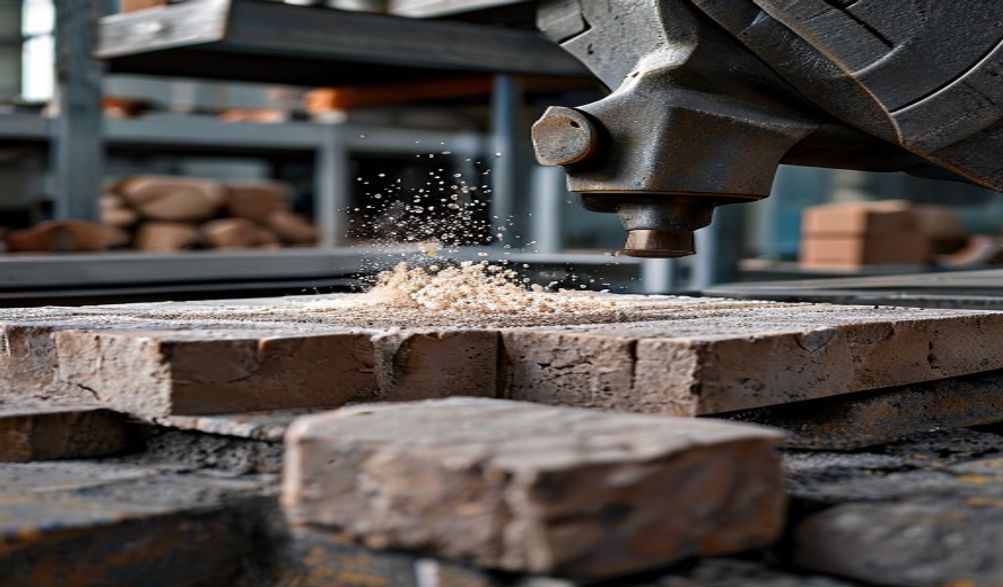
벽돌 제작기 선택 방법: 종합 구매자 가이드
소개
벽돌 공급을 직접 관리하기로 결정했습니다. 아마도 신뢰할 수 없는 공급업체에 지친 건설업자일 수도, 건설 호황을 노리는 기업가일 수도, 아니면 비용과 시간을 줄이려는 개발자일 수도 있습니다. 벽돌 제조 기계를 조사하려 앉았는데, 몇 분 만에 수많은 옵션에 휩싸이게 됩니다. 수동, 자동, 유압식, 콘크리트, 점토, 시간당 100개에서 10,000개까지 다양한 생산량, 그리고 그만큼이나 천차만별인 가격. 혼란은 현실이며, 위험도 큽니다—이는 사소한 구매가 아니라, 프로젝트나 비즈니스 미래를 좌우할 중대한 투자입니다.
이 가이드는 그런 잡음을 뚫고 나가도록 설계되었습니다. 수십 년에 걸친 산업 경험, 공학적 원리, 그리고 값진 운영 지식을 바탕으로, 당신의 결정을 위한 명확하고 단계별 프레임워크를 제공합니다. 우리의 목표는 특정 기계를 판매하는 것이 아니라, 당신이 확신을 가지고 비용 효율적이며 전략적인 선택을 할 수 있도록 객관적인 기준을 제시하는 데 있습니다. 화려한 브로셔를 넘어서, 실제 현장에서의 성공을 결정하는 중요한 요소들—당신의 고유한 프로젝트 요구사항, 다양한 유형의 기계들, 핵심 기술 사양, 그리고 종종 간과되는 장기적인 소유 비용—에 대해 깊이 파고들 것입니다. 당신의 결정을 위한 탄탄한 기초를 함께 세워봅시다.
프로젝트 요구사항 이해하기: 선택의 기초
단 하나의 기계 브로슈어도 살펴보기 전에, 먼저 자신을 들여다봐야 합니다. 시장에서 가장 진보하고 비싼 기계라도 당신의 구체적인 현실과 맞지 않는다면 실패작입니다. 이 초기의 자기 평가는 절대 건너뛸 수 없는 첫 번째 단계입니다.
생산 목표 설정하기
볼륨이 왕이다. 모호한 목표는 형편없는 구매로 이어진다. 숫자로 구체화하라.
* 출력률당신의 실제 필요를 계산하세요시간당, 교대당 또는 월당 벽돌 수.단일 50,000벽돌 주택 프로젝트용인가요, 아니면 지속적인 상업적 공급인가요?
* 프로젝트 규모귀하의 운영을 분류하세요.
* 소규모:개인용, 소규모 자작농 프로젝트, 매우 지역적인 판매.
* 중간 규모:일반 상업 건설, 지역 건축업자에 자재 공급, 전용 벽돌 제조 사업 시작.
* 대규모산업 생산, 대규모 계약자 공급, 또는 수출 지향적 제조업.
* 비즈니스 모델이것은 일회성 프로젝트 구매인가요, 아니면 장기 사업의 핵심 자산인가요? 귀하의 답변은 필요한 내구성과 투자 수익률에 큰 영향을 미칩니다.
벽돌 종류 및 규격 식별
기계는 반드시 생산해야 합니다.오른쪽벽돌, 그 이상의 의미a벽돌.
* 벽돌 종류:당신은 무엇을 제조할 것인가?
* 솔리드 브릭:일반 건설용.
* 홀로우 브릭:더 가볍고, 단열 성능이 더 좋습니다.
* 인터록킹 브릭스:드라이스택 건설을 위한 모르타르 사용량 절감
* 포장용 벽돌:차도, 인도, 파티오용
* 플라이 애시 벽돌:친환경, 산업 부산물 사용.
* 주요 사양: Determine the required dimensions, compressive strength (e.g., 7N/mm², 10N/mm²), and surface finish. This is non-negotiable.
* 준수 The produced bricks must meet local building codes and standards. A machine that can’t achieve this is useless.
원자재 평가하기
The machine is a transformer; your raw material is the input. The two must be compatible.
* 주요 재료: Is it clay, concrete (cement, sand, aggregate), fly ash, or a soil-cement mix? Machine design varies for each.
* Availability & Cost: Secure a consistent, affordable supply. Your machine’s efficiency depends on it.
* 재료 특성 Pay attention to moisture content, granulometry (particle size), and consistency. Some machines are sensitive to variations, while others are more forgiving.
Types of Brick Making Machines: Mechanisms and Applications
Now, with your needs defined, we can explore the three main categories of machines. Each represents a different balance of capital investment, labor, and output.
수동 벽돌 제조 기계
These are the simplest form of brick production technology.
* 그들은 어떻게 작동하는가: Operated by human labor using a lever system to apply pressure into a mold. They are often mobile and require no external power.
* 장점:
* Extremely low initial cost.
* Minimal to no maintenance.
* Zero operating energy costs.
* Highly portable.
* 단점:
* Very low output (e.g., 100-500 bricks per day).
* Highly labor-intensive and physically demanding.
* Inconsistent brick quality and density.
* 최적 대상: Extremely tight budgets, one-off personal projects in remote locations without reliable electricity, or as a supplementary proof-of-concept tool.
반자동 벽돌 제조 기계
This category offers the best “sweet spot” for most small to medium enterprises (SMEs).
* 그들은 어떻게 작동하는가: They use a powered system (hydraulic or mechanical) to apply high pressure for molding. Operators manually feed the raw material mix and remove the finished bricks, but the core compression cycle is automated.
* 장점:
* Excellent balance of output and affordability.
* Significantly better quality consistency and strength than manual machines.
* More efficient use of labor.
* Moderate energy consumption.
* 단점:
* Still requires a consistent operational crew.
* Output is lower than fully automated lines.
* 최적 대상: Small to medium businesses, construction companies making bricks for their own projects, and entrepreneurs starting a brick manufacturing venture. Models like stationary hydraulic press machines fall here.
완전 자동 벽돌 제작 기계
These are complete production systems, representing the peak of efficiency and output.
* 그들은 어떻게 작동하는가: These are PLC-controlled lines where the raw material is automatically fed, precisely measured, molded under high pressure, cured, and stacked by robotic palletizers—all with minimal human intervention.
* 장점:
* Very high, consistent output (thousands of bricks per hour).
* Exceptional product uniformity and quality control.
* Drastically reduced labor requirements.
* High overall operational efficiency.
* 단점:
* Very high initial capital investment.
* Complex maintenance requiring specialized skills.
* Requires a large, dedicated space and stable, high-capacity power supply.
* 최적 대상: Large-scale production plants, high-volume businesses supplying major markets, and export-oriented manufacturers where scale and consistency are paramount.
Key Technical Specifications to Scrutinize
When comparing machines within your chosen category, these technical details separate the robust from the unreliable.
Production Capacity and Cycle Time
- Look Beyond the Brochure: A “2,000 bricks per hour” claim might be a theoretical maximum under perfect conditions. Ask for real-world, sustained output data.
- Cycle Time is Key: This is the total time for one complete molding cycle (fill, compress, eject). A faster cycle time directly translates to higher real-world capacity. A machine with a 15-second cycle is 50% more productive than one with a 22-second cycle.
Pressure and Power
- Hydraulic Pressure (Tonnage): This is the most critical factor for brick strength. Higher pressure compacts the raw material more densely, resulting in bricks with higher compressive strength and lower water absorption. For concrete blocks, 100+ tons is common; for high-strength bricks, look for more.
- Motor Power (kW/HP): This determines the machine’s ability to deliver that pressure consistently. An underpowered motor will struggle, overheat, and fail prematurely. Ensure the motor power is appropriately matched to the claimed pressure.
Mold Customization and Versatility
- Interchangeability: Can you easily switch molds to produce different brick types (e.g., from solid to hollow to paving bricks)? This future-proofs your investment.
- 금형 품질 Molds endure incredible wear. Inquire about the steel grade (e.g., hardened chromium steel) and the hardening process. Cheap molds wear out quickly, leading to defective bricks and frequent, costly replacements.
- 커스텀 몰드: If you need a proprietary brick design, confirm the supplier can manufacture custom molds, and understand the cost and lead time involved.
Beyond the Machine: Operational and Support Factors
The machine itself is only part of the equation. Ignoring these factors is the most common and costly mistake buyers make.
Space, Power, and Utility Requirements
- Floor Space: Account for the machine’s footprint 플러스 space for raw material storage, brick curing (which can require significant area for days), and finished product storage.
- 전원 공급 장치: Confirm the voltage and phase (e.g., 380V, 3-phase) required. A fully automatic line may need a dedicated transformer.
- Utilities: Does the process require a consistent water supply for mixing or curing? Do pneumatic systems require an industrial air compressor?
총 소유 비용
Think in terms of total lifecycle cost, not just purchase price.
* Initial Price: Just the entry ticket.
* Operating Costs: Include labor wages, energy consumption per brick, and raw material efficiency (does the machine have high waste?).
* 유지 관리 비용: What is the cost and availability of critical spare parts like hydraulic seals, pumps, and PLC components? A cheap machine with expensive, imported parts is a liability.
* The Crucial Point: The machine with the lowest sticker price often has the highest total cost of ownership due to downtime, high energy use, and expensive repairs.
Manufacturer and After-Sales Support
This is your safety net and a direct indicator of quality.
* Vetting the Supplier: Choose established manufacturers with a verifiable track record. Look for online reviews, ask for a client list, and seek out independent testimonials.
* 보증: What is covered (parts, labor?) and for how long? A one-year comprehensive warranty is a good baseline.
* 기술 지원 Do they offer installation supervision, on-site operator training, and remote troubleshooting support? This is vital for complex machines.
* Spare Parts Guarantee: Will they commit to supplying spare parts for the expected lifespan of the machine (e.g., 10+ years)? A supplier who disappears after the sale is a major red flag.
The Step-by-Step Selection Checklist
Use this actionable list to structure your procurement process:
1. Lock Down Specs: Finalize your required brick type, dimensions, strength, and daily/monthly volume.
2. Determine Automation Level: Based on volume and budget, decide on Manual, Semi-Auto, or Full-Auto.
3. Create a Shortlist: Identify 3-5 machine models from different brands that meet your core capacity and pressure needs.
4. Vet Manufacturers: Research the reputation, history, and support capabilities of each shortlisted supplier.
5. Request Detailed Quotes: Ask for formal quotations that include FOB price, shipping, insurance, installation, and training costs.
6. Check References: Ask each supplier for 2-3 customer references in a similar business and actually call them. Ask about performance, reliability, and support.
7. Calculate TCO: Perform a 3-year Total Cost of Ownership estimate for your top 2 choices, factoring in purchase, shipping, installation, estimated energy, labor, and maintenance.
8. Final Decision: Choose the option that offers the best long-term value, reliability, and partnership—not just the lowest initial price.
자주 묻는 질문 (FAQ)
Q: What is the most important factor when choosing a brick making machine?
A: There’s no single factor. The most critical 과정 is accurately matching the machine’s capabilities to your specific production goals and raw materials. A mismatch here leads to failure, regardless of the machine’s quality.
Q: How much does a good brick making machine cost?
A: Prices range dramatically from a few thousand dollars for a manual machine to hundreds of thousands for a fully automatic line. A reliable semi-automatic machine for a small business often starts in the $15,000 – $50,000 range, depending on capacity and features. Always budget for installation, training, and initial spare parts.
Q: Can one machine produce different types and sizes of bricks?
A: Yes, many machines are versatile, but this depends on the model. The key is interchangeable molds. Ensure the manufacturer offers (or can source) molds for the specific brick designs you want, and that changing them is a relatively straightforward process.
Q: Is after-sales service really that important?
A: Absolutely. It is as important as the machine itself. A complex machine without proper training, accessible spare parts, and technical support can become a very expensive paperweight. Prioritize suppliers with a proven track record of supporting their customers long after the sale.
Q: How do I know if a supplier is trustworthy?
A: Look for concrete evidence: years in business, verifiable client lists, video testimonials, and a physical address/factory you can potentially visit. Be wary of suppliers who only communicate via email, offer prices that seem too good to be true, or cannot provide clear technical documentation.
결론
Choosing a brick making machine is a strategic decision that goes far beyond comparing price tags. It requires a disciplined analysis of your own project requirements against the hard technical and operational realities of the equipment. By prioritizing long-term reliability, comprehensive manufacturer support, and total cost of ownership over the allure of a low sticker price, you invest in more than a machine—you invest in the foundation of a smooth-running, profitable operation.
Use this guide as your framework. Create a spreadsheet, fill it with the data from your shortlisted options, and methodically work through the checklist. By doing your due diligence, you transform a potentially overwhelming purchase into a confident investment in your future success. We wish you the very best in your brick-making venture.
<