1. Кіріспе
Саман кірпіш жасау машиналары жаhандық құрылыс жабдықтары саласындағы мәңгілік жұмыс аттары болып табылады, олар ең ежелгі және мол құрылыс материалдарының бірі – саманды пайдаланып, берік, жан-жақты және үнемді кірпіштер өндіреді. B2B кеңістігінде жұмыс істейтін дистрибьюторлар, көтерме саудагерлер және сатып алушылар үшін бұл машиналар тұрақты және жоғары сұранысқа ие өнім санатын білдіреді, бұл саманның жалпыға ортақ қолжетімділігі, экологиялық үйлесімділігі және тұрғын үй, коммерциялық және инфрақұрылымдық жобалардағы тұрақты өзектілігі арқылы қамтамасыз етіледі.
2. Сазға арналған негіздер: Саз кірпіш жасау машиналарының маңыздылығы
2.1 Шикізат ретіндегі саздың бірегей қасиеттері
Сазының табиғи қасиеттері кірпіш өндіру үшін өте қолайлы, ал саз кірпіш жасау машиналары осы қасиеттерді тиімді пайдалану үшін жасалған. Сазының мінез-құлқын түсіну B2B мүдделі тараптар үшін клиенттерге кеңес беру, сәйкес машиналарды таңдау және өндірістік мәселелерді шешу үшін өте маңызды:
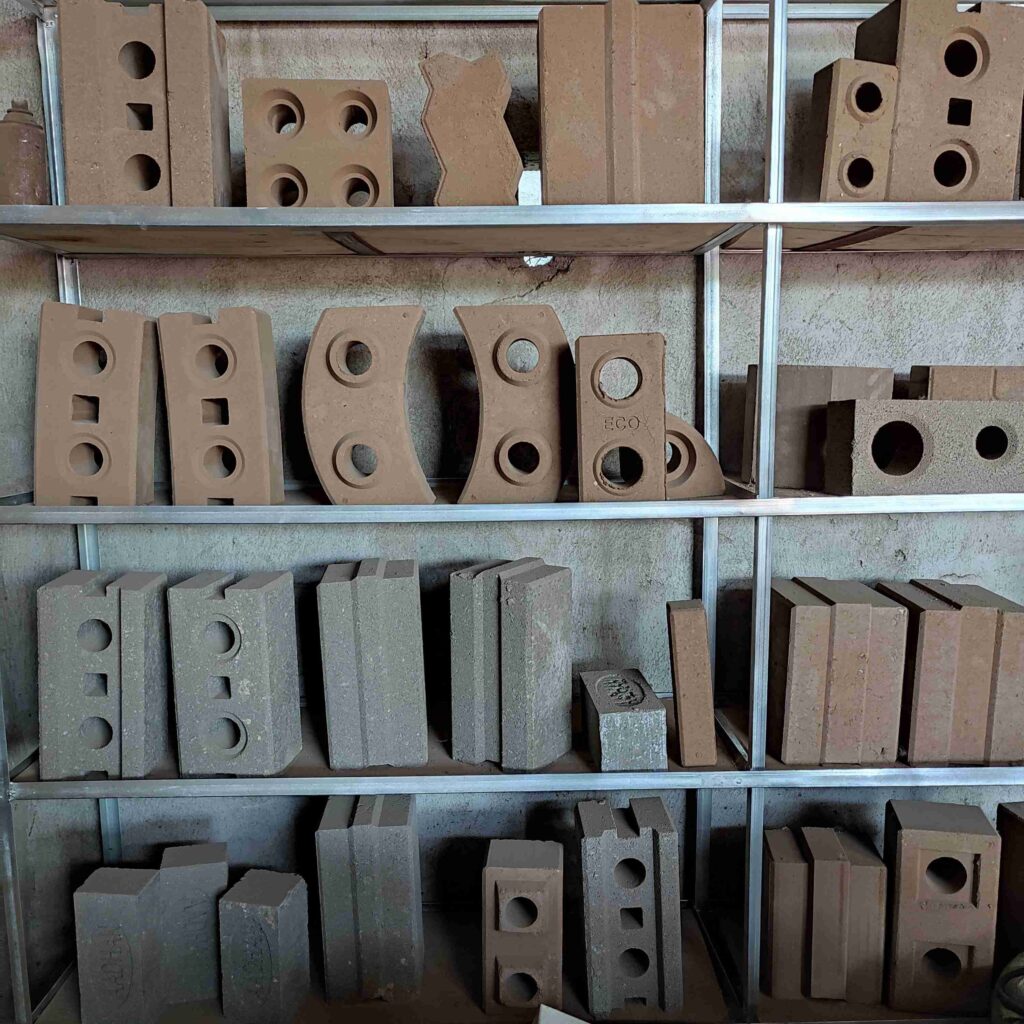
- ПластикалықСұйықтықпен араласқан саз иленімді болады, бұл оның жарықсыз біркелкі кірпішке айналуына мүмкіндік береді. Саз кірпіш жасайтын машиналар дәл қалыптау мен тығыздау арқылы осы иленімділікті пайдаланып, кірпіштердің өлшемдерінің біркелкілігі мен құрылымдық тұтастығын қамтамасыз етеді.
- ЖиынтықтылықСаз бөлшектері тығыздалып кептірілген кезде бір-біріне мықтап байланысады, бұл табиғи беріктік пен төзімділікке ие кірпіштерді түзеді. Жоғары сапалы саз кірпіштері 10-25 Н/мм² қысу күшіне төзе алады, бұл жүк көтергіш қабырғалар үшін әлемдік құрылыс стандарттарына сәйкес келеді.
- Жылу сыйымдылығыСаман кірпіштер жылуды сақтайды, ішкі температураны реттеу арқылы ғимараттардың энергия тиімділігін арттырады. Бұл экологиялық таза ерекшелік тұрақты құрылыста көбірек бағаланып, жасыл құрылыс нарықтарында саман кірпіш жасау машиналарына деген сұранысты арттыруда.
- Молшылық пен ҚолжетімділікСазы әлемнің барлық аймақтарында кездесетін табиғи ресурс болып табылады, бұл кірпіш өндірушілерге шикізат тасымалдау шығындарын азайтады. Бетоннан (қымбат тауар болып саналатын цементті қажет етеді) айырмашылығы, саз арзан және оңай қол жетімді, бұл саз кірпіш өндірісін шағыннан ірі операцияларға дейін экономикалық тұрғыдан тиімді етеді.
- Биологиялық ыдырау және қайта өңдеу мүмкіндігіСаман кірпіштері уытсыз, биоыдырайтын және жол құрылысы немесе жаңа кірпіш өндірісі үшін агрегатқа қайта өңделуі мүмкін. Бұл жаһандық экологиялық нормаларға сәйкес келеді, бұл саман кірпіш жасау машиналарын экологиялық таза өндіріс шешімдерін іздейтін клиенттер үшін сәйкес таңдау етеді.
2.2 Қыш балшықтан кірпіш жасау машиналарының түрлері: Өндірістік қажеттіліктерге бейімделген
Саман кірпіш жасау машиналары өндіріс процесі, шығарылым қуаты және автоматтандыру деңгейіне қарай жіктеледі — олардың әрқайсысы нақты клиенттік талаптар мен аймақтық жағдайларға сәйкес жасалады. Дилерлер мен көтерме сатушылар клиенттерді дұрыс жабдықпен қамтамасыз ету үшін осы түрлермен жақсы танысуы керек.
2.2.1 Қолмен жұмыс істейтін саз кірпіш жасау машиналары
- Жалпы шолуКіші көлемді өндірушілерге, ауылдық кәсіпкерлерге немесе электрмен шектеулі аймақтарға арналған ыңғайлы, қолмен басқарылатын машиналар. Бұл машиналар сазды қолмен жүктеуді, қол рычагтары арқылы тығыздауды және қолмен қалыптан шығаруды талап етеді.
- Негізгі ерекшеліктерТөмен құны (1000-5000 доллар), жеңіл салмағы (200-500 кг), қуат қажеті жоқ және қарапайым пайдалану. Қалыптар алмастырылады, стандартты кірпіш өлшемдерін (мысалы, 240×115×57мм) және шағын тапсырыс бойынша өлшемдерді қолдайды.
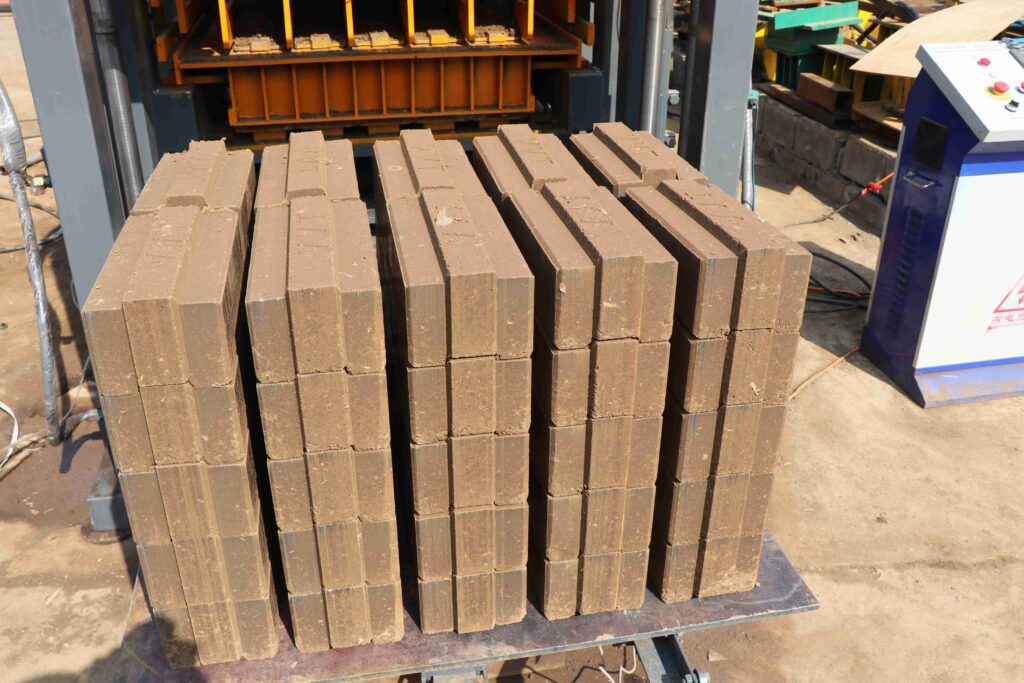
- Шығу қабілетіКүніне 500-2 000 кірпіш (8 сағаттық ауысымда), жергілікті ауылдық құрылыстарға, шағын тұрғын үй жобаларына немесе шеберлік кірпіш өндірісіне жарамды.
- Мақсатты клиенттерЖеке кәсіпкерлер, ауылдық деңгейдегі кірпіш зауыттары және электр қуаты немесе үлкен машиналарға салым жасау үшін қаражаты жоқ шалғай аймақтардағы сатып алушылар.
2.2.2 Жартылай автоматты саз кірпіш жасау машиналары
- Жалпы шолуҚолмен берілетін материалдарды автоматты тығыздау және қалыптаумен біріктіретін гибридтік станоктар. Бұл станоктар қолмен және автоматты модельдер арасындағы алшақтықты толтырады, орташа құн жоғары тиімділік ұсынады.
- Негізгі ерекшеліктерЭлектр қуатымен (3-10 кВт) немесе дизельді қозғалтқыштармен (5-15 а.к.) жұмыс істейді, гидравликалық немесе механикалық тығыздау және жартылай автоматты қалыптан шығару. Қалып параметрлерін және тығыздау қысымын реттеуге арналған қарапайым басқару панельдерімен жабдықталған.
- Шығу қабілетіКүніне 2 000-10 000 кірпіш, аймақтық құрылыс нарықтарына қызмет көрсететін орташа масштабты кірпіш зауыттарына жарамды.
- Мақсатты клиенттерШағын және орташа кірпіш өндірушілер, ауылдық құрылыс кооперативтері және капиталы шектеулі, бірақ өндірістік қажеттіліктері өсіп келе жатқан сатып алушылар.
2.2.3 Автоматты балшықтан кірпіш жасау машиналары (Экструзиялық негізде)
- Жалпы шолуӨнеркәсіптік масштабтағы машиналар көлемді саз кірпіштерін өндіру үшін экструзия технологиясын қолданады. Бұл машиналар барлық процесті автоматтандырады: сазды араластыру, экструзиялау, кесу, кептіру және (кейбір жағдайларда) күйдіру.
- Негізгі ерекшеліктерҚуатты қозғалтқыштар (15-30 кВт), сазды пішіндеуге арналған шнекті экструдерлер, кірпіштің дәл өлшемдері үшін сым кескіштер және кептіргіш сөрелермен немесе пештермен біріктіру. Жетілдірілген модельдер нақты уақыт режимінде өндірісті бақылау үшін PLC басқару жүйелерімен жабдықталған.
- Шығу қабілетіКүніне 10 000-50 000+ кірпіш өндіруге арналған, қала құрылысына, муниципалды жобаларға немесе экспорт нарықтарына жеткізу жүргізетін ірі кірпіш өндірушілер үшін қолайлы.
- Мақсатты клиенттерҮлкен кірпіш өндіру кешендері, ұлттық құрылыс подрядчиктері және жоғары сұранысты нарықтарда (мысалы, Үндістан, Қытай, Оңтүстік-Шығыс Азия) жұмыс істейтін сатып алушылар.
2.2.4 Ұялы телефонмен басқарылатын кірпіш жасау машиналары
- Жалпы шолуСаз қоры шашыраңқы немесе құрылыс алыс жерлерде орналасқан аймақтарға арналған, сазды тасымалдау қажеттілігін жоятын, саз кен орындарына немесе құрылыс алаңдарына тасымалдауға арналған портативті машиналар.
- Негізгі ерекшеліктерТіркемелерге немесе салақағаздарға орнатылған, дизельді қозғалтқыштармен (10-20 ат күші) жабдықталған және бортында сазды араластыру және қалыптау жүйелері бар. Кейбір модельдерде құрғату үшін жылжымалы кептіру сөрелері бар.
- Шығу қабілетіКүніне 1,000-5,000 кірпіш, ауылдық жол құрылысына, уақытша тұрғын үй жобаларына немесе тұрақты кірпіш зауыттары жоқ аймақтарда кірпіш өндіруге жарамды.
- Мақсатты клиенттерҚұрылыс компаниялары, мемлекеттік агенттіктер (инфрақұрылым жобалары үшін) және қашық немесе апатқа ұшыраған аймақтарға қызмет көрсететін дистрибьюторлар.
2.2.5 Дәстүрлі және заманауи саз кірпіш жасау машиналары
Дәстүрлі саз балшықтан кірпіш жасау (қолмен қалыптау және күн көзімен кептіру немесе пеште күйдіру) еңбек сыйымдылығы жоғары және біркелкі сапасыз болып шығады. Қазіргі заманғы саз балшық кірпіш жасау машиналары мына мәселелерді шешеді:
- Автоматтандырылған тығыздау арқылы кірпіш өлшемдері мен тығыздығының біркелкілігін қамтамасыз ету.
- Кептіру/күйдіру уақытын біріктірілген қатайту жүйелерімен қысқарту.
- Сазықтың тозуын азайту (дәстүрлі әдістер сазықтың 15-20% тоздырады; заманауи машиналар <5% тоздырады).
- Еңбек қажеттілігін төмендету (жартылай автоматты станоктар үшін 1 оператор, ал қолмен әдістер үшін 5-10 жұмысшы).
2.3 Саман кірпіш жасау машиналарының критикалық компоненттері
Саман кірпіш жасау машиналары саздың ерекше қасиеттерін (икемділік, ылғалға сезімталдық) өңдеуге бейімделген арнайы компоненттермен жабдықталған. Дистрибьюторлар мен сатып алушылар машинаның беріктігі мен өнімділігін бағалау үшін осы компоненттерді бағалауы керек.
- Clay Mixing Unit: Mixes raw clay with water to achieve optimal moisture content (15-25%, depending on clay type). Equipped with spiral blades or paddles for thorough blending, preventing lumps that can cause brick cracks.
- Molding System: Shapes clay into bricks using interchangeable molds. For clay, molds are typically made of wear-resistant steel or aluminum to withstand clay’s abrasive nature. Some molds include texture patterns for decorative bricks.
- Compaction Mechanism: Applies pressure (10-30 MPa) to clay in the mold, removing air bubbles and enhancing brick density. Hydraulic compaction is preferred for clay bricks, as it provides consistent pressure and reduces brick shrinkage during drying.
- Demolding System: Gently ejects compacted clay bricks from the mold to avoid damage. Manual machines use hand levers, while semi-automatic/automatic machines use hydraulic cylinders or conveyor belts.
- Drying/Curing Attachment: Optional component for accelerating clay brick drying. Can include fans, heaters, or solar-powered drying racks. Critical for regions with high humidity or short dry seasons.
- Frame and Chassis: Constructed from high-grade steel to withstand the vibration and pressure of clay compaction. Mobile machines have reinforced chassis for transportation over rough terrain.
3. Market Opportunities and Regional Demand Drivers
3.1 Global Market Trends for Clay Brick Making Machines
The global market for clay brick making machines is projected to grow at a CAGR of 6-8% over the next decade, driven by several key trends that create opportunities for B2B stakeholders:
- Urbanization in Emerging Economies: Countries like India, Pakistan, Bangladesh, and Nigeria are experiencing rapid urbanization, with millions of new homes and infrastructure projects requiring clay bricks. For example, India’s Pradhan Mantri Awas Yojana (Housing for All) initiative aims to build 20 million affordable homes by 2025, creating massive demand for clay brick making machines.
- Sustainable Construction Mandates: Governments worldwide are enforcing green building standards (e.g., LEED, BREEAM) that prioritize eco-friendly materials. Clay bricks’ thermal efficiency, recyclability, and low carbon footprint make them compliant with these standards, driving demand for clay brick making machines in developed and developing markets.
- Инфрақұрылымды дамыту: Road construction, bridge building, and public transportation projects (e.g., railways, airports) use clay bricks for retaining walls, pavement, and drainage systems. Governments in Southeast Asia (Vietnam, Indonesia) and Africa (Ethiopia, Kenya) are investing billions in infrastructure, boosting sales of high-capacity clay brick making machines.
- Artisanal and Decorative Brick Markets: The demand for decorative clay bricks (textured, colored, or custom-shaped) is growing in high-end residential and commercial construction. Clay brick making machines with custom mold options cater to this niche, offering distributors and purchasers higher profit margins.
3.2 Regional Market Analysis: Key Opportunities by Geography
Clay brick making machines have distinct regional demand drivers, and B2B stakeholders should tailor their offerings to local conditions:
3.2.1 Asia-Pacific
- Demand Drivers: Abundant clay reserves, rapid urbanization, and affordable labor. India and China are the largest markets, with high demand for automatic extrusion-based machines. Southeast Asia (Vietnam, Thailand) prefers semi-automatic and mobile machines for rural construction.
- Key Considerations: Clay types vary (e.g., red clay in India, kaolin in China), so machines must be compatible with local clay moisture content and particle size. Power infrastructure is improving, but dual-power (electric + diesel) machines are still preferred in remote areas.
3.2.2 Africa
- Demand Drivers: Growing population, rural-to-urban migration, and government housing initiatives. Clay is widely available across the continent, making clay brick making machines accessible to small-scale producers.
- Key Considerations: Limited power access in rural areas favors manual and diesel-powered semi-automatic machines. Affordability is critical—distributors should offer low-cost, durable models with local spare parts availability.
3.2.3 Middle East and North Africa (MENA)
- Demand Drivers: Infrastructure development (e.g., Saudi Arabia’s NEOM project, UAE’s Expo 2020 legacy projects) and demand for heat-resistant clay bricks (suitable for arid climates).
- Key Considerations: Clay bricks must withstand high temperatures (up to 50°C), so machines with high compaction pressure (25-30 MPa) are preferred. Decorative clay bricks are in demand for luxury residential and tourist projects.
3.2.4 Europe and North America
- Demand Drivers: Sustainable construction trends, heritage building restoration (clay bricks are used in historic buildings), and demand for high-performance thermal bricks.
- Key Considerations: Strict environmental regulations require machines to reduce energy consumption and emissions. Automatic machines with energy-efficient motors and recycled clay processing capabilities are favored. Custom mold options for heritage brick replication are a key selling point.
3.3 Competitive Advantages of Clay Brick Making Machines for B2B Stakeholders
For distributors, wholesalers, and purchasers, clay brick making machines offer unique competitive advantages compared to other brick production equipment (e.g., concrete brick machines):
- Lower Raw Material Costs: Clay is cheaper and more abundant than concrete (which requires cement, sand, and aggregate), reducing production costs for clients and increasing profit margins for distributors.
- Eco-Friendly Branding: Clay bricks are perceived as sustainable, allowing distributors to market machines to eco-conscious clients and access green building markets.
- Reduced Regulatory Barriers: Unlike concrete brick production (which may face restrictions on cement use due to carbon emissions), clay brick production is generally unregulated, simplifying sales in strict environmental markets.
- Long-Term Durability: Clay bricks have a lifespan of 100+ years, making them a preferred choice for permanent structures. This durability translates to repeat business for distributors (clients need replacement machines after decades, not years).
- Cultural and Aesthetic Appeal: Clay bricks have a natural, warm appearance that is valued in residential and commercial construction. Decorative clay bricks (e.g., terracotta, textured) command higher prices, offering purchasers higher revenue potential.
4. Technical Considerations for Sourcing and Investing
4.1 Evaluating Clay Compatibility: A Make-or-Break Factor
Clay composition varies by region (e.g., sandy clay, plastic clay, loamy clay), and not all clay brick making machines are compatible with all clay types. Distributors and purchasers must evaluate clay compatibility to avoid production issues:
- Moisture Content: Clay requires 15-25% moisture for optimal molding. Machines should have adjustable water mixing systems to accommodate clay with high or low natural moisture.
- Particle Size: Clay with fine particles (<0.075 mm) is more plastic and easier to mold. Machines with powerful mixing units can handle clay with larger particles (up to 2 mm) by breaking them down.
- Impurity Levels: Clay containing stones, organic matter, or salt can cause brick cracks or discoloration. Machines should have sieving components to remove impurities, or distributors should advise clients to pre-process clay (e.g., crushing, washing).
- Shrinkage Rate: Clay shrinks during drying and firing (5-10% for most clays). Machines with adjustable mold sizes can compensate for shrinkage, ensuring finished bricks meet standard dimensions.
4.2 Key Technical Specifications to Compare
When sourcing or investing in clay brick making machines, B2B stakeholders should prioritize the following technical specifications to ensure performance and value:
| Техникалық сипаттама | Manual Machines | Жартылай автоматты машиналар | Automatic Machines |
|---|---|---|---|
| Output Capacity (Bricks/Day) | 500-2,000 | 2,000-10,000 | 10,000-50,000+ |
| Қуат қажеттілігі | None (Manual) | 3-10 kW / 5-15 HP (Diesel) | 15-30 kW |
| Compaction Pressure | 5-10 MPa (Manual) | 10-20 MPa (Hydraulic/Mechanical) | 20-30 MPa (Hydraulic) |
| Mold Compatibility | Standard Sizes (Interchangeable) | Standard + Custom Sizes | Standard + Custom Sizes (High Precision) |
| Clay Moisture Range | 18-25% | 15-22% | 12-20% (Adjustable Mixing) |
| Машина салмағы | 200-500 kg | 1-5 tons | 10-30 tons |
| Installation Requirement | None (Portable) | Flat Concrete Surface | Dedicated Foundation + Production Line Space |
| Labor Requirement | 2-3 Operators | 1-2 Operators | 3-5 Operators (Full Line) |
4.3 Drying and Firing: Critical Post-Molding Processes
Clay bricks require drying and (in most cases) firing to achieve strength and durability. Distributors should educate purchasers on these processes and offer compatible equipment:
- Drying: Clay bricks must be dried slowly (7-14 days) to remove moisture without cracking. Options include:
- Natural Drying: Sun-drying on racks (low cost, suitable for dry climates).
- Artificial Drying: Drying chambers with fans and heaters (faster, suitable for humid climates or high-volume production).
- Firing: Firing at 900-1,200°C strengthens clay bricks and improves water resistance. Kiln options include:
- Traditional Kilns: Wood or coal-fired (low cost, high emissions).
- Modern Kilns: Gas or electric-fired (energy-efficient, low emissions, compliant with environmental regulations).
- Machine-Kiln Integration: High-end automatic clay brick making machines can be integrated with continuous kilns, creating a fully automated production line from clay mixing to fired bricks. This integration is a key selling point for large-scale purchasers.
4.4 Maintenance and Spare Parts: Ensuring Long-Term Performance
Clay brick making machines require regular maintenance to handle clay’s abrasive nature. Distributors should offer comprehensive maintenance support to retain clients:
- Routine Maintenance Tasks:
- Cleaning clay residue from mixing units, molds, and compaction mechanisms (daily).
- Lubricating moving parts (bearings, hydraulic cylinders) (weekly).
- Inspecting molds for wear and tear (monthly).
- Replacing sieves and filters (quarterly).
- Critical Spare Parts:
- Molds (wear-resistant steel or aluminum).
- Mixing blades (abrasion-resistant).
- Hydraulic hoses and seals (for hydraulic machines).
- Compaction plates (high-strength steel).
- Spare Parts Availability: Distributors should stock essential spare parts locally or partner with manufacturers to provide fast shipping (2-5 days for urgent parts). This minimizes production downtime for purchasers.
5. Business Strategy for Distributors and Wholesalers
5.1 Building a Profitable Product Portfolio
Distributors and wholesalers should curate a product portfolio of clay brick making machines to cater to diverse client segments:
- Entry-Level Offerings: Manual and small semi-automatic machines (low cost, high volume sales) for rural entrepreneurs and small brick yards.
- Mid-Range Offerings: Medium semi-automatic and mobile machines (moderate cost, higher margins) for regional brick manufacturers.
- High-End Offerings: Automatic extrusion machines and integrated production lines (high cost, high margins) for large-scale producers and export markets.
- Complementary Products: Offer drying racks, kilns, clay crushers, and sieves to increase average order value.
5.2 Marketing and Sales Tactics for B2B Success
- Targeted Lead Generation: Attend construction equipment trade shows (e.g., Bauma, Conexpo) and regional building materials expos to connect with purchasers. Use digital marketing (LinkedIn ads, industry websites) to target brick manufacturers and construction companies.
- Technical Demonstrations: Offer on-site or virtual demonstrations of clay brick making machines to showcase production speed, brick quality, and ease of operation. Provide sample bricks to clients for strength and durability testing.
- Customization Services: Highlight custom mold options for decorative or regional brick sizes. Partner with local mold manufacturers to offer fast customization.
- Financing and Leasing Options: For high-cost automatic machines, offer financing (low-interest loans) or leasing to reduce upfront investment for purchasers. Partner with financial institutions specializing in construction equipment.
- After-Sales Support Packages: Bundle machines with maintenance contracts, operator training, and spare parts discounts to differentiate from competitors. Offer 24/7 technical support via phone or video call.
5.3 Scaling into Global Markets
For distributors looking to expand internationally, consider these strategies:
- Regional Warehousing: Establish warehouses in key markets (e.g., India, Nigeria, Vietnam) to reduce shipping costs and delivery times.
- Localization: Adapt machines to regional voltage standards (e.g., 110V for North America, 220V for Europe/Asia) and clay types. Provide user manuals in local languages.
- Partner with Local Agents: Collaborate with local distributors or agents who understand regional market dynamics and can provide on-site support.
- Compliance with Import Regulations: Ensure machines meet regional safety and environmental standards (e.g., CE for Europe, ISO for global markets). Provide certification documents to avoid customs delays.
6. Conclusion
Clay brick making machines represent a resilient and profitable opportunity for distributors, wholesalers, and purchasers in the global construction equipment market. Driven by clay’s abundance, sustainability, and enduring demand in construction, these machines cater to diverse client segments—from small-scale rural entrepreneurs to large industrial producers. Success in this market requires a deep understanding of clay-specific technicalities, regional market dynamics, and client pain points (e.g., clay compatibility, moisture control, drying challenges). For B2B stakeholders, the key to growth lies in:
- Matching clients with machines tailored to their production scale, clay type, and regional conditions.
- Emphasizing the eco-friendly and cost-effective advantages of clay brick production.
- Providing comprehensive after-sales support, including maintenance, training, and spare parts.
- Scaling product portfolios and sales strategies to tap into high-growth markets (e.g., Asia, Africa, MENA).
As the construction industry continues to prioritize sustainability and affordability, clay brick making machines will remain a critical component of building material production. By leveraging the insights in this guide, distributors, wholesalers, and purchasers can capitalize on this demand, build long-term business relationships, and achieve sustainable growth in the competitive B2B landscape.
7. FAQ (Frequently Asked Questions)
7.1 What type of clay is best for brick making?
The ideal clay for brick making is plastic clay (also known as brick clay), which has high plasticity, low sand content (<20%), and moderate shrinkage (5-8%). Plastic clay binds well when compacted and dries without cracking. Clay with excessive sand (sandy clay) may require additional water or plasticizers, while clay with high organic matter (loamy clay) may need firing at higher temperatures to remove impurities.
7.2 Can clay brick making machines produce colored bricks?
Yes. Colored clay bricks are produced by adding natural pigments (e.g., iron oxide for red/brown, manganese oxide for black) to the clay mix. Most semi-automatic and automatic clay brick making machines support pigment mixing via the clay mixing unit. For decorative colored bricks, custom molds with texture patterns can be used.
7.3 How long does it take to produce a batch of clay bricks?
Production time varies by machine type and drying/firing method:
- Manual Machines: 15-20 seconds per brick (molding), plus 7-14 days drying, plus 24-48 hours firing (total: 8-16 days per batch).
- Жартылай автоматты машиналар: 10-15 seconds per brick (molding), plus 5-7 days drying, plus 12-24 hours firing (total: 6-8 days per batch).
- Automatic Machines: 5-10 seconds per brick (molding), plus 2-3 days artificial drying, plus 6-12 hours continuous firing (total: 3-4 days per batch).
7.4 Are clay brick making machines suitable for cold climates?
Yes, but adjustments are needed:
- Drying: Use heated drying chambers to prevent clay from freezing during drying.
- Firing: Insulate kilns to maintain temperature in cold weather.
- Machine Operation: Use low-temperature lubricants for moving parts to avoid freezing.Some manufacturers offer cold-climate-adapted machines with built-in heating systems for mixing units and molds.
7.5 What is the average lifespan of a clay brick making machine?
- Manual Machines: 5-8 years (with regular maintenance).
- Жартылай автоматты машиналар: 8-12 years (depending on component quality).
- Automatic Machines: 12-15 years (industrial-grade components and modular design).Lifespan can be extended by using high-quality clay (low impurity content), following maintenance schedules, and replacing wear parts promptly.
7.6 Do clay brick making machines require specialized training to operate?
- Manual Machines: No specialized training—operators can learn basic functions in 1-2 hours.
- Жартылай автоматты машиналар: 1-2 days of training (focus on control panel operation, clay mixing, and mold changes).
- Automatic Machines: 1-2 weeks of training (covers PLC systems, production line integration, and troubleshooting).Distributors should provide free training (on-site or online) to ensure safe and efficient operation.
7.7 Can clay brick making machines use recycled clay or construction waste?
Yes. Most modern machines can process recycled clay (e.g., broken bricks, clay scrap) or construction waste (e.g., clay-based demolition debris) as part of the raw material mix (up to 30%). This reduces waste and raw material costs for purchasers, aligning with sustainable construction trends.
7.8 What after-sales services should distributors prioritize for clay brick making machines?
Essential after-sales services include:
- 1-2 year warranty on machine components (excluding wear parts like molds).
- On-site or virtual operator training.
- 24/7 technical support for troubleshooting.
- Fast spare parts delivery (local stock or express shipping).
- Maintenance contracts (annual or bi-annual servicing).
- Kiln and drying system installation support (for integrated production lines).These services build trust with purchasers and encourage repeat business.