
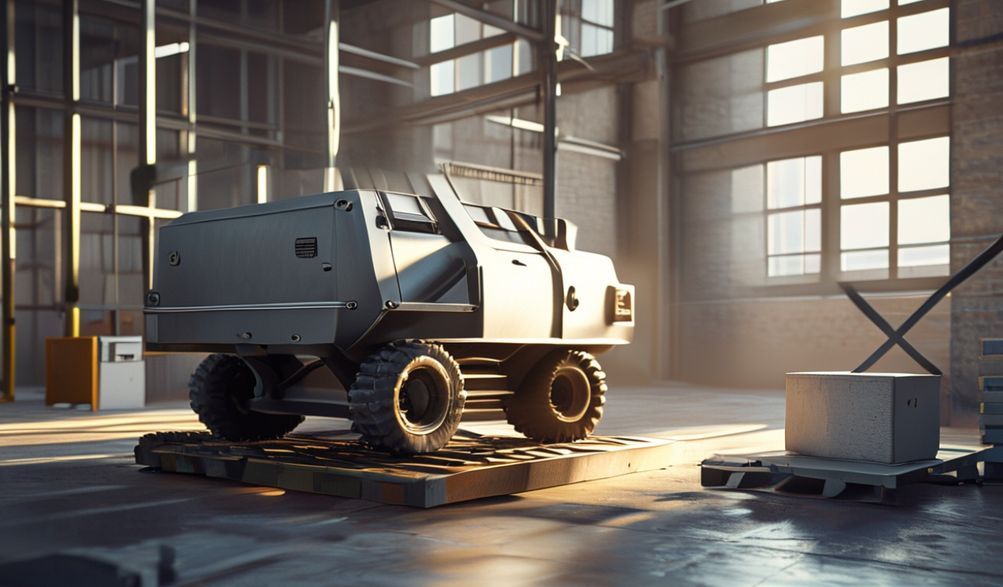
영국 블록 제작 기계에 대한 궁극적인 가이드: 푸다 공장 집중 조명
소개
영국 건설 부문은 인프라 프로젝트, 주택 수요, 상업 개발로 인해 꾸준한 상승세를 보이고 있습니다. 이러한 성장의 중심에는 신뢰할 수 있고 고품질의 건축 자재에 대한 지속적이고 중요한 필요성이 자리 잡고 있습니다. 현대 건설의 보편적인 중추인 콘크리트 블록은 그 어느 때보다 수요가 높아지고 있습니다.
건설업자, 계약자 및 기업가들에게 이 수요는 기회이자 도전 과제입니다. 외부에서 블록을 조달하면 공급망 지연, 변동하는 비용, 그리고 일정하지 않은 품질 문제가 발생할 수 있습니다. 이제 많은 이들이 내부 생산이라는 전략적 움직임을 고려하고 있습니다. 그러나 영국에서 블록 제조 장비 시장을 탐색하는 것은 어려울 수 있습니다. 주요 과제는 무엇일까요? 비용 효율적이고 효율적일 뿐만 아니라 엄격한 사용을 견딜 수 있을 만큼 내구성이 있으며, 영국의 엄격한 규정을 준수하는 기계를 찾는 것입니다.
해답은 전문 등급 블록 제작 기계에 투자하는 데 있습니다. 이는 단순한 구매가 아닌, 더 높은 생산성, 더 엄격한 품질 관리, 그리고 장기적인 비즈니스 회복력을 위한 전략적 결정입니다. 제조업체를 탐색할 때, 세계 무대에서 꾸준히 그 이름이 등장하는 곳이 푸다 블록 제작 공장입니다. 견고한 엔지니어링과 광범위한 제품 라인으로 명성이 높은 푸다는 영국 시장의 특정 요구와 표준을 충족하도록 그들의 제품을 맞춤화해 왔습니다.
이 가이드는 전문적이고 편향되지 않은 정보원으로서 여러분을 돕기 위해 마련되었습니다. 우리는 다양한 기계의 종류를 분석하고, 영국 구매자에게 중요한 요소들을 깊이 있게 탐구하며, 푸다 공장이 제공하는 것에 대한 상세하고 투명한 정보를 제공함으로써, 여러분이 철저히 정보에 기반한 투자 결정을 내릴 수 있도록 지원할 것입니다.
블록 제작 기계 이해하기: 유형과 응용 분야
투자하기 전에 기술과 그 가능성을 이해하는 것이 중요합니다. 이 기초 지식이 현명한 구매자와 투기적 구매자를 가르는 기준이 됩니다.
블록 제작 기계는 어떻게 작동하나요?
블록 제조 기계의 핵심은 원료 콘크리트 혼합물을 정밀하고 견고한 건축용 블록으로 변환하는 과정을 자동화하는 것입니다. 대부분의 기계에서 원리는 동일하지만, 자동화 수준은 다양합니다.
- 혼합 및 급여준비된 건조 혼합 콘크리트(골재, 모래, 시멘트)가 기계의 호퍼에 적재됩니다.
- 성형:혼합물은 몰드 상자에 투입됩니다. 이 몰드의 설계는 최종 블록의 모양(속이 빈 블록, 속이 꽉 찬 블록, 포장용 블록 등)을 결정합니다.
- 압축:이것이 결정적인 단계입니다. 진동과 높은 유압의 조합이 혼합물을 몰드 안에 밀도 높게 다져 넣어 공기 주머니를 제거하고 구조적 건전성을 보장합니다.
- 이젝션 & 큐어링:새롭게 성형된 '녹색' 블록은 팔레트나 바닥으로 배출됩니다. 그런 다음, 일반적으로 수분을 유지하며 수일간 진행되는 양생 과정을 거쳐 최종 강도를 확보합니다.
여러분이 들어보게 될 주요 구성 요소로는 공급 호퍼, 금형 시스템, 유압 파워 팩, 진동 모터, 그리고 이 모든 것을 조율하는 프로그래머블 로직 컨트롤러(PLC)가 있습니다.
영국 운영을 위한 주요 기계 유형
적절한 기계 종류를 선택하는 것은 전적으로 예상 생산량, 예산 및 노동 모델에 달려 있습니다.
-
수동 및 반자동 기계:
- 최적 대상:스타트업, 소규모 프로젝트, 전문 제품 라인(예: 장식용 블록), 또는 시장을 테스트하는 사업.
- 작전:사료 혼합과 완성된 블록 제거에 더 많은 수동 개입이 필요합니다. 압축 작업은 종종 기계적 또는 유압식 동력을 사용합니다.
- 영국의 고려 사항:노동 비용이 관리되고 생산 공간이 제한적인 이상적인 조건입니다. 이들은 초기 자본 지출이 적게 듭니다.
-
완전 자동 기계:
- 최적 대상:중소규모 상업 생산으로 상인이나 대규모 프로젝트에 공급합니다.
- 작전:이것은 생산 라인입니다. 최소한의 인력 감독으로 자동으로 혼합, 공급, 성형, 다짐, 적층 작업을 수행합니다. 팔레트 공급기 및 적층기와 통합되어 있습니다.
- 영국의 고려 사항: The high output and consistency justify the investment. They are essential for competing on price and volume in the wider market. Ensure your site has the necessary industrial power supply (typically three-phase).
-
모바일 블록 머신:
- 최적 대상: Large construction sites, like new housing estates or remote infrastructure projects.
- 장점: Produce blocks directly on-site, dramatically reducing transport costs and logistics for large quantities of material. They are often mounted on trailers.
- 영국의 고려 사항: Perfect for developers with a multi-year site plan. Consider access, ground conditions, and on-site material storage.
생산되는 일반적인 블록 유형
Modern machines are versatile. Beyond standard blocks, they can produce a range of high-demand products:
- 솔리드 및 홀로우 콘크리트 블록: The staple for load-bearing and partition walls.
- Paving Slabs & Kerbstones: For landscaping, driveways, and civil projects.
- 인터로킹 블록: Used for retaining walls, flood defences, and storage bays without mortar.
- Specialist Shapes: Including grass blocks (for permeable paving), chimney blocks, and architectural decorative blocks.
Why Choose a FUDA Block Making Machine for the UK Market?
FUDA has built its reputation on serving diverse international markets. Here’s how their approach aligns with the needs of a UK-based operation.
Engineering for Durability and UK Conditions
The UK’s variable climate, with its dampness and potential for cold temperatures, demands robust equipment.
* 견고한 구조: FUDA machines are built with high-grade steel at critical stress points, designed to endure the constant vibration and pressure of block production.
* 부식 저항성: Look for powder-coated finishes and treatments on frames and components to combat moisture, a vital feature for machines operating in open-sided sheds or across seasons in the UK.
* 부품 품질 The use of reputable brand hydraulics, motors, and PLCs (e.g., Siemens, Schneider) is a sign of a machine built for longevity, not just a low sticker price.
Focus on Efficiency and Output
Profitability hinges on output per hour and operational cost.
* Fast Cycle Times: Efficient hydraulic systems and mold design allow for quicker block formation and ejection, maximising daily production.
* 다중 캐비티 금형 Many FUDA models can produce multiple blocks (e.g., 4, 6, 10) per machine cycle, significantly boosting output without increasing machine footprint.
* Low Waste & Energy Efficiency: Precise mix feeding and compaction reduce material waste. Modern, well-calibrated hydraulic systems are designed to be energy efficient, a key factor given UK industrial electricity costs.
Versatility and Customisation
Your product line may need to evolve.
* 교환 가능한 금형 The ability to switch molds allows one machine to produce different block types, from standard 100mm solids to 200mm hollow blocks or paving flags.
* Custom Mold Development: For unique architectural or civil specifications, FUDA can often engineer custom molds. This is a significant advantage for businesses targeting niche markets or fulfilling specific contract requirements.
Technological Integration
Ease of use and safety are non-negotiable.
* User-Friendly PLC Controls: Touchscreen panels allow operators to set parameters, monitor production, and diagnose issues. Clear fault displays minimise downtime.
* Safety Features: Integrated safety guards, emergency stop buttons, and hydraulic safety locks are standard on professional machines, helping you comply with UK workplace HSE regulations from day one.
* System Integration: Machines can be designed to connect with automated batching plants and robotic pallet stackers, creating a seamless production line.
Critical Factors for UK Buyers: Beyond the Machine
The machine’s price tag is just the beginning. Your due diligence here separates a successful investment from a costly mistake.
Navigating UK Regulations and Standards
Compliance is legal and commercial necessity.
* CE/UKCA Marking: This is mandatory. It certifies the machine meets the essential health and safety requirements of the Machinery Directive (2006/42/EC). Never purchase a machine without this certification. A reputable manufacturer like FUDA will provide full documentation.
* Noise and Vibration: Ensure the machine’s specifications are within acceptable limits for an industrial workplace, considering both operator health and potential site neighbour issues.
* Electrical Compliance: The machine must be supplied wired for UK voltage standards (typically 400V 3-phase) or easily adaptable by a qualified UK electrician.
총 소유 비용 분석
Think in terms of total investment over 5-10 years.
* Upfront Costs: Machine price + shipping (CIF/FOB terms matter) + UK import duty and VAT (currently 20%) + delivery to your site.
* Setup Costs: Foundation preparation (a level, reinforced concrete pad is typical), electrical connection by a certified engineer, and possible crane hire for installation.
* Ongoing Costs: Regular maintenance (filters, hydraulic oil), wear parts (mold liners, vibration motors), energy consumption, and labour.
* The Value Proposition: A slightly more expensive, well-built machine with lower failure rates and higher efficiency will almost always outperform a cheaper alternative in the long run.
After-Sales Support: Your UK Lifeline
This is the single most critical factor in your decision. A machine without support is a future paperweight.
* 현지 기술 지원 Does FUDA have a dedicated UK agent or partner with engineers who can provide phone support and, if needed, site visits? What are the response time guarantees?
* 예비 부품 가용성: Are common wear parts (seals, bearings, liner plates) held in UK stock? If not, what is the typical shipping time from the factory? A reliable parts pipeline is essential for minimising downtime.
* 종합 훈련 What training is provided? It should cover operation, routine maintenance, basic troubleshooting, and safety procedures. Is it on-site, at the factory, or via detailed video manuals?
* 보증 약관: Get the warranty terms in writing. What is covered (parts, labour)? How long does it last? What is the process for making a claim?
The FUDA Factory Advantage: A Closer Look
Let’s examine the manufacturer’s credentials and the practical journey of procurement.
제조 전문성과 품질 관리
FUDA operates as a full-scale manufacturing facility, not just an assembler.
* In-House Production: Controlling the production of key components like mold boxes and frames allows for stricter quality oversight.
* 엄격한 테스트: Machines should undergo running tests before shipment. Inquire about their quality control protocols—do they test hydraulic pressure, vibration frequency, and control system sequences?
* 연구개발 투자 A manufacturer that invests in research and development is more likely to offer modern, efficient technology. Ask about recent innovations in their model range.
Global Reputation and UK References
A global footprint indicates experience, but local proof is king.
* Export History: FUDA’s presence in multiple continents suggests an ability to adapt machinery to different market standards.
* The Crucial Step – Verification: You must seek and verify UK-based references. A credible supplier should be able to connect you with existing UK customers. Ask those customers pointed questions about machine reliability, output accuracy, and, most importantly, the quality of after-sales support. If possible, arrange to visit a working FUDA machine in the UK.
The Procurement Process: From Inquiry to Installation
Understanding this flow prevents surprises.
1. Consultation: Provide details on your desired output, block types, and site specifications.
2. Quotation: You should receive a detailed quote including machine specs, optional extras, shipping terms (e.g., FOB Shanghai), and a proposed delivery timeline.
3. Order & Payment: Terms are agreed upon (often a deposit followed by balance before shipment).
4. Manufacturing & Pre-Shipment Testing: The machine is built and tested. Request photos or video of the final product before it’s crated.
5. Shipping & Customs: The machine is shipped. As the UK importer, you or your agent will handle customs clearance and pay due taxes.
6. Delivery & Installation: The machine is delivered to your site. Clarify in advance: will a FUDA engineer supervise installation and commissioning, or will you need to hire a local specialist with the provided manuals?
자주 묻는 질문 (FAQ)
What is the lead time for a FUDA machine to be delivered to the UK?
Lead times vary. A standard model might be shipped in 4-6 weeks, while a fully customised line could take 8-12 weeks. Factor in an additional 2-4 weeks for sea freight and customs clearance. Always get a written timeline estimate.
Can FUDA machines use UK-standard raw materials (aggregates, cement)?
Yes, they are designed to be adaptable. However, the optimal mix design (cement-to-aggregate ratio, moisture content) is crucial for block quality and machine performance. FUDA should provide baseline mix guidelines, but you may need to fine-tune it with your local materials.
Who will install and commission the machine in the UK?
This must be clarified in your contract. Options include: FUDA sending an engineer, their UK agent providing the service, or you hiring a qualified local engineer using FUDA’s comprehensive installation manual. The first option, while potentially an extra cost, is often the smoothest.
How do I source spare parts once the machine is in the UK?
Establish the process before buying. Ideally, a UK-based agent holds common parts. If not, you’ll order directly from the factory. Ask for a list of common wear parts and their estimated lifespans to help you plan and budget.
What training is provided for my operators?
Training should be comprehensive. It often includes detailed operation manuals, instructional videos, and, ideally, on-site training during commissioning covering daily operation, lubrication, routine maintenance, and safety procedures.
Are there any grants or financing options available in the UK for this equipment?
This is outside a manufacturer’s direct scope. However, investing in capital equipment for business growth may qualify for government-backed schemes or finance leases. We strongly recommend consulting with a UK business advisor, accountant, or specialist equipment finance broker to explore options.
결론
Selecting a block making machine for your UK operation is a significant strategic investment. The decision must balance upfront cost with long-term durability, efficiency, and crucially, the quality of after-sales support. It’s about finding a partner in production, not just a supplier of machinery.
FUDA Block Making Factory presents itself as a viable contender, with its engineering focus on robust construction, efficiency, and versatility. Their experience in international markets suggests an ability to meet varied demands. However, the cornerstone of a successful purchase for any UK buyer is verifiable, on-the-ground support.
Therefore, your final step must be one of thorough due diligence. Request detailed specifications and a full breakdown of all costs. Get all support promises—response times, parts availability, warranty—in writing. Most importantly, act on the advice to seek out and speak directly with existing UK customers. Their firsthand experience is the most valuable specification sheet you can read.
Ready to take the next step? Contact a FUDA representative with your specific project requirements, and be sure to ask for a detailed proposal alongside references from their current UK client base.
<