
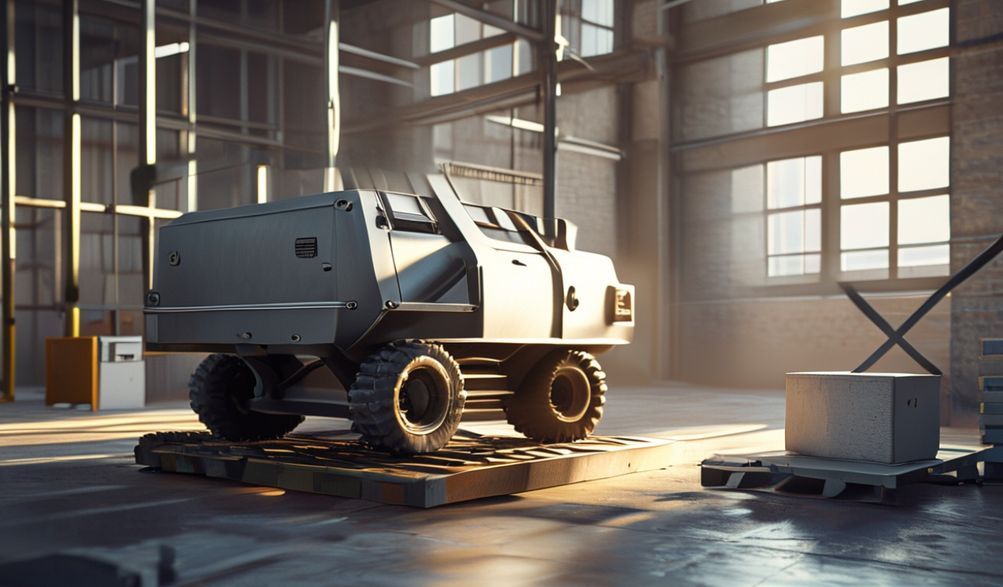
Seu Guia Definitivo para Máquinas de Fabricação de Blocos no Reino Unido: Destaque para a Fábrica FUDA
Introdução
O setor de construção do Reino Unido está em uma trajetória ascendente constante, impulsionado por projetos de infraestrutura, demandas habitacionais e desenvolvimento comercial. No centro desse crescimento está uma necessidade crítica e constante por materiais de construção confiáveis e de alta qualidade. Os blocos de concreto, a onipresente espinha dorsal da construção moderna, estão mais demandados do que nunca.
Para construtores, empreiteiros e empreendedores, essa demanda apresenta tanto uma oportunidade quanto um desafio. Obter blocos externamente pode levar a atrasos na cadeia de suprimentos, custos flutuantes e qualidade variável. Muitos agora estão olhando para dentro, considerando a jogada estratégica de produzir os seus próprios. No entanto, navegar pelo mercado de equipamentos para fabricação de blocos no Reino Unido pode ser assustador. Os principais desafios? Encontrar maquinário que não seja apenas rentável e eficiente, mas também durável o suficiente para resistir ao uso rigoroso e em conformidade com as rigorosas regulamentações do Reino Unido.
A solução está em investir em uma máquina de fazer blocos de nível profissional. Isso não é apenas uma compra; é uma decisão estratégica para maior produtividade, controle de qualidade mais rigoroso e resiliência empresarial de longo prazo. Ao explorar os fabricantes, um nome que aparece consistentemente no cenário global é a Fábrica de Máquinas de Blocos FUDA. Reconhecida por sua engenharia robusta e ampla gama de produtos, a FUDA adaptou suas ofertas para atender às demandas e padrões específicos do mercado do Reino Unido.
Este guia serve como seu recurso especializado e imparcial. Vamos analisar os tipos de máquinas, aprofundar nos fatores críticos para compradores do Reino Unido e fornecer uma visão detalhada e transparente do que a fábrica FUDA oferece, capacitando você a tomar uma decisão de investimento completamente informada.
Entendendo as Máquinas de Fabricação de Blocos: Tipos e Aplicações
Antes de investir, é crucial entender a tecnologia e suas possibilidades. Esse conhecimento fundamental separa um comprador bem-informado de um especulativo.
Como Funcionam as Máquinas de Fabricação de Blocos?
Em sua essência, uma máquina de fazer blocos automatiza o processo de transformar uma mistura bruta de concreto em blocos de construção sólidos e precisos. O princípio é consistente na maioria das máquinas, embora o nível de automação varie:
- Mistura & Alimentação:Uma mistura seca de concreto preparada (agregado, areia, cimento) é carregada no funil da máquina.
- Moldagem:A mistura é alimentada em uma caixa de molde. O projeto deste molde determina a forma final do bloco (oco, maciço, pavimentação, etc.).
- Compactação:Esta é a fase crítica. Uma combinação de vibração e alta pressão hidráulica compacta a mistura densamente no molde, removendo bolsas de ar e garantindo a integridade estrutural.
- Ejeção e Cura:O bloco recém-formado, "verde", é ejetado sobre um palete ou no chão. Em seguida, ele passa por um processo de cura, que normalmente envolve a retenção de umidade por vários dias, para atingir sua resistência total.
Os principais componentes sobre os quais você ouvirá incluem o funil de alimentação, o sistema de moldes, o grupo hidráulico, os motores de vibração e o controlador lógico programável (CLP) que orquestra tudo isso.
Principais Tipos de Máquinas para Operações no Reino Unido
Escolher o tipo certo de máquina depende inteiramente da sua produção projetada, orçamento e modelo de mão de obra.
-
Máquinas Manuais e Semiautomáticas:
- Melhor para:Startups, projetos de pequena escala, linhas de produtos especializadas (por exemplo, blocos decorativos) ou empresas testando o mercado.
- Operação:Exige mais intervenção manual para alimentar a mistura e remover os blocos acabados. A compactação é frequentemente acionada mecanicamente ou hidraulicamente.
- Consideração do Reino Unido:Ideal onde os custos de mão de obra são gerenciados e o espaço de produção é limitado. Eles representam um menor investimento de capital inicial.
-
Máquinas Totalmente Automáticas:
- Melhor para:Produção comercial de média a grande escala fornecendo para comerciantes ou grandes projetos.
- Operação:Estas são linhas de produção. Elas misturam, alimentam, moldam, compactam e empilham blocos automaticamente, com supervisão humana mínima. Elas se integram com alimentadores de paletes e empilhadeiras.
- Consideração do Reino Unido:A alta produção e consistência justificam o investimento. Elas são essenciais para competir em preço e volume no mercado mais amplo. Certifique-se de que seu local tenha o fornecimento de energia industrial necessário (tipicamente trifásico).
-
Máquinas de Blocos Móveis:
- Melhor para:Grandes canteiros de obras, como novos conjuntos habitacionais ou projetos de infraestrutura remotos.
- Vantagem:Produza blocos diretamente no local, reduzindo drasticamente os custos de transporte e a logística para grandes quantidades de material. Eles são frequentemente montados em reboques.
- Consideração do Reino Unido:Perfeito para desenvolvedores com um plano de longo prazo para o terreno. Considere o acesso, as condições do solo e o armazenamento de materiais no local.
Tipos Comuns de Blocos Produzidos
Máquinas modernas são versáteis. Além dos blocos padrão, elas podem produzir uma variedade de produtos de alta demanda:
- Blocos de Concreto Maciços e Vazados:O material básico para paredes estruturais e de divisória.
- Lajes de Pavimentação e Meios-Fios:Para paisagismo, calçadas e projetos civis.
- Blocos de Encaixe: Used for retaining walls, flood defences, and storage bays without mortar.
- Specialist Shapes: Including grass blocks (for permeable paving), chimney blocks, and architectural decorative blocks.
Why Choose a FUDA Block Making Machine for the UK Market?
FUDA has built its reputation on serving diverse international markets. Here’s how their approach aligns with the needs of a UK-based operation.
Engineering for Durability and UK Conditions
The UK’s variable climate, with its dampness and potential for cold temperatures, demands robust equipment.
* Construção Pesada: FUDA machines are built with high-grade steel at critical stress points, designed to endure the constant vibration and pressure of block production.
* Resistência à Corrosão: Look for powder-coated finishes and treatments on frames and components to combat moisture, a vital feature for machines operating in open-sided sheds or across seasons in the UK.
* Qualidade do Componente: The use of reputable brand hydraulics, motors, and PLCs (e.g., Siemens, Schneider) is a sign of a machine built for longevity, not just a low sticker price.
Focus on Efficiency and Output
Profitability hinges on output per hour and operational cost.
* Fast Cycle Times: Efficient hydraulic systems and mold design allow for quicker block formation and ejection, maximising daily production.
* Moldes Multi-Cavidade: Many FUDA models can produce multiple blocks (e.g., 4, 6, 10) per machine cycle, significantly boosting output without increasing machine footprint.
* Low Waste & Energy Efficiency: Precise mix feeding and compaction reduce material waste. Modern, well-calibrated hydraulic systems are designed to be energy efficient, a key factor given UK industrial electricity costs.
Versatility and Customisation
Your product line may need to evolve.
* Moldes Intercambiáveis: The ability to switch molds allows one machine to produce different block types, from standard 100mm solids to 200mm hollow blocks or paving flags.
* Custom Mold Development: For unique architectural or civil specifications, FUDA can often engineer custom molds. This is a significant advantage for businesses targeting niche markets or fulfilling specific contract requirements.
Technological Integration
Ease of use and safety are non-negotiable.
* User-Friendly PLC Controls: Touchscreen panels allow operators to set parameters, monitor production, and diagnose issues. Clear fault displays minimise downtime.
* Safety Features: Integrated safety guards, emergency stop buttons, and hydraulic safety locks are standard on professional machines, helping you comply with UK workplace HSE regulations from day one.
* Integração de Sistemas: Machines can be designed to connect with automated batching plants and robotic pallet stackers, creating a seamless production line.
Critical Factors for UK Buyers: Beyond the Machine
The machine’s price tag is just the beginning. Your due diligence here separates a successful investment from a costly mistake.
Navigating UK Regulations and Standards
Compliance is legal and commercial necessity.
* CE/UKCA Marking: This is mandatory. It certifies the machine meets the essential health and safety requirements of the Machinery Directive (2006/42/EC). Never purchase a machine without this certification. A reputable manufacturer like FUDA will provide full documentation.
* Noise and Vibration: Ensure the machine’s specifications are within acceptable limits for an industrial workplace, considering both operator health and potential site neighbour issues.
* Electrical Compliance: The machine must be supplied wired for UK voltage standards (typically 400V 3-phase) or easily adaptable by a qualified UK electrician.
Análise do Custo Total de Propriedade
Think in terms of total investment over 5-10 years.
* Upfront Costs: Machine price + shipping (CIF/FOB terms matter) + UK import duty and VAT (currently 20%) + delivery to your site.
* Setup Costs: Foundation preparation (a level, reinforced concrete pad is typical), electrical connection by a certified engineer, and possible crane hire for installation.
* Ongoing Costs: Regular maintenance (filters, hydraulic oil), wear parts (mold liners, vibration motors), energy consumption, and labour.
* The Value Proposition: A slightly more expensive, well-built machine with lower failure rates and higher efficiency will almost always outperform a cheaper alternative in the long run.
After-Sales Support: Your UK Lifeline
This is the single most critical factor in your decision. A machine without support is a future paperweight.
* Suporte Técnico Local: Does FUDA have a dedicated UK agent or partner with engineers who can provide phone support and, if needed, site visits? What are the response time guarantees?
* Disponibilidade de Peças de Reposição: Are common wear parts (seals, bearings, liner plates) held in UK stock? If not, what is the typical shipping time from the factory? A reliable parts pipeline is essential for minimising downtime.
* Treinamento Abrangente: What training is provided? It should cover operation, routine maintenance, basic troubleshooting, and safety procedures. Is it on-site, at the factory, or via detailed video manuals?
* Warranty Terms: Get the warranty terms in writing. What is covered (parts, labour)? How long does it last? What is the process for making a claim?
The FUDA Factory Advantage: A Closer Look
Let’s examine the manufacturer’s credentials and the practical journey of procurement.
Manufacturing Expertise and Quality Control
FUDA operates as a full-scale manufacturing facility, not just an assembler.
* In-House Production: Controlling the production of key components like mold boxes and frames allows for stricter quality oversight.
* Testes Rigorosos: Machines should undergo running tests before shipment. Inquire about their quality control protocols—do they test hydraulic pressure, vibration frequency, and control system sequences?
* Investimento em P&D: A manufacturer that invests in research and development is more likely to offer modern, efficient technology. Ask about recent innovations in their model range.
Global Reputation and UK References
A global footprint indicates experience, but local proof is king.
* Export History: FUDA’s presence in multiple continents suggests an ability to adapt machinery to different market standards.
* The Crucial Step – Verification: You must seek and verify UK-based references. A credible supplier should be able to connect you with existing UK customers. Ask those customers pointed questions about machine reliability, output accuracy, and, most importantly, the quality of after-sales support. If possible, arrange to visit a working FUDA machine in the UK.
The Procurement Process: From Inquiry to Installation
Understanding this flow prevents surprises.
1. Consultation: Provide details on your desired output, block types, and site specifications.
2. Quotation: You should receive a detailed quote including machine specs, optional extras, shipping terms (e.g., FOB Shanghai), and a proposed delivery timeline.
3. Order & Payment: Terms are agreed upon (often a deposit followed by balance before shipment).
4. Manufacturing & Pre-Shipment Testing: The machine is built and tested. Request photos or video of the final product before it’s crated.
5. Shipping & Customs: The machine is shipped. As the UK importer, you or your agent will handle customs clearance and pay due taxes.
6. Delivery & Installation: The machine is delivered to your site. Clarify in advance: will a FUDA engineer supervise installation and commissioning, or will you need to hire a local specialist with the provided manuals?
Perguntas Frequentes (FAQ)
What is the lead time for a FUDA machine to be delivered to the UK?
Lead times vary. A standard model might be shipped in 4-6 weeks, while a fully customised line could take 8-12 weeks. Factor in an additional 2-4 weeks for sea freight and customs clearance. Always get a written timeline estimate.
Can FUDA machines use UK-standard raw materials (aggregates, cement)?
Yes, they are designed to be adaptable. However, the optimal mix design (cement-to-aggregate ratio, moisture content) is crucial for block quality and machine performance. FUDA should provide baseline mix guidelines, but you may need to fine-tune it with your local materials.
Who will install and commission the machine in the UK?
This must be clarified in your contract. Options include: FUDA sending an engineer, their UK agent providing the service, or you hiring a qualified local engineer using FUDA’s comprehensive installation manual. The first option, while potentially an extra cost, is often the smoothest.
How do I source spare parts once the machine is in the UK?
Establish the process before buying. Ideally, a UK-based agent holds common parts. If not, you’ll order directly from the factory. Ask for a list of common wear parts and their estimated lifespans to help you plan and budget.
What training is provided for my operators?
Training should be comprehensive. It often includes detailed operation manuals, instructional videos, and, ideally, on-site training during commissioning covering daily operation, lubrication, routine maintenance, and safety procedures.
Are there any grants or financing options available in the UK for this equipment?
This is outside a manufacturer’s direct scope. However, investing in capital equipment for business growth may qualify for government-backed schemes or finance leases. We strongly recommend consulting with a UK business advisor, accountant, or specialist equipment finance broker to explore options.
Conclusão
Selecting a block making machine for your UK operation is a significant strategic investment. The decision must balance upfront cost with long-term durability, efficiency, and crucially, the quality of after-sales support. It’s about finding a partner in production, not just a supplier of machinery.
FUDA Block Making Factory presents itself as a viable contender, with its engineering focus on robust construction, efficiency, and versatility. Their experience in international markets suggests an ability to meet varied demands. However, the cornerstone of a successful purchase for any UK buyer is verifiable, on-the-ground support.
Therefore, your final step must be one of thorough due diligence. Request detailed specifications and a full breakdown of all costs. Get all support promises—response times, parts availability, warranty—in writing. Most importantly, act on the advice to seek out and speak directly with existing UK customers. Their firsthand experience is the most valuable specification sheet you can read.
Pronto para dar o próximo passo? Contact a FUDA representative with your specific project requirements, and be sure to ask for a detailed proposal alongside references from their current UK client base.
<