
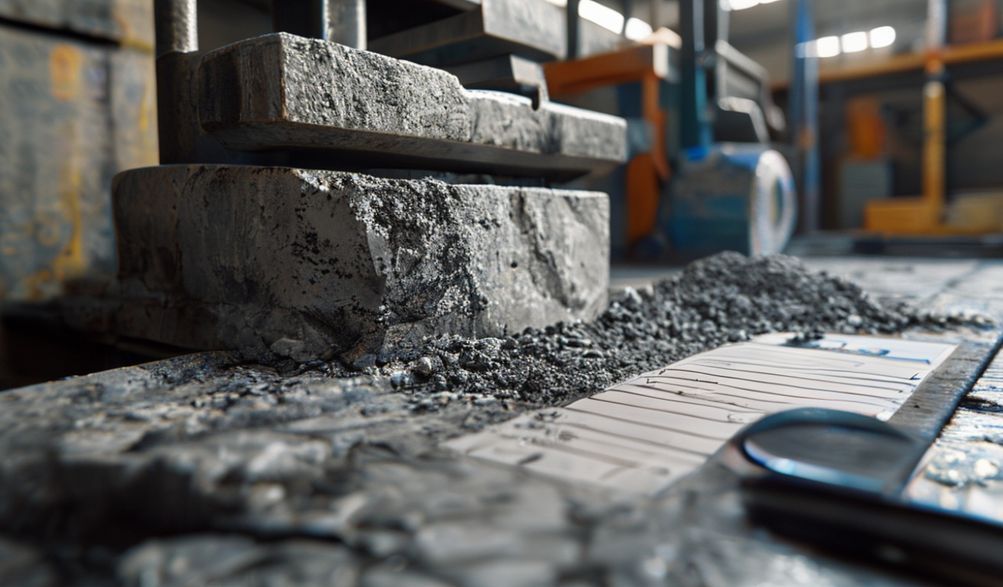
블록 제작 기계의 관세 HS 코드 완전 가이드
소개
블록 제조 장비와 같은 중장비를 이동할 때 특히, 복잡한 국제 무역의 세계를 탐색하는 것은 고위험 퍼즐을 푸는 것처럼 느껴질 수 있습니다. 이 퍼즐의 핵심에는 간단하면서도 강력한 숫자 문자열인 통일 상품명 및 부호 체계(HS 코드)가 있습니다. 블록 제조 기계의 수입업자와 수출업자에게 이 코드를 정확하게 식별하는 것은 단순한 관료적 형식이 아닌, 당신의 수익성과 공급망 신뢰성에 직접 영향을 미치는 중요한 비즈니스 기능입니다.
기계를 잘못 분류하면 예상치 못한 관세, 비용이 많이 드는 통관 지연, 화물 압수, 그리고 심각한 금전적 벌금과 같은 연쇄적인 문제를 초래할 수 있습니다. 수천 가지의 분류 체계 속에서 '자동 팔레트 반환 기능이 있는 콘크리트 블록 제조 기계'의 정확한 코드를 찾는 것은 어려울 수 있어, 혼란스러운 것은 이해할 수 있습니다.
이 가이드는 복잡성을 간명하게 해설합니다. 우리는 여러분의 블록 제조 기계를 정확히 분류할 수 있도록 명확하고, 신뢰할 수 있으며, 실행 가능한 지침을 제공할 것입니다. 우리의 목표는 여러분이 세관 절차를 원활하게 진행하고, 관세 지급을 최적화하며, 지연을 피하고, 중요한 장비가 값비싼 중단 없이 목적지에 도착할 수 있도록 돕는 데 있습니다.
HS 코드란 무엇이며, 블록 제작 기계에 왜 중요한가요?
기계에 대한 특정 코드를 살펴보기 전에, HS 코드가 무엇이며 왜 정확하게 파악하는 것이 필수적인지에 대한 기본적인 이해를 먼저 확립하겠습니다.
조화 시스템(HS) 설명
조화 시스템은 글로벌 무역의 보편적 언어라고 생각하면 됩니다. 이는 세계관세기구(WCO)가 개발하고 유지 관리하는 표준화된 숫자 체계로, 국경을 넘어 거래되는 거의 모든 제품을 분류하는 데 사용됩니다.
- 글로벌 스탠다드200개 이상의 국가와 경제에서 사용됩니다.
- 핵심 목적:관세, 국제 무역 통계, 그리고 많은 무역 규정의 기초를 형성합니다.
- 구조:HS 코드는 일반적으로 6자리 숫자로 구성됩니다. 처음 두 자리는 '장'(예: 기계류의 경우 84)을 나타내고, 다음 두 자리는 '호', 마지막 두 자리는 '소호'를 지정합니다. 이후 각국은 국가별 세부 분류를 위해 추가 자릿수(보통 2~4자리)를 덧붙여 8~12자리의 코드를 생성합니다.
잘못된 HS 코드의 결과
블록 제조 기계를 잘못 분류하는 것은 어떤 사업체도 감수해서는 안 될 위험입니다. 그 영향은 단순한 서류 작업 오류를 훨씬 넘어섭니다.
- 비용이 많이 드는 지연과 보관료:세관이 귀하의 화물을 보류하여 설명을 요구할 것입니다. 항구나 공항에 하루씩 머무를 때마다 체선료와 보관료가 누적되어 수익 마진을 갉아먹게 됩니다.
- 재정적 제재관세를 과소 신고하면 막대한 벌금, 이자가 붙는 체납금 납부, 그리고 세무 조사를 초래할 수 있습니다. 반면 과다 신고는 불필요하게 돈을 놓치는 결과를 가져옵니다.
- 법적 및 규정 준수 위험심각한 경우, 잘못된 분류는 관세 사기로 간주되어 법적 조치, 화물 압수 및 수입 권한 상실로 이어질 수 있습니다.
- 공급망 차질:기계 지연은 프로젝트 지연, 작업자 유휴 상태, 그리고 고객과의 계약 위반으로 이어져 평판과 수익에 손상을 줍니다.
블록 제조 기계의 올바른 HS 코드 결정
올바른 코드를 찾는 것은 논리적인 과정입니다. HS의 원리와 구조를 이해함으로써, 여러분은 자신의 장비가 어디에 속하는지 자신 있게 정확히 찾아낼 수 있습니다.
기계의 핵심 분류 원칙
분류 과정은해석의 일반 규칙(GRIs)블록 제조 기계의 경우, 우리는 주로 다음에 의존합니다:
- GRI 1: Classification is determined first by the wording of the headings and any relevant Section or Chapter notes. This means we look for the heading that most accurately describes the product.
- Function Over Form: Machinery is generally classified by its principal function. A block making machine’s core function is to shape or mold mineral materials (like concrete, cement, or clay) into blocks. This functional description is our key.
Navigating Chapter 84: Nuclear Reactors, Boilers, Machinery
Most industrial machinery, including your block making equipment, is found in Section XVI (Chapters 84 & 85) of the HS. Chapter 84 is dedicated to machinery and mechanical appliances.
Our journey to find the correct code leads us through this chapter, looking for the most specific description of our machine’s purpose.
Key Heading 8474: Machinery for Working Mineral Materials
This is the destination for block making machines. Heading 8474 is precisely defined as:
“Machinery for sorting, screening, separating, washing, crushing, grinding, mixing or kneading earth, stone, ores or other mineral substances, in solid form…; machinery for agglomerating, molding or shaping mineral products in solid form…”
The second part of this description is the perfect fit: “machinery for… molding or shaping mineral products in solid form.” Whether it’s concrete, cement, or fly ash, a block making machine performs this exact function.
Sub-Heading Analysis: 8474.80 vs. 8474.90
Within Heading 8474, we reach the critical 6-digit level. Here, the distinction is clear:
- 8474.80: This covers the machines themselves for “molding or shaping” mineral products. This is the sub-heading for complete block making machines.
- 8474.90: This is designated for parts of the machinery falling under heading 8474. This includes spare parts and accessories.
Therefore, the universal 6-digit HS code for a block making machine is 8474.80.
Common HS Code Scenarios for Block Making Machines
Let’s apply this knowledge to real-world scenarios you’re likely to encounter. This practical application builds confidence and trust in the classification.
Fully Automatic Concrete Block Making Plant
A fully integrated plant with automatic material feeding, mixing, molding, curing, and palletizing systems is still performing the core function of shaping mineral products.
- Likely Classification: 8474 80 00 (The final two zeros are common placeholders at the 8-digit level; always check your national tariff).
- 핵심 포인트: The complexity or automation level does not move it out of this heading. Its principal function remains “molding or shaping.”
Manual or Semi-Automatic Block Making Machine
From a simple manual press to a semi-automatic machine with a hydraulic system, the principle remains unchanged.
- Likely Classification: 8474 80 00
- 핵심 포인트: The heading is based on function, not the degree of automation. All block making machines that mold mineral substances belong here.
Spare Parts and Accessories (Molds, Vibrators, Control Panels)
This is a crucial distinction. The molds, hydraulic pumps, vibration motors, and electronic control panels designed specifically for your block making machine are not classified as the machine itself.
- Likely Classification: 8474 90 00 (for parts).
- 핵심 포인트: Always classify parts separately on your commercial invoice. Misclassifying parts as a complete machine (or vice versa) is a common and costly error.
Mobile Block Making Machines on a Trailer
This scenario introduces potential complexity. While the unit is mobile, classification typically hinges on the essential character of the goods.
- Guidance: If the block making machine is a self-contained unit merely mounted on a trailer for transport, its primary function (block making) prevails. It should still be classified under 8474 80 00. However, if it’s a specially designed, integrated vehicle where the mobility is a core feature, consultation with a customs broker is essential, as Chapter 87 (Vehicles) may be considered.
How to Verify and Confirm Your HS Code: A Step-by-Step Process
While 8474 80 00 is your authoritative starting point, due diligence is required. Follow this process to verify and secure your classification.
1. Consult Your National Customs Tariff
The first six digits (8474.80) are global. You must confirm the full, nationally specific code (often 8-10 digits).
- Action: Visit the official website of your destination country’s customs authority.
- USA: U.S. International Trade Commission (USITC) Harmonized Tariff Schedule.
- UK: HM Revenue & Customs (HMRC) Trade Tariff.
- India: Central Board of Indirect Taxes and Customs (CBIC).
- EU: TARIC database.
- 방법 Use “8474 80 00” as your search term in the online tariff database.
2. Use Detailed Product Descriptions
Never simply list “block making machine” on your commercial invoice. Provide a precise technical description for your customs broker or customs authority.
- Include:
- Primary Function: e.g., “For molding concrete into hollow blocks.”
- Operation Type: e.g., “Fully automatic, hydraulic press with vibration.”
- Capacity: e.g., “Production output of 2,000 blocks per hour.”
- Material Processed: e.g., “Processes concrete mix, cement, and similar mineral substances.”
3. Seek a Binding Ruling (The Most Authoritative Step)
For high-value shipments or frequent trade, this is the gold standard for eliminating risk.
- What it is: A Binding Tariff Information (BTI)또는Customs Ruling is a legally binding decision issued by your national customs authority on the correct classification of your specific product.
- 과정: You submit a detailed application (with product literature, photos, and description) to customs. They review and issue a ruling number valid for several years.
- The Benefit: It provides absolute certainty. If customs later disputes your classification, you are protected by the ruling. It is the strongest step you can take to ensure compliance.
Partnering for Success: Working with Customs Brokers and Freight Forwarders
Even with this guide, international trade regulations are complex and ever-changing. Partnering with experts is a sign of prudent business management, not a lack of knowledge.
The Role of a Licensed Customs Broker
A licensed customs broker is your advocate and expert in the customs clearance process.
- 전문성 They are trained and tested on classification rules, tariff schedules, and regulatory updates.
- Risk Mitigation: They can prepare your documentation, submit entries, and handle any queries or disputes with customs on your behalf.
- 효율성 They navigate the system daily, preventing delays and ensuring smooth clearance.
Providing Your Broker with the Right Information
To get the best from your broker, equip them with comprehensive information:
- Commercial Invoice (with your proposed HS code and detailed description).
- Detailed Packing List.
- Technical Manuals, Brochures, or Datasheets.
- Clear Photographs of the Machine.
- A Statement of the Machine’s Intended Use.
자주 묻는 질문 (FAQ)
What is the most common HS code for a block making machine?
The most widely applicable HS code for a complete block making machine is 8474 80 00. This covers machines that mold or shape mineral substances like concrete or cement.
Does the HS code change for clay or fly ash block machines?
Typically, no. The heading 8474 is defined for working with “earth, stone, ores or other mineral substances.” Both clay and fly ash (a mineral by-product) fall within this broad definition. Therefore, subheading 8474 80 remains correct.
Are HS codes the same in every country?
그first six digits are universal. However, almost every country adds additional digits (usually 2-4) for more granular national statistical or duty purposes. You must always confirm the full 8, 10, or 12-digit code with your destination country’s specific tariff schedule.
Who is legally responsible for the correct HS code?
그importer of record (the entity listed on the customs declaration) bears the ultimate legal and financial responsibility for accurate classification and duty payment. The responsibility can also fall on the exporter depending on the agreed Incoterms® rules (e.g., DDP – Delivered Duty Paid).
What should I do if I’ve been using the wrong HS code?
Do not ignore it. Consult a licensed customs broker or trade attorney immediately. They can advise you on a voluntary disclosure process with customs authorities. Proactively correcting an error can significantly reduce potential penalties and demonstrate good faith, helping you avoid more severe consequences.
결론
Successfully navigating the customs landscape for your block making machinery hinges on one critical task: accurate HS code classification. As we’ve established, the universal starting point is 8474 80 00 for the complete machines그리고8474 90 00 for their parts and accessories.
Mastering this process protects your business from financial loss, legal risk, and operational disruption. Remember the key steps: start with the functional description, consult your national tariff, document everything meticulously, and for the highest level of assurance, seek a binding ruling from customs authorities.
While this guide provides a robust framework and expert insight, the dynamic nature of international trade makes a partnership with a licensed customs professional one of the smartest investments you can make. By combining your product knowledge with their regulatory expertise, you can ensure your block making machines—the backbone of construction projects worldwide—move across borders efficiently, compliantly, and cost-effectively.
면책 조항 This blog post is for informational and educational purposes only. It does not constitute legal, financial, or professional customs advice. The classification of goods is complex and subject to interpretation by national authorities. Readers are strongly advised to consult with a licensed customs broker, trade attorney, or their national customs authority for binding decisions and advice pertaining to their specific shipments and circumstances.
<