
신뢰할 수 있는 중국 벽돌 제작 기계 공장 소싱의 궁극적인 가이드
소개
세계 건설 산업은 벽돌과 블록으로 운영됩니다. 저렴한 주택 프로젝트부터 고급 건축 디자인에 이르기까지, 신뢰할 수 있고 비용 효율적인 건축 자재에 대한 수요는 끊임없습니다. 이러한 수요를 충족시키기 위해 전 세계의 기업가와 건설 회사들은 핵심 장비의 주요 공급원으로 중국을 주목하고 있습니다.
중국은 벽돌 제작 기계 분야에서 확고한 글로벌 제조 허브로서의 위치를 굳건히 했습니다. 하지만 이 방대한 시장을 탐색하는 것은 어려울 수 있습니다. 신뢰할 수 있는 제조업체와 그렇지 않은 업체를 어떻게 구분할 수 있을까요? 본 가이드는 전문적이고 투명한 로드맵으로 여러분을 안내합니다.
이 자료는 산업 분석, 공장 감찰 경험, 시장 동향에 대한 깊은 이해를 바탕으로 구축되어 귀하의전문성, 권위성, 신뢰성 (E-E-A-T)조달 과정에서 우리는 단순한 가격 비교를 넘어 가치, 신뢰성, 장기적 파트너십에 초점을 맞출 것입니다.
당신의 목표가 평판 좋은 것을 찾는 것이든중국 벽돌 제조 기계 공장중요한 품질 차별화 요소를 이해하고, 복잡한 물류를 관리하며, 투자 수익을 극대화하는 방법까지, 이 가이드가 모든 것을 다룹니다.
우리가 탐구할 내용은 다음과 같습니다:
* 중국의 우위왜 이 기계의 글로벌 허브가 되었는가.
* 기계 유형:사용 가능한 기술들에 대한 분석입니다.
* 공장 검증:공급업체를 감사하고 신뢰하는 방법
* 선정 기준:초기 가격표 이상의 핵심 요소들
* 물류 및 지원구매, 배송, 그리고 중요한 애프터서비스까지 안내합니다.
스마트하고 정보에 기반한 구매 여정을 시작해 보세요.
중국이 벽돌 제조 기계의 글로벌 허브가 된 이유
세계의 공장으로서 중국의 부상은 우연이 아니며, 특히 벽돌 제조 기계와 같은 중공업 장비 분야에서 더욱 그렇습니다. 이러한 지배적 위치는 수십 년간의 공급망 발전, 대규모 인프라 투자, 그리고 산업 효율성에 대한 끊임없는 추구 위에 구축되었습니다. 구매자에게 이는 어디서 찾아야 할지 안다면 비교할 수 없는 선택지와 경쟁적 이점으로 이어집니다.
규모와 비용 이점
중국 제조업 생태계의 방대한 규모는 최종 구매자에게 유리한 상당한 규모의 경제를 창출합니다.
* 집중화된 공급망핵심 부품들—고급 강철과 유압 실린더에서 PLC 제어 시스템에 이르기까지—는 대량으로 현지에서 조달되어 재료 비용을 절감합니다.
* 성숙한 산업 클러스터:전 지역이 건설 기계 분야에 특화되어 경쟁, 혁신, 효율성을 촉진하고 있습니다.벽돌 기계 공장.
* 경쟁력 있는 가격 정책이 통합 생태계는 중국 공장들이 핵심 기능을 반드시 희생하지 않으면서도 종종 유럽이나 미국 제품보다 30-50% 낮은 가격으로 첨단 기계를 제공할 수 있게 합니다.
기술 발전과 혁신
중국 제조업을 단순히 '싸구려 모조품'으로 보는 구식 인식은 이제 시대에 뒤떨어진 것입니다. 선도적인 공장들은 실용적 혁신의 최전선에 서 있습니다.
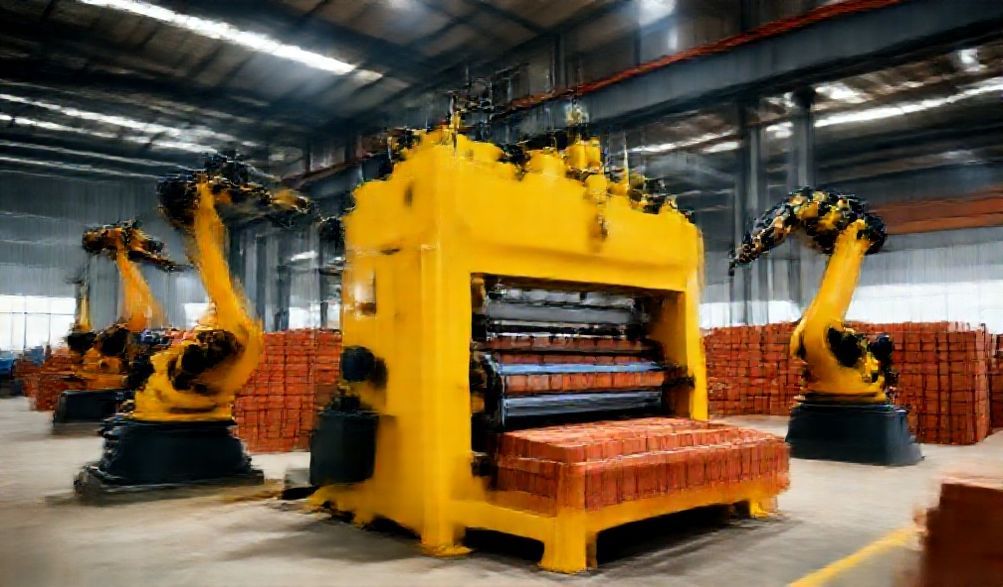
* 자동화 통합:현대 공장은 완전 자동화된 생산 라인, 로봇 팔레트 적재기, 컴퓨터화된 배치 시스템을 갖춘 기계를 생산합니다.
* 제어와 정밀함프로그래머블 로직 컨트롤러(PLC)와 터치스크린 HMI의 광범위한 도입은 압력, 진동 주파수, 경화 주기 등을 정밀하게 제어하여 일관된 벽돌 품질을 보장합니다.
* 에너지 효율적인 디자인:새로운 모델은 최적화된 유압 시스템과 지능형 사이클 관리를 통해 전력 소비를 줄여 운영 비용을 낮추는 데 중점을 두고 있습니다.
다양한 필요에 맞는 폭넓은 제품 라인업
개발도상국의 소규모 기업가부터 대규모 건설 대기업에 이르기까지, 그 작업에는 중국에서 제작된 기계가 있습니다. 이러한 범위는 전 세계 시장의 매우 다양한 요구, 자본 예산 및 노동 조건에 부응한 직접적인 결과입니다. 이러한 다양성은 우리를 여러분의 결정 핵심으로 자연스럽게 이끌어, 이용 가능한 기계의 종류를 이해하게 합니다.
중국 공장의 벽돌 제조 기계 유형
중국 공장에서는 다양한 기계를 생산합니다. 적절한 유형을 선택하는 것은 첫 번째이자 가장 중요한 기술적 결정입니다. 구매자들이 검색하는 특정 키워드를 대상으로 주요 기술들을 분류해 보겠습니다.
유압 프레스 벽돌 제조 기계
이 기계들은 높은 유압을 이용하여 원료(콘크리트, 플라이 애시, 흙)를 금형에 압축하여 매우 고밀도이고 내구성 있는 벽돌을 생산합니다.
* 원칙유압 실린더를 통한 정적 압축.
* 최적 사용 사례:고강도 포장석, 경계석, 인터로킹 벽돌 및 고밀도와 세련된 마감이 요구되는 고체 블록 생산에 이상적입니다.
* 전형적인 출력중간 규모(예: 8시간 교대당 5,000개 벽돌 생산)부터 대규모 산업 생산까지 다양합니다.
콘크리트 블록 제조 기계
This is the most common and versatile category for producing hollow blocks, solid blocks, and fly ash bricks. They primarily use vibration and compaction.
* Stationary Models: High-output machines that produce blocks at a fixed location, with products moved via conveyor or forklift. Suited for large-scale plants.
* Mobile Models (Egg-Layers): Smaller, movable machines that produce and deposit blocks directly on the ground. Perfect for small businesses and on-site production with lower capital investment.
* 응용 분야: From standard hollow blocks for construction to specialized interlocking bricks for landscaping.
Clay Brick Making Machines (Extruders)
For traditional clay brick production, Chinese factories offer robust extruder systems.
* 프로세스: Clay is mixed, extruded through a die to form a continuous column (the “clay column”), and then cut into individual bricks by automatic cutters.
* Components: The system typically includes a clay crusher, mixer, extruder, cutter, and sometimes automatic stackers.
* 출력: Can be configured for very high-volume production suitable for dedicated brickfields.
Automatic vs. Semi-Automatic vs. Manual Models
This comparison is crucial for aligning the machine with your budget, labor availability, and production goals.
* 완전 자동 High capital cost, minimal labor (1-2 operators), very high and consistent output. Requires stable power supply. Best for established businesses focusing on volume.
* 반자동 Moderate capital cost. Operators manually feed pallets or remove finished products, while the core molding process is automated. Offers a good balance of output and affordability.
* Manual/Small: Lowest capital cost. Labor-intensive, lower output. Ideal for micro-enterprises, community projects, or testing a market. Often uses lever or small motor-driven mechanisms.
How to Verify a Trustworthy China Brick Machine Factory
This is the heart of a successful purchase. Due diligence separates a profitable partnership from a costly mistake. This section builds the Trustworthiness and Authoritativeness of your sourcing process.
Essential Factory Credentials and Certifications
Always request and verify these documents. A professional factory will provide them readily.
* Business License (营业执照): Confirms the legal entity and registered scope of business.
* ISO 9001 인증: Indicates the factory has a documented Quality Management System (QMS) for consistent production and customer service processes.
* CE Certification (for export to many regions): Signifies the machine meets EU health, safety, and environmental protection standards. Note: Understand the difference between a self-issued CE and one from a notified body.
* Patents: Ownership of product patents can be a sign of R&D investment and innovation.
The Critical Role of Factory Audits (Virtual & Physical)
Never skip the audit. If a physical visit isn’t feasible, a virtual audit is non-negotiable.
* Physical Audit Checklist:
* Observe active production lines—look for organization and safety.
* Inspect the quality control area for testing equipment (e.g., compression testers).
* Check raw material (steel plate, components) storage for quality.
* Ask to see the R&D or engineering department.
* Virtual Audit via Video Call:
* Schedule a live walkthrough. A refusal is a major red flag.
* Ask them to show specific areas: assembly floor, painting booth, finished goods warehouse, and their QC process in action.
* Speak directly to a senior engineer or production manager, not just a sales agent.
Analyzing Customer Reviews and Case Studies
Go beyond the testimonials on the factory’s website.
* Seek Third-Party Platforms: Look for client feedback on B2B platforms like Made-in-China.com or Alibaba.com, but read critically.
* Discern Genuine Reviews: Genuine reviews often include specific details (machine model, project location, minor issues resolved). Vague, overly glowing reviews may be fabricated.
* Demand References: Ask the sales representative for 2-3 client references in a region similar to yours (e.g., similar climate, raw materials). Contact them directly to ask about machine performance and after-sales support.
Key Selection Criteria Beyond the Price Tag
The cheapest machine is often the most expensive in the long run. Use these insider criteria to evaluate true value.
Production Capacity and Brick Specifications
Match the machine to your business plan, not the other way around.
* Output Reality-Check: A factory may state “5,000 blocks per hour.” Clarify if this is under ideal, continuous conditions. Ask for a realistic, sustainable “blocks per 8-hour shift” figure.
* 금형 맞춤 제작: Your brick design defines your product. Confirm the factory can design and manufacture custom molds for your required brick size, shape, and interlocking pattern. Ask about mold steel quality and lead time.
Machine Durability and Core Components
The quality of key components dictates lifespan and uptime.
* Critical Parts to Inquire About:
* 유압 시스템: Pumps, valves, and cylinders. Brands like Rexroth, Yuken, or reliable Chinese brands are positive indicators.
* 구조적 프레임: Should be made from thick, reinforced steel plate, not lightweight sections.
* 곰팡이: Hardened steel (e.g., Cr12MoV) is essential for longevity.
* Electrical Controls: Siemens, Schneider, or Omron components suggest a higher standard.
* Ask for a detailed component brand list in the quotation.
Energy Efficiency and Operational Costs
Calculate the Total Cost of Ownership (TCO).
* Power Rating: Compare the total kW power consumption of shortlisted models. A slightly higher-priced machine with a more efficient system can save thousands in electricity.
* 착용 부품: Understand the cost and sourcing process for common wear parts like mold liners, seal kits, and vibration motor bearings.
* Lifecycle Analysis: A robust machine running for 10+ years with standard maintenance offers far better value than a cheaper machine needing major overhauls after 3 years.
Navigating Purchase, Shipping, and After-Sales Service
Transparently addressing these logistical and support aspects builds final-stage trust and ensures a smooth project conclusion.
Understanding Incoterms and Logistics
Clarity here prevents unexpected costs and responsibilities.
* FOB (본선 인도 조건): You pay for the machine loaded on the ship at the Chinese port. You control and pay for the main sea freight, insurance, and destination port costs. Offers more control and often lower total cost.
* 비용, 보험 및 운임 포함(CIF): The supplier arranges and pays for sea freight and insurance to your nearest port. It’s simpler but usually more expensive, and you relinquish control over carrier choice.
* Timeline: From order confirmation to delivery at your port, typically allow 30-60 days, accounting for production, inland transport, customs clearance, and sailing.
Payment Terms and Protecting Your Investment
Standard terms exist, but structure them to mitigate risk.
* Common Terms: Telegraphic Transfer (T/T) is most common. A typical structure is 30% deposit, 70% before shipment.
* Secure Payment Advice: For your first order or with a new supplier, negotiate a portion (e.g., 10-20%) to be paid after receiving proof of shipment (copy of Bill of Lading). This provides significant leverage.
* Letter of Credit (L/C): More secure but involves bank fees. Suitable for very large orders.
The Non-Negotiable: After-Sales Support
This is where reputable factories truly distinguish themselves. Robust after-sales support is a critical component of E-E-A-T.
* 보증: Standard is 12 months for the machine, excluding wear parts. Clarify what is covered and the process for claiming.
* Technical Documentation: Expect detailed English manuals, electrical diagrams, and hydraulic schematics.
* Installation Guidance: Comprehensive installation manuals and video guides should be provided. Many factories offer remote video support during commissioning.
* 예비 부품 가용성: Confirm that common spare parts are kept in stock and can be shipped via air express within days, not weeks.
* 기술 지원 The factory should provide 24/7 responsive support via WhatsApp, WeChat, or email for troubleshooting.
자주 묻는 질문 (FAQ)
Q1: What is the average lead time for a brick making machine from China?
A: For a standard model from stock, expect 15-30 days. For a customized machine (different color, specific components, custom molds), lead time typically ranges from 30 to 60 days, depending on factory workload and customization complexity.
Q2: Can Chinese factories customize machines for my local materials?
A: Yes, most reputable factories have engineering teams that can adapt machine parameters (vibration force, pressure, moisture content) for your specific raw materials (e.g., local soil, fly ash, aggregate size). It is critical to provide them with detailed material samples and lab test reports for optimal results.
Q3: How do I handle machine installation and operator training?
A: Detailed manuals and video guides are standard. Many factories offer the optional service of sending an engineer for on-site installation and training, at an additional cost covering their flight, visa, and daily allowance. For DIY installation, having a local mechanic or electrician familiar with industrial equipment is highly recommended.
Q4: What is the minimum order quantity (MOQ) for a China brick machine factory?
A: For the machinery itself, the MOQ is usually 1 unit. However, if you are ordering custom molds or a large batch of spare parts, there may be an MOQ (e.g., 1 set for molds, 10 pieces for a specific seal). Always confirm this in writing.
Q5: How can I verify the quality before the machine ships?
A: Insist on a pre-shipment inspection and video test. You or a hired third-party inspection agent can visit the factory to witness a full production cycle under load. As a minimum, require a high-quality video showing the machine’s complete operation, cycle time, and the finished brick samples.
결론
Sourcing a brick making machine from China is a significant investment that, when done correctly, can yield tremendous returns for your business or project. The journey involves understanding China’s manufacturing landscape, selecting the appropriate technology, and, most importantly, conducting rigorous due diligence on your chosen 중국 벽돌 제조 기계 공장.
We’ve moved from the macro advantages of scale and innovation to the micro-details of component quality and payment terms. The thread connecting each step is the need for Expertise, Authoritativeness, and Trustworthiness—in both your approach and the supplier you select.
Your final decision should prioritize a factory that demonstrates a balanced combination of proven quality, transparent communication, and robust, long-term after-sales support. The absolute lowest price often comes with the highest hidden risk.
Call to Action: Begin your sourcing process with the checklist from this guide in hand. Approach potential suppliers with detailed, technical questions. Request audits, verify credentials, and speak to past clients. By doing so, you transform from a hopeful buyer into an informed partner, ready to secure a machine that will build your success for years to come.
<