
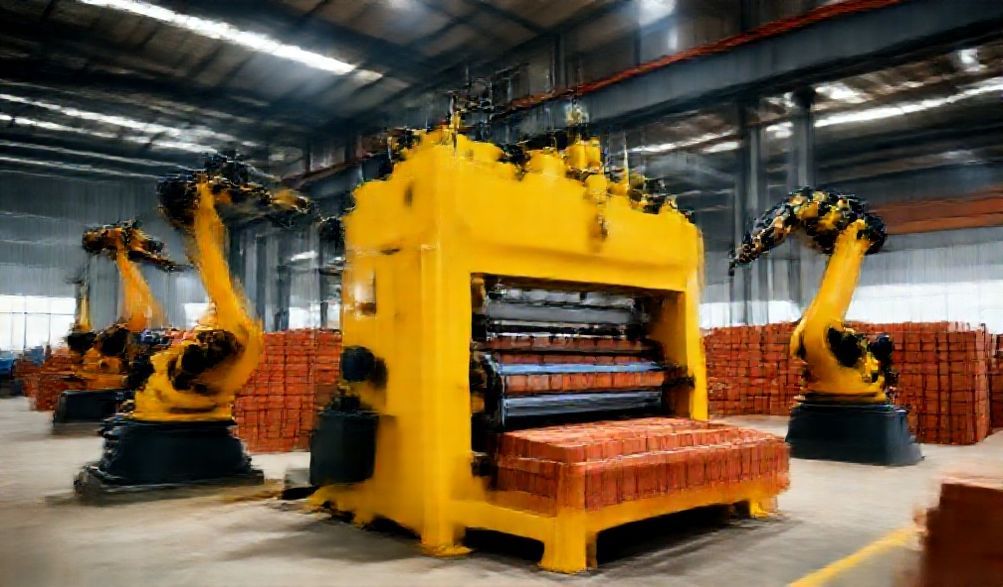
Hướng Dẫn Toàn Diện Để Tìm Nguồn Nhà Máy Máy Sản Xuất Gạch Đáng Tin Cậy Tại Trung Quốc
Giới thiệu
Ngành xây dựng toàn cầu vận hành dựa trên gạch và khối xây. Từ các dự án nhà ở giá rẻ đến những thiết kế kiến trúc cao cấp, nhu cầu về vật liệu xây dựng đáng tin cậy và tiết kiệm chi phí là không ngừng. Để đáp ứng nhu cầu này, các doanh nhân và công ty xây dựng trên khắp thế giới đang hướng đến một nguồn cung chính cho thiết bị cốt lõi của họ: Trung Quốc.
Trung Quốc đã củng cố vị thế là trung tâm sản xuất máy làm gạch toàn cầu không thể tranh cãi. Nhưng việc tìm hiểu thị trường rộng lớn này có thể khiến bạn choáng ngợp. Làm thế nào để phân biệt các nhà sản xuất uy tín với những đơn vị còn lại? Hướng dẫn này sẽ là lộ trình chuyên gia, minh bạch dành cho bạn.
Được xây dựng dựa trên phân tích ngành, kinh nghiệm kiểm tra nhà máy và hiểu biết sâu sắc về xu hướng thị trường, tài nguyên này được thiết kế để xây dựngChuyên môn, Tính thẩm quyền và Độ tin cậy (E-E-A-T)Trong quy trình tìm nguồn cung ứng, chúng ta sẽ vượt ra khỏi việc so sánh giá cả đơn thuần để tập trung vào giá trị, độ tin cậy và mối quan hệ hợp tác lâu dài.
Mục tiêu của bạn là tìm một tổ chức uy tín中国制砖机工厂hiểu rõ các yếu tố khác biệt quan trọng về chất lượng, xử lý các vấn đề hậu cần phức tạp, hoặc đảm bảo lợi nhuận tối đa cho khoản đầu tư của bạn, hướng dẫn này bao gồm tất cả.
Đây là những gì chúng ta sẽ khám phá:
* 中国的优势地位:Tại sao nó lại là trung tâm toàn cầu cho loại máy móc này.
* Các Loại Máy Móc:Phân tích chi tiết các công nghệ hiện có.
* Xác Minh Nhà Máy:Cách kiểm toán và tin tưởng nhà cung cấp của bạn.
* Tiêu chí Lựa chọn:Những yếu tố quan trọng vượt ra ngoài mức giá ban đầu.
* Hậu cần & Hỗ trợĐiều hướng quá trình mua hàng, vận chuyển và dịch vụ hậu mãi quan trọng.
Hãy bắt đầu hành trình mua sắm thông minh và sáng suốt của bạn.
Tại sao Trung Quốc là Trung tâm Toàn cầu về Máy Sản xuất Gạch
Sự trỗi dậy của Trung Quốc với tư cách là "sàn nhà máy của thế giới" không phải là điều ngẫu nhiên, đặc biệt trong lĩnh vực thiết bị công nghiệp nặng như máy sản xuất gạch. Vị thế thống trị này được xây dựng dựa trên hàng thập kỷ phát triển chuỗi cung ứng, đầu tư cơ sở hạ tầng quy mô lớn và nỗ lực không ngừng nâng cao hiệu quả công nghiệp. Đối với người mua, điều này mang đến sự lựa chọn vô song và lợi thế cạnh tranh, với điều kiện bạn biết cách tìm kiếm đúng nơi.
Lợi thế về Quy mô và Chi phí
Quy mô to lớn của hệ sinh thái sản xuất Trung Quốc tạo ra những lợi thế kinh tế đáng kể cho người mua cuối cùng.
* Chuỗi cung ứng tập trungCác thành phần chính—từ thép cao cấp và xi lanh thủy lực đến hệ thống điều khiển PLC—đều được tìm nguồn cung ứng tại địa phương và với số lượng lớn, giúp giảm chi phí nguyên vật liệu.
* Cụm Công Nghiệp Trưởng Thành:Các khu vực chuyên biệt hóa trong lĩnh vực máy móc xây dựng, thúc đẩy cạnh tranh, đổi mới và hiệu quả giữa các doanh nghiệp.nhà máy sản xuất máy gạch.
* Định Giá Cạnh Tranh:Hệ sinh thái tích hợp này cho phép các nhà máy Trung Quốc cung cấp máy móc tiên tiến với mức giá thường thấp hơn 30-50% so với các đối thủ châu Âu hoặc Mỹ, mà không nhất thiết phải hy sinh chức năng cốt lõi.
Tiến bộ và Đổi mới Công nghệ
"中国制造只是廉价山寨品"的陈旧观念早已过时。如今,领先的中国工厂正站在实用创新的最前沿。
* Tích hợp Tự động hóa:Các nhà máy hiện đại sản xuất máy móc với dây chuyền sản xuất tự động hoàn toàn, hệ thống xếp pallet bằng robot và hệ thống định lượng bằng máy tính.
* Kiểm soát & Độ chính xác:Việc áp dụng rộng rãi Bộ điều khiển logic khả trình (PLC) và HMI màn hình cảm ứng cho phép kiểm soát chính xác áp suất, tần số rung và chu trình đóng rắn, đảm bảo chất lượng gạch đồng đều.
* Thiết kế Tiết kiệm Năng lượng:Các mẫu mới hơn tập trung vào việc giảm mức tiêu thụ điện năng thông qua hệ thống thủy lực được tối ưu hóa và quản lý chu trình thông minh, từ đó hạ thấp chi phí vận hành của bạn.
Đa Dạng Sản Phẩm Cho Mọi Nhu Cầu
Từ một doanh nhân nhỏ ở quốc gia đang phát triển đến một tập đoàn xây dựng quy mô lớn, luôn có một cỗ máy được sản xuất tại Trung Quốc phù hợp với nhiệm vụ. Phạm vi đa dạng này là kết quả trực tiếp của việc đáp ứng thị trường toàn cầu với những nhu cầu, ngân sách vốn và điều kiện lao động rất khác biệt. Sự đa dạng này một cách tự nhiên dẫn chúng ta đến trọng tâm của quyết định: hiểu rõ các loại máy móc hiện có.
Các Loại Máy Sản Xuất Gạch từ Nhà Máy Trung Quốc
Các nhà máy Trung Quốc sản xuất một loạt máy móc đa dạng. Việc lựa chọn đúng loại là quyết định kỹ thuật đầu tiên và quan trọng nhất của bạn. Dưới đây là phân tích các công nghệ chính, nhắm đến các từ khóa cụ thể mà người mua thường tìm kiếm.
Máy Ép Gạch Thủy Lực
Những máy này sử dụng áp suất thủy lực cao để nén nguyên liệu thô (bê tông, tro bay, đất) vào khuôn, tạo ra những viên gạch cực kỳ chắc chắn và bền bỉ.
* Nguyên tắc:Nén tĩnh thông qua xi lanh thủy lực.
* Các Trường Hợp Sử Dụng Tốt Nhất:Lý tưởng để sản xuất đá lát cường độ cao, đá vỉa hè, gạch lát liên kết và khối đặc, nơi yêu cầu độ đặc chắc cao và bề mặt hoàn thiện mịn.
* Đầu ra điển hình: Ranges from mid-volume (e.g., 5,000 bricks per 8-hour shift) to high-volume industrial output.
Concrete Block Making Machines
This is the most common and versatile category for producing hollow blocks, solid blocks, and fly ash bricks. They primarily use vibration and compaction.
* Stationary Models: High-output machines that produce blocks at a fixed location, with products moved via conveyor or forklift. Suited for large-scale plants.
* Mobile Models (Egg-Layers): Smaller, movable machines that produce and deposit blocks directly on the ground. Perfect for small businesses and on-site production with lower capital investment.
* Ứng dụng: From standard hollow blocks for construction to specialized interlocking bricks for landscaping.
Clay Brick Making Machines (Extruders)
For traditional clay brick production, Chinese factories offer robust extruder systems.
* Quy trình: Clay is mixed, extruded through a die to form a continuous column (the “clay column”), and then cut into individual bricks by automatic cutters.
* Components: The system typically includes a clay crusher, mixer, extruder, cutter, and sometimes automatic stackers.
* Đầu ra: Can be configured for very high-volume production suitable for dedicated brickfields.
Automatic vs. Semi-Automatic vs. Manual Models
This comparison is crucial for aligning the machine with your budget, labor availability, and production goals.
* Hoàn Toàn Tự Động: High capital cost, minimal labor (1-2 operators), very high and consistent output. Requires stable power supply. Best for established businesses focusing on volume.
* Bán Tự Động: Moderate capital cost. Operators manually feed pallets or remove finished products, while the core molding process is automated. Offers a good balance of output and affordability.
* Manual/Small: Lowest capital cost. Labor-intensive, lower output. Ideal for micro-enterprises, community projects, or testing a market. Often uses lever or small motor-driven mechanisms.
How to Verify a Trustworthy China Brick Machine Factory
This is the heart of a successful purchase. Due diligence separates a profitable partnership from a costly mistake. This section builds the Trustworthiness and Authoritativeness of your sourcing process.
Essential Factory Credentials and Certifications
Always request and verify these documents. A professional factory will provide them readily.
* Business License (营业执照): Confirms the legal entity and registered scope of business.
* ISO 9001 Certification: Indicates the factory has a documented Quality Management System (QMS) for consistent production and customer service processes.
* CE Certification (for export to many regions): Signifies the machine meets EU health, safety, and environmental protection standards. Note: Understand the difference between a self-issued CE and one from a notified body.
* Patents: Ownership of product patents can be a sign of R&D investment and innovation.
The Critical Role of Factory Audits (Virtual & Physical)
Never skip the audit. If a physical visit isn’t feasible, a virtual audit is non-negotiable.
* Physical Audit Checklist:
* Observe active production lines—look for organization and safety.
* Inspect the quality control area for testing equipment (e.g., compression testers).
* Check raw material (steel plate, components) storage for quality.
* Ask to see the R&D or engineering department.
* Virtual Audit via Video Call:
* Schedule a live walkthrough. A refusal is a major red flag.
* Ask them to show specific areas: assembly floor, painting booth, finished goods warehouse, and their QC process in action.
* Speak directly to a senior engineer or production manager, not just a sales agent.
Analyzing Customer Reviews and Case Studies
Go beyond the testimonials on the factory’s website.
* Seek Third-Party Platforms: Look for client feedback on B2B platforms like Made-in-China.com or Alibaba.com, but read critically.
* Discern Genuine Reviews: Genuine reviews often include specific details (machine model, project location, minor issues resolved). Vague, overly glowing reviews may be fabricated.
* Demand References: Ask the sales representative for 2-3 client references in a region similar to yours (e.g., similar climate, raw materials). Contact them directly to ask about machine performance and after-sales support.
Key Selection Criteria Beyond the Price Tag
The cheapest machine is often the most expensive in the long run. Use these insider criteria to evaluate true value.
Production Capacity and Brick Specifications
Match the machine to your business plan, not the other way around.
* Output Reality-Check: A factory may state “5,000 blocks per hour.” Clarify if this is under ideal, continuous conditions. Ask for a realistic, sustainable “blocks per 8-hour shift” figure.
* Tùy chỉnh Khuôn mẫu: Your brick design defines your product. Confirm the factory can design and manufacture custom molds for your required brick size, shape, and interlocking pattern. Ask about mold steel quality and lead time.
Machine Durability and Core Components
The quality of key components dictates lifespan and uptime.
* Critical Parts to Inquire About:
* Hệ thống thủy lực: Pumps, valves, and cylinders. Brands like Rexroth, Yuken, or reliable Chinese brands are positive indicators.
* Khung cấu trúc: Should be made from thick, reinforced steel plate, not lightweight sections.
* Khuôn mẫu: Hardened steel (e.g., Cr12MoV) is essential for longevity.
* Điều khiển Điện tử: Siemens, Schneider, or Omron components suggest a higher standard.
* Ask for a detailed component brand list in the quotation.
Energy Efficiency and Operational Costs
Calculate the Total Cost of Ownership (TCO).
* Power Rating: Compare the total kW power consumption of shortlisted models. A slightly higher-priced machine with a more efficient system can save thousands in electricity.
* Bộ phận hao mòn: Understand the cost and sourcing process for common wear parts like mold liners, seal kits, and vibration motor bearings.
* Lifecycle Analysis: A robust machine running for 10+ years with standard maintenance offers far better value than a cheaper machine needing major overhauls after 3 years.
Navigating Purchase, Shipping, and After-Sales Service
Transparently addressing these logistical and support aspects builds final-stage trust and ensures a smooth project conclusion.
Understanding Incoterms and Logistics
Clarity here prevents unexpected costs and responsibilities.
* FOB (Giao hàng lên tàu): You pay for the machine loaded on the ship at the Chinese port. You control and pay for the main sea freight, insurance, and destination port costs. Offers more control and often lower total cost.
* CIF (Chi phí, Bảo hiểm và Cước phí): The supplier arranges and pays for sea freight and insurance to your nearest port. It’s simpler but usually more expensive, and you relinquish control over carrier choice.
* Timeline: From order confirmation to delivery at your port, typically allow 30-60 days, accounting for production, inland transport, customs clearance, and sailing.
Payment Terms and Protecting Your Investment
Standard terms exist, but structure them to mitigate risk.
* Common Terms: Telegraphic Transfer (T/T) is most common. A typical structure is 30% deposit, 70% before shipment.
* Secure Payment Advice: For your first order or with a new supplier, negotiate a portion (e.g., 10-20%) to be paid after receiving proof of shipment (copy of Bill of Lading). This provides significant leverage.
* Letter of Credit (L/C): More secure but involves bank fees. Suitable for very large orders.
The Non-Negotiable: After-Sales Support
This is where reputable factories truly distinguish themselves. Robust after-sales support is a critical component of E-E-A-T.
* Bảo hành: Standard is 12 months for the machine, excluding wear parts. Clarify what is covered and the process for claiming.
* Technical Documentation: Expect detailed English manuals, electrical diagrams, and hydraulic schematics.
* Installation Guidance: Comprehensive installation manuals and video guides should be provided. Many factories offer remote video support during commissioning.
* Sẵn có Phụ tùng Thay thế: Confirm that common spare parts are kept in stock and can be shipped via air express within days, not weeks.
* Hỗ trợ Kỹ thuật: The factory should provide 24/7 responsive support via WhatsApp, WeChat, or email for troubleshooting.
Các Câu Hỏi Thường Gặp (FAQ)
Q1: What is the average lead time for a brick making machine from China?
A: For a standard model from stock, expect 15-30 days. For a customized machine (different color, specific components, custom molds), lead time typically ranges from 30 to 60 days, depending on factory workload and customization complexity.
Q2: Can Chinese factories customize machines for my local materials?
A: Yes, most reputable factories have engineering teams that can adapt machine parameters (vibration force, pressure, moisture content) for your specific raw materials (e.g., local soil, fly ash, aggregate size). It is critical to provide them with detailed material samples and lab test reports for optimal results.
Q3: How do I handle machine installation and operator training?
A: Detailed manuals and video guides are standard. Many factories offer the optional service of sending an engineer for on-site installation and training, at an additional cost covering their flight, visa, and daily allowance. For DIY installation, having a local mechanic or electrician familiar with industrial equipment is highly recommended.
Q4: What is the minimum order quantity (MOQ) for a China brick machine factory?
A: For the machinery itself, the MOQ is usually 1 unit. However, if you are ordering custom molds or a large batch of spare parts, there may be an MOQ (e.g., 1 set for molds, 10 pieces for a specific seal). Always confirm this in writing.
Q5: How can I verify the quality before the machine ships?
A:Kiên trì với mộtpre-shipment inspection and video test. You or a hired third-party inspection agent can visit the factory to witness a full production cycle under load. As a minimum, require a high-quality video showing the machine’s complete operation, cycle time, and the finished brick samples.
Conclusion
Sourcing a brick making machine from China is a significant investment that, when done correctly, can yield tremendous returns for your business or project. The journey involves understanding China’s manufacturing landscape, selecting the appropriate technology, and, most importantly, conducting rigorous due diligence on your chosen 中国制砖机工厂.
We’ve moved from the macro advantages of scale and innovation to the micro-details of component quality and payment terms. The thread connecting each step is the need for Expertise, Authoritativeness, and Trustworthiness—in both your approach and the supplier you select.
Your final decision should prioritize a factory that demonstrates a balanced combination of proven quality, transparent communication, and robust, long-term after-sales support. The absolute lowest price often comes with the highest hidden risk.
Call to Action: Begin your sourcing process with the checklist from this guide in hand. Approach potential suppliers with detailed, technical questions. Request audits, verify credentials, and speak to past clients. By doing so, you transform from a hopeful buyer into an informed partner, ready to secure a machine that will build your success for years to come.
<