
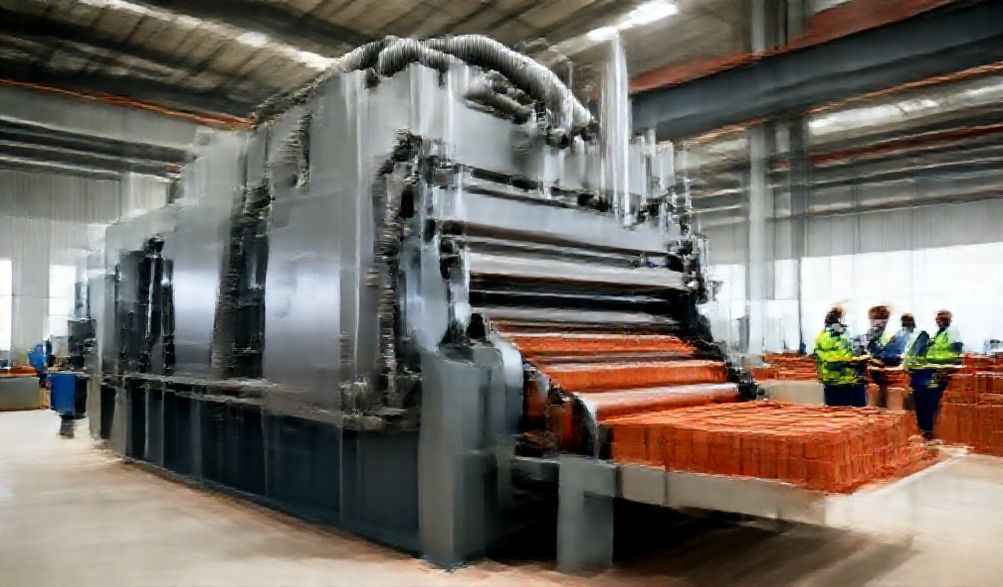
믿을 수 있는 점토 벽돌 제조 기계 공장을 선택하는 최종 가이드
소개
글로벌 건설 산업은 내구성, 신뢰성, 지속 가능성이 확보된 소재를 기반으로 구축됩니다. 이 중심에는 소박한 주택부터 높이 솟은 인프라에 이르기까지, 겸손한 점토 벽돌이 자리 잡고 있습니다. 그러나 일관되고 고품질의 벽돌 하나하나 뒤에는 정밀 공학의 산물인 점토 벽돌 제조 기계가 있습니다. 적합한 기계를 선택하는 것은 중대한 결정이지만, 더욱 중요한 것은공장이를 구축하는 것입니다. 이것은 단순한 구매가 아닙니다; 이는 장기적인 자본 투자이자 앞으로 수년간 여러분의 생산 품질, 효율성 및 수익성을 결정할 파트너십입니다.
이 가이드는 기계의 진정한 비용이 단순한 가격표가 아닌 총 수명 가치에 있음을 이해하는 사업주, 공장 관리자 및 건설 기업인을 위해 제작되었습니다. 심층적인 산업 분석, 공학적 원칙 및 수십 년간의 시장 경험을 바탕으로, 이 글은 포괄적인 내부자 매뉴얼 역할을 합니다. 우리는 화려한 브로셔와 판매 얘기를 넘어 공장을 신뢰할 수 있는 파트너로 만드는 핵심으로 들어가 보겠습니다.
여러분의 이상적인 파트너를 찾는 여정은 여기에서 시작됩니다. 우리는 최상급 공장의 핵심 특징을 분석하고, 기대해야 할 주요 장비를 살펴보며, 단계별 검증 청사진을 제공하고, 장비가 여러분의 현장에 설치된 후에도 장기적인 성공을 보장하는 방법을 설명할 것입니다. 현명한 투자의 기초를 함께 다져봅시다.
최고급 점토 벽돌 제조 기계 공장을 정의하는 것은 무엇인가?
글로벌 기계 제조사 시장을 탐색하는 것은 어려운 일일 수 있습니다. 진정한 업계 리더와 단순 조립업체를 구분하려면 네 가지 기본 요소에 집중해야 합니다. 이는 공급업체와 가치를 창출하는 파트너를 가르는 절대적인 특성들입니다.
검증된 업계 경험과 장기 운영 실적
중장비 분야에서 시장에서의 시간은 단순한 숫자가 아닌, 회복력, 적응력, 그리고 축적된 문제 해결 지식의 증거입니다.
- 왜 중요한가:20년 역사를 가진 공장은 수십 가지 기계 설계를 거쳐왔고, 수많은 현장 문제를 해결했으며, 기술 및 재료 발전과 함께 진화해왔습니다. 이러한 깊은 경험은 더욱 신뢰할 수 있고, 정제되었으며, 현장에서 검증된 장비로 이어집니다.
- 확인 방법:그들의 말만 믿지 마세요. 프로젝트 포트폴리오를 꼼꼼히 검토하세요. 신뢰할 수 있는 공장은 자랑스럽게 다음을 선보일 것입니다:
- 다양한 지역과 기후 조건의 사례 연구
- 소규모 운영업체부터 대규모 산업 플랜트에 이르기까지 다양한 고객사 목록입니다.
- 그들의 모델 진화 타임라인, 지속적인 개선을 보여줍니다.
사내 엔지니어링 및 연구개발 역량
가장 중요한 적신호는 단순히 부품을 조달하여 조립하는 공장입니다. 위대한 기계의 영혼은 그 설계에 있습니다.
- 디자인의 중요성내부 엔지니어링 팀은 공장이 이해한다는 것을 의미합니다.왜모든 용접, 기어비, 유압 회로 뒤에는 다음과 같은 것들이 있습니다.
- 맞춤 설정:당신의 특정 점토 특성과 벽돌 디자인에 맞춘 기계 맞춤화.
- 혁신: Developing features for greater energy efficiency, automation, and reduced waste.
- Coherent Design: Ensuring all components, from the mixer to the press, are optimally matched for seamless operation.
- Signs of Investment: Look for mentions of dedicated R&D departments, partnerships with technical institutes, patents held, and regular launch of upgraded models.
Manufacturing Standards and Quality Control Protocols
This is where corporate promises meet the reality of metal and motors. The factory’s internal discipline directly dictates your machine’s lifespan and uptime.
- 인증서를 기준으로: ISO 9001 certification is a strong indicator of a systematic approach to quality management, though it’s a starting point, not a guarantee.
- 자재 조달 Inquire about the provenance of critical components. What grade of steel is used for the frame and mold? Who supplies the hydraulic systems, motors, and PLCs? Brands matter.
- Stage-by-Stage Inspection: A rigorous factory will have documented QC checkpoints at every assembly stage—from machining of parts to final performance testing. Ask for their QC protocol documentation.
Comprehensive After-Sales Support Ecosystem
The moment your machine ships is when the true test of the factory begins. A machine is useless if it stops and you can’t get it running again.
- The Non-Negotiables: A full support package includes:
- Detailed Installation & Commissioning Guidance: Either through supervised installation or exhaustive manuals and remote support.
- Thorough Operator Training: On-site training for your team is crucial for safety, efficiency, and basic troubleshooting.
- Clear and Fair Warranty: Typically 12-24 months for core components. Read the terms meticulously.
- 쉽게 구할 수 있는 예비 부품 A factory should maintain an inventory of wear-and-tear parts (like mold liners, seals, cutter wires) and guarantee their availability for years.
Key Machinery and Production Lines to Look For
A deep understanding of the equipment itself allows you to have intelligent, technical discussions with potential factories. Here’s what constitutes a modern clay brick production line.
Core Equipment: The Brick Making Machine Itself
This is the heart of your operation. The choice depends on your production scale, product type, and clay characteristics.
- Static Press (or Hydraulic Press): Ideal for high-density, high-strength bricks and pavers. It uses immense hydraulic pressure (measured in tons) in a mold box. Best for:
- Producing a wide variety of shapes and sizes with sharp edges.
- Lower-clay-shrinkage products.
- Medium to high-volume production.
- Extruder (or Wire-Cut Machine): The classic method for standard solid or perforated bricks. Clay is forced through a die to form a continuous column, which is then cut into bricks. Best for:
- Very high-volume production of standard-shaped bricks.
- Softer clay types.
- Often associated with tunnel kiln drying and firing.
Critical Specifications to Compare:
* 압력/톤수: Dictates brick density and strength.
* 출력 용량: Bricks per hour (on a standard 8-hour cycle).
* 자동화 수준: Manual, semi-automatic, or fully automatic (with robotic handling).
* 전력 요구 사항 Total connected load in kW.
Essential Supporting Machinery for a Complete Plant
A brick making machine doesn’t work in isolation. It’s part of an integrated system.
- Clay Preparation Line: This ensures consistent raw material feed.
- Crusher & Grinder: Reduces raw clay to a uniform particle size.
- 피더 및 믹서: Precisely blends clay with water (and additives if needed) to achieve the perfect plasticity.
- 자재 취급 Conveyors (belt or roller) seamlessly move material between stages, reducing labor and spillage.
- Downstream Handling: Automated systems for cutting (for extruders), stacking, and palletizing green bricks for drying, which drastically reduce handling damage.
The Role of Technology: Automation and Smart Controls
Modern factories integrate technology not as a gimmick, but as a core driver of quality and profit.
- PLC & Touch-Screen Interfaces: Programmable Logic Controllers (PLCs) have replaced manual levers and switches. They allow for:
- Precise, repeatable control over pressure, cycle times, and mixing.
- Recipe storage for different brick products.
- Simplified operation and reduced human error.
- The IoT Future: Leading factories are now incorporating sensors and connectivity for:
- Remote Monitoring: Allowing factory engineers to diagnose issues from afar.
- 예측적 유지보수: Analyzing vibration, temperature, and pressure data to schedule maintenance 이전 a breakdown occurs.
- Production Data Analytics: Tracking OEE (Overall Equipment Effectiveness) in real-time.
A Step-by-Step Guide to Vetting and Selecting Your Factory Partner
Armed with knowledge, you can now systematically evaluate potential partners. Follow this actionable framework.
Step 1: Deep-Dive Research and Shortlisting
Cast a wide net, but filter intelligently.
- Sources: Use B2B platforms (Alibaba, Made-in-China) with a critical eye, industry directories, and trade associations. The most valuable source is peer referrals from within your network.
- Critical Analysis: When reviewing factory websites and brochures, look for substance over style. Do they provide detailed CAD drawings, technical data sheets, and videos of actual factory operations? Be wary of stock photos and vague claims.
Step 2: The Critical Technical and Commercial Dialogue
Your first direct contact should be a detailed inquiry, not just a “please send price” email.
- Technical Checklist:
- Can you provide a test report using a sample of our local clay?
- What is the expected brick strength (compressive) and dimensional accuracy?
- What are the power consumption details per 1,000 bricks?
- What is the recommended maintenance schedule and list of critical spare parts?
- Commercial Clarity:
- Request a detailed Proforma Invoice breaking down all costs.
- Clarify Incoterms (e.g., FOB, CIF)—who is responsible for shipping, insurance, and customs at which point?
- Understand payment terms (e.g., 30% deposit, 70% before shipment) and the projected delivery timeline.
Step 3: The Importance of Factory Audits and Site Visits
If the investment is significant, this step is invaluable.
- Virtual Audit: A live video tour of the factory floor via Zoom/Teams. Ask to see the welding bays, assembly lines, and QC testing areas. Observe the organization and worker expertise.
- Physical Visit (Highly Recommended): Nothing replaces being there. You can:
- Assess the build quality firsthand.
- Meet the engineering and management team.
- Feel the company culture. Is it professional, transparent, and confident?
Step 4: Evaluating Client References and Testimonials
Go beyond the list the factory provides.
- Strategic Questions for References:
- “What was the on-time delivery and installation experience like?”
- “How has the machine’s performance compared to the promised specifications?”
- “Describe a time you needed after-sales support. How was it resolved?”
- “Would you buy from this factory again?”
- Independent Feedback: Search for the factory name on independent industry forums or LinkedIn. Try to connect with clients not listed on their reference sheet.
Beyond the Purchase: Ensuring Long-Term Success
Your relationship with the factory intensifies after the order is placed. Plan for this phase meticulously.
Planning for Installation and Commissioning
A smooth start is critical for long-term performance.
- Shared Responsibilities: The factory should provide a detailed site preparation guide (foundation drawings, power hookup specs). Your duty is to prepare the site exactly to these specifications.
- Structured Training: Insist on a formal training program for your operators and maintenance staff, with manuals in your language. Documented training ensures knowledge transfer.
Maintenance Strategies to Maximize ROI
Proactive care is far cheaper than reactive repairs.
- Follow the Schedule: Adhere strictly to the factory’s preventive maintenance plan (daily checks, weekly lubrication, monthly inspections).
- Spare Parts Inventory: Based on the factory’s guidance, maintain a small inventory of the most critical, fast-wearing parts to minimize downtime. Understand the lead time for ordering more complex parts.
Navigating Challenges: Troubleshooting and Support
Even the best machines may encounter issues. The support response defines the partnership.
- Set Realistic Expectations: Establish clear communication channels (e.g., a dedicated service manager, WhatsApp group). Understand the process for remote troubleshooting and the terms/costs for potential on-site visits.
- Document Everything: Keep a detailed log of all machine operations, maintenance, and any issues. This history is invaluable for troubleshooting and warranty claims.
자주 묻는 질문 (FAQ)
Q1: What is the average lead time for a clay brick making machine from order to delivery?
A: Lead times vary significantly based on machine complexity and factory workload. For a standard model, expect 30-60 days for manufacturing. With customization, testing, and sea freight, the total timeline from order to your site can range from 60 to 120 days. Always get a written commitment in the contract.
Q2: Can a factory customize a machine for my specific brick design or raw material properties?
A: A competent factory absolutely should. Customization can include mold design for unique brick shapes/sizes, adjusting the extrusion die, or calibrating the press pressure and mixing system for your clay’s plasticity and mineral content. They will often request a 20-50kg clay sample for lab testing.
Q3: What are the most important factors affecting the final price of a brick making plant?
A: The four main cost drivers are: 1) Production Capacity (higher output = higher cost), 2) Automation Level (robotic handling adds cost but saves labor), 3) Build Quality (premium components cost more), and 4) Support Package (comprehensive training and warranty are factored in). Prioritize total cost of ownership over the initial price.
Q4: How do I assess the energy efficiency of different machines?
A: Request the total connected load (in kW) of the entire plant. More importantly, ask the factory for an estimated energy consumption per 1,000 bricks produced. This operational metric, along with design features like energy-saving hydraulic systems or high-efficiency motors, gives a clearer picture of running costs.
Q5: What is the typical warranty period, and what does it cover?
A: A standard warranty is 12-24 months for core mechanical and hydraulic components (frame, main cylinder, gearbox) from the date of commissioning. Electrical components (motors, PLCs) may have separate warranties from their original manufacturers. Crucially, the warranty usually covers defects in material and workmanship, but excludes wear-and-tear parts and damage from improper operation or lack of maintenance. Read the document line by line.
결론
Choosing the right clay brick making machine factory is a decision that reverberates through your business for a decade or more. It hinges on aligning with a partner that embodies 전문성 in engineering, 경험 in the field, 권위성 in the industry, and 신뢰성 in every transaction and support call.
This guide has equipped you to look beyond the surface and evaluate the core competencies that guarantee a successful partnership. Remember, you are not just buying a machine; you are investing in a production system, a support lifeline, and ultimately, the quality and reputation of the bricks that bear your name.
Your Next Step: Begin by preparing a detailed project brief. Outline your target production volume, brick specifications, characteristics of your local clay, available site space, and budget range. Then, use the vetting framework provided here to engage in confident, informed dialogues with shortlisted factories. Ask the hard questions, demand the evidence, and choose a partner who demonstrates a commitment to your long-term success, not just a one-time sale.
<