
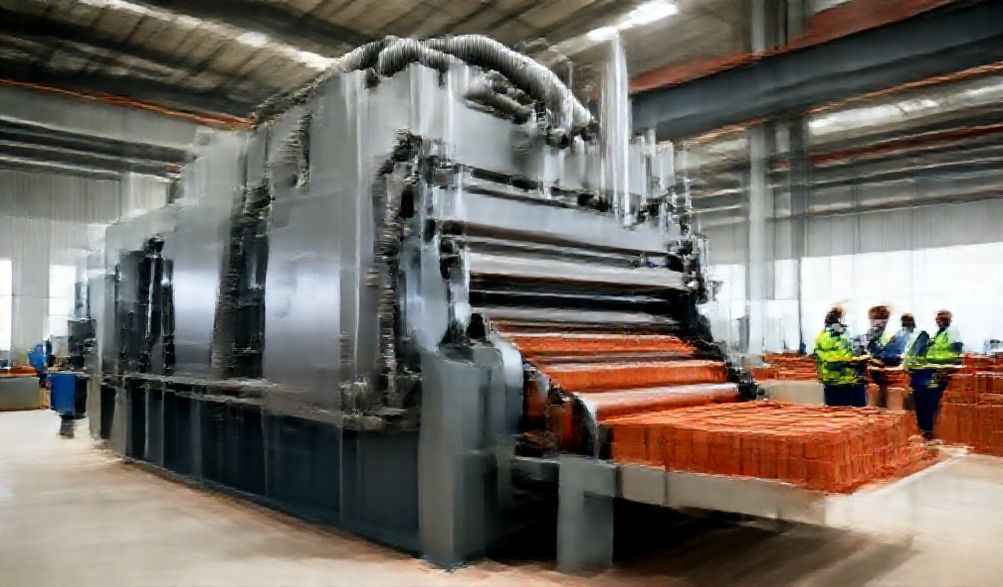
คู่มือขั้นสุดท้ายในการเลือกโรงงานผลิตเครื่องทำอิฐดินเผาที่น่าเชื่อถือ
บทนำ
อุตสาหกรรมการก่อสร้างทั่วโลกตั้งอยู่บนรากฐานของวัสดุที่ทนทาน เชื่อถือได้ และยั่งยืน ใจกลางของสิ่งนี้ ตั้งแต่บ้านเรือนธรรมดาๆ ไปจนถึงโครงสร้างพื้นฐานสูงตระหง่าน ก็คืออิฐดินเผาแสนธรรมดา แต่เบื้องหลังอิฐคุณภาพสูงที่สม่ำเสมอทุกก้อนนั้น คือวิศวกรรมแม่นยำที่เรียกว่า เครื่องทำอิฐดินเผา การเลือกเครื่องจักรที่เหมาะสมเป็นข้อตัดสินใจที่สำคัญ แต่สิ่งที่สำคัญยิ่งกว่าคือการเลือกโรงงานนี่ไม่ใช่แค่การซื้อ แต่เป็นการลงทุนระยะยาวและเป็นความร่วมมือที่จะกำหนดคุณภาพ ประสิทธิภาพ และความสามารถในการทำกำไรของการผลิตของคุณไปอีกหลายปีข้างหน้า
คู่มือนี้จัดทำขึ้นสำหรับเจ้าของธุรกิจ ผู้จัดการโรงงาน และผู้ประกอบการก่อสร้างที่ตระหนักดีว่าค่าใช้จ่ายที่แท้จริงของเครื่องจักรไม่ได้อยู่ที่ราคาซื้อเพียงอย่างเดียว แต่คือมูลค่าทั้งตลอดอายุการใช้งาน เนื้อหานี้ซึ่งอ้างอิงจากการวิเคราะห์อุตสาหกรรมเชิงลึก หลักการทางวิศวกรรม และประสบการณ์ตลาดร่วมหลายทศวรรษ ถือเป็นคู่มือฉบับสมบูรณ์ระดับผู้เชี่ยวชาญ เราจะข้ามพ้นโบรชัวร์สีสันสดใสและคำโฆษณามาดูแก่นแท้ของสิ่งที่ทำให้โรงงานเป็นพันธมิตรที่น่าเชื่อถือ
การเดินทางของคุณสู่การค้นหาพาร์ทเนอร์ที่ใช่เริ่มต้นที่นี่ เราจะวิเคราะห์คุณสมบัติของโรงงานระดับสูง สำรวจเครื่องจักรสำคัญที่คุณควรคาดหวัง นำเสนอแผนการตรวจสอบแบบทีละขั้นตอน และสรุปวิธีรับประกันความสำเร็จในระยะยาวหลังจากที่เครื่องจักรถูกติดตั้งในโรงงานของคุณ มาร่วมกันวางรากฐานสำหรับการลงทุนที่ชาญฉลาด
อะไรที่กำหนดให้โรงงานผลิตเครื่องทำอิฐดินเผาเป็นชั้นนำ
การเดินทางในตลาดผู้ผลิตเครื่องจักรระดับโลกอาจเป็นเรื่องที่น่าวิตก การแยกแยะผู้นำในอุตสาหกรรมที่แท้จริงจากผู้ที่เพียงแค่ประกอบชิ้นส่วน ต้องให้ความสำคัญกับเสาหลักพื้นฐานสี่ประการ นี่คือคุณลักษณะที่ไม่สามารถต่อรองได้ ซึ่งจะแยกผู้ขายออกจากพันธมิตรที่เพิ่มมูลค่าให้ธุรกิจ
ประสบการณ์ในอุตสาหกรรมที่ได้รับการพิสูจน์แล้วและความยั่งยืน
ในอุตสาหกรรมเครื่องจักรกลหนัก เวลาที่อยู่ในตลาดไม่ใช่แค่ตัวเลข—มันคือข้อพิสูจน์ถึงความยืดหยุ่น การปรับตัว และความรู้ในการแก้ปัญหาที่สั่งสมมา
- ทำไมจึงสำคัญ:โรงงานที่มีประวัติการทำงานมายาวนานถึง 20 ปี น่าจะเคยผ่านการออกแบบเครื่องจักรมานับสิบรุ่น แก้ไขปัญหาจากการใช้งานจริงมานับไม่ถ้วน และพัฒนาตามความก้าวหน้าทางเทคโนโลยีและวัสดุศาสตร์ ประสบการณ์ที่สั่งสมมานี้ส่งผลให้คุณได้รับอุปกรณ์ที่เชื่อถือได้มากขึ้น ผ่านการขัดเกลามาอย่างดี และผ่านการทดสอบจากการใช้งานจริงมาแล้ว
- วิธีตรวจสอบ:อย่าเพิ่งเชื่อคำพูดของพวกเขาเพียงอย่างเดียว ตรวจสอบผลงานโครงการของพวกเขาให้ละเอียด โรงงานที่มีชื่อเสียงจะนำเสนอผลงานของตนอย่างภาคภูมิ:
- กรณีศึกษาจากภูมิภาคและสภาพอากาศที่หลากหลาย
- ลูกค้าที่หลากหลาย ตั้งแต่ผู้ประกอบการขนาดเล็กไปจนถึงโรงงานอุตสาหกรรมขนาดใหญ่
- เส้นเวลาของการพัฒนารูปแบบของพวกเขา แสดงให้เห็นถึงการปรับปรุงอย่างต่อเนื่อง
ความสามารถด้านวิศวกรรมและการวิจัยและพัฒนาภายในองค์กร
สัญญาณเตือนที่สำคัญที่สุดคือโรงงานที่เพียงแค่จัดหาอะไหล่และประกอบเข้าด้วยกัน จิตวิญญาณของเครื่องจักรที่ยอดเยี่ยมอยู่ที่การออกแบบ
- ความสำคัญของการออกแบบทีมวิศวกรรมภายในหมายความว่าบริษัทเข้าใจทำไมเบื้องหลังทุกการเชื่อม อัตราทดเกียร์ และวงจรไฮดรอลิก สิ่งนี้ทำให้สามารถ:
- การปรับแต่งปรับแต่งเครื่องจักรให้เหมาะกับคุณสมบัติของดินเหนียวและการออกแบบอิฐเฉพาะของคุณ
- นวัตกรรมการพัฒนาเพื่อประสิทธิภาพการใช้พลังงานที่สูงขึ้น การทำงานอัตโนมัติ และการลดของเสีย
- การออกแบบที่สอดคล้องกันมั่นใจว่าองค์ประกอบทั้งหมดตั้งแต่เครื่องผสมไปจนถึงเครื่องอัดได้รับการปรับให้เหมาะสมเพื่อการทำงานที่ราบรื่น
- สัญญาณของการลงทุนค้นหาการกล่าวถึงแผนกวิจัยและพัฒนาที่เฉพาะทาง, ความร่วมมือกับสถาบันทางเทคนิค, สิทธิบัตรที่ถือครอง, และการเปิดตัวรุ่นที่ได้รับการอัปเกรดอย่างสม่ำเสมอ
มาตรฐานการผลิตและโปรโตคอลการควบคุมคุณภาพ
这里是企业承诺与金属和引擎的现实交汇之处。工厂内部的纪律直接决定了您机器的寿命和运行时间。
- การรับรองเป็นเกณฑ์พื้นฐาน:การรับรอง ISO 9001 เป็นตัวบ่งชี้ที่แข็งแกร่งถึงแนวทางระบบในการจัดการคุณภาพ ถึงแม้ว่ามันจะเป็นจุดเริ่มต้น ไม่ใช่การรับประกัน
- การจัดหาวัสดุสอบถามแหล่งที่มาของชิ้นส่วนสำคัญ เหล็กเกรดใดที่ใช้สำหรับโครงและแม่พิมพ์ ใครเป็นผู้จัดหาระบบไฮดรอลิก มอเตอร์ และ PLC แบรนด์มีความสำคัญ
- การตรวจสอบตามขั้นตอนโรงงานที่มีมาตรฐานเข้มงวดจะมีจุดตรวจสอบ QC ที่ถูกบันทึกไว้ในทุกขั้นตอนการประกอบ ตั้งแต่การตัดเฉือนชิ้นส่วนไปจนถึงการทดสอบประสิทธิภาพขั้นสุดท้าย ขอเอกสารขั้นตอนการควบคุมคุณภาพของพวกเขา
ระบบสนับสนุนหลังการขายแบบครบวงจร
ช่วงเวลาที่เครื่องจักรของคุณถูกจัดส่งคือจุดเริ่มต้นของการทดสอบที่แท้จริงของโรงงาน เครื่องจักรไร้ประโยชน์หากมันหยุดทำงานและคุณไม่สามารถทำให้มันกลับมาใช้งานได้อีก
- ข้อที่ห้ามต่อรอง:แพ็คเกจการสนับสนุนแบบเต็มรูปแบบประกอบด้วย:
- คำแนะนำการติดตั้งและ commissioning อย่างละเอียด:ไม่ว่าจะผ่านการติดตั้งแบบมีคำแนะนำ หรือคู่มือที่ละเอียดและการสนับสนุนทางไกล
- การฝึกอบรมผู้ปฏิบัติงานอย่างละเอียดการฝึกอบรมในสถานที่จริงสำหรับทีมของคุณมีความสำคัญต่อความปลอดภัย ประสิทธิภาพ และการแก้ปัญหาเบื้องต้น
- การรับประกันที่ชัดเจนและเป็นธรรมส่วนประกอบหลักโดยปกติ 12-24 เดือน อ่านข้อกำหนดอย่างละเอียด
- อะไหล่สำรองที่มีพร้อมใช้งานโรงงานควรมีสต็อกอะไหล่ที่สึกหรอ (เช่น ซับในแม่พิมพ์ ยางซีด ลวดตัด) และรับประกันความพร้อมใช้งานเป็นเวลาหลายปี
Key Machinery and Production Lines to Look For
A deep understanding of the equipment itself allows you to have intelligent, technical discussions with potential factories. Here’s what constitutes a modern clay brick production line.
Core Equipment: The Brick Making Machine Itself
This is the heart of your operation. The choice depends on your production scale, product type, and clay characteristics.
- Static Press (or Hydraulic Press): Ideal for high-density, high-strength bricks and pavers. It uses immense hydraulic pressure (measured in tons) in a mold box. Best for:
- Producing a wide variety of shapes and sizes with sharp edges.
- Lower-clay-shrinkage products.
- Medium to high-volume production.
- Extruder (or Wire-Cut Machine): The classic method for standard solid or perforated bricks. Clay is forced through a die to form a continuous column, which is then cut into bricks. Best for:
- Very high-volume production of standard-shaped bricks.
- Softer clay types.
- Often associated with tunnel kiln drying and firing.
Critical Specifications to Compare:
* ความดัน/น้ำหนักกดทับ: Dictates brick density and strength.
* ความสามารถในการส่งออก Bricks per hour (on a standard 8-hour cycle).
* ระดับการทำงานอัตโนมัติ Manual, semi-automatic, or fully automatic (with robotic handling).
* ข้อกำหนดด้านพลังงาน: Total connected load in kW.
Essential Supporting Machinery for a Complete Plant
A brick making machine doesn’t work in isolation. It’s part of an integrated system.
- Clay Preparation Line: This ensures consistent raw material feed.
- Crusher & Grinder: Reduces raw clay to a uniform particle size.
- เครื่องป้อนและเครื่องผสม Precisely blends clay with water (and additives if needed) to achieve the perfect plasticity.
- การจัดการวัสดุ Conveyors (belt or roller) seamlessly move material between stages, reducing labor and spillage.
- Downstream Handling: Automated systems for cutting (for extruders), stacking, and palletizing green bricks for drying, which drastically reduce handling damage.
The Role of Technology: Automation and Smart Controls
Modern factories integrate technology not as a gimmick, but as a core driver of quality and profit.
- PLC & Touch-Screen Interfaces: Programmable Logic Controllers (PLCs) have replaced manual levers and switches. They allow for:
- Precise, repeatable control over pressure, cycle times, and mixing.
- Recipe storage for different brick products.
- Simplified operation and reduced human error.
- The IoT Future: Leading factories are now incorporating sensors and connectivity for:
- Remote Monitoring: Allowing factory engineers to diagnose issues from afar.
- Predictive Maintenance: Analyzing vibration, temperature, and pressure data to schedule maintenance ก่อน a breakdown occurs.
- Production Data Analytics: Tracking OEE (Overall Equipment Effectiveness) in real-time.
A Step-by-Step Guide to Vetting and Selecting Your Factory Partner
Armed with knowledge, you can now systematically evaluate potential partners. Follow this actionable framework.
Step 1: Deep-Dive Research and Shortlisting
Cast a wide net, but filter intelligently.
- Sources: Use B2B platforms (Alibaba, Made-in-China) with a critical eye, industry directories, and trade associations. The most valuable source is peer referrals from within your network.
- Critical Analysis: When reviewing factory websites and brochures, look for substance over style. Do they provide detailed CAD drawings, technical data sheets, and videos of actual factory operations? Be wary of stock photos and vague claims.
Step 2: The Critical Technical and Commercial Dialogue
Your first direct contact should be a detailed inquiry, not just a “please send price” email.
- Technical Checklist:
- Can you provide a test report using a sample of our local clay?
- What is the expected brick strength (compressive) and dimensional accuracy?
- What are the power consumption details per 1,000 bricks?
- What is the recommended maintenance schedule and list of critical spare parts?
- Commercial Clarity:
- Request a detailed Proforma Invoice breaking down all costs.
- Clarify Incoterms (e.g., FOB, CIF)—who is responsible for shipping, insurance, and customs at which point?
- Understand payment terms (e.g., 30% deposit, 70% before shipment) and the projected delivery timeline.
Step 3: The Importance of Factory Audits and Site Visits
If the investment is significant, this step is invaluable.
- Virtual Audit: A live video tour of the factory floor via Zoom/Teams. Ask to see the welding bays, assembly lines, and QC testing areas. Observe the organization and worker expertise.
- Physical Visit (Highly Recommended): Nothing replaces being there. You can:
- Assess the build quality firsthand.
- Meet the engineering and management team.
- Feel the company culture. Is it professional, transparent, and confident?
Step 4: Evaluating Client References and Testimonials
Go beyond the list the factory provides.
- Strategic Questions for References:
- “What was the on-time delivery and installation experience like?”
- “How has the machine’s performance compared to the promised specifications?”
- “Describe a time you needed after-sales support. How was it resolved?”
- “Would you buy from this factory again?”
- Independent Feedback: Search for the factory name on independent industry forums or LinkedIn. Try to connect with clients not listed on their reference sheet.
Beyond the Purchase: Ensuring Long-Term Success
Your relationship with the factory intensifies after the order is placed. Plan for this phase meticulously.
Planning for Installation and Commissioning
A smooth start is critical for long-term performance.
- Shared Responsibilities: The factory should provide a detailed site preparation guide (foundation drawings, power hookup specs). Your duty is to prepare the site exactly to these specifications.
- Structured Training: Insist on a formal training program for your operators and maintenance staff, with manuals in your language. Documented training ensures knowledge transfer.
Maintenance Strategies to Maximize ROI
Proactive care is far cheaper than reactive repairs.
- Follow the Schedule: Adhere strictly to the factory’s preventive maintenance plan (daily checks, weekly lubrication, monthly inspections).
- Spare Parts Inventory: Based on the factory’s guidance, maintain a small inventory of the most critical, fast-wearing parts to minimize downtime. Understand the lead time for ordering more complex parts.
Navigating Challenges: Troubleshooting and Support
Even the best machines may encounter issues. The support response defines the partnership.
- Set Realistic Expectations: Establish clear communication channels (e.g., a dedicated service manager, WhatsApp group). Understand the process for remote troubleshooting and the terms/costs for potential on-site visits.
- Document Everything: Keep a detailed log of all machine operations, maintenance, and any issues. This history is invaluable for troubleshooting and warranty claims.
คำถามที่พบบ่อย (FAQ)
Q1: What is the average lead time for a clay brick making machine from order to delivery?
ก Lead times vary significantly based on machine complexity and factory workload. For a standard model, expect 30-60 days for manufacturing. With customization, testing, and sea freight, the total timeline from order to your site can range from 60 to 120 days. Always get a written commitment in the contract.
Q2: Can a factory customize a machine for my specific brick design or raw material properties?
ก A competent factory absolutely should. Customization can include mold design for unique brick shapes/sizes, adjusting the extrusion die, or calibrating the press pressure and mixing system for your clay’s plasticity and mineral content. They will often request a 20-50kg clay sample for lab testing.
Q3: What are the most important factors affecting the final price of a brick making plant?
ก The four main cost drivers are: 1) Production Capacity (higher output = higher cost), 2) Automation Level (robotic handling adds cost but saves labor), 3) Build Quality (premium components cost more), and 4) Support Package (comprehensive training and warranty are factored in). Prioritize total cost of ownership over the initial price.
Q4: How do I assess the energy efficiency of different machines?
ก Request the total connected load (in kW) of the entire plant. More importantly, ask the factory for an estimated energy consumption per 1,000 bricks produced. This operational metric, along with design features like energy-saving hydraulic systems or high-efficiency motors, gives a clearer picture of running costs.
Q5: What is the typical warranty period, and what does it cover?
ก A standard warranty is 12-24 months for core mechanical and hydraulic components (frame, main cylinder, gearbox) from the date of commissioning. Electrical components (motors, PLCs) may have separate warranties from their original manufacturers. Crucially, the warranty usually covers defects in material and workmanship, but excludes wear-and-tear parts and damage from improper operation or lack of maintenance. Read the document line by line.
สรุป
Choosing the right clay brick making machine factory is a decision that reverberates through your business for a decade or more. It hinges on aligning with a partner that embodies ความเชี่ยวชาญ in engineering, ประสบการณ์ in the field, ความน่าเชื่อถือ in the industry, and ความน่าเชื่อถือ in every transaction and support call.
This guide has equipped you to look beyond the surface and evaluate the core competencies that guarantee a successful partnership. Remember, you are not just buying a machine; you are investing in a production system, a support lifeline, and ultimately, the quality and reputation of the bricks that bear your name.
Your Next Step: Begin by preparing a detailed project brief. Outline your target production volume, brick specifications, characteristics of your local clay, available site space, and budget range. Then, use the vetting framework provided here to engage in confident, informed dialogues with shortlisted factories. Ask the hard questions, demand the evidence, and choose a partner who demonstrates a commitment to your long-term success, not just a one-time sale.
<