
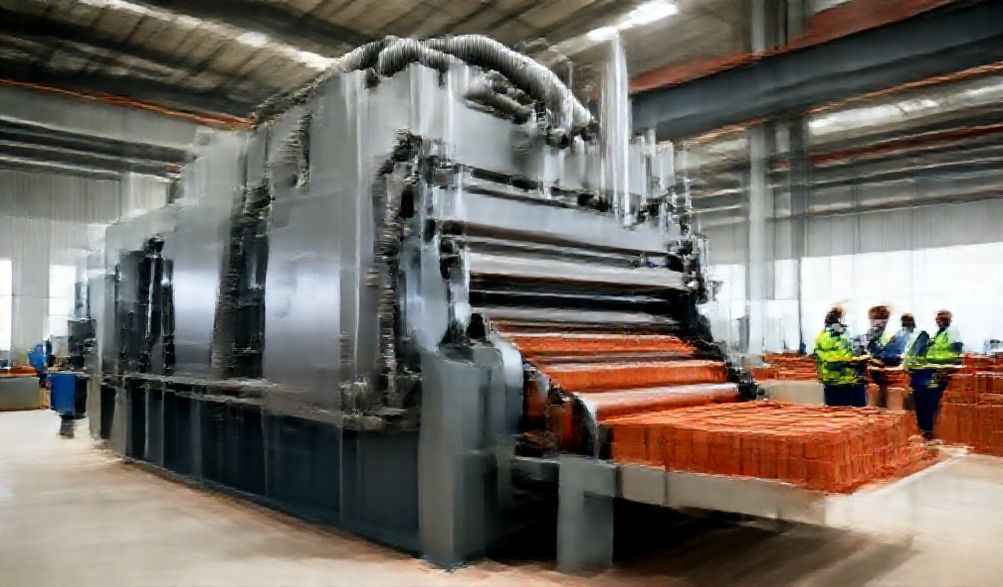
Hướng Dẫn Toàn Diện Để Lựa Chọn Nhà Máy Sản Xuất Máy Làm Gạch Đất Sét Đáng Tin Cậy
Giới thiệu
Ngành công nghiệp xây dựng toàn cầu được xây dựng trên nền tảng của những vật liệu bền vững, đáng tin cậy và lâu dài. Trọng tâm của điều này, từ những ngôi nhà đơn sơ đến cơ sở hạ tầng cao tầng, chính là viên gạch đất sét khiêm tốn. Nhưng đằng sau mỗi viên gạch chất lượng cao và đồng đều là một tác phẩm của kỹ thuật chính xác: máy làm gạch đất sét. Việc lựa chọn đúng máy là một quyết định then chốt, nhưng quan trọng hơn nữa là chọnnhà máyĐây không chỉ là một giao dịch mua bán; mà còn là một khoản đầu tư vốn dài hạn và một mối quan hệ đối tác sẽ định hình chất lượng sản xuất, hiệu quả và khả năng sinh lời của bạn trong nhiều năm tới.
Hướng dẫn này được soạn cho các chủ doanh nghiệp, quản lý nhà máy và doanh nhân xây dựng - những người hiểu rằng chi phí thực sự của một máy móc không chỉ nằm ở giá mua ban đầu, mà còn ở tổng giá trị trọn đời của nó. Dựa trên phân tích chuyên sâu về ngành, nguyên lý kỹ thuật và hàng thập kỷ kinh nghiệm thị trường tích lũy, bài viết này đóng vai trò như một cẩm nang toàn diện từ góc nhìn nội bộ. Chúng ta sẽ vượt ra ngoài những tài liệu quảng cáo hào nhoáng và lời chào mời bán hàng để đi vào cốt lõi của việc biến một nhà máy thành đối tác đáng tin cậy.
Hành trình tìm kiếm đối tác phù hợp của bạn bắt đầu từ đây. Chúng tôi sẽ phân tích những dấu hiệu nhận biết một nhà máy hàng đầu, khám phá các loại máy móc chủ chốt bạn nên mong đợi, cung cấp một bản kế hoạch thẩm định từng bước, và phác thảo cách đảm bảo thành công lâu dài sau khi máy móc được lắp đặt tại cơ sở của bạn. Hãy cùng xây dựng nền tảng cho một khoản đầu tư thông minh.
Điều Gì Định Nghĩa Một Nhà Máy Sản Xuất Máy Làm Gạch Đất Sét Hàng Đầu?
Việc tìm hiểu thị trường toàn cầu của các nhà sản xuất máy móc có thể là một thách thức. Để phân biệt một nhà dẫn đầu thực sự trong ngành với một đơn vị chỉ lắp ráp đơn thuần, cần tập trung vào bốn trụ cột cốt lõi. Đây là những đặc tính bắt buộc để phân biệt một nhà cung cấp thông thường với một đối tác mang lại giá trị gia tăng.
Kinh Nghiệm Ngành Đã Được Chứng Minh và Tính Bền Vững
Trong lĩnh vực máy móc hạng nặng, thời gian có mặt trên thị trường không chỉ là một con số—đó là minh chứng cho sự bền bỉ, khả năng thích ứng và tri thức giải quyết vấn đề được tích lũy qua thời gian.
- Tại sao Điều Này Quan Trọng:Một nhà máy có lịch sử 20 năm chắc hẳn đã trải qua hàng chục thiết kế máy móc, giải quyết vô số vấn đề thực tế và không ngừng phát triển cùng những tiến bộ về công nghệ và vật liệu. Chiều sâu kinh nghiệm này giúp mang đến cho bạn những thiết bị ngày càng đáng tin cậy, tinh tế và được kiểm chứng qua thực tiễn.
- Cách Xác Minh:Đừng chỉ nghe theo lời họ nói. Hãy xem xét kỹ lưỡng danh mục dự án của họ. Một nhà máy uy tín sẽ tự hào trưng bày:
- Các nghiên cứu điển hình từ các khu vực và khí hậu khác nhau.
- Một danh sách khách hàng đa dạng, từ các nhà vận hành quy mô nhỏ đến các nhà máy công nghiệp lớn.
- Dòng thời gian tiến hóa mô hình của họ, thể hiện sự cải tiến liên tục.
Khả năng Kỹ thuật và Nghiên cứu & Phát triển Nội bộ
Dấu hiệu đáng lo ngại nhất là một nhà máy chỉ đơn thuần tìm nguồn linh kiện rồi ghép chúng lại với nhau. Linh hồn của một cỗ máy vĩ đại nằm ở thiết kế của nó.
- Tầm Quan Trọng Của Thiết Kế:Đội ngũ kỹ thuật nội bộ có nghĩa là nhà máy hiểu rõTại saođằng sau mỗi mối hàn, tỷ số truyền và mạch thủy lực. Điều này cho phép:
- Tùy chỉnh:Tùy chỉnh máy móc theo đặc tính đất sét và thiết kế gạch cụ thể của bạn.
- Đổi mới sáng tạo: Developing features for greater energy efficiency, automation, and reduced waste.
- Coherent Design: Ensuring all components, from the mixer to the press, are optimally matched for seamless operation.
- Signs of Investment: Look for mentions of dedicated R&D departments, partnerships with technical institutes, patents held, and regular launch of upgraded models.
Manufacturing Standards and Quality Control Protocols
This is where corporate promises meet the reality of metal and motors. The factory’s internal discipline directly dictates your machine’s lifespan and uptime.
- Chứng chỉ như một Chuẩn mực Cơ bản: ISO 9001 certification is a strong indicator of a systematic approach to quality management, though it’s a starting point, not a guarantee.
- Nguồn cung ứng vật liệu: Inquire about the provenance of critical components. What grade of steel is used for the frame and mold? Who supplies the hydraulic systems, motors, and PLCs? Brands matter.
- Stage-by-Stage Inspection: A rigorous factory will have documented QC checkpoints at every assembly stage—from machining of parts to final performance testing. Ask for their QC protocol documentation.
Comprehensive After-Sales Support Ecosystem
The moment your machine ships is when the true test of the factory begins. A machine is useless if it stops and you can’t get it running again.
- The Non-Negotiables: A full support package includes:
- Detailed Installation & Commissioning Guidance: Either through supervised installation or exhaustive manuals and remote support.
- Thorough Operator Training: On-site training for your team is crucial for safety, efficiency, and basic troubleshooting.
- Clear and Fair Warranty: Typically 12-24 months for core components. Read the terms meticulously.
- Phụ tùng thay thế sẵn có: A factory should maintain an inventory of wear-and-tear parts (like mold liners, seals, cutter wires) and guarantee their availability for years.
Key Machinery and Production Lines to Look For
A deep understanding of the equipment itself allows you to have intelligent, technical discussions with potential factories. Here’s what constitutes a modern clay brick production line.
Core Equipment: The Brick Making Machine Itself
This is the heart of your operation. The choice depends on your production scale, product type, and clay characteristics.
- Static Press (or Hydraulic Press): Ideal for high-density, high-strength bricks and pavers. It uses immense hydraulic pressure (measured in tons) in a mold box. Best for:
- Producing a wide variety of shapes and sizes with sharp edges.
- Lower-clay-shrinkage products.
- Medium to high-volume production.
- Extruder (or Wire-Cut Machine): The classic method for standard solid or perforated bricks. Clay is forced through a die to form a continuous column, which is then cut into bricks. Best for:
- Very high-volume production of standard-shaped bricks.
- Softer clay types.
- Often associated with tunnel kiln drying and firing.
Critical Specifications to Compare:
* Áp lực/Tấn lực Dictates brick density and strength.
* Công suất đầu ra: Bricks per hour (on a standard 8-hour cycle).
* Mức độ Tự động hóa: Manual, semi-automatic, or fully automatic (with robotic handling).
* Yêu cầu về nguồn điện: Total connected load in kW.
Essential Supporting Machinery for a Complete Plant
A brick making machine doesn’t work in isolation. It’s part of an integrated system.
- Clay Preparation Line: This ensures consistent raw material feed.
- Crusher & Grinder: Reduces raw clay to a uniform particle size.
- Máy cho ăn & Máy trộn: Precisely blends clay with water (and additives if needed) to achieve the perfect plasticity.
- Xử lý Vật liệu: Conveyors (belt or roller) seamlessly move material between stages, reducing labor and spillage.
- Downstream Handling: Automated systems for cutting (for extruders), stacking, and palletizing green bricks for drying, which drastically reduce handling damage.
The Role of Technology: Automation and Smart Controls
Modern factories integrate technology not as a gimmick, but as a core driver of quality and profit.
- PLC & Touch-Screen Interfaces: Programmable Logic Controllers (PLCs) have replaced manual levers and switches. They allow for:
- Precise, repeatable control over pressure, cycle times, and mixing.
- Recipe storage for different brick products.
- Simplified operation and reduced human error.
- The IoT Future: Leading factories are now incorporating sensors and connectivity for:
- Remote Monitoring: Allowing factory engineers to diagnose issues from afar.
- Predictive Maintenance: Analyzing vibration, temperature, and pressure data to schedule maintenance trước a breakdown occurs.
- Production Data Analytics: Tracking OEE (Overall Equipment Effectiveness) in real-time.
A Step-by-Step Guide to Vetting and Selecting Your Factory Partner
Armed with knowledge, you can now systematically evaluate potential partners. Follow this actionable framework.
Step 1: Deep-Dive Research and Shortlisting
Cast a wide net, but filter intelligently.
- Sources: Use B2B platforms (Alibaba, Made-in-China) with a critical eye, industry directories, and trade associations. The most valuable source is peer referrals from within your network.
- Critical Analysis: When reviewing factory websites and brochures, look for substance over style. Do they provide detailed CAD drawings, technical data sheets, and videos of actual factory operations? Be wary of stock photos and vague claims.
Step 2: The Critical Technical and Commercial Dialogue
Your first direct contact should be a detailed inquiry, not just a “please send price” email.
- Technical Checklist:
- Can you provide a test report using a sample of our local clay?
- What is the expected brick strength (compressive) and dimensional accuracy?
- What are the power consumption details per 1,000 bricks?
- What is the recommended maintenance schedule and list of critical spare parts?
- Commercial Clarity:
- Request a detailed Proforma Invoice breaking down all costs.
- Clarify Điều khoản thương mại quốc tế (Incoterms) (e.g., FOB, CIF)—who is responsible for shipping, insurance, and customs at which point?
- Understand payment terms (e.g., 30% deposit, 70% before shipment) and the projected delivery timeline.
Step 3: The Importance of Factory Audits and Site Visits
If the investment is significant, this step is invaluable.
- Virtual Audit: A live video tour of the factory floor via Zoom/Teams. Ask to see the welding bays, assembly lines, and QC testing areas. Observe the organization and worker expertise.
- Physical Visit (Highly Recommended): Nothing replaces being there. You can:
- Assess the build quality firsthand.
- Meet the engineering and management team.
- Feel the company culture. Is it professional, transparent, and confident?
Step 4: Evaluating Client References and Testimonials
Go beyond the list the factory provides.
- Strategic Questions for References:
- “What was the on-time delivery and installation experience like?”
- “How has the machine’s performance compared to the promised specifications?”
- “Describe a time you needed after-sales support. How was it resolved?”
- “Would you buy from this factory again?”
- Independent Feedback: Search for the factory name on independent industry forums or LinkedIn. Try to connect with clients not listed on their reference sheet.
Beyond the Purchase: Ensuring Long-Term Success
Your relationship with the factory intensifies after the order is placed. Plan for this phase meticulously.
Planning for Installation and Commissioning
A smooth start is critical for long-term performance.
- Shared Responsibilities: The factory should provide a detailed site preparation guide (foundation drawings, power hookup specs). Your duty is to prepare the site exactly to these specifications.
- Đào tạo Có Cấu Trúc: Insist on a formal training program for your operators and maintenance staff, with manuals in your language. Documented training ensures knowledge transfer.
Maintenance Strategies to Maximize ROI
Proactive care is far cheaper than reactive repairs.
- Follow the Schedule: Adhere strictly to the factory’s preventive maintenance plan (daily checks, weekly lubrication, monthly inspections).
- Spare Parts Inventory: Based on the factory’s guidance, maintain a small inventory of the most critical, fast-wearing parts to minimize downtime. Understand the lead time for ordering more complex parts.
Navigating Challenges: Troubleshooting and Support
Even the best machines may encounter issues. The support response defines the partnership.
- Set Realistic Expectations: Establish clear communication channels (e.g., a dedicated service manager, WhatsApp group). Understand the process for remote troubleshooting and the terms/costs for potential on-site visits.
- Document Everything: Keep a detailed log of all machine operations, maintenance, and any issues. This history is invaluable for troubleshooting and warranty claims.
Các Câu Hỏi Thường Gặp (FAQ)
Q1: What is the average lead time for a clay brick making machine from order to delivery?
A: Lead times vary significantly based on machine complexity and factory workload. For a standard model, expect 30-60 days for manufacturing. With customization, testing, and sea freight, the total timeline from order to your site can range from 60 to 120 days. Always get a written commitment in the contract.
Q2: Can a factory customize a machine for my specific brick design or raw material properties?
A: A competent factory absolutely should. Customization can include mold design for unique brick shapes/sizes, adjusting the extrusion die, or calibrating the press pressure and mixing system for your clay’s plasticity and mineral content. They will often request a 20-50kg clay sample for lab testing.
Q3: What are the most important factors affecting the final price of a brick making plant?
A: The four main cost drivers are: 1) Production Capacity (higher output = higher cost), 2) Automation Level (robotic handling adds cost but saves labor), 3) Build Quality (premium components cost more), and 4) Support Package (comprehensive training and warranty are factored in). Prioritize total cost of ownership over the initial price.
Q4: How do I assess the energy efficiency of different machines?
A: Request the total connected load (in kW) of the entire plant. More importantly, ask the factory for an estimated energy consumption per 1,000 bricks produced. This operational metric, along with design features like energy-saving hydraulic systems or high-efficiency motors, gives a clearer picture of running costs.
Q5: What is the typical warranty period, and what does it cover?
A: A standard warranty is 12-24 months for core mechanical and hydraulic components (frame, main cylinder, gearbox) from the date of commissioning. Electrical components (motors, PLCs) may have separate warranties from their original manufacturers. Crucially, the warranty usually covers defects in material and workmanship, but excludes wear-and-tear parts and damage from improper operation or lack of maintenance. Read the document line by line.
Conclusion
Choosing the right clay brick making machine factory is a decision that reverberates through your business for a decade or more. It hinges on aligning with a partner that embodies Chuyên môn in engineering, Kinh nghiệm in the field, Tính thẩm quyền in the industry, and Đáng tin cậy in every transaction and support call.
This guide has equipped you to look beyond the surface and evaluate the core competencies that guarantee a successful partnership. Remember, you are not just buying a machine; you are investing in a production system, a support lifeline, and ultimately, the quality and reputation of the bricks that bear your name.
Your Next Step: Begin by preparing a detailed project brief. Outline your target production volume, brick specifications, characteristics of your local clay, available site space, and budget range. Then, use the vetting framework provided here to engage in confident, informed dialogues with shortlisted factories. Ask the hard questions, demand the evidence, and choose a partner who demonstrates a commitment to your long-term success, not just a one-time sale.
<