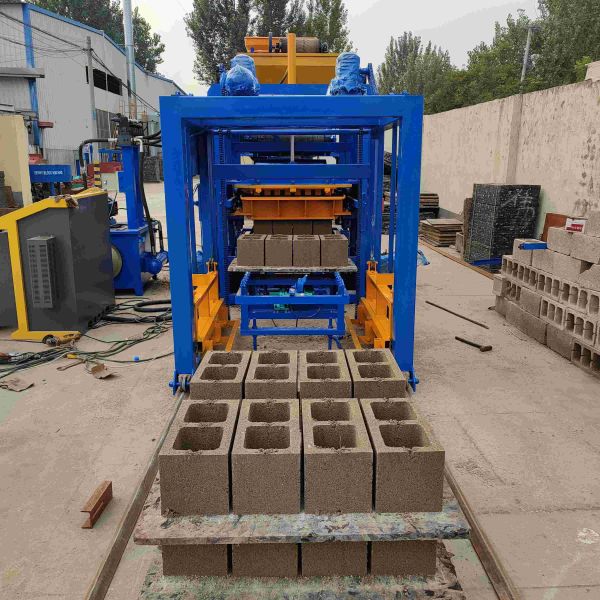
플라이 애시 벽돌 제조 기술
소개
지속 가능한 건축 자재의 발전하는 환경 속에서, 플라이애시 벽돌 제조 기계는 환경 관리, 경제적 효율성, 산업 혁신의 결합을 상징하는 핵심 기술로 부상했습니다. 유통업체, 딜러, 조달 전문가에게 이 특정 장비 카테고리를 이해하는 것은 친환경 건축 솔루션에 대한 증가하는 시장 수요를 해결하는 데 필수적입니다. 골재에만 초점을 맞춘 기존 기계와 달리, 플라이애시 벽돌 기계는 산업 부산물인 석탄 연소에서 나오는 분쇄 연료 재를 주요 원료로 활용하도록 설계되었습니다.
기본 정의 및 핵심 재료 과학
플라이 애시 벽돌 기계는 플라이 애시를 주요 구성 요소로 사용하여 고품질 건축 블록을 제조하는 특수 산업용 프레스이며, 일반적으로 소량의 석회, 석고, 시멘트 및 물과 혼합됩니다. 작동 원리는 일반 콘크리트의 순수한 수경성 경화와 구별되는 화학적 과정인 포졸란 반응에 기반합니다.
- 포졸란 반응: 화학적 엔진
- 핵심 과학 원리는 플라이애시(규산질 및 알루미늄질 재료)가 수분 존재 하에 석회(수산화칼슘)와 반응하는 것입니다. 이 반응은 안정적인 규산칼슘수화물(C-S-H)과 알루민산칼슘수화물을 형성하며, 이는 포틀랜드 시멘트에서 발견되는 동일한 결합 겔입니다. 포졸란 반응으로 알려진 이 과정은 시간이 지남에 따라 벽돌에 구조적 강도와 내구성을 부여합니다. 기계의 역할은 이 반응이 효율적으로 진행될 수 있는 최적의 물리적 조건(밀도, 입자 간 긴밀한 접촉)을 조성하는 것입니다.
- 비회플라이애시를 성능 향상 구성 요소로
- 플라이 애시는 단순한 충전재가 아닙니다. 그 구형 입자 형태는 혼합물의 작업성과 충전 밀도를 향상시켜 물 사용량을 줄여줍니다. 애시의 미세도는 벽돌 내에 조밀한 미세 구조를 형성하는 데 기여하며, 이는 낮은 투과성, 높은 최종 강도, 그리고 황산염 공격 및 알칼리-실리카 반응에 대한 뛰어난 저항성을 제공합니다. 이러한 고유 재료 특성을 활용하기 위해서는 기계가 정밀하게 교정되어야 합니다.
- 전통 소성 점토 및 콘크리트 공정과의 대비
- 이 기술은 두 가지 기존 경로에서 벗어납니다. 점토 벽돌의 에너지 집약적인 소성 공정을 제거하고, 표준 콘크리트 블록에 비해 포틀랜드 시멘트 함량을 크게 줄입니다. 벽돌은 상온 경화나 가마 소성이 아닌, 고온(약 60-80°C)에서 증기나 물 분무를 통해 양생되어 포졸란 반응을 촉진합니다. 이 '오토클레이브 방식' 또는 가속 양생은 생산 주기의 주요 차별점입니다.
시스템 설계 및 운영 메커니즘
粉煤灰制砖机械专为处理细粉状材料的特性以及促进必要的养护制度而设计。该系统通常是一条集成多个阶段的连贯生产线。
- 원료 처리 및 정밀 배칭
- 플라이 애시의 미세하고 분진이 많은 특성으로 인해, 시스템은 밀폐형 또는 반밀폐형 자재 처리를 필요로 합니다. 여기에는 플라이 애시 및 기타 분말(석회, 시멘트)용 사일로가 포함되며, 종종 스크류 컨베이어나 공압식 이송 시스템을 사용하여 분진 방출을 최소화합니다. 정밀 계량이나 체적 배치가 중요하며, 이는 플라이 애시와 석회/시멘트 간의 화학적 균형이 일관된 강도 발현에 매우 중요하기 때문입니다.
- 혼합 단계: 균일성 달성
- A high-intensity mixer, such as a pan mixer or a paddle mixer, is essential. It must thoroughly blend the dry powders (fly ash, lime/cement, possibly crushed bottom ash as filler) before adding a precise amount of water. The goal is to achieve a uniform, semi-dry mix with just enough moisture to initiate the pozzolanic reaction and allow for compaction, but not so much as to cause sticking or deformation.
- The Compaction Process: High-Pressure Densification
- This is the heart of the machine. A high-tonnage hydraulic press (often in the range of 80 to 300+ tons) applies immense pressure to the semi-dry mix in a steel mold. The pressure, significantly higher than that used for some conventional concrete blocks, achieves several goals:
- It compacts the fine particles to a very low void ratio, creating a dense matrix.
- It brings the reactive particles (fly ash and lime) into intimate contact.
- It forms the green brick with sufficient handling strength for transfer to curing.
Vibration is less commonly used than in aggregate-based machines, as the fine material responds best to direct static pressure.
- This is the heart of the machine. A high-tonnage hydraulic press (often in the range of 80 to 300+ tons) applies immense pressure to the semi-dry mix in a steel mold. The pressure, significantly higher than that used for some conventional concrete blocks, achieves several goals:
- The Curing System: Accelerated Strength Gain
- Post-compaction, the green bricks are not air-cured like standard concrete blocks. They are transferred to a curing chamber or stacked and covered with a curing blanket. Steam or warm water mist is applied at controlled temperatures and humidity for a period typically ranging from 18 to 24 hours. This elevated temperature curing rapidly accelerates the pozzolanic reaction, allowing the bricks to gain up to 70-80% of their final strength within a day, enabling rapid turnover and dispatch.
Product Characteristics and Market Advantages
Bricks produced from this technology possess a unique set of properties that define their market positioning.
- Superior Technical Specifications
- 높은 압축 강도: Can consistently exceed 10 MPa and reach up to 25 MPa, suitable for multi-story load-bearing construction.
- 낮은 흡수율 Typically below 15%, and often as low as 6-8%, leading to excellent durability, reduced efflorescence, and better thermal insulation.
- Dimensional Accuracy and Smooth Finish: The fine material and high-pressure compaction yield bricks with sharp edges, uniform size, and a smooth surface that can reduce plastering costs.
- Light Weight: Compared to clay bricks of similar strength, fly ash bricks are lighter, reducing dead load on structures and easing handling.
- Compelling Economic and Environmental Propositions
- 비용 효율성 The primary raw material (fly ash) is often a low-cost or negatively-priced industrial waste, substantially reducing input costs. Lower cement consumption also contributes to savings.
- 환경적 지속가능성 The process utilizes a waste product, conserving topsoil (unlike clay excavation) and reducing landfill burden. It also avoids the CO2 emissions associated with clay brick firing and significant cement production, aligning with green building certifications.
- 에너지 효율 The low-temperature steam curing consumes far less energy than operating a high-temperature kiln for clay bricks.
Strategic Considerations for Deployment and Investment
For distributors advising clients, several factors are crucial for successful project implementation.
- Proximity to Fly Ash Source and Quality Assurance
- The economic model hinges on reliable, consistent, and cost-effective access to fly ash, typically from a nearby thermal power plant. The chemical composition (Class F or Class C) and consistency of the ash must be verified, as variability can affect brick quality. Establishing a quality control protocol for incoming fly ash is non-negotiable.
- Machine Selection Based on Scale and Product Mix
- Machines range from semi-automatic stationary presses suitable for small to medium enterprises (SMEs) to fully automatic lines with robotic handling for large-scale production. The choice must align with target output and whether the client plans to produce standard bricks, interlocking blocks, or pavers (requiring different mold sets).
- Integration into the Circular Economy
- This technology can be positioned as a turnkey solution for power plants or industrial clusters looking to manage their fly ash output responsibly. It represents a clear case of waste-to-wealth, offering an attractive proposition for environmentally conscious investors and governments promoting sustainable industries.
결론
The fly ash brick making machine is a sophisticated response to modern challenges of resource efficiency and sustainable construction. It is a specialized system that transforms an industrial by-product into a high-performance building material through precise engineering and controlled chemistry. For the knowledgeable distributor, this technology represents a significant opportunity to cater to a growing niche focused on green building solutions, cost-effective production, and regulatory compliance. Success in this domain requires moving beyond general equipment knowledge to a deep understanding of pozzolanic chemistry, localized material supply chains, and the specific curing infrastructure. By providing clients with holistic solutions that encompass the right machinery, technical know-how, and quality control frameworks, distributors can play a leading role in advancing sustainable construction practices while building profitable and resilient businesses for their partners.
자주 묻는 질문 (FAQ)
Q1: Is a fly ash brick machine the same as a concrete block machine?
A: While they share similarities (hydraulic pressing), they are designed for fundamentally different material systems. A fly ash brick machine is optimized for fine, powdery mixes, employs very high pressure, and is integrated with a controlled curing system (steam/heat). A standard 콘크리트 블록 제조기 is designed for granular aggregates, often uses vibration, and relies on ambient or simple water curing. Retrofitting one to do the other’s job effectively is usually not feasible.
Q2: What are the main quality checks for incoming fly ash?
A: Critical parameters include:
- Loss on Ignition (LOI): Measures unburned carbon content. High LOI can impair strength and increase water demand.
- Fineness: Affects reactivity and water requirement.
- Chemical Composition: Specifically the silica, alumina, and calcium oxide content, which determine its pozzolanic class and reactivity.
- 일관성 Batch-to-batch uniformity is vital for stable production.
Q3: Can these bricks be used for foundation and external wall construction?
A: Absolutely. High-quality fly ash bricks with low water absorption and high compressive strength (e.g., above 10-12 MPa) are perfectly suitable for load-bearing applications, including foundations, plinths, and external walls. Their durability and resistance to moisture penetration make them an excellent choice for these critical structural elements, provided they are produced to relevant national standards.
Q4: What is the typical energy consumption for the steam curing process?
A: Energy consumption varies with scale and insulation efficiency of the curing chamber. Modern, well-insulated steam curing systems can be quite efficient. The energy required to raise bricks to 60-80°C and maintain humidity is a fraction of the energy needed to fire clay bricks to over 900°C. The total energy footprint of the finished brick, including curing, is significantly lower than that of a fired clay counterpart.
Q5: How does the cost structure of a fly ash brick plant differ from a clay brick kiln?
A: The cost profiles are inverted:
- Fly Ash Plant: High initial capital in machinery and curing infrastructure, but very low variable cost for raw materials (cheap/free ash, less cement). Labor costs are moderate, and energy costs are focused on curing, not firing.
- Clay Brick Kiln: Lower initial capital for basic kilns, but very high variable costs for fuel (coal, gas), substantial cost for clay (topsoil), and often higher labor. The fly ash model offers better long-term margin stability once the capital is amortized.