수동 벽돌 프레스의 운영 및 시장 분석
1. 핵심 기술 및 작동 원리
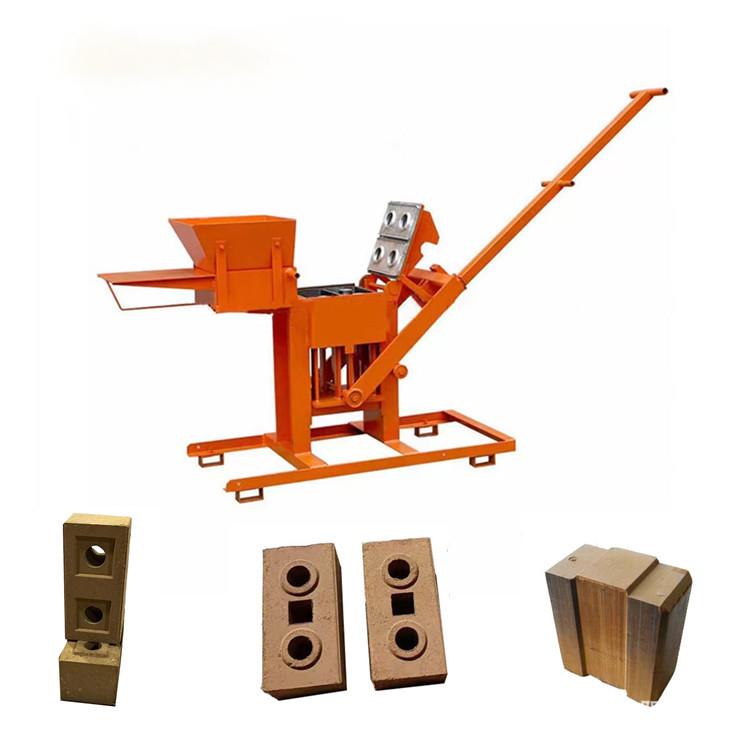
손으로 작동하는 벽돌 프레스는 그 핵심에서 우아한 기계적 이점을 지닌 장치입니다. 모터를 사용하는 시스템과 달리, 이는 복합 레버 시스템을 활용하며 종종 유압 잭으로 보강되어 준비된 원료 혼합물에 엄청난 압축력을 가합니다.
- 프로세스 사이클운영 사이클은 단순하면서도 효과적입니다. 토양, 시멘트 또는 기타 결합제의 균질 혼합물을 준비하여 탈부착 가능한 몰드 박스에 투입합니다. 그런 다음 작업자가 레버 메커니즘을 작동시켜 압축 헤드를 몰드 안으로 밀어넣습니다. 이 동작은 평방 인치당 톤 단위로 측정되는 압력을 가해 재료를 다지고 과잉 수분과 공기를 배출시킵니다. 압축된 블록은 그 후 배출되어 일반적으로 양생을 위한 팔레트 위에 놓입니다. 이 사이클이 반복되며 소규모 팀이 일관된 생산을 가능하게 합니다.
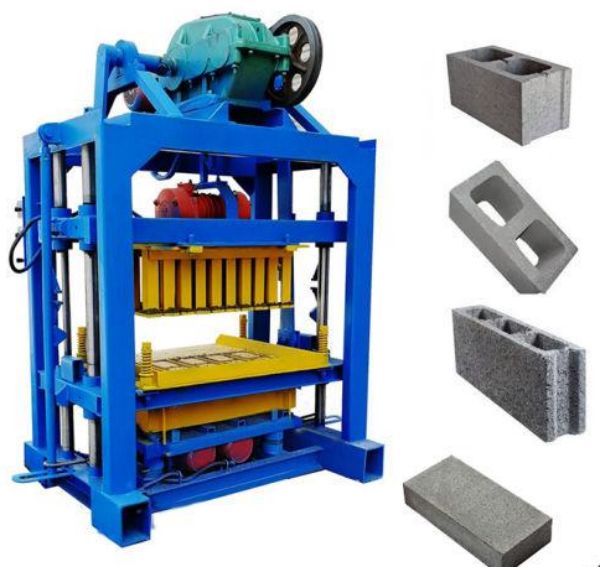
- 핵심 구성 요소:핵심 구성 요소로는 고장력 강철 프레임과 몰드, 정밀 설계된 레버 및 피스톨 어셈블리, 교체 가능한 몰드 표면이 포함됩니다. 이러한 부품들의 내구성은 생산 수명과 벽돌 품질의 일관성에 직접적으로 연관됩니다.
2. 비즈니스 이해관계자를 위한 차별화된 시장 경쟁력
딜러와 유통업체에게 이 기계류 카테고리를 홍보하는 것은 명확한 시장 우위에 기반한 매력적인 비즈니스 사례를 제시합니다.
- 낮은 진입 장벽:가장 두드러진 장점은 경제성입니다. 단위 비용이 자동화 기계의 일부에 불과하여, 개발도상국의 기업가, 농촌 건설 협동조합, 맞춤형 포장돌이나 조경 블록을 생산하는 특수 제조업체 등 더 다양한 고객층이 접근할 수 있는 제품입니다.
- 최소한의 운영 오버헤드이 기계들은 작동을 위해 전기, 디젤, 또는 복잡한 유압 시스템이 필요하지 않습니다. 이는 최종 사용자에게 연료 비용이 전혀 들지 않으며, 원격지나 전력 공급이 없는 지역에서도 작동할 수 있음을 의미합니다. 이로 인해 동력 장비가 접근할 수 없는 광범위한 지리적 시장이 열리게 됩니다.
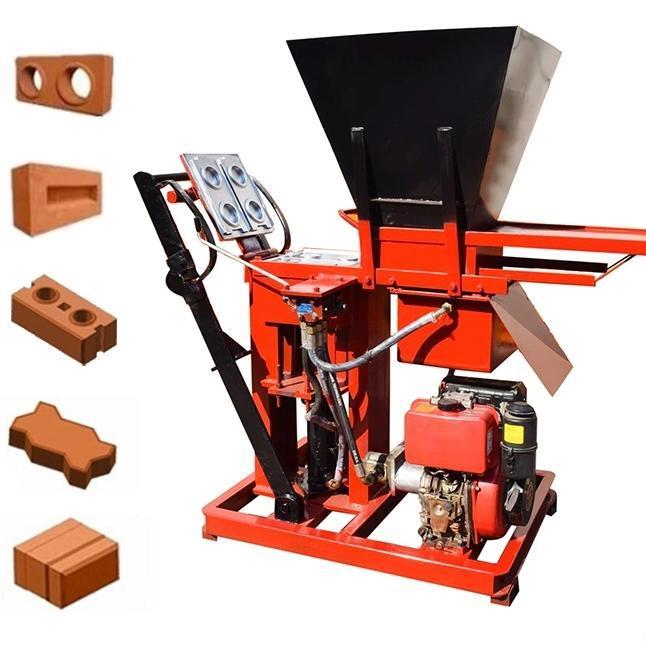
- 비교할 수 없는 다재다능함과 적응력:하나의 기계로 금형만 교체하면 다양한 제품을 생산할 수 있습니다. 따라서 유통업체의 재고는 단단한 벽돌, 맞춤 블록, 포장용 석재, 심지어 장식 요소까지 지원할 수 있습니다. 이러한 다용도성 덕분에 고객은 주택 프로젝트부터 하드스케이핑까지 지역 시장 트렌드에 신속하게 대응할 수 있습니다.
- 높은 이윤율과 투자 수익률: For the end-user, the return on investment is rapid, often within a few months of steady operation. For the distributor, the combination of competitive pricing, strong demand, and relatively low logistics costs (due to smaller size and weight compared to industrial machinery) ensures healthy profit margins and strong inventory turnover.
- Promotion of Sustainable Practices: The machinery is ideally suited for using locally sourced, often low-cost materials, including stabilized earth, laterite, or fly ash. This “local production for local consumption” model reduces transportation carbon footprint and resonates with growing trends in sustainable construction, a potent selling point.
3. Technical Specifications and Quality Assurance
Success in this market hinges on supplying equipment that is durable and reliable. Key specifications to evaluate and promote include:
- 압력 용량 Measured in tons (e.g., 5-ton, 10-ton, 15-ton models), this determines the brick’s compressive strength. Higher pressure typically produces stronger bricks suitable for load-bearing walls.
- 생산량 Measured in blocks per hour (e.g., 150-300 units/hour, depending on crew size and workflow efficiency). Realistic output figures manage client expectations.
- 재료 호환성 Specifications should clearly state compatibility with various soil-cement ratios and other raw materials.
- 빌드 품질: Emphasis must be placed on the quality of steel used, the precision of welding, the hardness of the mold surfaces, and the quality of seals in hydraulic systems. Equipment that withstands high-cycle use without deformation is critical for brand reputation.
- Ease of Maintenance and Parts Availability: A clear advantage for distributors is offering machines designed for easy serviceability. Having a readily available inventory of wear parts like mold liners, pins, and hydraulic jack seals builds long-term client trust and creates an ongoing revenue stream from parts sales.
4. Strategic Integration into a Dealer’s Portfolio
This machinery should not be viewed in isolation but as a strategic component of a broader portfolio.
- Gateway Product: It serves as an excellent entry-level product, building relationships with clients who may later upgrade to semi-automated equipment as their business grows.
- Niche Market Dominance: It allows distributors to dominate niches such as eco-villages, self-build housing projects, and municipal road repair programs (for producing interlocking paving blocks).
- Complementary Product Sales: The sale of a brick press naturally leads to opportunities in selling complementary products: raw material mixers, block curing sheets, testing equipment for quality control, and even additives or stabilizers for soil.
결론
Compact manual brick forming machinery represents a paradigm of appropriate technology: efficient, purposeful, and empowering. For the astute distributor or procurement agent, it is far more than a simple tool; it is a vehicle for market expansion and client development. By enabling decentralized, low-cost production of quality building materials, this equipment addresses fundamental needs in urbanization, rural development, and sustainable construction. Incorporating a robust range of these machines into a supply catalog meets a tangible market demand, fosters entrepreneurship, and builds a resilient business model less susceptible to the energy and infrastructure constraints that affect larger industrial equipment. The strategic stocking, promotion, and support of this machinery is an investment in capturing a vital and growing segment of the global construction supply chain.
Frequently Asked Questions (FAQ) for Business Clients
Q1: What is the typical compressive strength range of bricks produced by this machinery?
A: With proper material mix (typically a stabilized soil-cement blend) and correct operation, bricks produced can achieve compressive strengths ranging from 7 MPa to over 10 MPa. This meets or exceeds the standards for non-load-bearing and, in many cases, load-bearing construction in numerous regional building codes. We recommend providing clients with mix design guidelines and encouraging quality control testing.
Q2: How do we address customer concerns about production speed compared to electric or hydraulic machines?
A: Frame the comparison strategically. While output per hour is lower, the total cost of ownership, operational independence, and versatility are unparalleled. The machine provides a viable business model where labor is more available and affordable than capital, fuel, or stable grid electricity. Its value proposition is affordability and adaptability, not competing with mass industrial output.
Q3: What are the most common wear parts, and what should we keep in stock?
A: The highest-wear components are the mold faces/lining, the compression head, and pivot pins/bushings in the lever mechanism. For models with hydraulic jacks, replacement seal kits are essential. Maintaining an inventory of these parts demonstrates commitment to client uptime and generates reliable after-sales revenue.
Q4: Can these machines produce different block sizes and shapes?
A: Absolutely. This is a primary sales feature. By supplying interchangeable molds, a single machine can produce standard rectangular bricks, interlocking blocks for dry-stack construction, hexagonal pavers, and decorative garden blocks. This allows your clients to diversify their product line with minimal additional investment.
Q5: What kind of after-sales support and training is typically required?
A: Comprehensive support is key to success. This should include detailed operational manuals, video tutorials on mix preparation and machine operation, and troubleshooting guides. Offering optional on-site or virtual training for the client’s initial crew can significantly reduce startup issues and build strong partner relationships. Clear warranties on frame and mold integrity are also standard