Анализи амалиётӣ ва бозории прессҳои дастии хишт
1. Технологияи асосӣ ва Принсипи корӣ
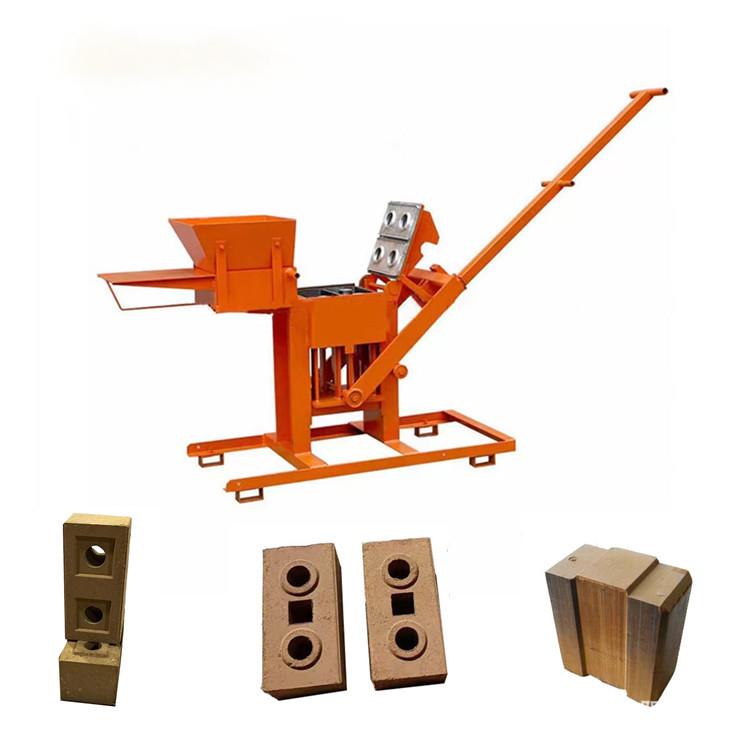
Дар асоси худ, машинчаи дастии фишори хишт, дастгоҳест бо бартарии механикии зебо. Бар хилофи системаҳои мотордор, он аз системаи чархи мураккаб истифода мебарад, ки аксар вақт бо домкрати гидравлик такмил дода мешавад, то фишори бузурги фишорро ба омехтаи тайёршудаи маводди хом татбиқ кунад.
- Раванди Сикл:Давраи амалиётӣ сода ва ҳамзамон самарабахш аст. Омехтаи ҳамгираи хок, семент ё дигар часпакҳо тайёр карда мешавад ва ба қуттии қолиби ҷудошуда ворид мегардад. Сипас, оператор механизми дӯшворро фаъол мекунад, ки сари фишорро ба қолиб медаронад. Ин амал фишореро бо воҳиди тонна дар як инҷи мураббаъ татбиқ мекунад, ки моддаро фишурда ва намӣ ва ҳавои иловагиро хориҷ мекунад. Блоки фишурдашуда сипас барои сахт шудан ба тахтача бароварда мешавад. Ин давра такрор меёбад, ки истеҳсоли мунтазамро аз ҷониби як гурӯҳи хурд имконпазир мекунад.
- Қисмҳои асосӣ:Компонентҳои муҳим ба чӯбаи пӯлодии баланд-кашида ва қолиб, таркиби дастгоҳи дақиқ-сохташудаи рычаг ва поршен, ва рӯйпӯши қолибҳои ивазшаванда дохил мешаванд. Давомнокии ин компонентҳо бевосита ба умри истеҳсолӣ ва муқаррарии сифати хишт вобаста аст.
2. Бартариҳои бозорӣ барои соҳибкорони тиҷоратӣ
Барои дилерҳо ва тақсимкунандагон, тарғиби ин навъи мошинҳо дар асоси бартариҳои равшани бозор, иқтисодиёти қатъии тиҷоратро пешниҳод мекунад.
- Дастрасии осон ба воридшавӣ:Ҷолибтарин фоида арзонбаҳӣ аст. Нархи воҳид як қисми нархи дастгоҳҳои автоматӣ мебошад, ки онро барои доираи васеи муштариён, аз ҷумла соҳибкорони бозорҳои рушдёбанда, кооперативҳои сохтмонии деҳот ва истеҳсолкунандагони махсуси блокҳои фарбеҳ ё блокҳои ландшафтӣ дастрас мекунад.
- Камтарин сарфи амалиётӣ:Ин дастгоҳҳо барои фаъолият ба барқ, сӯзишворӣ ё системаҳои мураккаби гидравликӣ эҳтиёҷ надоранд. Ин ба маънои сифр шудани хароҷоти сӯзишворӣ барои истифодабаранда ва имконияти кор дар минтақаҳои дурдаст ё берун аз шабакаи барқ мебошад, ки бозори ҷуғрофиёии васеъеро мекушояд, ки барои таҷҳизоти барқдор дастрас нест.
- Номатлуқ ва мутобиқшавии беҳамто:Як мошинаи яклухт метавонад тавассути тағйири қолиб маҳсулоти гуногун истеҳсол кунад. Инвентаризатсияи тақсимкунанда метавонад истеҳсоли хиштҳои солид, блокҳои пайвастшаванда, сангҳои фарш ва ҳатто унсурҳои ороиширо дастгирӣ кунад. Ин сермаҳсулӣ ба муштариён имкон медиҳад, ки ба равияҳои маҳаллии бозор аз лоиҳаҳои манзилсозӣ то сахтсозӣ зуд ҷавоб диҳанд.
- Фоидаи баланд ва бозгашти сармоягузорӣ: For the end-user, the return on investment is rapid, often within a few months of steady operation. For the distributor, the combination of competitive pricing, strong demand, and relatively low logistics costs (due to smaller size and weight compared to industrial machinery) ensures healthy profit margins and strong inventory turnover.
- Promotion of Sustainable Practices: The machinery is ideally suited for using locally sourced, often low-cost materials, including stabilized earth, laterite, or fly ash. This “local production for local consumption” model reduces transportation carbon footprint and resonates with growing trends in sustainable construction, a potent selling point.
3. Technical Specifications and Quality Assurance
Success in this market hinges on supplying equipment that is durable and reliable. Key specifications to evaluate and promote include:
- Давомнокии фишор: Measured in tons (e.g., 5-ton, 10-ton, 15-ton models), this determines the brick’s compressive strength. Higher pressure typically produces stronger bricks suitable for load-bearing walls.
- Натиҷаҳои истеҳсолӣ: Measured in blocks per hour (e.g., 150-300 units/hour, depending on crew size and workflow efficiency). Realistic output figures manage client expectations.
- Material Compatibility: Specifications should clearly state compatibility with various soil-cement ratios and other raw materials.
- Сифати сохтмон: Emphasis must be placed on the quality of steel used, the precision of welding, the hardness of the mold surfaces, and the quality of seals in hydraulic systems. Equipment that withstands high-cycle use without deformation is critical for brand reputation.
- Ease of Maintenance and Parts Availability: A clear advantage for distributors is offering machines designed for easy serviceability. Having a readily available inventory of wear parts like mold liners, pins, and hydraulic jack seals builds long-term client trust and creates an ongoing revenue stream from parts sales.
4. Strategic Integration into a Dealer’s Portfolio
This machinery should not be viewed in isolation but as a strategic component of a broader portfolio.
- Gateway Product: It serves as an excellent entry-level product, building relationships with clients who may later upgrade to semi-automated equipment as their business grows.
- Niche Market Dominance: It allows distributors to dominate niches such as eco-villages, self-build housing projects, and municipal road repair programs (for producing interlocking paving blocks).
- Complementary Product Sales: The sale of a brick press naturally leads to opportunities in selling complementary products: raw material mixers, block curing sheets, testing equipment for quality control, and even additives or stabilizers for soil.
Conclusion
Compact manual brick forming machinery represents a paradigm of appropriate technology: efficient, purposeful, and empowering. For the astute distributor or procurement agent, it is far more than a simple tool; it is a vehicle for market expansion and client development. By enabling decentralized, low-cost production of quality building materials, this equipment addresses fundamental needs in urbanization, rural development, and sustainable construction. Incorporating a robust range of these machines into a supply catalog meets a tangible market demand, fosters entrepreneurship, and builds a resilient business model less susceptible to the energy and infrastructure constraints that affect larger industrial equipment. The strategic stocking, promotion, and support of this machinery is an investment in capturing a vital and growing segment of the global construction supply chain.
Frequently Asked Questions (FAQ) for Business Clients
Q1: What is the typical compressive strength range of bricks produced by this machinery?
A: With proper material mix (typically a stabilized soil-cement blend) and correct operation, bricks produced can achieve compressive strengths ranging from 7 MPa to over 10 MPa. This meets or exceeds the standards for non-load-bearing and, in many cases, load-bearing construction in numerous regional building codes. We recommend providing clients with mix design guidelines and encouraging quality control testing.
Q2: How do we address customer concerns about production speed compared to electric or hydraulic machines?
A: Frame the comparison strategically. While output per hour is lower, the total cost of ownership, operational independence, and versatility are unparalleled. The machine provides a viable business model where labor is more available and affordable than capital, fuel, or stable grid electricity. Its value proposition is affordability and adaptability, not competing with mass industrial output.
Q3: What are the most common wear parts, and what should we keep in stock?
A: The highest-wear components are the mold faces/lining, the compression head, and pivot pins/bushings in the lever mechanism. For models with hydraulic jacks, replacement seal kits are essential. Maintaining an inventory of these parts demonstrates commitment to client uptime and generates reliable after-sales revenue.
Q4: Can these machines produce different block sizes and shapes?
A: Absolutely. This is a primary sales feature. By supplying interchangeable molds, a single machine can produce standard rectangular bricks, interlocking blocks for dry-stack construction, hexagonal pavers, and decorative garden blocks. This allows your clients to diversify their product line with minimal additional investment.
Q5: What kind of after-sales support and training is typically required?
A: Comprehensive support is key to success. This should include detailed operational manuals, video tutorials on mix preparation and machine operation, and troubleshooting guides. Offering optional on-site or virtual training for the client’s initial crew can significantly reduce startup issues and build strong partner relationships. Clear warranties on frame and mold integrity are also standard