Análise Operacional e de Mercado de Prensas Manuais de Tijolos
1. Tecnologia Central e Princípio de Funcionamento
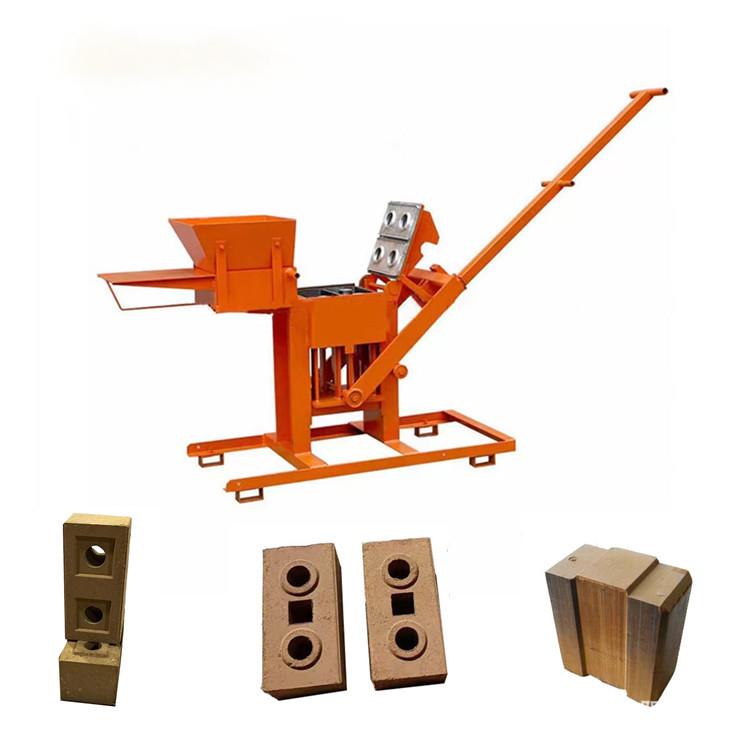
Em sua essência, uma prensa manual de tijolos é um dispositivo de vantagem mecânica elegante. Diferente dos sistemas motorizados, ela utiliza um sistema de alavanca composta, frequentemente ampliado por um macaco hidráulico, para exercer uma força compressiva imensa sobre uma mistura preparada de matérias-primas.
- O Ciclo do Processo:O ciclo operacional é simples, porém eficaz. Uma mistura homogênea de solo, cimento ou outros aglutinantes é preparada e alimentada em uma caixa de molde removível. O operador então aciona o mecanismo de alavanca, conduzindo uma cabeça de compressão para dentro do molde. Esta ação aplica pressão medida em toneladas por polegada quadrada, compactando o material e expelindo o excesso de umidade e ar. O bloco comprimido é então ejetado, geralmente sobre um palete para cura. Este ciclo se repete, permitindo uma produção consistente por uma pequena equipe.
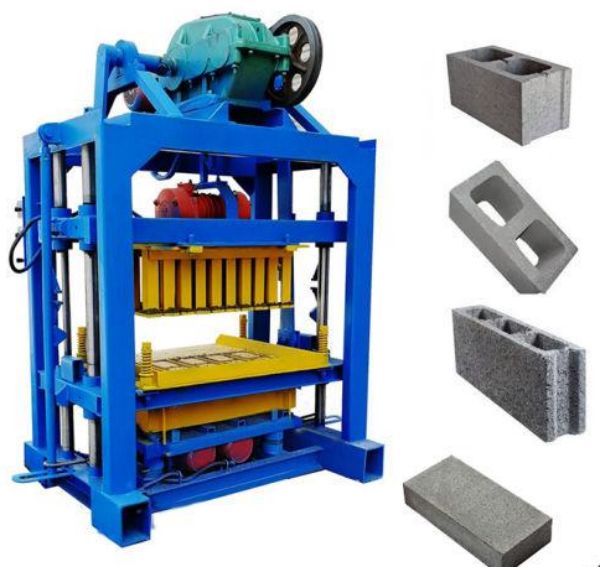
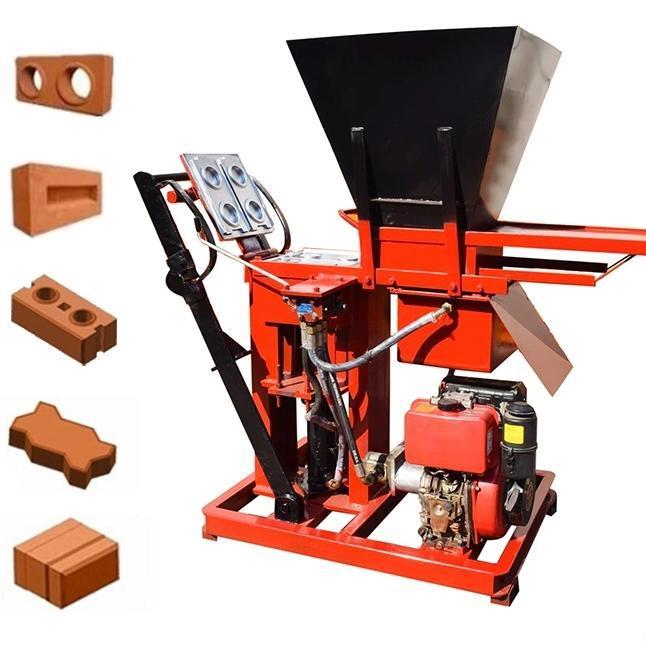
- Componentes Principais:Componentes críticos incluem a estrutura e molde de aço de alta resistência, o conjunto de alavanca e pistão de engenharia de precisão, e as faces de molde intercambiáveis. A durabilidade desses componentes está diretamente correlacionada com a vida útil da produção e a consistência da qualidade dos tijolos.
2. Vantagens Distintivas de Mercado para Partes Interessadas Empresariais
Para revendedores e distribuidores, promover esta categoria de maquinário apresenta um caso de negócio convincente baseado em claras vantagens de mercado.
- Baixa Barreira de Entrada:A vantagem mais proeminente é a acessibilidade. O custo unitário é uma fração do das máquinas automatizadas, tornando-o um produto acessível para uma gama mais ampla de clientes, incluindo empreendedores em mercados em desenvolvimento, cooperativas de construção rurais e fabricantes especializados que produzem pavimentadoras personalizadas ou blocos para paisagismo.
- Sobrecarga Operacional Mínima:Essas máquinas não requerem eletricidade, diesel ou sistemas hidráulicos complexos para funcionar. Isso se traduz em custo zero de combustível para o usuário final e na capacidade de operar em locais remotos ou fora da rede, abrindo vastos mercados geográficos que são inacessíveis para equipamentos motorizados.
- Versatilidade e Adaptabilidade Inigualáveis:Uma única máquina pode produzir uma vasta gama de produtos simplesmente trocando o molde. O estoque de um distribuidor pode, assim, apoiar a produção de tijolos maciços, blocos de encaixe, paralelepípedos e até elementos decorativos. Essa versatilidade permite que os clientes respondam rapidamente às tendências do mercado local, desde projetos habitacionais até paisagismo com elementos rígidos.
- Margens de Lucro Elevadas e Retorno sobre o Investimento: For the end-user, the return on investment is rapid, often within a few months of steady operation. For the distributor, the combination of competitive pricing, strong demand, and relatively low logistics costs (due to smaller size and weight compared to industrial machinery) ensures healthy profit margins and strong inventory turnover.
- Promotion of Sustainable Practices: The machinery is ideally suited for using locally sourced, often low-cost materials, including stabilized earth, laterite, or fly ash. This “local production for local consumption” model reduces transportation carbon footprint and resonates with growing trends in sustainable construction, a potent selling point.
3. Technical Specifications and Quality Assurance
Success in this market hinges on supplying equipment that is durable and reliable. Key specifications to evaluate and promote include:
- Capacidade de Pressão: Measured in tons (e.g., 5-ton, 10-ton, 15-ton models), this determines the brick’s compressive strength. Higher pressure typically produces stronger bricks suitable for load-bearing walls.
- Produção de Saída: Measured in blocks per hour (e.g., 150-300 units/hour, depending on crew size and workflow efficiency). Realistic output figures manage client expectations.
- Material Compatibility: Specifications should clearly state compatibility with various soil-cement ratios and other raw materials.
- Qualidade de Construção: Emphasis must be placed on the quality of steel used, the precision of welding, the hardness of the mold surfaces, and the quality of seals in hydraulic systems. Equipment that withstands high-cycle use without deformation is critical for brand reputation.
- Ease of Maintenance and Parts Availability: A clear advantage for distributors is offering machines designed for easy serviceability. Having a readily available inventory of wear parts like mold liners, pins, and hydraulic jack seals builds long-term client trust and creates an ongoing revenue stream from parts sales.
4. Strategic Integration into a Dealer’s Portfolio
This machinery should not be viewed in isolation but as a strategic component of a broader portfolio.
- Gateway Product: It serves as an excellent entry-level product, building relationships with clients who may later upgrade to semi-automated equipment as their business grows.
- Niche Market Dominance: It allows distributors to dominate niches such as eco-villages, self-build housing projects, and municipal road repair programs (for producing interlocking paving blocks).
- Complementary Product Sales: The sale of a brick press naturally leads to opportunities in selling complementary products: raw material mixers, block curing sheets, testing equipment for quality control, and even additives or stabilizers for soil.
Conclusão
Compact manual brick forming machinery represents a paradigm of appropriate technology: efficient, purposeful, and empowering. For the astute distributor or procurement agent, it is far more than a simple tool; it is a vehicle for market expansion and client development. By enabling decentralized, low-cost production of quality building materials, this equipment addresses fundamental needs in urbanization, rural development, and sustainable construction. Incorporating a robust range of these machines into a supply catalog meets a tangible market demand, fosters entrepreneurship, and builds a resilient business model less susceptible to the energy and infrastructure constraints that affect larger industrial equipment. The strategic stocking, promotion, and support of this machinery is an investment in capturing a vital and growing segment of the global construction supply chain.
Frequently Asked Questions (FAQ) for Business Clients
Q1: What is the typical compressive strength range of bricks produced by this machinery?
A: With proper material mix (typically a stabilized soil-cement blend) and correct operation, bricks produced can achieve compressive strengths ranging from 7 MPa to over 10 MPa. This meets or exceeds the standards for non-load-bearing and, in many cases, load-bearing construction in numerous regional building codes. We recommend providing clients with mix design guidelines and encouraging quality control testing.
Q2: How do we address customer concerns about production speed compared to electric or hydraulic machines?
A: Frame the comparison strategically. While output per hour is lower, the total cost of ownership, operational independence, and versatility are unparalleled. The machine provides a viable business model where labor is more available and affordable than capital, fuel, or stable grid electricity. Its value proposition is affordability and adaptability, not competing with mass industrial output.
Q3: What are the most common wear parts, and what should we keep in stock?
A: The highest-wear components are the mold faces/lining, the compression head, and pivot pins/bushings in the lever mechanism. For models with hydraulic jacks, replacement seal kits are essential. Maintaining an inventory of these parts demonstrates commitment to client uptime and generates reliable after-sales revenue.
Q4: Can these machines produce different block sizes and shapes?
A: Absolutely. This is a primary sales feature. By supplying interchangeable molds, a single machine can produce standard rectangular bricks, interlocking blocks for dry-stack construction, hexagonal pavers, and decorative garden blocks. This allows your clients to diversify their product line with minimal additional investment.
Q5: What kind of after-sales support and training is typically required?
A: Comprehensive support is key to success. This should include detailed operational manuals, video tutorials on mix preparation and machine operation, and troubleshooting guides. Offering optional on-site or virtual training for the client’s initial crew can significantly reduce startup issues and build strong partner relationships. Clear warranties on frame and mold integrity are also standard