
달걀 낳기 블록 머신의 궁극적인 가이드: 작동 원리와 필요성
소개
건설 업계에 종사하신다면, 이런 상황이 익숙하실 겁니다. 프로젝트 마감일이 다가오는데, 블록 생산이 병목 현상을 일으키죠. 급등하는 인건비, 수동 성형의 육체적 부담, 그리고 배치마다 달라지는 블록 품질의 불일치로 고군분투하고 계실 것입니다. 이는 단순한 골칫거리가 아니라, 지연된 프로젝트와 반품된 적재물마다 손실되는 이익 마진입니다.
블록 생산을 끊임없는 도전에서 성장을 위한 믿을 수 있고 효율적인 엔진으로 바꿀 수 있는 방법이 있다면 어떨까요?알 낳기 블록 기계전 세계 중소 규모 콘크리트 블록 제조를 혁신적으로 변화시킨 장비입니다. 가장 노동 집약적인 공정을 자동화함으로써, 복잡하고 비용이 많이 드는 완전한 고정식 공장 없이도 현장에 공장 수준의 일관성을 제공합니다.
이 포괄적인 가이드는 업계 통찰력, 기초적인 엔지니어링 원칙, 그리고 수십 년간의 집단적 운영 지식을 바탕으로 구성되었습니다. 우리는 마케팅의 잡음을 뚫고 핵심만을 추려냈습니다. 이 글을 마칠 때쯤이면, 여러분은 이 기계들이 어떻게 작동하는지, 실질적인 이점은 무엇인지, 적합한 기계를 선택하는 데 중요한 요소들, 그리고 최대한의 내구성과 투자 수익률을 위해 어떻게 운영해야 하는지에 대한 명확한 이해를 갖게 될 것입니다.
알을 낳는 블록 기계란 무엇인가? 기술의 이해를 돕다
처음에는 "달걀 놓기 블록 기계"라는 이름이 궁금증을 자아낼 수 있습니다. 그러나 실제 작동 모습을 보면 그 비유가 완벽하게 이해됩니다. 이 섹션에서는 이 기계를 독특하고 가치 있는 자산으로 만드는 핵심 기술을 상세히 설명합니다.
핵심 정의와 기능
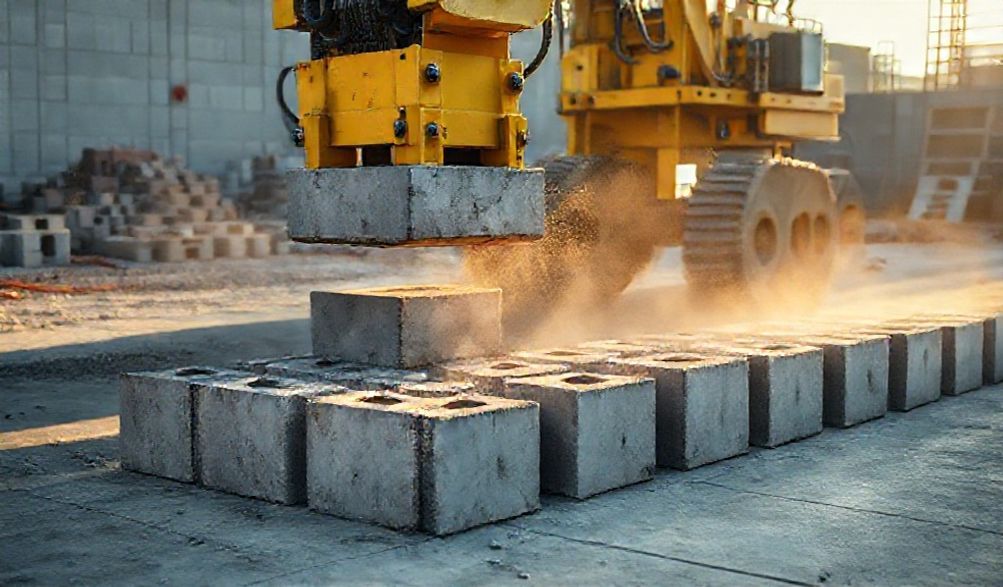
알 까는 블록 기계는 이동식으로, 종종 디젤 또는 전기로 작동하며, 평평한 양생 표면 위에 직접 콘크리트 블록(예: 중공 블록, 고체 블록, 포장용 벽돌, 연석 등)을 제조하도록 설계된 기계입니다. 팔레트 위에 블록을 생산한 후 양생 구역으로 운반하는 고정식 공장과 달리, 이 기계는 블록을 만든 후 닭이 알을 낳듯이 부드럽게 땅에 '깔아' 놓으며 이동합니다. 이러한 방법론의 근본적인 차이가 이 기계의 놀라운 효율성과 단순성의 원천입니다.
"달걀 낳기" 메커니즘 설명
마법은 연속적이고 순환적인 과정 속에서 일어납니다. 이 순환을 이해하는 것이 기계 설계의 진가를 제대로 평가하는 핵심입니다.
- 혼합 및 급여사전 혼합된 콘크리트 블렌드(시멘트, 모래, 골재의 반건조 혼합물)가 기계의 호퍼에 적재됩니다.
- 성형 및 압축혼합물은 몰드 박스에 투입됩니다. 강력한 진동기들은 종종 유압 프레스 헤드의 도움을 받아 강렬한 진동으로 재료를 다집니다. 이 과정은 공기 주머니를 제거하고 밀도 높고 강력한 블록을 보장합니다.
- "누워있는" 순간이것이 바로 시그니처 동작입니다. 전체 몰드 캐리지가 수직으로 상승하는데, 이때 신선하게 성형되고 압축된 블록을 담고 있습니다. 그런 다음 기계는 레일이나 바퀴를 따라 앞뒤로 이동합니다.
- 진술서:몰드 캐리지가 하강하고, 블록이 준비된 양생 바닥으로 배출됩니다. 몰드는 시작 위치로 돌아가며, 완벽하게 성형된 블록을 뒤에 남겨 양생 준비를 마칩니다.
- 사이클 반복:기계가 재설정되고, 순환은 다시 시작되어, 땅 위에 깔끔하고 순차적인 패턴으로 블록을 깔아놓습니다.
주요 구성 요소와 그 역할
이 자동화된 발레에서 모든 부분이 중요한 역할을 합니다.
- 호퍼:원시 콘크리트 믹스의 투입구입니다. 그 크기는 한 번에 얼마나 많은 재료를 적재할 수 있는지를 결정합니다.
- 몰드/진동기 유닛:기계의 심장. 교체 가능한 몰드 박스가 블록의 형태와 크기를 결정합니다. 통합된 진동기는 필요한 다짐력을 제공합니다.
- 유압 또는 기계식 시스템금형 이동대를 들어 올리고, 성형 중 압력을 가하며, 움직임을 실행하는 힘을 제공합니다. 유압 시스템은 부드러운 동력과 정밀한 제어로 인해 널리 사용됩니다.
- 제어판기계 작동을 위한 조절 장치를 내장하고 있어, 작업자가 사이클, 진동 시간 및 움직임을 관리할 수 있도록 합니다.
- Pallet Feeder (or lack thereof): Notably, most true egg layers do 아니요 use pallets. The block is deposited directly onto the curing floor, which is a major cost and logistics saver.
알 낳기 블록 기계 사용의 장점
Moving from theory to practice, the real-world benefits reported by operators and business owners are what make this machine a game-changer. Here’s what you can expect.
Unmatched Efficiency and Output
On-site observations consistently show that a single egg laying machine operated by a crew of 3-5 people can outperform a team of 15-20 manual laborers. With cycle times ranging from 15 to 30 seconds, production rates of 2,000 to 5,000 blocks per 8-hour shift are common for standard hollow blocks. This dramatic increase in output with a smaller crew directly translates to faster project completion and the ability to take on more work.
Superior Space and Logistics Management
Because blocks are laid directly onto the curing floor, you eliminate two major headaches:
* No Pallet Investment: You don’t need to purchase, maintain, or replace thousands of wooden or steel pallets.
* Simplified Handling: There’s no need for complex forklift movements or racking systems to move pallets of green blocks. The blocks cure where they are laid, and are simply picked up once hardened. This significantly reduces the required yard space and handling equipment.
Enhanced Block Quality and Consistency
Manual production is vulnerable to human error—variations in mixing, compaction, and molding lead to inconsistent blocks. An egg laying machine applies precise, repeatable vibration and pressure every single cycle. This results in:
* Higher compressive strength due to better compaction.
* Uniform dimensions and sharp edges.
* Denser blocks with lower water absorption.
* A more professional, reliable product that commands better market trust and price.
비용 효율성과 투자 수익률
For a growing construction firm or block-making entrepreneur, the financial argument is compelling:
* 낮은 자본 지출 It is significantly more affordable than a fully automated stationary block making plant.
* 노동 의존도 감소 Cuts your largest variable cost.
* 최소한의 유지 관리 With fewer complex conveyors and transfer systems, maintenance is simpler and less costly.
* 확장성: You can start with one machine and add more as demand grows, making it a low-risk, high-return entry into automated production.
Key Considerations Before Buying an Egg Laying Block Machine
A wise investment requires due diligence. This checklist, drawn from industry best practices, will help you evaluate your options and partner with the right supplier.
생산 요구 사항 평가하기
Begin with a clear business plan:
* 블록 유형 및 크기: What will you primarily produce? 4″, 6″, 8″ hollow blocks? Pavers? Interlocking bricks? Ensure the machine you choose offers readily available molds for your needs.
* Output Targets: Calculate your average daily or weekly requirement based on current and projected contracts. Don’t just buy for today’s peak; plan for steady growth.
* Project Scale & Mobility: Will the machine operate at a fixed yard, or do you need to move it between sites? This affects your choice of trailer-mounted vs. static models.
기계 사양 심층 분석
모델을 비교할 때, 이 사양들은 절대 타협할 수 없습니다:
* 사이클 타임: The time to produce one block. Faster cycles mean higher output.
* Block Capacity per Cycle: Some machines produce 1, 2, 3, or even 4 blocks per cycle (e.g., for pavers).
* 모터 파워: Indicates the machine’s overall capability (e.g., 10 HP, 15 HP). More power typically supports heavier cycles and larger blocks.
* 진동 시스템 Frequency (Hz) and amplitude (mm) determine compaction efficiency. A combination of high frequency and variable amplitude is often ideal for different mix designs.
* 자동화 수준: Semi-automatic machines require an operator to initiate each cycle. Fully automatic models run a continuous cycle, offering the highest output.
Power Source and Operational Environment
Your site conditions dictate the best choice:
* 전기 Clean, quiet, and cost-effective to run, but requires reliable grid connection.
* 디젤: Offers complete independence and high torque, ideal for remote sites. Factor in fuel costs and emissions.
* 하이브리드: Some models offer the flexibility to switch between power sources, providing the best of both worlds.
Manufacturer and Supplier Evaluation
This is the most critical step. The right partner ensures long-term success.
* Company History & Reputation: How long have they been in business? Look for established manufacturers with a track record.
* After-Sales Service & Support: Do they offer installation guidance, operator training, and timely technical support? Ask for specific details.
* 예비 부품 가용성: Are parts standardized and readily available locally or through a quick supply chain? Downtime is lost revenue.
* Client Testimonials & Site Visits: Request references and, if possible, visit an existing installation to see the machine running.
* Warranty Terms: A clear, comprehensive warranty is a sign of a manufacturer that trusts its product’s quality.
Operating and Maintaining Your Machine for Longevity
Your machine is a significant asset. Proper operation and maintenance, as outlined in standard industry protocols, protect your investment and ensure consistent performance.
Step-by-Step Operational Procedure
Follow this safety-focused checklist for daily operation:
1. Pre-Start Check: Inspect the machine for loose bolts, hydraulic leaks, and clean the mold box. Ensure the vibration motors are secure.
2. 자재 준비 Use a consistent, semi-dry concrete mix with the correct cement-aggregate ratio. Inconsistent mix is the leading cause of block defects.
3. Machine Setup: Position the machine on a perfectly level and prepared curing floor (often a concrete slab).
4. Cycle Operation: Load the hopper, initiate the cycle, and monitor the block formation and laying process. Adjust vibration time based on block density.
5. Post-Operation: Thoroughly clean all concrete residue from the hopper, mold, and vibrator shafts before it hardens. This is a daily non-negotiable task.
Essential Daily and Periodic Maintenance
Adherence to a maintenance schedule prevents major breakdowns:
* Daily: Clean machine thoroughly. Check oil levels in the hydraulic tank. Lubricate all guide rails and moving joints as per the manual.
* Weekly: Tighten all bolts and nuts, especially on vibrator mounts. Inspect hydraulic hoses for wear. Check electrical connections.
* Monthly/Periodically: Change hydraulic oil and filters as recommended. Inspect the vibrator motors for bearing wear. Have a qualified technician perform a full system check.
Troubleshooting Common Issues
- Block Sticking in Mold: Usually caused by a worn/damaged mold, insufficient mold release agent, or an overly wet concrete mix.
- Poor Compaction/Weak Blocks: Likely due to incorrect vibration time, low vibration frequency, or an improper raw material mix (too dry or poor gradation).
- Hydraulic Leaks or Slow Movement: Check hose fittings, seals, and hydraulic fluid levels. Contaminated oil can also cause system issues.
Safety Protocols for Operators
- Mandatory PPE: Safety glasses, steel-toe boots, hearing protection, and gloves.
- Lockout/Tagout (LOTO): Always disconnect and lock out the power source (electrical or diesel) before performing any maintenance or clearing a jam.
- Safe Material Handling: Use appropriate equipment for loading raw materials to avoid strain injuries.
Egg Laying Block Machine vs. Stationary Block Making Plant
Choosing the right technology depends on your business model. Here’s an authoritative comparison to guide your decision.
Comparative Analysis: Investment and Flexibility
- Egg Laying Machine: Lower initial investment. Quick setup and commissioning. Highly mobile—can be moved between sites. Ideal for medium-scale production, start-ups, and projects requiring on-site block manufacturing.
- 고정식 발전소 High capital cost. Requires permanent, significant foundation and infrastructure. Fixed location. Designed for ultra-high-volume, single-location production (e.g., 10,000+ blocks/day).
Production Output and Labor Comparison
- Egg Laying Machine: High output for its class (up to ~5,000 blocks/day). Requires a small crew (3-5). Output is ultimately limited by the sequential laying process.
- 고정식 발전소 Maximum output potential is far higher due to continuous, parallel production lines. Often more automated, but may still require a larger operational and maintenance team.
Making the Right Choice for Your Business
Use this simple matrix:
* Choose an Egg Laying Machine if: You are a growing business, have multiple sites, need flexibility, have a medium-scale demand, or are working with a constrained budget.
* Consider a Stationary Plant if: You are supplying a massive, constant market (e.g., a major city), have a single, large factory site, and have the capital for a long-term, fixed infrastructure investment.
FAQ Section
Q1: What is the average production capacity of a standard egg laying block machine?
A: For a standard 4″ or 6″ hollow block, a well-operated machine can produce between 2,000 and 5,000 blocks in an 8-hour shift, depending on the model’s cycle time and crew efficiency.
Q2: Can one machine produce different types and sizes of blocks?
A: Yes, absolutely. This is a key advantage. By changing the mold box, the same machine can produce hollow blocks, solid blocks, paving stones, and more. Ensure you purchase the desired molds from your supplier.
Q3: What is the typical lifespan of a well-maintained egg laying machine?
A: With strict adherence to maintenance schedules and operation within design limits, a quality machine can have a productive lifespan of 10-15 years or more. Critical components like vibrators and hydraulic parts may require replacement sooner based on usage.
Q4: What raw material mix is recommended for optimal results?
A: A standard, reliable mix is a 1:6:4 ratio (Cement: Sand: Aggregate, by volume). Use a coarse, well-graded sand and 3/8″ aggregate. The mix should be semi-dry—holding its shape when squeezed in your hand but crumbling when poked.
Q5: Is special training required to operate this machinery?
A: While not overly complex, formal training from your supplier is highly recommended. Proper training ensures safety, maximizes output, minimizes waste, and extends machine life. Most reputable suppliers include basic operational training.
Q6: How much space is needed for operation and block curing?
A: You need a level, solid concrete curing floor. Space required depends on daily output. As a rule of thumb, for curing 1000 blocks, you need approximately 150-200 sq. meters, accounting for walking aisles. The machine itself requires an operational area about 4m wide by 10m long per lane.
결론
The egg laying block machine stands as a testament to smart, practical engineering. It elegantly solves the core problems of labor intensity, inconsistent quality, and logistical complexity in block production. By understanding its “lay-and-go” mechanism, recognizing the substantial benefits in efficiency and cost-saving, and carefully selecting a machine and manufacturer based on your specific needs, you can make an investment that pays dividends for years to come.
For most small to medium-sized construction businesses and block manufacturing entrepreneurs, it represents the ideal balance of capability, affordability, and flexibility. It’s not just a machine; it’s a strategic tool for scalable growth.
Ready to take the next step? We strongly encourage you to use the criteria outlined here to consult with several reputable manufacturers. Request detailed specifications, ask for client references, and if possible, insist on a live demonstration. Have specific questions about your project? Feel free to reach out—our goal is to be a continuing resource in your journey toward more efficient and profitable construction.
Author Bio:
This guide was authored by a team with over 20 years of combined experience in civil engineering, construction machinery distribution, and on-site block manufacturing operations. Our insights are drawn from direct collaboration with manufacturers, technical training sessions, and countless hours observing these machines in action across diverse project sites. We are dedicated to providing accurate, practical information to help industry professionals build their businesses on a solid foundation.