
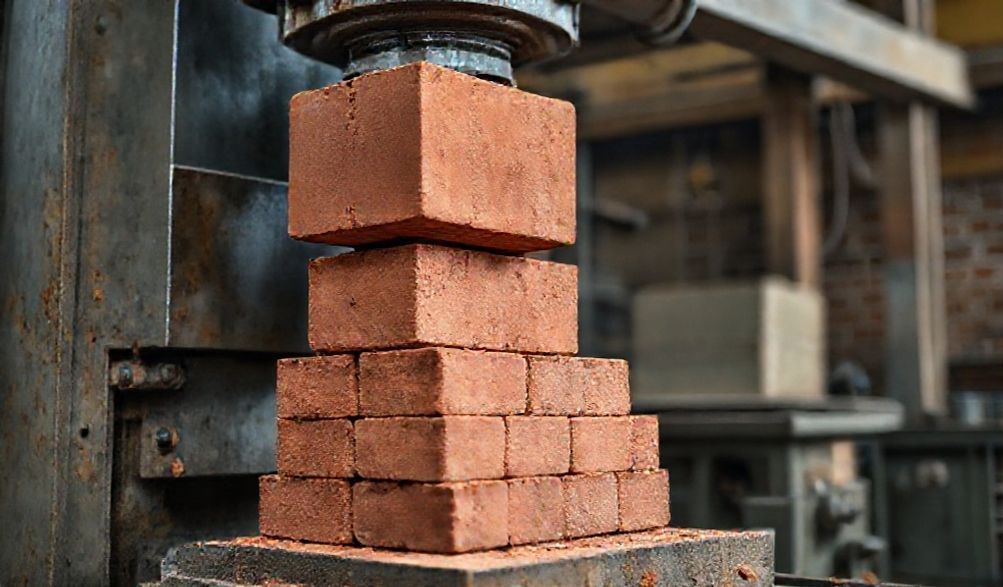
Plena Ductio ad Lateres Machinales Faciendos: Efficientia, Genera ac Processus
Introductio
Orbis aedificatoria industria plus quam sesquitrillionem laterum quotannis ponit, postulatio fundamentalis quae altum transitum a manu fictili tradita ad productionem mechanizatam incitavit. Hic ductor ad modernamLateres machinales faciendi.Ex decenniis experientiae industriae collectae, normis machinalibus, et datis operativis ex felicibus fabricis per orbem terrarum compingitur. Hic, "lateres machinales faciendos" definimus ut processum automatizatum vel semi-automatizatum fabricandi lateres utens instrumentis specialibus, methodum quae constantiam, magnitudinem, et rationes oeconomicas in aedificatione penitus mutavit.
Sive redemptor es qui in situ productionem perpendit, sive constructor qui negotium suum amplificat, sive ingeniarius civilis qui materias designat, sive procurator operis qui sumptus exornat, hic dux tibi est ut universa subsidia praebeat. Commoda dissecabimus, genera principalia machinarum explorabimus, processum productionis gradatim perambulabimus, et rationem criticam ad instrumenta seligenda et conservanda praebebimus. Propositum nostrum est te scientia instruere ut consilia certa et lucrosa pro tuis inceptis et conatibus capias.
Cur Elige Lateres Machina Factos? Praestantia Super Modos Manuales
Transitus a manuali ad machinalem laterum productionem non tantum mutationem in magnitudine est; sed etiam fundamentale augmentum in qualitate, oeconomicis, et facultate. Haec commoda intellegere clavem est ad collocationem pecuniae iustificandam.
Incomparabilis Constantia et Qualitas
Lateres machinati cum praecisione synonymi sunt. Processus praestat:
* Dimensio AccurataLater omnis ad exactam longitudinem, latitudinem, altitudinemque normam respondet, structuram laterum facilitans et usum caementi minuens.
* Compactionis Uniformis:Pressura hydraulica vel mechanica materiam rudem per laterem aequaliter comprimit, infirmitates excludens.
* Integritas Structurae ConstansHaec uniformis densitas in constantem vim compressionis transfertur, per singulas copias, certam efficacitatem in parietibus onera sustinentibus praestans.
Productio Dramatice Aucta
Celeritas est ubi machina manum laborem relinquit. Effectus laterculis per horam metitur, non per diem.
* Pressio manualis fundamentalis fortasse 500-1,000 lateres in statione octo horarum efficiat.
Machina semiautomatica in eodem tempore duo ad quinque milia laterculorum efficere potest.
Planta plene automataria plus quam viginti milia laterum per diem cum minima hominum opera superare potest.
Haec efficentia permittit ut strictas terminos proiecti obeas et maiora contracta suscipias.
Significae Laboris et Impensarum Redemptiones
Cum prima collocatio maior est, longinqua oeconomica valde adliciunt.
* Reducta Artificiosorum Operariorum Dependentia:Machina artem normat, fiduciam in figulorum peritiorum minuens.
* Inferior Pretii per Unitatem:In magnitudine, pretium productionis per laterem praecipitat ob maiorem effectum et laborem aptatum.
* Reditus in Longum Tempus:Reditus investitionis per constantem et magni momenti productionem efficitur, saepe pretium machinae intra paucos annos pro operationibus activis solvens.
Materiae Imperium Amplificatum et Versatilitas
Machinae praestant imperium super variabilibus productionis.
* Mixturae Exactae Imperium:Miscere consilia pro caemento, harena, congerie, vel argilla accurate imitari potes, firmitatem et durabilitatem optimam praestans.
* Adaptabilitas:Simplici forma mutata, una machina varia efficere potest: solidos caudices, cavos caudices, lateres conexos ad aridam struem, vel lapides stratarios. Haec flexibilitas permittet ut variis mercatus necessitatibus satisfacias.
Genera Principalia Machinarum Lateris Fingendi
Eligendi machinam aptam pendet ex comprehensione generum praesto. Unumquodque genus certae operationis mensurae et rationi negotiali inservit.
Machinae Laterum Plenarie Automatae
Hae sunt lineae productionis perfectae atque integrae.
* Descriptio:Totum processum automant—a materiae crudae adiectione et mixtione ad vecturam, formandam, durandam, et interdum etiam in paletas disponendas. Saepe utuntur logicis programmabilibus moderatoriis (PLC) ad operationem.
* Casibus Usus Optimis:Magnae fabricae laterum, ingentes mercatores laterum commercialium, et maiora opera infrastructurae cum sede productionis dedicata et perpetua.
Machinae Semi-Automaticae Lateres Faciendi
The perfect balance between automation and affordability.
* Descriptio: The core molding and compaction process is mechanized (often via a hydraulic system), but certain steps like feeding the raw material into the hopper or removing and stacking “green” bricks require operator assistance.
* Casibus Usus Optimis: Medium-scale enterprises, growing construction businesses, and entrepreneurs looking to scale up from manual production without the capital outlay for a full automatic line.
Manual (Hand-Operated) Brick Press Machines
The entry point into mechanized production.
* Descriptio: These are lever-operated or small hydraulic press machines where the operator provides the physical force or controls a manual hydraulic pump to compact the material in a mold.
* Casibus Usus Optimis: Small startups, community-led projects, rural construction with limited electricity, and operations with very low daily brick requirements. They are low-cost and portable.
Machinae Laterarias Mobiles
Production on wheels, for maximum logistical efficiency.
* Descriptio: These are compact, trailer-mounted units (often semi-automatic) that can be towed directly to a construction site.
* Casibus Usus Optimis: Remote construction sites (like dams or roads), large housing projects where transporting finished bricks is costly, and businesses that serve multiple, dispersed locations. They slash transportation costs dramatically.
The Step-by-Step Machine Brick Making Process
A deep dive into the process reveals the engineering behind a simple brick. This procedural knowledge is crucial for quality control.
Stage 1: Raw Material Selection and Preparation
The foundation of a quality brick lies in its raw materials.
* Selection: The primary material varies—it could be clay, a cement-sand-aggregate mix, or fly ash. Soil testing for clay (checking composition, plasticity) is essential.
* Praeparatio: Raw materials are crushed (if needed), screened to remove debris and oversized particles, and then proportioned according to a precise mix design.
Stage 2: Mixing and Conditioning
Consistency is born here.
* The proportioned materials are fed into a mixer—a pan mixer or paddle mixer is common.
* Water is added gradually to achieve the optimal moisture content (typically 8-10% for cement-based blocks). The goal is a homogenous, workable mix that will compact well without being soggy.
Stage 3: Molding and Compaction
This is the heart of Lateres machinales faciendi..
* The conditioned mix is fed into the machine’s hopper.
* It is then conveyed into a mold cavity (the shape of the final brick).
* A hydraulic ram or mechanical press applies intense pressure (often measured in tons) to compact the mix, forming a dense, coherent “green brick.”
* The mold is then lifted or opened, and the green brick is ejected onto a pallet or conveyor.
Stage 4: Curing and Drying
Strength development happens in this critical phase.
* For Cement Bricks (Curing): Green bricks are moved to a curing chamber or area where they are kept moist and at a controlled temperature for 14-28 days. This allows the cement to hydrate fully and achieve its design strength.
* For Clay Bricks (Drying & Firing): Green bricks must be dried slowly to prevent cracking before being fired in a kiln at high temperatures (900°C – 1200°C) to achieve hardness and durability.
Stage 5: Storage and Palletizing
- Once fully cured or fired, bricks are stacked on pallets using forklifts or manual labor.
- They should be stored in a flat, dry area, with stacks stable and not exceeding safe heights to prevent toppling and edge damage.
Key Factors When Selecting a Brick Making Machine
Choosing equipment is a strategic decision. This framework will guide your evaluation.
Aestimatio Facultatis Tuae Producendae Necessitatum
- Calculation: Analyze your current and projected project pipelines. How many bricks do you need per day or per month? Always choose a machine with a capacity 20-30% above your calculated need to account for growth and maintenance downtime.
Understanding Raw Material Availability
- Match Machine to Material: Is your region rich in clay? Then a clay brick machine (possibly with a kiln) is suitable. Is cement and sand more accessible? Opt for a concrete block machine. Some machines are specifically designed for fly ash or recycled aggregates.
Power Source Considerations: Electric, Diesel, or Hybrid?
- Electricus: Cleaner, quieter, and lower operating cost, but requires a reliable grid connection.
- Diesel: Offers complete independence and mobility, ideal for remote sites, but has higher fuel costs and emissions.
- Hybrida: Some models offer the flexibility to switch between power sources, providing excellent adaptability.
Budget Analysis: Machine Cost vs. Total Investment
The machine’s price tag is just one component. Factor in:
* Upfront machine cost
* Installation and foundation costs
* Auxiliary equipment (mixer, conveyor, pallets)
* Cost of raw material handling equipment
* Maintenance budget and spare parts
* Operator training costs
Supplier Reputation and After-Sales Support
This is perhaps the most critical factor for long-term success and directly impacts Fides.
* Choose a supplier with a proven track record and technical expertise.
* Verify the availability of spare parts and the responsiveness of their service team.
* A solid warranty and the provision of comprehensive training (installation, operation, maintenance) are non-negotiable for protecting your investment.
Maintaining Your Brick Making Machine for Longevity
Regular maintenance is the cheapest insurance policy. It prevents costly breakdowns and ensures consistent brick quality.
Daily and Weekly Maintenance Checklists
- Daily: Clean the machine thoroughly at the end of each shift, especially the mold cavity and hopper. Check hydraulic oil levels and look for leaks. Visually inspect all components.
- Weekly: Lubricate all moving parts as per the manual. Check and tighten all bolts and nuts. Inspect the mold for wear or damage.
Troubleshooting Common Operational Issues
- Cracked Bricks: Often caused by incorrect moisture content (too wet or too dry) in the mix or excessive vibration during ejection.
- Poor Compaction/Weak Bricks: Insufficient hydraulic pressure, incorrect mix proportions, or overly dry material.
- Sticking in Mold: Worn mold liners, insufficient release agent, or a mix that is too wet.
- Hydraulic Leaks: Check and replace worn seals or hoses immediately.
Seasonal Maintenance Tips
- Humid/Rainy Seasons: Protect electrical components from moisture. Cover the machine when not in use. Consider using rust-preventative sprays on exposed metal.
- Freezing Conditions: If using water in the mix, ensure all lines are drained to prevent freezing and cracking. Store the machine in a sheltered location if possible.
Frequently Asked Questions (FAQ) About Machine Brick Making
Q1: What is the average cost of setting up a small-scale brick making machine plant?
Costs vary widely based on automation. A basic manual press setup can start from $2,000 – $5,000. A semi-automatic operation with a mixer and basic equipment might range from $15,000 to $50,000. Fully automatic plants begin at $100,000+. Key variables are machine type, power source, and required auxiliary equipment.
Q2: Can brick making machines use recycled materials like fly ash or construction waste?
Absolutely. Fly ash brick machines are specifically designed to use this industrial byproduct, creating an eco-friendly product. Certain concrete block machines can also incorporate processed construction and demolition (C&D) waste as aggregate, supporting circular economy principles in construction.
Q3: How many workers are needed to operate a semi-automatic brick making machine?
Typically, a crew of 3-5 is efficient. Roles include: 1-2 workers feeding the mixer and hopper, 1 operator controlling the machine, and 1-2 workers removing and stacking green bricks for curing.
Q4: What is the typical payback period for an investment in a brick making machine?
The payback period can range from 1 to 3 years for a well-managed operation. It depends heavily on local brick market prices, your production volume and utilization rate, operational efficiency, and raw material costs. High-demand areas with efficient production see faster returns.
Q5: Are machine-made bricks as strong as traditional fired clay bricks?
Yes, and often stronger. While high-quality fired clay bricks are excellent, machine-made cement concrete blocks or compressed earth blocks can be engineered to meet or exceed standard compressive strength requirements (e.g., ASTM C90 for concrete masonry units). The key is proper mix design, compaction, and curing.
Conclusio.
Machine brick making represents a transformative leap for the construction sector, delivering unparalleled consistency, scalability, and cost-effectiveness. Success in this endeavor, however, hinges on two pillars: deep knowledge of the process and a strategic partnership with reliable equipment and suppliers.
By understanding the types of machines, the science of the production process, and the critical factors in selection and maintenance, you are equipped to make a decision that will build the foundation for your projects—and your business—for years to come. This investment is not just in metal and hydraulics; it’s an investment in precision, efficiency, and growth.
Ready to move from theory to action? Contact our industry specialists today for a personalized consultation to match the ideal brick making machine to your specific production goals, budget, and local material conditions.
<