
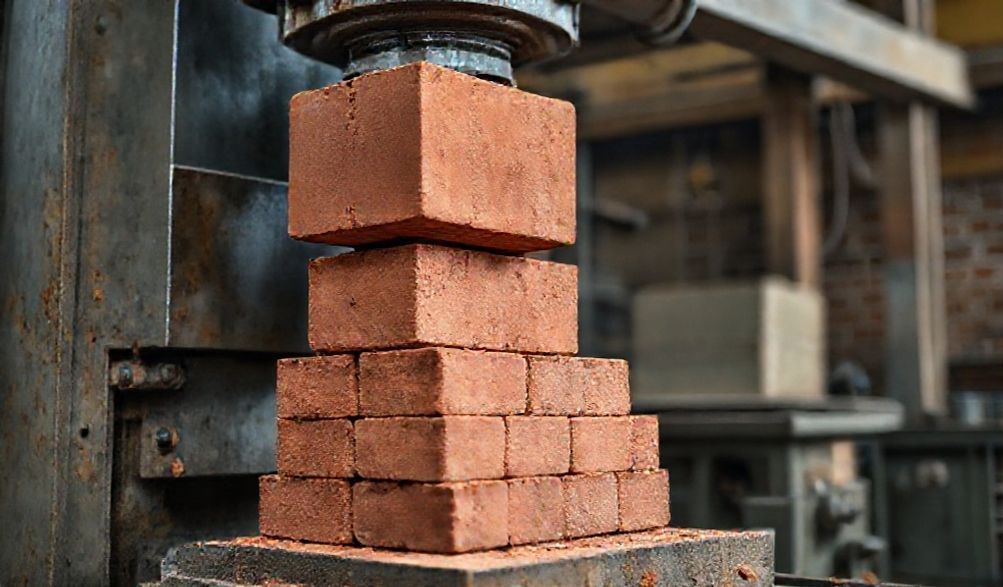
Hagee Dhameystiran ee Dhismaha Lebiska Makinadaha: Wax-ku-oolka, Noocyada & Habka
Hordhac
Warshada dhismaha caalamku waxay dhisaa in ka badan 1.5 tiriliyan oo libaax sanadkiiba, baahida aasaasiga ah ee ay sababtay isbeddel qoto dheer oo ka socday qalabka gacanta ee dhaqanka ah ilaa soo saarida mishiinka. Hageegan ee casriga ahmakiinada dhismo lebiwaxaa lagu soo ururiyay dheg-dhegkaas qarniyo ka badan ee khibradda iskaashiga ah ee warshadaha, qeexitaannada injineernimada, iyo xogta hawlgalka ee laga soo qaaday warshadaha guulaha gaaray adduunka oo dhan. Halkan, waxaan u qeexaynaa "dhisme dhagax dhiga" sida habka otomaatiga ah ama qayb-otomaatiga ah ee sameynta dhagaxyada iyadoo la adeegsanayo makiinado gaar ah, habkaas oo ka dhalay isbeddel weyn ku yimid isku midka, cabbirka, iyo dhaqaalaha dhismaha.
Haddii aad tahay khadka ka shaqeeya oo qiimeynaya wax soo saarka goobta, ganacsade dhismo oo kobcinaya ganacsigaaga, injineer dhismo oo qeexaya qalabka, ama maareeye mashruuc oo hagaajaya kharashyada, hagahan waa ilahaaga dhamaadli ah. Waxaan u kala saari doonaa faa'iidooyinka, aan baari doonaa noocyada aasaasiga ah ee makiinadaha, aan ku socon doonaa habka wax soo saarka talaabo talaabo, oo aan bixin doonaa qaab muhiim ah oo loo xusho oo lagu ilaaliyo qalabka. Ujeeddadeedu waa inaan kuu siiyo aqoonta lagu gaaro go'aanno wacyi gelin leh oo faa'iido leh mashruucyadaaga iyo maamulkaaga.
Maxaa Loo Dooranayo Lebi Qalab leh? Faa'iidooyinka ka Sarreeya Hababka Gacanta.
U beddelka ka socda wax soo saarka lebbiska gacanta ah ilaa qalabka ayaa ah mid aan ahayn isbeddel ku saabsan cabbirka kaliya; waa horumar dhab ah oo ku saabsan tayada, dhaqaalaha, iyo awoodda. Fahamka faa'iidooyinkan ayaa muhiim u ah in lagu xaqiijiyo maalgelinta.
La'aanteedka iyo Tayooyinka aan la Qiyaasi Karin
Brickada macshinka leh waxay la mid tahay saxnaanta. Habka wuxuu hubiyaa:
* Qeybinta Cabbirka:Qori kasta wuxuu u qalmaa qiyaas sax ah oo dherer, ballac iyo joog ah, taas oo fududeyneysa dhismaha qoryaha iyo yareeynta isticmaalka dhoobada.
* Qalabka Isku Midka ah ee Dabaqidda:Cadaadiska hydraulics ama mekanikali ayaa isku dhejinaya qalabka dhabta ah si siman gudaha lebiska, isaga oo tirtiraya meelaha daciifka ah.
* Qaabka Isku Midka ah ee Qaab-dhismeedkaQeybtaan isku mid ah oo qoto dheer ayaa u turjumaysa xoogga adag ee la hubiyo, qeyb kasta ka dib qeyb kale, taasoo hubinaya waxqabad la saadaalin karo darbiyada xambaarsan culayska.
Wax soo saaridda oo si weyn loo kordhiyay
Xawaaraha waa halka uu mashiinnada ka tagayo shaqada gacanta. Wax soo saarka ayaa la qiyaasaa tobanka oo saacad walba, ma aha maalin walba.
* Miishin dabaqad oo caadi ah ayaa laga yaabaa inay soo saarto 500-1,000 jookh 8-saacadood.
* Mashinka dhexdhexaad ah oo otomaatig ah ayaa soo saari karta 2,000 ilaa 5,000 libaax muddada la mid ah.
* Warshad dhirta oo si toos ah u shaqeysa ayaa ka badan 20,000 bir ka soo saari karta maalin kasta iyadoo la isticmaalayo ka-qaybgal aadan ah oo yar.
Habkani tayadaani waa ku ogolaanaysaa inaad buuxiso muddada caddaalad ah ee mashruuca iyo inaad qaadato qandaraasyo waaweyn.
Wax Qashin iyo Qiimo Badan oo La Kaydiyo
While the initial investment is higher, the long-term economics are compelling.
* Reduced Skilled Labor Dependency: The machine standardizes the skill, reducing reliance on highly experienced molders.
* Lower Per-Unit Cost: At scale, the cost of production per brick plummets due to higher output and optimized labor.
* ROI-da Dheer-ee: The return on investment is realized through consistent, high-volume production, often paying back the machine cost within a few years for active operations.
Enhanced Material Control and Versatility
Machines offer superior command over the production variables.
* Precise Mix Control: You can accurately replicate mix designs for cement, sand, aggregate, or clay, ensuring optimal strength and durability.
* Adaptability: With a simple mold change, a single machine can produce various products: solid blocks, hollow blocks, interlocking bricks for dry-stacking, or paving slabs. This flexibility allows you to cater to diverse market needs.
Core Types of Brick Making Machines
Selecting the right machine hinges on understanding the categories available. Each type serves a specific operational scale and business model.
Makiinadaha Dhismo Dhagaxa Oo Si Toos Ah U Shaqeeya
These are complete, integrated production lines.
* Sharaxaad: They automate the entire process—from raw material feeding and mixing to conveying, molding, curing, and sometimes even palletizing. They often use programmable logic controllers (PLCs) for operation.
* Isticmaalka Ugu Fiican: Large-scale brick manufacturing plants, high-volume commercial block suppliers, and major infrastructure projects with a dedicated, permanent production site.
Makiinadooyinka Dhismooyinka Lebi ee Yar-Yar
The perfect balance between automation and affordability.
* Sharaxaad: The core molding and compaction process is mechanized (often via a hydraulic system), but certain steps like feeding the raw material into the hopper or removing and stacking “green” bricks require operator assistance.
* Isticmaalka Ugu Fiican: Medium-scale enterprises, growing construction businesses, and entrepreneurs looking to scale up from manual production without the capital outlay for a full automatic line.
Manual (Hand-Operated) Brick Press Machines
The entry point into mechanized production.
* Sharaxaad: These are lever-operated or small hydraulic press machines where the operator provides the physical force or controls a manual hydraulic pump to compact the material in a mold.
* Isticmaalka Ugu Fiican: Small startups, community-led projects, rural construction with limited electricity, and operations with very low daily brick requirements. They are low-cost and portable.
Qalabka Gacanta ee Dhismaha Jaajuurta
Production on wheels, for maximum logistical efficiency.
* Sharaxaad: These are compact, trailer-mounted units (often semi-automatic) that can be towed directly to a construction site.
* Isticmaalka Ugu Fiican: Remote construction sites (like dams or roads), large housing projects where transporting finished bricks is costly, and businesses that serve multiple, dispersed locations. They slash transportation costs dramatically.
The Step-by-Step Machine Brick Making Process
A deep dive into the process reveals the engineering behind a simple brick. This procedural knowledge is crucial for quality control.
Stage 1: Raw Material Selection and Preparation
The foundation of a quality brick lies in its raw materials.
* Selection: The primary material varies—it could be clay, a cement-sand-aggregate mix, or fly ash. Soil testing for clay (checking composition, plasticity) is essential.
* Diyaarinta: Raw materials are crushed (if needed), screened to remove debris and oversized particles, and then proportioned according to a precise mix design.
Stage 2: Mixing and Conditioning
Consistency is born here.
* The proportioned materials are fed into a mixer—a pan mixer or paddle mixer is common.
* Water is added gradually to achieve the optimal moisture content (typically 8-10% for cement-based blocks). The goal is a homogenous, workable mix that will compact well without being soggy.
Stage 3: Molding and Compaction
This is the heart of makiinada dhismo lebi.
* The conditioned mix is fed into the machine’s hopper.
* It is then conveyed into a mold cavity (the shape of the final brick).
* A hydraulic ram or mechanical press applies intense pressure (often measured in tons) to compact the mix, forming a dense, coherent “green brick.”
* The mold is then lifted or opened, and the green brick is ejected onto a pallet or conveyor.
Stage 4: Curing and Drying
Strength development happens in this critical phase.
* For Cement Bricks (Curing): Green bricks are moved to a curing chamber or area where they are kept moist and at a controlled temperature for 14-28 days. This allows the cement to hydrate fully and achieve its design strength.
* For Clay Bricks (Drying & Firing): Green bricks must be dried slowly to prevent cracking before being fired in a kiln at high temperatures (900°C – 1200°C) to achieve hardness and durability.
Stage 5: Storage and Palletizing
- Once fully cured or fired, bricks are stacked on pallets using forklifts or manual labor.
- They should be stored in a flat, dry area, with stacks stable and not exceeding safe heights to prevent toppling and edge damage.
Key Factors When Selecting a Brick Making Machine
Choosing equipment is a strategic decision. This framework will guide your evaluation.
Qiimeynta Baahida Awoodda Wax-soo-saarkaaga
- Calculation: Analyze your current and projected project pipelines. How many bricks do you need per day or per month? Always choose a machine with a capacity 20-30% above your calculated need to account for growth and maintenance downtime.
Understanding Raw Material Availability
- Match Machine to Material: Is your region rich in clay? Then a clay brick machine (possibly with a kiln) is suitable. Is cement and sand more accessible? Opt for a concrete block machine. Some machines are specifically designed for fly ash or recycled aggregates.
Power Source Considerations: Electric, Diesel, or Hybrid?
- Koronto: Cleaner, quieter, and lower operating cost, but requires a reliable grid connection.
- Dhiisel: Offers complete independence and mobility, ideal for remote sites, but has higher fuel costs and emissions.
- Iskudhaf Some models offer the flexibility to switch between power sources, providing excellent adaptability.
Budget Analysis: Machine Cost vs. Total Investment
The machine’s price tag is just one component. Factor in:
* Upfront machine cost
* Installation and foundation costs
* Auxiliary equipment (mixer, conveyor, pallets)
* Cost of raw material handling equipment
* Maintenance budget and spare parts
* Operator training costs
Supplier Reputation and After-Sales Support
This is perhaps the most critical factor for long-term success and directly impacts Aamin.
* Choose a supplier with a proven track record and technical expertise.
* Verify the availability of spare parts and the responsiveness of their service team.
* A solid warranty and the provision of comprehensive training (installation, operation, maintenance) are non-negotiable for protecting your investment.
Maintaining Your Brick Making Machine for Longevity
Regular maintenance is the cheapest insurance policy. It prevents costly breakdowns and ensures consistent brick quality.
Daily and Weekly Maintenance Checklists
- Daily: Clean the machine thoroughly at the end of each shift, especially the mold cavity and hopper. Check hydraulic oil levels and look for leaks. Visually inspect all components.
- Weekly: Lubricate all moving parts as per the manual. Check and tighten all bolts and nuts. Inspect the mold for wear or damage.
Troubleshooting Common Operational Issues
- Cracked Bricks: Often caused by incorrect moisture content (too wet or too dry) in the mix or excessive vibration during ejection.
- Poor Compaction/Weak Bricks: Insufficient hydraulic pressure, incorrect mix proportions, or overly dry material.
- Sticking in Mold: Worn mold liners, insufficient release agent, or a mix that is too wet.
- Hydraulic Leaks: Check and replace worn seals or hoses immediately.
Seasonal Maintenance Tips
- Humid/Rainy Seasons: Protect electrical components from moisture. Cover the machine when not in use. Consider using rust-preventative sprays on exposed metal.
- Freezing Conditions: If using water in the mix, ensure all lines are drained to prevent freezing and cracking. Store the machine in a sheltered location if possible.
Frequently Asked Questions (FAQ) About Machine Brick Making
Q1: What is the average cost of setting up a small-scale brick making machine plant?
Costs vary widely based on automation. A basic manual press setup can start from $2,000 – $5,000. A semi-automatic operation with a mixer and basic equipment might range from $15,000 to $50,000. Fully automatic plants begin at $100,000+. Key variables are machine type, power source, and required auxiliary equipment.
Q2: Can brick making machines use recycled materials like fly ash or construction waste?
Absolutely. Fly ash brick machines are specifically designed to use this industrial byproduct, creating an eco-friendly product. Certain concrete block machines can also incorporate processed construction and demolition (C&D) waste as aggregate, supporting circular economy principles in construction.
Q3: How many workers are needed to operate a semi-automatic brick making machine?
Typically, a crew of 3-5 is efficient. Roles include: 1-2 workers feeding the mixer and hopper, 1 operator controlling the machine, and 1-2 workers removing and stacking green bricks for curing.
Q4: What is the typical payback period for an investment in a brick making machine?
The payback period can range from 1 to 3 years for a well-managed operation. It depends heavily on local brick market prices, your production volume and utilization rate, operational efficiency, and raw material costs. High-demand areas with efficient production see faster returns.
Q5: Are machine-made bricks as strong as traditional fired clay bricks?
Yes, and often stronger. While high-quality fired clay bricks are excellent, machine-made cement concrete blocks or compressed earth blocks can be engineered to meet or exceed standard compressive strength requirements (e.g., ASTM C90 for concrete masonry units). The key is proper mix design, compaction, and curing.
Gabagabo
Machine brick making represents a transformative leap for the construction sector, delivering unparalleled consistency, scalability, and cost-effectiveness. Success in this endeavor, however, hinges on two pillars: deep knowledge of the process and a strategic partnership with reliable equipment and suppliers.
By understanding the types of machines, the science of the production process, and the critical factors in selection and maintenance, you are equipped to make a decision that will build the foundation for your projects—and your business—for years to come. This investment is not just in metal and hydraulics; it’s an investment in precision, efficiency, and growth.
Ready to move from theory to action? Contact our industry specialists today for a personalized consultation to match the ideal brick making machine to your specific production goals, budget, and local material conditions.
<