
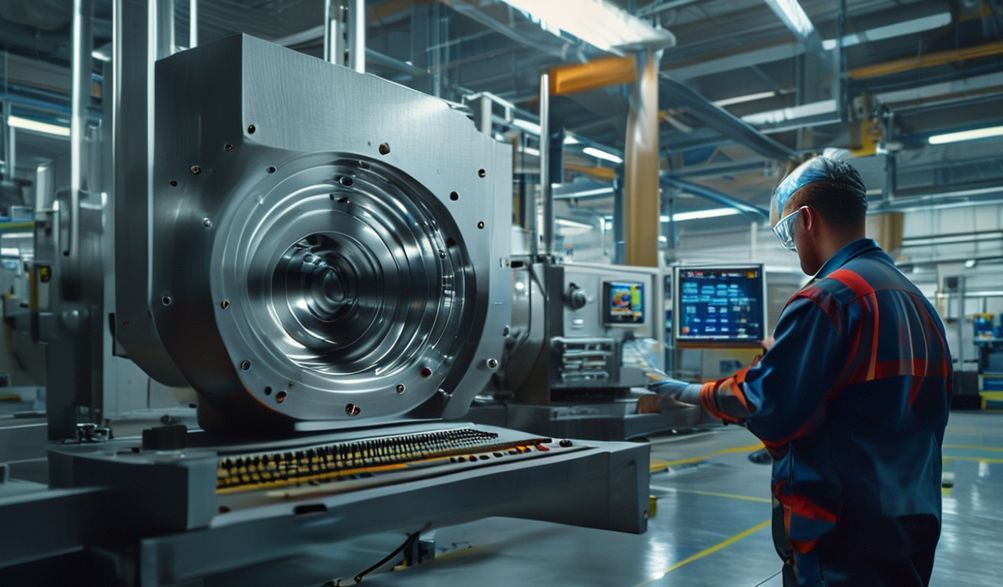
Bonae Qualitatis Machinas ad Cava Latericia Facienda Inveniendi Officinae: In Lucem Ponitur FUDA Officina Latericia Faciendi
Introductio
In mundo hodiernae constructionis, cavus laterculus humilis est vis fundamenti potens. Ab aedificiis domesticis ad infrastructuram magni momenti, qualitas, constantia, et firmitas horum laterculorum directe integritatem structuralem, tempora inceptorum, et sumptus universos afficit. In corde huius productionis iactat instrumentum criticum: machina fabricandi laterculos cavos. Eligere machinam fidelem, summae qualitatis, non est mercatio tantum; est longi temporis consilium collocatum in efficacitate et fama negotii tui.
At vero per totum orbem terrarum machinarum officinas mercaturam peragere formidolosum negotium esse potest. Emptores saepe in multitudinem optionum, in contrarias qualitatis affirmationes incidunt, atque in perenni provocatione pretii initialis cum diuturna firmitate et auxilio componendi. Pericula instrumentorum deteriorum eligendi gravia sunt—crebrae ruinae, inconstans qualitas laterum, nimiae impensae sustentationis, et morae operum quae negotium debilitare possunt.
Hic ductor excogitatus est ut tumultum transeat. Nos certa signa verae bonaeque qualitatis fabricae machinae ad cavos lateres faciendos delineabimus, praebentes tibi utilem formulam ad aestimationem. Ut haec principia in re fundentur, utemurFUDA Laterculorum Faciendi OfficinaUt exemplum principale, inspiciendo quomodo eius consuetudines cum signis industriae ad excellentiam congruant.
Nostra explicatio in constitutis fabricae normis, principiis machinalibus, et obiectiva recognitione publicae informationis a primis industriae actoribus petitur. Propositum est te scientia instruere ut certam et informata consilia capias.
Quid definit "Bonam Qualitatem" Officinae Machinae ad Lateres Cavos Faciendos?
Ultra nitidis libellis et venditionis orationibus, qualitas machinae in officina fabricatur. Vera qualitas ratio est, non casus. Haec sunt fundamenta praecipua quae duces industriae a ceteris secernunt.
Ars Subtilis et Structura Firmissima
Firmamentum omnis machinae durabilis est eius constructio physica. Officina bona intellegit suam apparaturam ingentem pressionem, assiduam vibrationem, et aspera industriae loca per annos sustinere debere.
- Materiae Summae Qualitatis:Quaere officinas quae usum ferri altioris firmitatis pro compagibus et formis praecipiunt, notissima nomina pro systematis hydraulicis (ut Bosch Rexroth vel Parker), et electrorum partium praestantium. Qualitas harum materiarum crudarum vitam machinae decernit.
- CNC Machining:Numeri Computatralis Imperium (CNC) machinatio efficit ut elementa critica microscopica subtilitate producantur. Hoc ad meliorem partium commutabilitatem, leniorem operationem, et longe minorem attritionem per tempus ducit.
Technologia Provecta et Automatio Integrata
Machinae hodiernae optimae sunt machinae callidae. Integratio technologiae est signum praecipuum officii fabricae erga effectum et facilitatem usoris.
- Systemata Imperii PLC:Programmabilis Logicae Moderator (PLC) est cerebrum machinae. Densitatem laterum constantem praestat, cyclos productionis automatos reddit, operationemque simpliciorem facit, saepe per interfaciem tactilis monitoris usui accommodatam. Permittit etiam diagnoses et difficultatum solutiones.
- Efficiens-Prior Consilium:Praecipuae officinae ad energiae conservationem designant (exempli gratia, efficientes circuitus hydraulicos) et ad superiorem caementi compactionem per provectas vibrationis systemata. Hoc efficit inferiores operandi sumptus et altioris qualitatis producta finalia.
Severa Qualitatis Moderatio Protocolla
Machina qualis ex centenis probationibus oritur, non ex inspectione ultima tantum. Officina honesta processum qualitatis probatum, multiplicibus gradibus distinctum, scriptum habebit.
- In Processus Inspectionis:Hoc includit probationes materiae crudae massarum, dimensiones partium machinatarum comprobationem, et pressionis probationes compositionum hydraulicarum antequam ad lineam compositionis umquam perveniant.
- Probationis Testatio: The final machine should undergo a rigorous factory acceptance test, producing blocks under simulated working conditions to verify output, block strength, and overall functionality before shipment.
Observantia et Testificatio
Certifications are a factory’s independent validation of its processes. They are a shorthand for trust and professionalism.
- International Standards: ISO 9001 certification is a strong indicator of a systematic approach to quality management. For export, CE Signatio demonstrates compliance with European health, safety, and environmental standards.
- Safety Norms: Adherence to international safety norms in electrical and mechanical design is non-negotiable for protecting operators and ensuring reliable operation.
Key Factors to Evaluate When Choosing a Factory
Armed with an understanding of what quality looks like, how do you practically assess a potential supplier? Focus on these actionable factors.
Manufacturing Capability and Production Scale
The factory’s physical and operational scale speaks volumes.
- Assess Capacity: A larger, established factory with multiple production lines generally has more refined processes and greater stability. Ask about annual output capacity to gauge their experience level.
- Specialization Matters: A factory that specializes primarily in block making machinery (like FUDA) often possesses deeper expertise than a general-purpose machinery manufacturer.
Research & Development (R&D) Investment
A factory that invests in the future is investing in your future machine.
- Innovationis Canalis: Inquire about their R&D department. Ongoing investment leads to iterative improvements in efficiency, durability, and block design capabilities.
- Facultas Accommodationis: Can they customize molds for unique block designs or adapt machines for specific local materials (like fly ash or crushed aggregate)? This flexibility is a sign of strong engineering support.
Transparency in Supply Chain and Components
Beware of factories that are vague about what’s inside their machines.
- Component Traceability: A trustworthy factory will be transparent about the brands of core components—the hydraulic pump, PLC, motors, and bearings. They often have partnerships with global leaders like Siemens, Schneider Electric, or Omron.
- Supply Chain Stability: Long-term relationships with quality component suppliers ensure consistency and easier spare parts sourcing down the line.
Comprehensive After-Sales Service Structure
The relationship begins, it doesn’t end, at the point of sale. Service is where promises are kept.
- Documentation and Training: Look for the provision of detailed operation manuals, electrical diagrams, and installation guides. Availability of on-site or video training is a major plus.
- Subsidium Infrastructurae: Examine their warranty terms critically. Is there a dedicated service team? How quickly can they ship spare parts? Do they have service agents or partners in your region? A global service network is crucial for international buyers.
Case Study: FUDA Block Making Factory – An Analysis of Quality Practices
Let’s apply the above criteria to a concrete example. FUDA Block Making Factory, based in China, is frequently cited in the global market for block machinery. Here’s an analysis based on its public-facing information and industry positioning.
Company Overview and Market Position
FUDA presents itself as a specialist manufacturer focused on concrete block making machines. With a history spanning years in the industry, its stated mission typically revolves around providing efficient, reliable, and cost-effective solutions to a global clientele, from small entrepreneurs to large industrial plants.
A Look Inside FUDA’s Quality Assurance Process
Public information suggests FUDA emphasizes a multi-stage quality control system. This is reported to include:
* Incoming inspection for raw materials.
* Process inspection during machining and welding.
* Pre-delivery run-in testing of the complete machine.
* The company often highlights possession of ISO 9001 certification, which aligns with the industry benchmark for a systematic quality management approach.
FUDA’s Machine Portfolio and Technological Features
FUDA offers a range typical of a specialized manufacturer, catering to different market segments:
* Machinae Manuales et Semiautomaticae: For small-scale startups or specific block types.
* Lineae Omnino Automatae For high-volume production, often featuring PLC control, automatic pallet feeders, and stackers.
* Promoted Features: Commonly highlighted technologies include powerful and efficient vibration systems for dense blocks, energy-saving designs, and user-friendly PLC interfaces with diagnostic capabilities.
Evaluating FUDA’s Customer Support and Global Reach
A key part of FUDA’s market presence is its export orientation. The company serves markets across Africa, Southeast Asia, the Middle East, and South America. This implies a need for, and presumably an investment in, an international support structure. Prospective buyers should verify:
* The specific terms of their warranty.
* The availability of English (or other language) documentation and training materials.
* The logistics network for spare parts to their specific country.
* Requesting contactable client references in a similar region is a critical step.
Red Flags: How to Spot a Low-Quality Machine Factory
Protecting yourself from a bad investment is as important as identifying a good one. Watch for these warning signs.
Vague Specifications and Lack of Technical Data
If a factory cannot provide detailed technical drawings, component brand lists, or clear performance data (like cycle time, power consumption, block strength output), proceed with extreme caution. Quality is quantifiable.
Absence of Verifiable Certifications or Factory Audits
A refusal to share certification copies or allow a virtual or physical factory audit is a major red flag. Reputable factories are proud of their facilities and processes.
Unrealistically Low Prices and Pressure Sales Tactics
If a price seems too good to be true, it almost always is. Drastically low prices are achieved by cutting corners on materials, components, and engineering. Coupled with high-pressure “today-only” discounts, this is a classic sign of a problematic supplier.
Poor or Nonexistent Communication and Unclear Contracts
Slow, unprofessional, or evasive communication before the sale predicts a nightmare after the sale. Ensure the sales contract is detailed, specifying machine model, component brands, delivery terms, warranty, and payment milestones clearly.
Interrogationes Saepius Petitae (ISP)
Q1: What is the typical price range for a good quality hollow block making machine?
A: Prices vary enormously based on automation and capacity. A small manual machine may start around \$10,000, while a high-output, fully automatic production line can exceed \$200,000. Focus on the total cost of ownership, not just the sticker price. A cheaper machine often leads to far higher maintenance and downtime costs.
Q2: How important is it to visit the factory in person before purchasing?
A: It is one of the most crucial steps you can take. A factory visit allows you to verify manufacturing practices, assess quality control firsthand, see the scale of operations, and gauge the company’s professionalism directly. If a visit isn’t possible, insist on a detailed video tour.
Q3: What key questions should I ask a factory sales representative?
A:
* “Can you provide a detailed list of the brands used for the hydraulic system, PLC, and electrical components?”
* “What is your exact warranty process? How are spare parts shipped and what are typical delivery times to my country?”
* “Can you connect me with 2-3 previous clients in my region for a reference?”
* “What is included in the delivery (installation, training, initial spare parts kit)?”
Q4: Can factories like FUDA customize machines for specific block designs?
A: Yes, most reputable factories offer mold customization. The critical questions are about the lead time for custom mold manufacturing, the additional cost, and whether the machine settings will be tested and calibrated for the new mold design.
Q5: What are the most common maintenance issues with these machines?
A: Wear parts require regular attention: molds (for surface finish), springs and seals in the vibration and hydraulic systems, and pallets. A key factor in choosing a factory is how easily and affordably you can obtain these genuine spare parts from them.
Conclusio.
Identifying a good quality hollow block making machine factory requires moving beyond marketing and conducting thorough due diligence. The decision hinges on the tangible pillars of precision engineering, rigorous quality control, technological competence, and unwavering after-sales support.
Use the criteria outlined in this guide—examining engineering standards, transparency, and service infrastructure—as a practical checklist. Whether you are evaluating FUDA Laterculorum Faciendi Officina or any other potential supplier, apply this framework consistently.
Your final action plan should be methodical: shortlist 3-5 factories that pass an initial document-based review. Request comprehensive technical and commercial proposals from each. Insist on speaking to past clients. Finally, schedule factory inspections to see the operations for yourself. This disciplined approach empowers you to transform a significant capital investment into a reliable engine for your business’s growth and success for years to come.
Author Bio & E-E-A-T Implementation Note for Final Post:
This section would include a brief author biography highlighting direct experience in construction machinery, manufacturing, or industrial procurement. It would link to the author’s profile (if on a professional site like LinkedIn) and mention years of expertise. The article itself would cite industry standards, use technical terminology correctly, and maintain a balanced, objective tone. All claims about specific factories would be based on publicly verifiable information or clearly labeled as general industry expectations.