
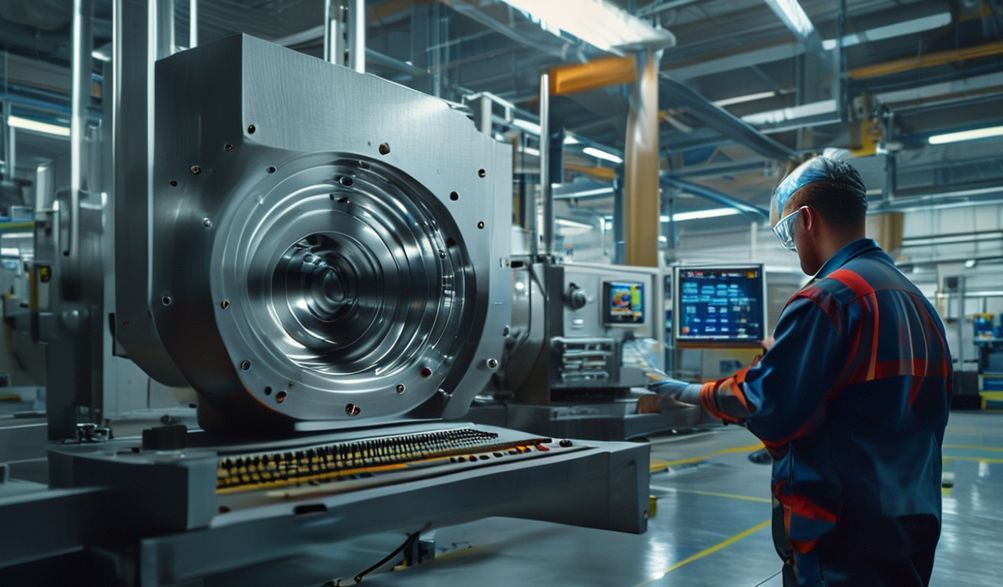
การค้นหาผู้ผลิตเครื่องทำบล็อกคอนกรีตแบบกลวงคุณภาพดี: เน้นที่โรงงานทำบล็อกฟูด้า
บทนำ
ในโลกของการก่อสร้างยุคใหม่ บล็อกคอนกรีตกลวงถือเป็นพลังหลักพื้นฐาน ตั้งแต่สิ่งปลูกสร้างที่อยู่อาศัยไปจนถึงโครงสร้างพื้นฐานขนาดใหญ่ คุณภาพ ความสม่ำเสมอ และความแข็งแรงของบล็อกเหล่านี้ส่งผลกระทบโดยตรงต่อความมั่นคงของโครงสร้าง ระยะเวลาโครงการ และค่าใช้จ่ายโดยรวม หัวใจสำคัญของการผลิตนี้อยู่ที่อุปกรณ์ชิ้นสำคัญ: เครื่องทำบล็อกคอนกรีตกลวง การเลือกเครื่องจักรที่เชื่อถือได้และมีคุณภาพสูงไม่ใช่เพียงการซื้อหา แต่เป็นการลงทุนเชิงกลยุทธ์ระยะยาวสำหรับผลิตภาพและชื่อเสียงของธุรกิจคุณ
อย่างไรก็ตาม การเดินเรือในตลาดโลกของโรงงานเครื่องจักรกลอาจเป็นงานที่ท้าทาย ผู้ซื้อมักจะต้องเผชิญกับทางเลือกมากมาย การอ้างคุณภาพที่ขัดแย้งกัน และความท้าทายตลอดกาลในการหาจุดสมดุลระหว่างต้นทุนเริ่มต้นกับความทนทานและการสนับสนุนในระยะยาว ความเสี่ยงจากการเลือกอุปกรณ์ที่ไม่ได้มาตรฐานนั้นรุนแรง—เครื่องเสียบ่อยครั้ง คุณภาพบล็อกที่ไม่สม่ำเสมอ ค่าบำรุงรักษาที่สูงลิ่ว และความล่าช้าของโครงการที่สามารถทำลายธุรกิจได้
คู่มือนี้ถูกออกแบบมาเพื่อตัดผ่านข้อมูลที่สับสน เราจะสรุปคุณลักษณะที่ชัดเจนของโรงงานผลิตเครื่องอัดบล็อกคอนกรีตแบบกลวงคุณภาพดีอย่างแท้จริง เพื่อมอบกรอบการประเมินที่นำไปใช้ได้จริง และเพื่อให้หลักการเหล่านี้เชื่อมโยงกับความเป็นจริง เราจะใช้โรงงานผลิตบล็อกฟูดาในฐานะกรณีศึกษาชั้นนำ การตรวจสอบแนวปฏิบัติของบริษัทว่าสอดคล้องกับมาตรฐานความเป็นเลิศในอุตสาหกรรมอย่างไร
การวิเคราะห์ของเรามีรากฐานมาจากมาตรฐานการผลิตที่ได้รับการยอมรับ หลักการทางวิศวกรรม และการทบทวนข้อมูลสาธารณะจากผู้เล่นชั้นนำในอุตสาหกรรมอย่างเป็นกลาง โดยมีเป้าหมายเพื่อมอบความรู้ที่ช่วยให้คุณตัดสินใจได้อย่างรอบคอบและมั่นใจ
อะไรที่กำหนดให้โรงงานผลิตเครื่องอัดบล็อกคอนกรีตเป็น "คุณภาพดี"
เหนือกว่าการนำเสนอในโบรชัวร์และคำโฆษณาที่สวยหรู คุณภาพที่แท้จริงของเครื่องจักรนั้นถูกหล่อหลอมขึ้นจากโรงงาน คุณภาพที่แท้จริงคือระบบ ไม่ใช่เรื่องบังเอิญ นี่คือเสาหลักสำคัญที่ทำให้ผู้นำในอุตสาหกรรมแตกต่างจากผู้ผลิตรายอื่น
วิศวกรรมแม่นยำและการก่อสร้างที่แข็งแกร่ง
รากฐานของเครื่องจักรที่ทนทานอยู่ที่โครงสร้างทางกายภาพ โรงงานคุณภาพเข้าใจดีว่าอุปกรณ์ของพวกเขาต้องทนต่อแรงกดดันมหาศาล การสั่นสะเทือนอย่างต่อเนื่อง และสภาพแวดล้อมอุตสาหกรรมที่รุนแรงได้เป็นเวลาหลายปี
- วัสดุเกรดสูง:มองหาผู้ผลิตที่ระบุการใช้เหล็กความแข็งแรงสูงสำหรับโครงสร้างและแม่พิมพ์, ยี่ห้อที่มีชื่อเสียงสำหรับระบบไฮดรอลิก (เช่น Bosch Rexroth หรือ Parker) และชิ้นส่วนไฟฟ้าระดับพรีเมียม คุณภาพของวัตถุดิบเหล่านี้เป็นตัวกำหนดอายุการใช้งานของเครื่องจักร
- การกัดซีเอ็นซีการกัดกลึงด้วยระบบควบคุมเชิงตัวเลข (CNC) รับประกันว่าชิ้นส่วนสำคัญจะถูกผลิตขึ้นด้วยความแม่นยำในระดับจุลภาค ส่งผลให้ชิ้นส่วนสามารถเปลี่ยนแทนกันได้ดีขึ้น ทำงานราบรื่นยิ่งขึ้น และลดการสึกหรอลงอย่างมากเมื่อเวลาผ่านไป
การบูรณาการเทคโนโลยีขั้นสูงและระบบอัตโนมัติ
เครื่องจักรที่ดีที่สุดในปัจจุบันคือเครื่องจักรอัจฉริยะ การบูรณาการเทคโนโลยีเป็นตัวชี้วัดสำคัญที่แสดงถึงความมุ่งมั่นของโรงงานในการทำงานที่มีประสิทธิภาพและเป็นมิตรต่อผู้ใช้
- ระบบควบคุมด้วยพีแอลซีโปรแกรมเมเบิลลอจิกคอนโทรลเลอร์ (PLC) ถือเป็นสมองของเครื่องจักร โดยมันช่วยให้ความหนาแน่นของบล็อกเป็นไปอย่างสม่ำเสมอ ควบคุมวงจรการผลิตแบบอัตโนมัติ และทำให้การใช้งานง่ายขึ้น มักผ่านอินเทอร์เฟซหน้าจอสัมผัสที่ใช้งานง่าย นอกจากนี้ยังช่วยในการวินิจฉัยและแก้ไขปัญหาต่างๆ ได้อีกด้วย
- การออกแบบที่เน้นประสิทธิภาพเป็นสำคัญโรงงานชั้นนำออกแบบเพื่อประหยัดพลังงาน (เช่น ระบบไฮดรอลิกที่มีประสิทธิภาพ) และการอัดบล็อกที่เหนือกว่า ผ่านระบบสั่นสะเทือนขั้นสูง ส่งผลให้ต้นทุนการดำเนินงานต่ำลงและผลิตภัณฑ์สุดท้ายมีคุณภาพสูงขึ้น
โปรโตคอลการควบคุมคุณภาพอย่างเข้มงวด
เครื่องจักรคุณภาพเป็นผลมาจากการตรวจสอบหลายร้อยครั้ง ไม่ใช่แค่การตรวจสอบขั้นสุดท้ายเท่านั้น โรงงานที่มีชื่อเสียงจะต้องมีกระบวนการควบคุมคุณภาพหลายขั้นตอนที่เป็นลายลักษณ์อักษร
- การตรวจสอบระหว่างกระบวนการซึ่งรวมถึงการทดสอบชุดวัตถุดิบ การตรวจสอบขนาดของชิ้นส่วนที่ผ่านการแปรรูป และการทดสอบแรงดันของชุดไฮดรอลิกก่อนที่พวกเขาจะเข้าสู่สายการประกอบ
- Performance Testing: The final machine should undergo a rigorous factory acceptance test, producing blocks under simulated working conditions to verify output, block strength, and overall functionality before shipment.
Compliance and Certification
Certifications are a factory’s independent validation of its processes. They are a shorthand for trust and professionalism.
- International Standards: ISO 9001 certification is a strong indicator of a systematic approach to quality management. For export, เครื่องหมายซีอี demonstrates compliance with European health, safety, and environmental standards.
- Safety Norms: Adherence to international safety norms in electrical and mechanical design is non-negotiable for protecting operators and ensuring reliable operation.
Key Factors to Evaluate When Choosing a Factory
Armed with an understanding of what quality looks like, how do you practically assess a potential supplier? Focus on these actionable factors.
Manufacturing Capability and Production Scale
The factory’s physical and operational scale speaks volumes.
- Assess Capacity: A larger, established factory with multiple production lines generally has more refined processes and greater stability. Ask about annual output capacity to gauge their experience level.
- Specialization Matters: A factory that specializes primarily in block making machinery (like FUDA) often possesses deeper expertise than a general-purpose machinery manufacturer.
Research & Development (R&D) Investment
A factory that invests in the future is investing in your future machine.
- ท่อส่งนวัตกรรม: Inquire about their R&D department. Ongoing investment leads to iterative improvements in efficiency, durability, and block design capabilities.
- Customization Ability: Can they customize molds for unique block designs or adapt machines for specific local materials (like fly ash or crushed aggregate)? This flexibility is a sign of strong engineering support.
Transparency in Supply Chain and Components
Beware of factories that are vague about what’s inside their machines.
- Component Traceability: A trustworthy factory will be transparent about the brands of core components—the hydraulic pump, PLC, motors, and bearings. They often have partnerships with global leaders like Siemens, Schneider Electric, or Omron.
- เสถียรภาพของห่วงโซ่อุปทาน Long-term relationships with quality component suppliers ensure consistency and easier spare parts sourcing down the line.
Comprehensive After-Sales Service Structure
The relationship begins, it doesn’t end, at the point of sale. Service is where promises are kept.
- Documentation and Training: Look for the provision of detailed operation manuals, electrical diagrams, and installation guides. Availability of on-site or video training is a major plus.
- Support Infrastructure: Examine their warranty terms critically. Is there a dedicated service team? How quickly can they ship spare parts? Do they have service agents or partners in your region? A global service network is crucial for international buyers.
Case Study: FUDA Block Making Factory – An Analysis of Quality Practices
Let’s apply the above criteria to a concrete example. FUDA Block Making Factory, based in China, is frequently cited in the global market for block machinery. Here’s an analysis based on its public-facing information and industry positioning.
Company Overview and Market Position
FUDA presents itself as a specialist manufacturer focused on concrete block making machines. With a history spanning years in the industry, its stated mission typically revolves around providing efficient, reliable, and cost-effective solutions to a global clientele, from small entrepreneurs to large industrial plants.
A Look Inside FUDA’s Quality Assurance Process
Public information suggests FUDA emphasizes a multi-stage quality control system. This is reported to include:
* Incoming inspection for raw materials.
* Process inspection during machining and welding.
* Pre-delivery run-in testing of the complete machine.
* The company often highlights possession of ISO 9001 certification, which aligns with the industry benchmark for a systematic quality management approach.
FUDA’s Machine Portfolio and Technological Features
FUDA offers a range typical of a specialized manufacturer, catering to different market segments:
* เครื่องจักรแบบมือและกึ่งอัตโนมัติ For small-scale startups or specific block types.
* สายการผลิตอัตโนมัติเต็มรูปแบบ For high-volume production, often featuring PLC control, automatic pallet feeders, and stackers.
* Promoted Features: Commonly highlighted technologies include powerful and efficient vibration systems for dense blocks, energy-saving designs, and user-friendly PLC interfaces with diagnostic capabilities.
Evaluating FUDA’s Customer Support and Global Reach
A key part of FUDA’s market presence is its export orientation. The company serves markets across Africa, Southeast Asia, the Middle East, and South America. This implies a need for, and presumably an investment in, an international support structure. Prospective buyers should verify:
* The specific terms of their warranty.
* The availability of English (or other language) documentation and training materials.
* The logistics network for spare parts to their specific country.
* Requesting contactable client references in a similar region is a critical step.
Red Flags: How to Spot a Low-Quality Machine Factory
Protecting yourself from a bad investment is as important as identifying a good one. Watch for these warning signs.
Vague Specifications and Lack of Technical Data
If a factory cannot provide detailed technical drawings, component brand lists, or clear performance data (like cycle time, power consumption, block strength output), proceed with extreme caution. Quality is quantifiable.
Absence of Verifiable Certifications or Factory Audits
A refusal to share certification copies or allow a virtual or physical factory audit is a major red flag. Reputable factories are proud of their facilities and processes.
Unrealistically Low Prices and Pressure Sales Tactics
If a price seems too good to be true, it almost always is. Drastically low prices are achieved by cutting corners on materials, components, and engineering. Coupled with high-pressure “today-only” discounts, this is a classic sign of a problematic supplier.
Poor or Nonexistent Communication and Unclear Contracts
Slow, unprofessional, or evasive communication before the sale predicts a nightmare after the sale. Ensure the sales contract is detailed, specifying machine model, component brands, delivery terms, warranty, and payment milestones clearly.
คำถามที่พบบ่อย (FAQ)
Q1: What is the typical price range for a good quality hollow block making machine?
ก Prices vary enormously based on automation and capacity. A small manual machine may start around \$10,000, while a high-output, fully automatic production line can exceed \$200,000. Focus on the total cost of ownership, not just the sticker price. A cheaper machine often leads to far higher maintenance and downtime costs.
Q2: How important is it to visit the factory in person before purchasing?
ก It is one of the most crucial steps you can take. A factory visit allows you to verify manufacturing practices, assess quality control firsthand, see the scale of operations, and gauge the company’s professionalism directly. If a visit isn’t possible, insist on a detailed video tour.
Q3: What key questions should I ask a factory sales representative?
ก
* “Can you provide a detailed list of the brands used for the hydraulic system, PLC, and electrical components?”
* “What is your exact warranty process? How are spare parts shipped and what are typical delivery times to my country?”
* “Can you connect me with 2-3 previous clients in my region for a reference?”
* “What is included in the delivery (installation, training, initial spare parts kit)?”
Q4: Can factories like FUDA customize machines for specific block designs?
ก Yes, most reputable factories offer mold customization. The critical questions are about the lead time for custom mold manufacturing, the additional cost, and whether the machine settings will be tested and calibrated for the new mold design.
Q5: What are the most common maintenance issues with these machines?
ก Wear parts require regular attention: molds (for surface finish), springs and seals in the vibration and hydraulic systems, and pallets. A key factor in choosing a factory is how easily and affordably you can obtain these genuine spare parts from them.
สรุป
Identifying a good quality hollow block making machine factory requires moving beyond marketing and conducting thorough due diligence. The decision hinges on the tangible pillars of precision engineering, rigorous quality control, technological competence, and unwavering after-sales support.
Use the criteria outlined in this guide—examining engineering standards, transparency, and service infrastructure—as a practical checklist. Whether you are evaluating โรงงานผลิตบล็อกฟูดา or any other potential supplier, apply this framework consistently.
Your final action plan should be methodical: shortlist 3-5 factories that pass an initial document-based review. Request comprehensive technical and commercial proposals from each. Insist on speaking to past clients. Finally, schedule factory inspections to see the operations for yourself. This disciplined approach empowers you to transform a significant capital investment into a reliable engine for your business’s growth and success for years to come.
Author Bio & E-E-A-T Implementation Note for Final Post:
This section would include a brief author biography highlighting direct experience in construction machinery, manufacturing, or industrial procurement. It would link to the author’s profile (if on a professional site like LinkedIn) and mention years of expertise. The article itself would cite industry standards, use technical terminology correctly, and maintain a balanced, objective tone. All claims about specific factories would be based on publicly verifiable information or clearly labeled as general industry expectations.