
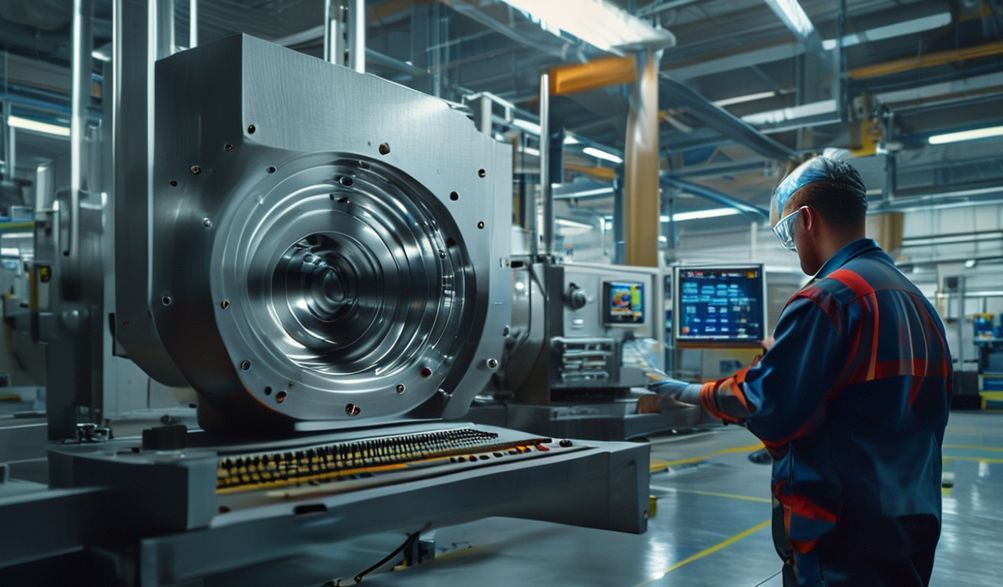
Tìm Kiếm Nhà Máy Sản Xuất Máy Đúc Gạch Rỗng Chất Lượng Cao: Điểm Sáng Nhà Máy Sản Xuất Gạch FUDA
Giới thiệu
Trong thế giới xây dựng hiện đại, viên gạch block rỗng khiêm tốn là một nguồn lực nền tảng mạnh mẽ. Từ các tòa nhà dân dụng đến cơ sở hạ tầng quy mô lớn, chất lượng, độ đồng đều và độ bền của những viên gạch này ảnh hưởng trực tiếp đến tính toàn vẹn kết cấu, tiến độ dự án và tổng chi phí. Trọng tâm của quá trình sản xuất này nằm ở một thiết bị then chốt: máy sản xuất gạch block rỗng. Lựa chọn một chiếc máy đáng tin cậy, chất lượng cao không chỉ là một giao dịch mua bán; đó là một khoản đầu tư chiến lược dài hạn vào năng suất và danh tiếng của doanh nghiệp bạn.
Tuy nhiên, việc tìm hiểu thị trường toàn cầu của các nhà máy máy móc có thể là một nhiệm vụ khó khăn. Người mua thường phải đối mặt với một biển lựa chọn, những tuyên bố chất lượng trái chiều và thách thức muôn thuở là cân đối giữa chi phí ban đầu với độ bền lâu dài và dịch vụ hỗ trợ. Rủi ro khi lựa chọn thiết bị kém chất lượng rất nghiêm trọng—hư hỏng thường xuyên, chất lượng khối không đồng đều, chi phí bảo trì cao ngất và những sự chậm trễ dự án có thể làm tê liệt hoạt động kinh doanh.
Hướng dẫn này được thiết kế để loại bỏ những thông tin nhiễu loạn. Chúng tôi sẽ phác thảo những đặc điểm xác định của một nhà máy sản xuất máy ép gạch block rỗng thực sự chất lượng, cung cấp cho bạn một khung đánh giá thực tiễn. Để hiện thực hóa các nguyên tắc này, chúng tôi sẽ sử dụngNhà máy sản xuất khối FUDAnhư một nghiên cứu điển hình hàng đầu, xem xét cách các hoạt động của nó phù hợp với các tiêu chuẩn ngành cho sự xuất sắc.
Phân tích của chúng tôi dựa trên các tiêu chuẩn sản xuất đã được thiết lập, nguyên tắc kỹ thuật và đánh giá khách quan về thông tin công khai từ các công ty hàng đầu trong ngành. Mục tiêu là trang bị cho bạn kiến thức để đưa ra quyết định sáng suốt và tự tin.
Điều Gì Định Nghĩa Một Nhà Máy Sản Xuất Máy Đúc Gạch Rỗng "Chất Lượng Cao"?
Vượt ra ngoài những tờ rơi bóng bẩy và những lời chào hàng, chất lượng của một cỗ máy được rèn giũa ngay tại nhà xưởng. Chất lượng thực sự là một hệ thống, không phải sự ngẫu nhiên. Dưới đây là những trụ cột cốt lõi phân biệt những nhà dẫn đầu ngành với phần còn lại.
Kỹ Thuật Chính Xác và Cấu Trúc Bền Vững
Nền tảng của bất kỳ cỗ máy bền bỉ nào đều nằm ở kết cấu vật lý của nó. Một nhà máy chất lượng hiểu rằng thiết bị của họ phải chịu được áp lực khổng lồ, rung động liên tục và môi trường công nghiệp khắc nghiệt trong nhiều năm.
- Vật Liệu Cao Cấp:Tìm kiếm các nhà máy chỉ định sử dụng thép cường độ cao cho khung và khuôn, các thương hiệu nổi tiếng về hệ thống thủy lực (như Bosch Rexroth hoặc Parker), và các linh kiện điện cao cấp. Chất lượng của những nguyên liệu thô này quyết định tuổi thọ của máy.
- Gia công CNC:Gia công điều khiển số bằng máy tính (CNC) đảm bảo các thành phần quan trọng được sản xuất với độ chính xác cực cao. Điều này dẫn đến khả năng thay thế linh kiện tốt hơn, vận hành mượt mà hơn và giảm thiểu đáng kể hao mòn theo thời gian.
Tích Hợp Công Nghệ Tiên Tiến và Tự Động Hóa
Những cỗ máy tốt nhất hiện nay là những cỗ máy thông minh. Việc tích hợp công nghệ là một chỉ số quan trọng thể hiện cam kết của nhà máy về hiệu suất và tính thân thiện với người dùng.
- Hệ thống điều khiển PLC:Bộ điều khiển logic khả trình (PLC) là bộ não của máy. Nó đảm bảo độ đặc chắc đồng nhất của khối, tự động hóa chu trình sản xuất và đơn giản hóa vận hành, thường thông qua giao diện màn hình cảm ứng thân thiện với người dùng. Nó cũng cho phép chẩn đoán và xử lý sự cố.
- Thiết kế Ưu Tiên Hiệu Suất:Các nhà máy hàng đầu thiết kế để tiết kiệm năng lượng (ví dụ: mạch thủy lực hiệu quả) và đạt độ nén khối vượt trội thông qua hệ thống rung tiên tiến. Điều này giúp giảm chi phí vận hành và nâng cao chất lượng sản phẩm cuối cùng.
Các Quy Trình Kiểm Soát Chất Lượng Nghiêm Ngặt
Một cỗ máy chất lượng là kết quả của hàng trăm lần kiểm tra, không chỉ là một lần kiểm tra cuối cùng. Một nhà máy uy tín sẽ có quy trình QC nhiều giai đoạn được ghi chép đầy đủ.
- Kiểm Tra Trong Quá Trình Sản XuấtĐiều này bao gồm kiểm tra các lô nguyên liệu thô, xác minh kích thước của các chi tiết gia công, và thử áp lực các cụm thủy lực trước khi chúng được đưa vào dây chuyền lắp ráp.
- Performance Testing: The final machine should undergo a rigorous factory acceptance test, producing blocks under simulated working conditions to verify output, block strength, and overall functionality before shipment.
Compliance and Certification
Certifications are a factory’s independent validation of its processes. They are a shorthand for trust and professionalism.
- International Standards: ISO 9001 certification is a strong indicator of a systematic approach to quality management. For export, Dấu CE demonstrates compliance with European health, safety, and environmental standards.
- Safety Norms: Adherence to international safety norms in electrical and mechanical design is non-negotiable for protecting operators and ensuring reliable operation.
Key Factors to Evaluate When Choosing a Factory
Armed with an understanding of what quality looks like, how do you practically assess a potential supplier? Focus on these actionable factors.
Manufacturing Capability and Production Scale
The factory’s physical and operational scale speaks volumes.
- Assess Capacity: A larger, established factory with multiple production lines generally has more refined processes and greater stability. Ask about annual output capacity to gauge their experience level.
- Specialization Matters: A factory that specializes primarily in block making machinery (like FUDA) often possesses deeper expertise than a general-purpose machinery manufacturer.
Research & Development (R&D) Investment
A factory that invests in the future is investing in your future machine.
- Innovation Pipeline: Inquire about their R&D department. Ongoing investment leads to iterative improvements in efficiency, durability, and block design capabilities.
- Customization Ability: Can they customize molds for unique block designs or adapt machines for specific local materials (like fly ash or crushed aggregate)? This flexibility is a sign of strong engineering support.
Transparency in Supply Chain and Components
Beware of factories that are vague about what’s inside their machines.
- Component Traceability: A trustworthy factory will be transparent about the brands of core components—the hydraulic pump, PLC, motors, and bearings. They often have partnerships with global leaders like Siemens, Schneider Electric, or Omron.
- Supply Chain Stability: Long-term relationships with quality component suppliers ensure consistency and easier spare parts sourcing down the line.
Comprehensive After-Sales Service Structure
The relationship begins, it doesn’t end, at the point of sale. Service is where promises are kept.
- Documentation and Training: Look for the provision of detailed operation manuals, electrical diagrams, and installation guides. Availability of on-site or video training is a major plus.
- Support Infrastructure: Examine their warranty terms critically. Is there a dedicated service team? How quickly can they ship spare parts? Do they have service agents or partners in your region? A global service network is crucial for international buyers.
Case Study: FUDA Block Making Factory – An Analysis of Quality Practices
Let’s apply the above criteria to a concrete example. FUDA Block Making Factory, based in China, is frequently cited in the global market for block machinery. Here’s an analysis based on its public-facing information and industry positioning.
Company Overview and Market Position
FUDA presents itself as a specialist manufacturer focused on concrete block making machines. With a history spanning years in the industry, its stated mission typically revolves around providing efficient, reliable, and cost-effective solutions to a global clientele, from small entrepreneurs to large industrial plants.
A Look Inside FUDA’s Quality Assurance Process
Public information suggests FUDA emphasizes a multi-stage quality control system. This is reported to include:
* Incoming inspection for raw materials.
* Process inspection during machining and welding.
* Pre-delivery run-in testing of the complete machine.
* The company often highlights possession of ISO 9001 certification, which aligns with the industry benchmark for a systematic quality management approach.
FUDA’s Machine Portfolio and Technological Features
FUDA offers a range typical of a specialized manufacturer, catering to different market segments:
* Máy Thủ Công và Bán Tự Động: For small-scale startups or specific block types.
* Dây chuyền tự động hoàn toàn: For high-volume production, often featuring PLC control, automatic pallet feeders, and stackers.
* Promoted Features: Commonly highlighted technologies include powerful and efficient vibration systems for dense blocks, energy-saving designs, and user-friendly PLC interfaces with diagnostic capabilities.
Evaluating FUDA’s Customer Support and Global Reach
A key part of FUDA’s market presence is its export orientation. The company serves markets across Africa, Southeast Asia, the Middle East, and South America. This implies a need for, and presumably an investment in, an international support structure. Prospective buyers should verify:
* The specific terms of their warranty.
* The availability of English (or other language) documentation and training materials.
* The logistics network for spare parts to their specific country.
* Requesting contactable client references in a similar region is a critical step.
Red Flags: How to Spot a Low-Quality Machine Factory
Protecting yourself from a bad investment is as important as identifying a good one. Watch for these warning signs.
Vague Specifications and Lack of Technical Data
If a factory cannot provide detailed technical drawings, component brand lists, or clear performance data (like cycle time, power consumption, block strength output), proceed with extreme caution. Quality is quantifiable.
Absence of Verifiable Certifications or Factory Audits
A refusal to share certification copies or allow a virtual or physical factory audit is a major red flag. Reputable factories are proud of their facilities and processes.
Unrealistically Low Prices and Pressure Sales Tactics
If a price seems too good to be true, it almost always is. Drastically low prices are achieved by cutting corners on materials, components, and engineering. Coupled with high-pressure “today-only” discounts, this is a classic sign of a problematic supplier.
Poor or Nonexistent Communication and Unclear Contracts
Slow, unprofessional, or evasive communication before the sale predicts a nightmare after the sale. Ensure the sales contract is detailed, specifying machine model, component brands, delivery terms, warranty, and payment milestones clearly.
Frequently Asked Questions (FAQ)
Q1: What is the typical price range for a good quality hollow block making machine?
A: Prices vary enormously based on automation and capacity. A small manual machine may start around \$10,000, while a high-output, fully automatic production line can exceed \$200,000. Focus on the total cost of ownership, not just the sticker price. A cheaper machine often leads to far higher maintenance and downtime costs.
Q2: How important is it to visit the factory in person before purchasing?
A: It is one of the most crucial steps you can take. A factory visit allows you to verify manufacturing practices, assess quality control firsthand, see the scale of operations, and gauge the company’s professionalism directly. If a visit isn’t possible, insist on a detailed video tour.
Q3: What key questions should I ask a factory sales representative?
A:
* “Can you provide a detailed list of the brands used for the hydraulic system, PLC, and electrical components?”
* “What is your exact warranty process? How are spare parts shipped and what are typical delivery times to my country?”
* “Can you connect me with 2-3 previous clients in my region for a reference?”
* “What is included in the delivery (installation, training, initial spare parts kit)?”
Q4: Can factories like FUDA customize machines for specific block designs?
A: Yes, most reputable factories offer mold customization. The critical questions are about the lead time for custom mold manufacturing, the additional cost, and whether the machine settings will be tested and calibrated for the new mold design.
Q5: What are the most common maintenance issues with these machines?
A: Wear parts require regular attention: molds (for surface finish), springs and seals in the vibration and hydraulic systems, and pallets. A key factor in choosing a factory is how easily and affordably you can obtain these genuine spare parts from them.
Conclusion
Identifying a good quality hollow block making machine factory requires moving beyond marketing and conducting thorough due diligence. The decision hinges on the tangible pillars of precision engineering, rigorous quality control, technological competence, and unwavering after-sales support.
Use the criteria outlined in this guide—examining engineering standards, transparency, and service infrastructure—as a practical checklist. Whether you are evaluating Nhà máy sản xuất khối FUDA or any other potential supplier, apply this framework consistently.
Your final action plan should be methodical: shortlist 3-5 factories that pass an initial document-based review. Request comprehensive technical and commercial proposals from each. Insist on speaking to past clients. Finally, schedule factory inspections to see the operations for yourself. This disciplined approach empowers you to transform a significant capital investment into a reliable engine for your business’s growth and success for years to come.
Author Bio & E-E-A-T Implementation Note for Final Post:
This section would include a brief author biography highlighting direct experience in construction machinery, manufacturing, or industrial procurement. It would link to the author’s profile (if on a professional site like LinkedIn) and mention years of expertise. The article itself would cite industry standards, use technical terminology correctly, and maintain a balanced, objective tone. All claims about specific factories would be based on publicly verifiable information or clearly labeled as general industry expectations.