
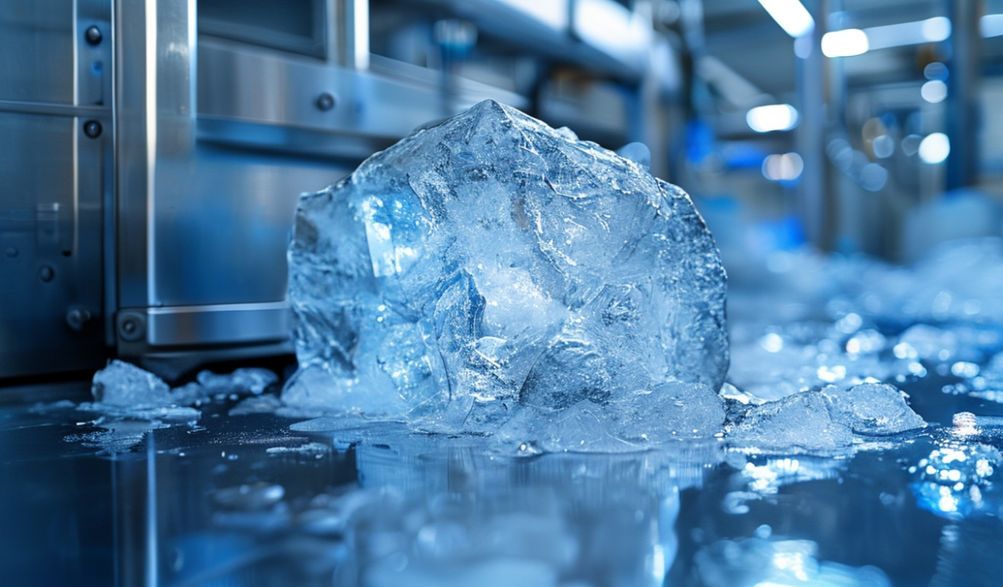
ຈັດລາຄາກ້ອນນ້ຳແຂໍງທີ່ປັບແຕ່ງໄດ້: ຄູ່ມືອັນສູງສຸດຂອງທ່ານກ່ຽວກັບລາຄາ, ຄຸນສົມບັດ & ການຄັດເລືອກ
ການແນະນຳ
In industries where temperature control is not a luxury but a strict operational requirement, the reliability of your ice supply is paramount. From preserving the daily catch in fisheries to ensuring the proper curing of concrete in construction, or managing critical chemical processes, a consistent output of high-quality ice blocks is the lifeblood of many businesses. Off-the-shelf machines often force a compromise, leaving you with a unit that’s either underpowered, inefficient, or produces blocks ill-suited to your specific handling and storage systems.
ນີ້ແມ່ນບ່ອນທີ່ການລົງທຶນຢ່າງມີຍຸດທະສາດໃນເຄື່ອງຜະລິດນໍ້າແຂງທີ່ລະບຸລາຄາເອງ separates proactive business owners from those stuck with operational bottlenecks. The term “custom price” signifies more than a final number; it represents a tailored solution built to your exact specifications. This comprehensive guide is crafted for procurement managers, plant supervisors, and business owners ready to make a capital investment. We will demystify the variables that shape the ລາຄາທີ່ກຳນົດເອງຄົ້ນຫາລາຍລະອຽດດ້ານເຕັກນິກທີ່ທ່ານສາມາດກຳນົດໄດ້ ແລະ ສະເໜີໂຄງຮ່າງທີ່ຊັດເຈນເປັນຂັ້ນໆໃນການເລືອກ. ເປົ້າໝາຍຂອງພວກເຮົາແມ່ນເພື່ອສົ່ງເສີມໃຫ້ທ່ານສາມາດຕັດສິນໃຈໄດ້ຢ່າງມີດຸລະພາບລະຫວ່າງການລົງທຶນໃນເບື້ອງຕົ້ນ ແລະ ປະສິດທິພາບດ້ານການດຳເນີນງານໃນລະຍະຍາວ, ຄວາມຫນ້າເຊື່ອຖື, ແລະ ຜົນຕອບແທນການລົງທຶນ (ROI) ສູງສຸດ.
Understanding “Custom Price”: It’s More Than Just the Sticker Cost
In industrial machinery, a “custom price” is a reflection of a configured solution, not a fixed retail tag. It’s a variable figure calculated from a core base cost, augmented by the value of your chosen customizations, and influenced by long-term support considerations. Understanding this breakdown is the first step to ensuring you pay for the capabilities you need—and avoid paying for those you don’t.
ອົງປະກອບຫຼັກທີ່ຂັບເຄື່ອນລາຄາພື້ນຖານ
These are the fundamental, non-negotiable engineering elements that form the largest portion of your quote.
- Production Capacity (Tons per 24 Hours): This is the primary cost driver. A machine rated for 5 tons/24h will be significantly less expensive than one rated for 20 tons/24h. Capacity is determined by the size and power of the refrigeration system. Be realistic about your peak demand, not just your average use.
- Ice Block Dimensions and Weight: The physical size of the ice blocks directly impacts the machine’s design. Larger, heavier blocks (e.g., 50kg, 100kg, or 150kg) require more robust molds, stronger ejection mechanisms, and a more powerful freezing system than smaller blocks (e.g., 25kg). Specify your exact required dimensions (L x W x H).
- Refrigeration System Type and Compressor Brand: The heart of the machine. Industrial units typically use a direct expansion (DX) or a brine system. The brand and model of the compressor (e.g., Bitzer, Copeland, Frascold) are critical. Premium, internationally recognized compressors command a higher price but offer proven reliability, efficiency, and global serviceability.
Customization Features That Add Value (and Cost)
This is where you tailor the machine to your operational workflow and site conditions.
- Automation Level: This is a major price differentiator.
- ຄູ່ມື: Requires operator intervention for harvesting and storage. Lowest cost.
- ກົງກັນຂ້າມ: Automates either the freezing cycle or the harvesting process. Mid-range price.
- Fully Automatic: Integrates freezing, harvesting, and often stacking or conveying with PLC control. Highest upfront cost, but lowest labor cost and highest consistency.
- Material Upgrades: Standard frames and panels may be powder-coated steel. For highly corrosive environments (e.g., near seawater in fisheries), upgrading to 304 or 316-grade stainless steel for critical components adds cost but dramatically extends the machine’s lifespan.
- Specialized Molds for Unique Block Shapes: Need a block with handles for easy lifting? A specific shape for your bunker? Custom mold design and fabrication is a premium service that solves unique logistical challenges.
The Hidden Factors in Your Final Quote
These are the often-overlooked elements that define the true cost of ownership.
- Energy Efficiency Rating & Long-Term Operating Costs: A machine with a high-efficiency compressor and optimized thermal design may have a 15-20% higher purchase price but can save 30% or more on electricity over its lifetime. Always calculate the operational cost.
- After-Sales Service, Warranty, and Technical Support: A comprehensive warranty (e.g., 5 years on the compressor, 2 years on parts) and access to responsive technical support is invaluable. This security often comes from established manufacturers and factors into the price.
- Logistics, Installation, and Training Requirements: Is the price FOB (Free On Board) at the factory, or does it include delivery to your site? Does the quote cover installation, commissioning, and operator training by a qualified engineer? These services ensure a smooth start-up.
Key Features to Specify for Your Custom Ice Block Maker
Moving beyond price, specifying the right technical features ensures the machine performs its job effectively in your specific context.
Production Capacity & Scalability
Your machine must match your business rhythm.
- Matching Output to Demand: Conduct a detailed audit of your current daily and weekly ice consumption during different seasons. Then, forecast future growth. It’s often wiser to invest in a slightly larger capacity than to run a smaller machine at 100% load constantly, which increases wear.
- Impact of Ambient Conditions: A machine’s rated capacity is typically based on standard conditions (e.g., 90°F ambient temperature, 50°F water inlet). If your plant is in a hotter climate or uses warmer source water, the actual output will be lower. Discuss derating factors with your supplier.
Ice Block Quality and Characteristics
Not all ice is created equal. The machine’s design dictates the ice’s properties.
- Clarity and Hardness: Clear ice is denser and harder, melting slower than cloudy, aerated ice. For fish preservation where meltwater should be minimal, or for concrete cooling where longevity is key, high clarity and hardness are essential. This is achieved through controlled freezing cycles and water treatment.
- Melting Rate: A slow melt rate is critical for transport and extended cooling applications. It is primarily a function of ice hardness and temperature. A well-designed machine produces blocks at a lower core temperature, which melt more slowly.
Operational Efficiency and Control
Modern features that save money and simplify management.
- PLC Control Systems: A Programmable Logic Controller (PLC) is the machine’s brain. It allows for precise control of freeze cycles, automates harvesting, provides diagnostic alerts, and can even offer remote monitoring capabilities. It enhances consistency and reduces operator error.
- Water and Energy Consumption Metrics: Request specific data on kWh per ton of ice produced and water consumption rates. Compare these figures between shortlisted models to understand operational efficiency.
- Ease of Cleaning and Maintenance: Look for design features that simplify upkeep: easy-access panels, removable parts, and drip trays. A machine that is easy to clean and service will have less downtime and better hygiene.
A Step-by-Step Guide to Getting an Accurate Custom Quote
A disciplined approach to procurement prevents costly mistakes and ensures you get a machine that truly fits.
Step 1: Conduct a Thorough Needs Assessment
Before you speak to a single supplier, know your own requirements inside out.
- Audit Your Ice Consumption: Measure actual usage over a representative period. Don’t guess.
- Define Feature Priorities: Create two lists: “Must-Haves” (e.g., 10-ton capacity, 50kg block, stainless steel contact parts) and “Nice-to-Haves” (e.g., full automation, remote monitoring). This clarifies your negotiation stance.
Step 2: Research and Shortlist Reputable Manufacturers
Your partner is as important as the product.
- Verify Credentials: Look for manufacturers with a proven track record in industrial ice making. How long have they been in business? Do they specialize in block ice machines?
- Review Case Studies and Testimonials: Ask for references from clients in a similar industry. A credible manufacturer will have documented projects and willing references.
Step 3: Preparing Your Request for Quotation (RFQ)
A detailed RFQ invites accurate, comparable quotes.
- Essential Questions for Your RFQ Checklist:
- ສິ່ງນີ້ແມ່ນຫຍັງຖືກຕ້ອງ capacity under my site’s ambient and water conditions?
- Can you provide a detailed breakdown of the price (machine, optional features, shipping, duties, installation)?
- ສິ່ງນີ້ແມ່ນຫຍັງfull specification of the compressor and PLC brand/model?
- What does the warranty cover and for how long? What is the response time for technical support?
- Can you provide certificates of compliance (CE, UL, etc.)?
- Comparing Quotes “Apples-to-Apples”: Line up the quotes based on identical specifications. The cheapest initial price may hide lower-quality components or inadequate support, making it the most expensive option over five years.
Maximizing Your Investment: ROI and Long-Term Considerations
View this purchase as a long-term asset, not an expense.
Calculating Total Cost of Ownership (TCO)
The purchase price is just the beginning. TCO includes:
* Initial Cost: Machine price, shipping, installation.
* ຄ່າໃຊ້ຈ່າຍດ້ານການດຳເນີນງານ: Electricity, water, water treatment chemicals.
* ຄ່າໃຊ້ຈ່າຍໃນການບໍາລຸງຮັກສາ: Routine service, replacement parts, filter changes.
* Downtime Costs: The lost productivity if the machine fails.
A machine with a 20% higher purchase price but 35% lower energy use and a robust warranty often has a far better TCO over a 7-10 year lifespan.
Ensuring Reliability and Minimizing Downtime
- Quality Components and Service Networks: The reliability of name-brand compressors and electrical parts is proven. Ensure the manufacturer or their local agent has the technical expertise and spare parts inventory to support you.
- Preventive Maintenance Plan: Adhere strictly to the manufacturer’s recommended maintenance schedule. A simple act like cleaning condensers regularly can prevent major failures.
Safety and Compliance Standards
Do not compromise on safety. Insist that the machine meets the relevant standards for your region.
* Key Certifications: Look for the CE mark (European Conformity) for the European market or UL certification (Underwriters Laboratories) for North America. These indicate the machine has been designed and tested to meet stringent health, safety, and environmental standards.
FAQ Section
Q1: What is the typical price range for a custom ice block making machine?
A: There is no single “typical” price due to the high degree of customization. However, as a broad guideline, a small-capacity (2-5 ton) semi-automatic unit might start around $10,000 – $25,000. Large, fully automated industrial systems (20+ tons) with advanced features can range from $50,000 to well over $150,000. A detailed custom quote based on your specifications is the only way to get an accurate price.
Q2: How long does it take to get a custom machine built and delivered?
A: From order confirmation to delivery, lead times typically range from 8 to 16 weeks. This allows for engineering design, procurement of specific components, manufacturing, factory testing, and sea freight. Complex customizations or global supply chain conditions can extend this timeline.
Q3: Can I customize the size and shape of the ice blocks?
A: Absolutely. This is a primary advantage of a custom machine. You can specify exact dimensions (e.g., 40cm x 20cm x 15cm) and weight. Special shapes, such as blocks with grooves for handling or specific geometries for storage racks, are also possible through custom mold fabrication.
Q4: What are the most important factors for energy efficiency?
A: Focus on three areas: 1) A high-efficiency, name-brand compressor, 2) Superior insulation on the freezing tank and water lines, and 3) An intelligent PLC control system that optimizes the freeze/harvest cycle to avoid unnecessary energy use. Request the machine’s specific energy consumption data (kWh/ton).
Q5: What should I look for in a manufacturer’s warranty?
A: Seek clarity and comprehensiveness. A strong warranty will explicitly cover the compressor for 3-5 years, other core components (evaporator, condenser) for 1-2 years, and include parts and labor. Crucially, understand the process for making a claim and the expected response time from their service team.
ສະຫຼຸບ
Investing in a ເຄື່ອງຜະລິດນໍ້າແຂງທີ່ລະບຸລາຄາເອງ is a decisive step toward securing operational independence and efficiency. As we have detailed, the final price is a synthesis of precise engineering, tailored functionality, and the assurance of quality support—it is the cost of a solution, not just a piece of equipment.
By meticulously assessing your needs, understanding the core drivers of cost and value, and partnering with a credible, experienced manufacturer, you transform a capital expenditure into a long-term strategic asset. The most economical machine over its lifetime is the one engineered to perform reliably within the unique parameters of your business.
Use the structured steps in this guide to prepare your specifications and engage in informed, confident discussions with potential suppliers. For final validation of complex technical proposals, consider a consultation with an independent industrial refrigeration expert. Your perfect ice supply solution awaits a clear and detailed specification.
<