
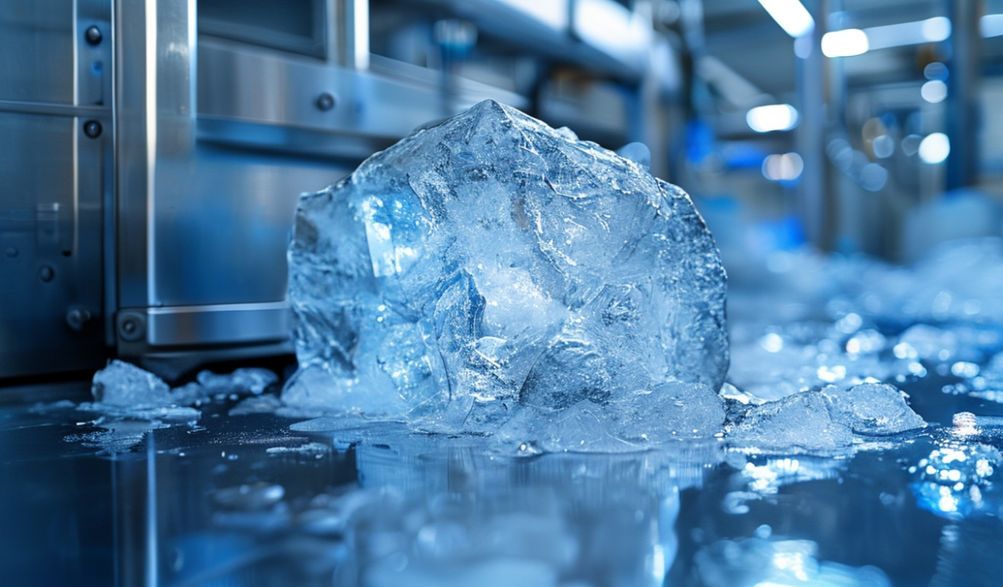
Máy Làm Đá Viên Giá Cả Linh Hoạt: Hướng Dẫn Toàn Diện Về Chi Phí, Tính Năng & Cách Chọn
Giới thiệu
Trong các ngành công nghiệp mà kiểm soát nhiệt độ không phải là một sự xa xỉ mà là yêu cầu vận hành nghiêm ngặt, độ tin cậy của nguồn cung cấp đá là yếu tố tối quan trọng. Từ việc bảo quản lượng đánh bắt hàng ngày trong ngành thủy sản, đến đảm bảo quá trình đông kết bê tông thích hợp trong xây dựng, hay quản lý các quy trình hóa chất quan trọng, việc sản xuất liên tục những khối đá chất lượng cao chính là huyết mạch của nhiều doanh nghiệp. Các máy móc có sẵn trên thị trường thường buộc bạn phải chấp nhận sự thỏa hiệp, để lại một thiết bị hoặc là không đủ công suất, kém hiệu quả, hoặc tạo ra những khối đá không phù hợp với hệ thống xử lý và lưu trữ cụ thể của bạn.
Đây là nơi mà khoản đầu tư chiến lược vào mộtmáy làm đá viên giá tùy chỉnhtách biệt những chủ doanh nghiệp chủ động khỏi những người bị mắc kẹt trong các nút thắt vận hành. Thuật ngữ "giá tùy chỉnh" không chỉ đơn thuần là một con số cuối cùng; nó đại diện cho một giải pháp được thiết kế riêng theo đúng thông số kỹ thuật của bạn. Hướng dẫn toàn diện này được xây dựng dành cho các quản lý thu mua, giám sát nhà máy và chủ doanh nghiệp sẵn sàng thực hiện đầu tư vốn. Chúng tôi sẽ làm sáng tỏ các biến số định hình...giá tùy chỉnhHãy đi sâu vào các tính năng kỹ thuật bạn có thể chỉ định và cung cấp một khung lựa chọn rõ ràng, từng bước. Mục tiêu của chúng tôi là trang bị cho bạn khả năng đưa ra quyết định cân bằng giữa đầu tư ban đầu với hiệu quả vận hành lâu dài, độ tin cậy và lợi tức đầu tư (ROI) tối đa.
Hiểu về “Giá Cả Tùy Chỉnh”: Không Chỉ Là Chi Phí Trên Nhãn Dán
Trong máy móc công nghiệp, "giá tùy chỉnh" phản ánh một giải pháp được cấu hình, không phải một mức giá bán lẻ cố định. Đây là một con số biến đổi, được tính từ chi phí cơ bản lõi, cộng thêm giá trị của các tùy chỉnh bạn chọn, và chịu ảnh hưởng của các yếu tố hỗ trợ dài hạn. Hiểu rõ sự phân tích này là bước đầu tiên để đảm bảo bạn chi trả cho những tính năng mình cần—và tránh chi trả cho những thứ không cần thiết.
Các Thành Phần Cốt Lõi Quyết Định Giá Cơ Bản
Đây là những yếu tố kỹ thuật cơ bản, không thể thương lượng, tạo nên phần lớn nhất trong báo giá của bạn.
- Công suất sản xuất (Tấn trên 24 giờ):Đây là yếu tố chi phí chính. Một chiếc máy có công suất định mức 5 tấn/24h sẽ rẻ hơn đáng kể so với loại công suất 20 tấn/24h. Công suất được xác định bởi kích thước và công suất của hệ thống làm lạnh. Hãy thực tế về nhu cầu cao điểm của bạn, không chỉ dựa trên mức sử dụng trung bình.
- Kích thước và trọng lượng của khối đá:Kích thước vật lý của các khối đá ảnh hưởng trực tiếp đến thiết kế của máy. Các khối lớn hơn, nặng hơn (ví dụ: 50kg, 100kg hoặc 150kg) đòi hỏi khuôn đúc chắc chắn hơn, cơ chế đẩy mạnh hơn và hệ thống đông lạnh công suất cao hơn so với các khối nhỏ hơn (ví dụ: 25kg). Hãy xác định kích thước chính xác bạn yêu cầu (Dài x Rộng x Cao).
- Loại Hệ Thống Làm Lạnh và Nhãn Hiệu Máy NénTrái tim của máy móc. Các đơn vị công nghiệp thường sử dụng hệ thống giãn nở trực tiếp (DX) hoặc hệ thống nước muối lạnh. Thương hiệu và model của máy nén (ví dụ: Bitzer, Copeland, Frascold) là yếu tố then chốt. Những máy nén cao cấp, được công nhận toàn cầu có giá cao hơn nhưng mang lại độ tin cậy đã được chứng minh, hiệu suất cao và khả năng phục vụ bảo trì trên toàn thế giới.
Các Tính Năng Tùy Chỉnh Làm Tăng Giá Trị (Và Chi Phí)
Đây là nơi bạn tùy chỉnh máy móc cho phù hợp với quy trình vận hành và điều kiện thực tế tại công trường.
- Mức độ Tự động hóa:Đây là một yếu tố khác biệt lớn về giá cả.
- Hướng dẫn sử dụng:Yêu cầu sự can thiệp của người vận hành cho việc thu hoạch và lưu trữ. Chi phí thấp nhất.
- Bán Tự Động:Tự động hóa chu trình đóng băng hoặc quy trình thu hoạch. Giá tầm trung.
- Hoàn Toàn Tự Động:Tích hợp đông lạnh, thu hoạch và thường xếp chồng hoặc vận chuyển với điều khiển PLC. Chi phí ban đầu cao nhất, nhưng chi phí lao động thấp nhất và tính nhất quán cao nhất.
- Nâng Cấp Vật Liệu: Standard frames and panels may be powder-coated steel. For highly corrosive environments (e.g., near seawater in fisheries), upgrading to 304 or 316-grade stainless steel for critical components adds cost but dramatically extends the machine’s lifespan.
- Specialized Molds for Unique Block Shapes: Need a block with handles for easy lifting? A specific shape for your bunker? Custom mold design and fabrication is a premium service that solves unique logistical challenges.
The Hidden Factors in Your Final Quote
These are the often-overlooked elements that define the true cost of ownership.
- Energy Efficiency Rating & Long-Term Operating Costs: A machine with a high-efficiency compressor and optimized thermal design may have a 15-20% higher purchase price but can save 30% or more on electricity over its lifetime. Always calculate the operational cost.
- After-Sales Service, Warranty, and Technical Support: A comprehensive warranty (e.g., 5 years on the compressor, 2 years on parts) and access to responsive technical support is invaluable. This security often comes from established manufacturers and factors into the price.
- Logistics, Installation, and Training Requirements: Is the price FOB (Free On Board) at the factory, or does it include delivery to your site? Does the quote cover installation, commissioning, and operator training by a qualified engineer? These services ensure a smooth start-up.
Key Features to Specify for Your Custom Ice Block Maker
Moving beyond price, specifying the right technical features ensures the machine performs its job effectively in your specific context.
Production Capacity & Scalability
Your machine must match your business rhythm.
- Matching Output to Demand: Conduct a detailed audit of your current daily and weekly ice consumption during different seasons. Then, forecast future growth. It’s often wiser to invest in a slightly larger capacity than to run a smaller machine at 100% load constantly, which increases wear.
- Impact of Ambient Conditions: A machine’s rated capacity is typically based on standard conditions (e.g., 90°F ambient temperature, 50°F water inlet). If your plant is in a hotter climate or uses warmer source water, the actual output will be lower. Discuss derating factors with your supplier.
Ice Block Quality and Characteristics
Not all ice is created equal. The machine’s design dictates the ice’s properties.
- Clarity and Hardness: Clear ice is denser and harder, melting slower than cloudy, aerated ice. For fish preservation where meltwater should be minimal, or for concrete cooling where longevity is key, high clarity and hardness are essential. This is achieved through controlled freezing cycles and water treatment.
- Melting Rate: A slow melt rate is critical for transport and extended cooling applications. It is primarily a function of ice hardness and temperature. A well-designed machine produces blocks at a lower core temperature, which melt more slowly.
Operational Efficiency and Control
Modern features that save money and simplify management.
- Hệ thống điều khiển PLC: A Programmable Logic Controller (PLC) is the machine’s brain. It allows for precise control of freeze cycles, automates harvesting, provides diagnostic alerts, and can even offer remote monitoring capabilities. It enhances consistency and reduces operator error.
- Water and Energy Consumption Metrics: Request specific data on kWh per ton of ice produced and water consumption rates. Compare these figures between shortlisted models to understand operational efficiency.
- Ease of Cleaning and Maintenance: Look for design features that simplify upkeep: easy-access panels, removable parts, and drip trays. A machine that is easy to clean and service will have less downtime and better hygiene.
A Step-by-Step Guide to Getting an Accurate Custom Quote
A disciplined approach to procurement prevents costly mistakes and ensures you get a machine that truly fits.
Step 1: Conduct a Thorough Needs Assessment
Before you speak to a single supplier, know your own requirements inside out.
- Audit Your Ice Consumption: Measure actual usage over a representative period. Don’t guess.
- Define Feature Priorities: Create two lists: “Must-Haves” (e.g., 10-ton capacity, 50kg block, stainless steel contact parts) and “Nice-to-Haves” (e.g., full automation, remote monitoring). This clarifies your negotiation stance.
Step 2: Research and Shortlist Reputable Manufacturers
Your partner is as important as the product.
- Verify Credentials: Look for manufacturers with a proven track record in industrial ice making. How long have they been in business? Do they specialize in block ice machines?
- Review Case Studies and Testimonials: Ask for references from clients in a similar industry. A credible manufacturer will have documented projects and willing references.
Step 3: Preparing Your Request for Quotation (RFQ)
A detailed RFQ invites accurate, comparable quotes.
- Essential Questions for Your RFQ Checklist:
- Là gìexact capacity under my site’s ambient and water conditions?
- Can you provide a detailed breakdown of the price (machine, optional features, shipping, duties, installation)?
- Là gìfull specification of the compressor and PLC brand/model?
- What does the warranty cover and for how long? What is the response time for technical support?
- Can you provide certificates of compliance (CE, UL, etc.)?
- Comparing Quotes “Apples-to-Apples”: Line up the quotes based on identical specifications. The cheapest initial price may hide lower-quality components or inadequate support, making it the most expensive option over five years.
Maximizing Your Investment: ROI and Long-Term Considerations
View this purchase as a long-term asset, not an expense.
Calculating Total Cost of Ownership (TCO)
The purchase price is just the beginning. TCO includes:
* Chi phí ban đầu: Machine price, shipping, installation.
* Chi phí vận hành: Electricity, water, water treatment chemicals.
* Chi phí bảo trì: Routine service, replacement parts, filter changes.
* Chi phí thời gian ngừng hoạt động: The lost productivity if the machine fails.
A machine with a 20% higher purchase price but 35% lower energy use and a robust warranty often has a far better TCO over a 7-10 year lifespan.
Ensuring Reliability and Minimizing Downtime
- Quality Components and Service Networks: The reliability of name-brand compressors and electrical parts is proven. Ensure the manufacturer or their local agent has the technical expertise and spare parts inventory to support you.
- Preventive Maintenance Plan: Adhere strictly to the manufacturer’s recommended maintenance schedule. A simple act like cleaning condensers regularly can prevent major failures.
Safety and Compliance Standards
Do not compromise on safety. Insist that the machine meets the relevant standards for your region.
* Key Certifications: Look for the CE mark (European Conformity) for the European market or UL certification (Underwriters Laboratories) for North America. These indicate the machine has been designed and tested to meet stringent health, safety, and environmental standards.
FAQ Section
Q1: What is the typical price range for a custom ice block making machine?
A: There is no single “typical” price due to the high degree of customization. However, as a broad guideline, a small-capacity (2-5 ton) semi-automatic unit might start around 10.000 – 25.000 đô la. Large, fully automated industrial systems (20+ tons) with advanced features can range from $50,000 to well over $150,000. A detailed custom quote based on your specifications is the only way to get an accurate price.
Q2: How long does it take to get a custom machine built and delivered?
A: From order confirmation to delivery, lead times typically range from 8 to 16 weeks. This allows for engineering design, procurement of specific components, manufacturing, factory testing, and sea freight. Complex customizations or global supply chain conditions can extend this timeline.
Q3: Can I customize the size and shape of the ice blocks?
A: Absolutely. This is a primary advantage of a custom machine. You can specify exact dimensions (e.g., 40cm x 20cm x 15cm) and weight. Special shapes, such as blocks with grooves for handling or specific geometries for storage racks, are also possible through custom mold fabrication.
Q4: What are the most important factors for energy efficiency?
A: Focus on three areas: 1) A high-efficiency, name-brand compressor, 2) Superior insulation on the freezing tank and water lines, and 3) An intelligent PLC control system that optimizes the freeze/harvest cycle to avoid unnecessary energy use. Request the machine’s specific energy consumption data (kWh/ton).
Q5: What should I look for in a manufacturer’s warranty?
A: Seek clarity and comprehensiveness. A strong warranty will explicitly cover the compressor for 3-5 years, other core components (evaporator, condenser) for 1-2 years, and include parts and labor. Crucially, understand the process for making a claim and the expected response time from their service team.
Conclusion
Investing in a máy làm đá viên giá tùy chỉnh is a decisive step toward securing operational independence and efficiency. As we have detailed, the final price is a synthesis of precise engineering, tailored functionality, and the assurance of quality support—it is the cost of a solution, not just a piece of equipment.
By meticulously assessing your needs, understanding the core drivers of cost and value, and partnering with a credible, experienced manufacturer, you transform a capital expenditure into a long-term strategic asset. The most economical machine over its lifetime is the one engineered to perform reliably within the unique parameters of your business.
Use the structured steps in this guide to prepare your specifications and engage in informed, confident discussions with potential suppliers. For final validation of complex technical proposals, consider a consultation with an independent industrial refrigeration expert. Your perfect ice supply solution awaits a clear and detailed specification.
<