
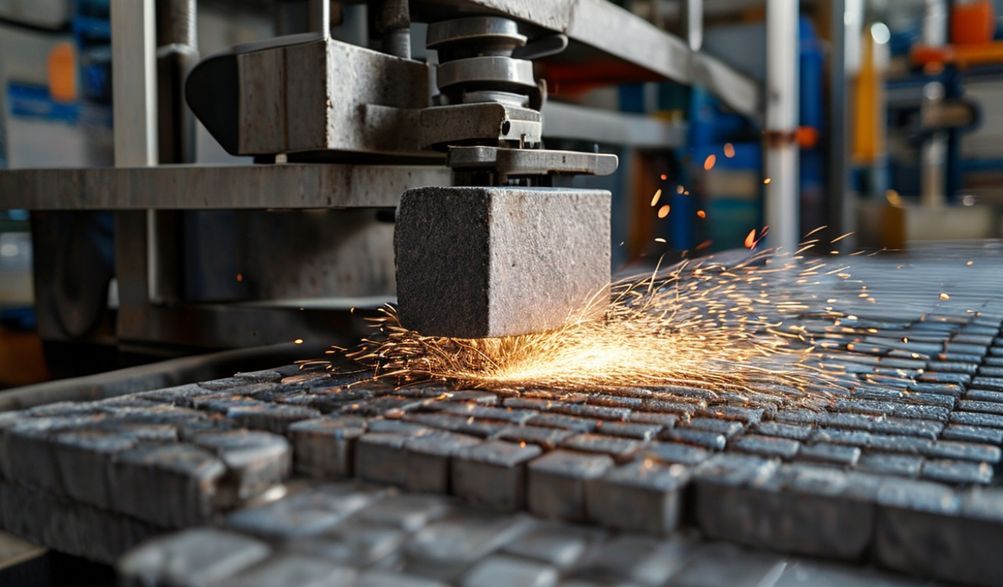
The Complete Guide to Hollow Blocks Molder Machines: Types, Uses, and How to Choose
မိတ်ဆက်
The global construction industry is built on a foundation of demand for materials that are affordable, durable, and readily available. At the heart of countless residential, commercial, and infrastructure projects lies a humble yet indispensable component: the hollow concrete block. Its popularity is no accident—it offers excellent strength, thermal insulation, and fire resistance. But behind every reliable block is the technology that makes its precise, efficient production possible: the hollow blocks molder machine.
For decades, manual block production was the norm, fraught with challenges. Inconsistency in size and density, back-breaking labor, and painfully slow output rates could derail project timelines and compromise structural integrity. The need for a scalable, reliable solution was clear. Enter mechanization. The hollow blocks molder machine emerged as the definitive answer, transforming block production from an artisanal craft into a streamlined industrial process suitable for startups, small businesses, and large-scale plants alike.
This guide is designed to be your authoritative resource. Drawing on deep industry knowledge, technical specifications, and practical operational insights, we cut through the noise to provide clear, actionable information. Our goal is to equip you with the understanding needed to make a confident, informed investment decision for your specific needs.
In the following sections, we will deconstruct exactly what a hollow blocks molder machine is, explore the various types available, detail their significant benefits, provide a critical buyer’s checklist, and outline best practices for operation and maintenance. Let’s build that knowledge from the ground up.
What is a Hollow Blocks Molder Machine?
At its core, a hollow blocks molder machine is a purpose-built device that automates the formation of hollow concrete blocks. It does this by compacting a semi-dry mixture of cement, sand, and aggregates (like stone chips or industrial by-products such as fly ash) into a specific, hollow shape using a combination of mechanical pressure and high-frequency vibration.
Core Function and Basic Working Principle
The machine’s magic lies in its ability to replicate perfect blocks, one after another. The process, while sophisticated in execution, follows a logical sequence:
- အစာကျွေးခြင်းကုန်ကြမ်းရောနှောမှုကို စက်ရဲ့ ဟော့ပါးထဲသို့ ထည့်သွင်းသည်။
- Compaction/Vibration: The mix is fed into a mold cavity. A vibrating table and, often, a hydraulic press simultaneously compact the material. This vibration removes air pockets, ensuring a dense, strong block.
- ပုံသွင်းခြင်း The compacted material takes the exact shape of the mold, which includes cores to form the block’s characteristic hollow chambers.
- ထွက်ခွာခြင်း The newly formed block is ejected from the mold, either onto a pallet, a conveyor, or the ground, ready for curing.
အဓိက အစိတ်အပိုင်းများနှင့် ၎င်းတို့၏ လုပ်ဆောင်ချက်များ
စက်ရဲ့ လုပ်ဆောင်ပုံကို နားလည်ဖို့ အဓိက အစိတ်အပိုင်းတွေကို သိထားဖို့လိုပါတယ်။
- ဟော့ပါး The holding vessel for the raw concrete mix. Its design ensures a consistent flow of material into the molding area.
- မှိုတက်မှာလား သေမှာလား The heart of the machine. This precision steel component defines the block’s final shape, size, and hollow pattern. Molds are interchangeable to produce different block types.
- Vibrating System: Typically consists of one or more electric motors mounted on a vibrating table. This system provides the high-frequency oscillations essential for proper material compaction and strength.
- Hydraulic or Mechanical Press System: Applies downward pressure on the material in the mold, working in tandem with vibration to achieve optimal density.
- ကွန်ထရိုးပါနယ် Houses the electrical controls, switches, and timers (on advanced models) to operate the vibration, press, and other functions.
- Frame and Structure: The robust steel chassis that holds all components together, providing stability and durability during the high-stress molding process.
Types of Hollow Blocks Molder Machines
Choosing the right type of machine is your first major decision. The market offers a spectrum from simple manual units to fully automated plants, each catering to different scales and budgets.
လက်ဖြင့်ပုံသွင်းသောဘလောက်စက်များ
These are the most basic entry point into block production.
- ဖော်ပြချက် Operated purely by human labor using a lever mechanism to compress the material. They are portable, have no electrical parts, and production is entirely dependent on the operator’s effort.
- အားသာချက်များ
- Lowest upfront cost and minimal investment risk.
- No electricity or fuel required, ideal for remote sites.
- Simple design means easy maintenance and repair.
- အားနည်းချက်များ
- Very low output (typically 300-500 blocks per 8-hour day).
- High physical labor requirement leads to operator fatigue.
- Inconsistency in block quality and dimensions is common.
အခ်ိန္ပိုင္းအလိုအေလ်ာက္ ဘေလာက္ေရာင္းစက္မ်ား
This category strikes the best balance for most small to medium enterprises (SMEs) and is the most popular choice globally.
- ဖော်ပြချက် These electrically powered machines automate the critical compaction process using vibration and a hydraulic press. Operators manually feed the raw material and remove the finished blocks, but the core molding action is mechanized.
- အားသာချက်များ
- Significantly higher output than manual machines (e.g., 1,000 to 3,000 blocks per 8-hour shift).
- Excellent consistency in block quality, size, and strength.
- Good return on investment with moderate capital outlay.
- အားနည်းချက်များ
- Requires a steady power supply (single or three-phase electricity).
- Still requires 1-2 operators for material handling and block removal.
Fully Automatic Block Making Plants
These represent the pinnacle of production efficiency for large-scale commercial block yards and construction companies.
- ဖော်ပြချက် These are complete, computer-controlled production lines. They integrate automatic material batching, mixing, conveying, molding, curing, and block stacking. Human intervention is minimal, primarily for monitoring and maintenance.
- အားသာချက်များ
- Massive output capacity (tens of thousands of blocks per day).
- Unmatched consistency and quality control.
- Dramatically reduced direct labor costs.
- အားနည်းချက်များ
- Very high initial capital investment.
- Requires substantial factory space and a strong, level foundation.
- Needs skilled technicians for operation and maintenance.
Key Benefits of Using a Hollow Block Molder Machine
Investing in a block molder machine isn’t just about buying equipment; it’s about upgrading your entire production capability. The advantages are substantial and multifaceted.
မျက်နှာဖြူစေသော စွမ်းဆောင်ရည်နှင့် ထုတ်လုပ်နိုင်စွမ်း
Machines don’t tire. A single semi-automatic unit can produce more in one hour than a team of manual laborers can in a full day. This translates to faster project completion, the ability to take on larger orders, and consistent output regardless of weather conditions, fundamentally transforming your business’s scalability.
Superior Block Quality and Consistency
This is arguably the most critical technical benefit. Controlled vibration frequency and precise pressure ensure every block has optimal density and compressive strength. Uniform dimensions mean less mortar is wasted on-site during construction, walls go up straighter, and the overall structural integrity of buildings is enhanced. Quality becomes a repeatable standard, not a variable.
Significant Cost Reduction & ROI
While there’s an upfront cost, the long-term savings are compelling:
* Labor Savings: One machine replaces multiple manual laborers.
* ပစ္စည်းအသုံးချမှု ထိရောက်မှု Precise compaction reduces raw material waste.
* Reduced Rejection Rates: Consistent quality means fewer blocks are discarded.
When viewed as an investment, a quality machine often pays for itself within a predictable period through these savings and increased revenue from higher output.
Versatility in Production
A single machine is rarely limited to one product. By simply changing the mold, you can pivot production to meet market demand:
* Different hollow block sizes (4-inch, 6-inch, 8-inch).
* Solid concrete blocks for specific applications.
* Paving slabs, interlocking blocks, and decorative landscaping products.
This flexibility protects your business from market shifts and opens multiple revenue streams.
How to Choose the Right Machine for Your Needs: A Buyer’s Checklist
Navigating the market requires a methodical approach. Use this checklist to guide your evaluation.
Assess Your Production Requirements
Start by asking the fundamental questions:
* What is my target daily or monthly output in number of blocks?
* What specific block sizes and types (hollow, solid, paver) do my customers or projects require?
* Is this for a one-time project, or am I establishing an ongoing block manufacturing business?
* What is my available budget, including costs for foundation, power connection, and initial raw materials?
Evaluate Machine Specifications
Look beyond the sales brochure. Key technical specs determine performance:
* Motor Power & Vibration Frequency: Higher power and adjustable frequency allow for better compaction of different mixes and faster cycle times.
* စက်ဝန်းအချိန် How many seconds does it take to produce one block or one pallet of blocks? This directly dictates your maximum output.
* Pressure Capacity: Measured in tons or kilonewtons (kN). Greater pressure creates denser, stronger blocks, which is crucial for load-bearing applications.
* ပုံသွင်းပုံစံ၏ အရည်အသွေး The mold is a consumable part. Inquire about the steel grade (e.g., EN-31), hardening process (heat treatment), and the ease and cost of purchasing replacement or different molds.
Consider Operational Factors
Think about the machine’s life in your environment:
* Power Source: Does your location have reliable three-phase electricity, or do you need a diesel-powered model?
* Space & Foundation: Each machine requires a specific footprint and a level, reinforced concrete foundation to operate correctly and safely.
* After-Sales Support & Warranty: This is non-negotiable. A reputable supplier will offer a clear warranty, have readily available spare parts, and provide (or facilitate) operator training. Local service technicians are a huge advantage over distant manufacturers.
Budget and Total Cost of Ownership
The cheapest machine is often the most expensive in the long run. Consider:
* Upfront Cost: Purchase price, delivery, and installation.
* စစ်ဆင်ရေးကုန်ကျစရိတ်များ Regular power consumption, routine maintenance parts (oil, grease, filters), and mold replacement.
* Downtime Cost: A machine from a supplier with poor support can idle your business for weeks waiting for a simple part.
Operating and Maintaining Your Machine for Longevity
A machine is a long-term partner. Proper care ensures it runs reliably for years.
Safe Operating Procedures
Safety must be the foundation of all operations.
* Always wear appropriate Personal Protective Equipment (PPE): safety glasses, gloves, and steel-toe boots.
* Ensure all machine guards are in place before starting.
* Follow a strict lock-out/tag-out procedure during any maintenance or clearing of blockages.
* Adhere to the manufacturer’s step-by-step startup, running, and shutdown sequence.
Essential Daily and Periodic Maintenance
Proactive maintenance is the #1 predictor of machine lifespan.
* Daily: Clean excess concrete from the mold, hopper, and frame. Check for and tighten any loose bolts or nuts. Lubricate all moving parts as per the manual.
* Weekly/Monthly: Inspect the mold for signs of wear or damage. Check hydraulic oil levels and condition. Listen for unusual noises from vibration motors and bearings.
* Annually: Consider a comprehensive service by a qualified technician.
Troubleshooting Common Issues
| Problem | Possible Cause | Solution |
| :— | :— | :— |
| Blocks breaking easily | Insufficient vibration time; Low-quality raw materials; Incorrect water-cement ratio | Increase vibration duration; Use properly graded sand/aggregate; Adjust mix to a semi-dry consistency |
| Rough or uneven block surface | Worn-out mold; Too much water in the mix | Replace or repair the mold; Reduce water content in the mix |
| Machine vibrates excessively | Loose foundation bolts; Unbalanced load on the table | Tighten all foundation and frame bolts; Ensure the machine is level and the load is even |
| Low block output rate | Long cycle time; Manual feeding is slow | Optimize vibration/press timing (if adjustable); Improve raw material preparation and feeding workflow |
The Future of Block Molding Technology
The industry continues to evolve, focusing on smarter, greener production.
Trends Towards Automation and Smart Controls
The integration of Internet of Things (IoT) sensors allows for remote monitoring of machine health, predicting maintenance needs before a breakdown occurs. Energy-efficient servo motors and programmable logic controllers (PLCs) are making machines more precise and cheaper to run.
Sustainable Manufacturing Practices
Modern machines are increasingly designed to optimize the use of recycled materials. This includes higher percentages of fly ash (a coal combustion by-product) or even crushed construction and demolition waste as aggregates. Closed-loop water recycling systems within production plants are also reducing environmental impact.
FAQ Section
Q1: What is the average production capacity of a semi-automatic hollow block machine?
A: Capacity varies by model, but a standard semi-automatic machine can produce between 1,000 to 3,000 blocks (of standard 6″ size) in an 8-hour shift, depending on crew efficiency and cycle time.
Q2: What is the ideal cement-sand-aggregate mix ratio for machine-made blocks?
A: A common and effective ratio is 1 part cement, 3 parts sand, and 2 parts coarse aggregate (e.g., 6mm stone chips). The key is a semi-dry mix—just enough water to bind when compacted. Always test your local materials first.
Q3: Can I use a hollow block machine to make paving slabs or solid blocks?
A: Absolutely. This is a key advantage. You only need to change the mold to the specific shape required for pavers or solid blocks. Ensure your machine has the pressure capacity for solid blocks, as they require more compaction.
Q4: How much space do I need to install and operate a block molding machine?
A: For a semi-automatic machine, plan for a covered area of at least 500-700 sq. ft. This includes space for the machine, raw material storage, block curing, and movement. Fully automatic plants require significantly more industrial space.
Q5: What is the typical lead time for receiving a machine after ordering?
A: For standard models from a local dealer with stock, delivery can be within weeks. For custom orders or direct imports from manufacturers, lead times can range from 45 to 90 days, plus shipping.
Q6: How long does it take for a new operator to learn to use the machine effectively?
A: With proper training from the supplier, a competent operator can learn the basic controls, safety procedures, and daily maintenance for a semi-automatic machine within 3-5 days. Mastering mix optimization and troubleshooting comes with experience over a few weeks.
နိဂုံး
The hollow blocks molder machine stands as a transformative piece of technology in the construction materials sector. It bridges the gap between raw material and reliable building component, empowering entrepreneurs and builders with control over quality, cost, and scale. From boosting productivity and ensuring consistency to providing remarkable versatility, the right machine is a cornerstone asset for growth and profitability.
Making this important investment requires partnering with knowledge and integrity. Always prioritize suppliers who demonstrate proven expertise, offer transparent technical information, and—most critically—back their machines with robust after-sales support, training, and accessible spare parts. Your machine is a long-term investment; your supplier should be a long-term partner.
Ready to transform your block production and build a more profitable, efficient future? Contact our team of industry experts today for a free, no-obligation needs assessment and a detailed quote on the perfect hollow blocks molder machine for your specific project and ambitions.
<