
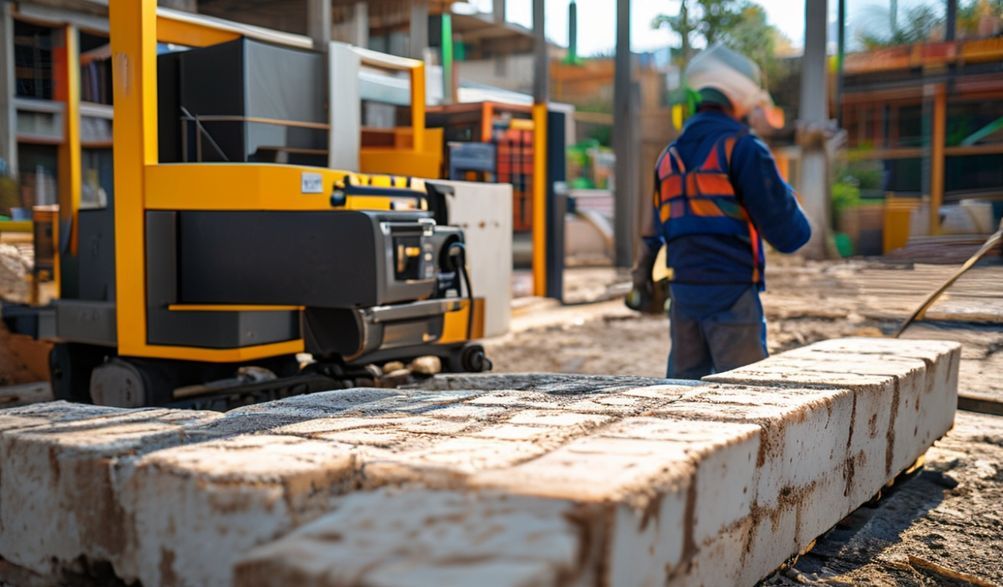
ဖိလစ်ပိုင်နိုင်ငံရှိ ခေါင်းချောက်ဘလောက်ပြုလုပ်သည့်စက်များ၏ စျေးနှုန်း - ၂၀၂၆ အတွက် အပြည့်အစုံ ဝယ်ယူသူလမ်းညွှန်
ဖိလစ်ပိုင်ဆောက်လုပ်ရေးလုပ်ငန်းသည် မရပ်မနားတက်ကြွနေသော လမ်းကြောင်းပေါ်တွင် ရှိနေပါသည်။ "Build Better More" အစီအစဉ်အောက်ရှိ ကြီးမားသော အခြေခံအဆောက်အအုံ စီမံကိန်းများမှ နေထိုင်ရေးအိမ်ရာများအတွက် တောင်းဆိုမှုများ တိုးပွားလာသည်အထိ၊ ယုံကြည်စိတ်ချရပြီး စျေးနှုန်းသင့်တင့်သော ဆောက်လုပ်ရေးပစ္စည်းများ လိုအပ်ချက်သည် ယခင်ကထက် ပိုမိုမြင့်မားလာပါသည်။ ဤထောက်ပံ့ရေးကွင်းဆက်တွင် အခြေခံကျသော်လည်း အရေးပါသည့် အတွင်းခေါင်းပါအုတ်မှာ အဓိကကျပါသည်။ သင်ဤစာကိုဖတ်နေပါက၊ သင်သည် အရေးပါသော ရင်းနှီးမြှုပ်နှံမှုတစ်ခုဖြစ်သည့် အတွင်းခေါင်းပါအုတ်လုပ်စက်ကို စဉ်းစားနေခြင်းဖြစ်နိုင်ပါသည်။ သို့သော် ရိုးရှင်းသော လက်ဖြင့်ဖိစက်များမှ အလိုအလျောက်လည်ပတ်နိုင်သည့် ကြီးမားသောစက်များအထိ ရွေးချယ်စရာများဖြင့် ဈေးကွက်တွင် ပြည့်နှက်နေသည့်အခါ၊ စစ်မှန်သောကုန်ကျစရိတ်ကို သင်မည်သို့ ရှာဖွေနိုင်မည်နည်း။
This guide cuts through the noise. We won’t just list prices; we’ll provide you with the transparent, expert knowledge needed to understand what you’re really paying for. The price tag you see is influenced by a complex mix of machine type, production capacity, level of automation, brand reputation, and the crucial element of after-sales support. By the end of this guide, you’ll be equipped to make a confident, informed investment that aligns with your business goals and budget.
အတွင်းပိုင်းခွက်ဘလောက်စက်များကို နားလည်ခြင်း- အမျိုးအစားများနှင့် အသုံးပြုမှုများ
Before discussing pesos, it’s essential to understand the tools of the trade. A hollow block machine, or concrete block making machine, compacts a mixture of cement, sand, and gravel into molds using vibration and pressure to form sturdy, uniform blocks.
လက်ဖြင့်မောင်းနှင်သော စက်များ၊ အချို့အလိုအလျောက်မောင်းနှင်သော စက်များနှင့် အပြည့်အဝအလိုအလျောက်မောင်းနှင်သော စက်များ
The level of human intervention defines these primary categories and their price points.
- လက်ဖြင့်မောင်းနှင်ရသော စက်များ These are the most basic and affordable. Operators manually feed the raw mix, engage the vibration mechanism (often via a lever), and remove the finished block.
- အလုပ္သမား High. Requires 3-4 persons for efficient operation.
- ထွက်ရန် Low, typically 300-500 blocks per 8-hour shift.
- အကောင်းဆုံးဖြစ်သည်။ Very small-scale projects, startups with minimal capital, or remote areas with no power.
- အချိန်ကုန်သက်သာစေသော စက်များ This is the sweet spot for many growing businesses in the Philippines. Key processes like mixing, feeding, and vibration are mechanized, but blocks are still moved manually or with a simple conveyor.
- အလုပ္သမား Moderate. Requires 2-3 persons.
- ထွက်ရန် Good, ranging from 800 to 2,500+ blocks per 8-hour shift.
- အကောင်းဆုံးဖြစ်သည်။ Small to medium-sized block yards supplying local contractors and housing projects.
- အလိုအလျောက် အပြည့်အစုံ စက်များ These are complete production lines. They automate batching, mixing, molding, curing, and even palletizing with minimal human oversight, often controlled by a PLC (Programmable Logic Controller).
- အလုပ္သမား Low. May require only 1-2 persons for monitoring and maintenance.
- ထွက်ရန် High to very high, from 4,000 to over 20,000 blocks per 8-hour shift.
- အကောင်းဆုံးဖြစ်သည်။ Large-scale commercial production, supplying major construction firms and distributors.
Key Machine Types Explained
Beyond automation, the machine’s design dictates its application:
- စတက်တစ်စက်များ These are stationary units installed on a solid factory floor. They are known for high stability and consistent output, making them perfect for established block yards with a fixed production site.
- မိုဘိုင်းဘလောက်စက်များ Mounted on wheels or a trailer, these machines can be towed directly to a construction site. This eliminates the high cost of transporting heavy blocks, making them popular for large, self-build projects or developers producing on-site.
- Egg-Laying Machines: A highly popular type of mobile machine. Instead of using pallets, they compact the block and then “lay” it directly onto a prepared concrete ground slab, moving forward to produce the next row. They offer a great balance of mobility and output for medium-scale operations.
Factors Influencing Hollow Block Machine Prices in the Philippines
The sticker price is just the beginning. Here’s what truly determines the cost of a hollow block machine in the local market.
Core Machine Specifications
- ထုတ်လုပ်မှုစွမ်းရည် Measured in blocks per hour or shift, this is the primary driver. A machine rated for 1,000 blocks/day will cost significantly less than one rated for 10,000.
- Block Sizes and Molds: Standard sizes (4”, 5”, 6”) are common. The ability to produce multiple sizes simultaneously (via a multi-mold system) or switch quickly between them adds to the cost. More molds mean higher output and price.
- Motor Power & Vibration System: The strength and efficiency of the vibration motors (measured in kW) and hydraulic systems determine compaction quality and speed. More powerful, balanced systems cost more but produce denser, stronger blocks.
Level of Automation
Every automated step adds cost but reduces long-term labor expense and increases consistency. The price jump from a semi-automatic to a fully automatic machine with automatic feeders, stackers, and palletizers is substantial.
Brand and Country of Origin
- Local Philippine Manufacturers: Offer the advantage of easier communication, potentially quicker service, and understanding of local conditions. Prices can be competitive.
- Imported Brands (e.g., China): Dominate the market in terms of volume. Offer a very wide range at aggressive price points, but quality and after-sales support can vary wildly. Thorough supplier vetting is critical.
- Imported Brands (e.g., Europe, Japan): Represent the premium segment. They command much higher prices due to advanced engineering, durability, and often superior automation. Spare parts and service may be more specialized.
ပါဝါရင်းမြစ်
- အီလက်ထရွန်းနစ် Most common for stationary plants. Cleaner, quieter, and has lower operational costs if grid power is stable.
- ဒီဇယ် Essential for mobile and egg-laying machines or areas with unreliable electricity. Higher fuel costs but complete independence.
- ဟိုက်ဘရစ် (လျှပ်စစ်/ဒီဇယ်) Offers flexibility but at a higher initial purchase price.
After-Sales Service & Support
This is a non-negotiable cost factor. A cheap machine with no local support can become a worthless pile of metal if it breaks down. Consider:
* Warranty: Scope and duration (e.g., 1 year on parts, 6 months on labor).
* အပိုပစ္စည်းများ ရရှိနိုင်မှု Are common wear parts (molds, mixer blades, hydraulic seals) stocked locally in Manila, Cebu, or Davao? What are the lead times?
* Technical Training: Does the supplier provide comprehensive training for your operators on setup, operation, and basic maintenance?
Hollow Block Machine Price Ranges in the Philippines (2026)
Based on current market surveys and supplier data, here are realistic price brackets for new equipment in 2026. Note: Prices in provinces like Cebu or Davao may vary slightly from Luzon, and all figures are subject to change due to inflation and foreign exchange rates.
Entry-Level / Manual & Small Semi-Automatic Machines
- စျေးနှုန်းအတိုင်းအတာ ₱50,000 – ₱200,000
- What to Expect: This range covers basic manual egg-laying or static machines and very small semi-automatic models. Output is suitable for a micro-business or a single large project. Brands are typically from smaller Chinese manufacturers or local fabricators. Durability may be a concern under heavy, continuous use.
Mid-Range / Semi-Automatic & Standard Automatic Machines
- စျေးနှုန်းအတိုင်းအတာ ₱200,000 – ₱800,000
- What to Expect: This is the most competitive and popular segment for serious entrepreneurs. It includes robust semi-automatic machines with decent output (2,000-5,000 blocks/day) and standard fully automatic single-line machines from reputable Chinese brands or high-spec local makers. This range offers the best balance of investment and return for a growing block yard.
High-Capacity / Fully Automatic Production Lines
- စျေးနှုန်းအတိုင်းအတာ ₱800,000 – ₱3,000,000+
- What to Expect: This tier is for industrial-scale production. It encompasses high-speed automatic lines with advanced features like robotic palletizers, computerized batching plants, and multi-layer curing systems. Brands may include top-tier Chinese imports or used/refurbished European lines. These are major capital investments for established businesses targeting large contracts.
Beyond the Sticker Price: Calculating Your Total Investment
A savvy buyer plans for the total cost of ownership.
Hidden and Operational Costs
- Delivery & Installation: Freight cost from the supplier’s warehouse to your site, especially for heavy machinery.
- Foundation & Site Preparation: A static machine requires a level, reinforced concrete foundation.
- Initial Raw Materials: You’ll need to purchase the first batches of cement, sand, and gravel to start production.
- Power Connection/Generator: Ensuring you have adequate and reliable power supply.
Cost of Consumables and Maintenance
- Mold Wear: Molds are consumable items and need replacement after producing a certain number of blocks.
- Mixer Blades & Liners: Subject to abrasion from sand and gravel.
- Hydraulic Oil & Filters: Require regular changes.
- Preventive Servicing: Budget for quarterly or bi-annual check-ups by a technician.
Analyzing Return on Investment (ROI)
Here’s a simplified framework:
1. Calculate Total Investment: Machine price + all hidden/setup costs.
2. Estimate Daily Output: Be conservative (e.g., 80% of rated capacity).
3. Know Your Costs Per Block: (Cement + Sand + Gravel + Labor + Overhead).
4. Determine Your Selling Price: Research the local market price per piece in your area (e.g., ₱18 – ₱25 for a 5″ block).
5. Calculate Gross Profit Per Block: Selling Price – Cost Per Block.
6. Estimate Payback Period: Total Investment / (Gross Profit Per Block * Blocks Produced Per Day).
Example: A ₱500,000 investment earning a net profit of ₱5 per block and producing 2,000 blocks/day has a potential payback period of roughly 50 days of production, excluding non-operational days.
How to Choose the Right Supplier in the Philippines
Your supplier is as important as the machine itself.
Checklist for a Reliable Supplier
- Physical Presence: Do they have a showroom, workshop, or warehouse you can visit?
- Client References: Can they provide contact details of past clients (preferably in your region) you can speak to?
- Service Team: Do they have in-house technicians or a dedicated service partner network?
- Parts Inventory: Ask to see their local spare parts stocklist.
Essential Questions to Ask Before Buying
- “What is exactly included in the quoted price? (Delivery, installation, training, initial set of spare parts?)”
- “What is the warranty coverage and what is your typical response time for service calls in my area?”
- “Can you provide a demonstration with my actual raw materials?”
- “Do you offer financing partnerships or payment terms?”
- “Can you provide a list of recommended consumables and their local suppliers?”
Red Flags to Avoid
- Vague or “Too Good to Be True” Pricing: Refusal to provide a detailed breakdown.
- No Service Contract or Warranty: Or a warranty that requires shipping the machine back to China.
- No Local Track Record: Unable to show you a working machine locally or provide verifiable references.
- Pressure Tactics: “Today-only” discounts to prevent you from doing due diligence.
မကြာခဏ မေးလေ့ရှိသော မေးခွန်းများ (FAQ)
What is the cheapest hollow block machine available in the Philippines?
The absolute cheapest are small manual presses, which can be found for as low as ₱30,000-₱50,000. However, they have very limited output and high labor intensity. They are only suitable for occasional, non-commercial use.
Can I get a quality machine for under ₱100,000?
Yes, but with managed expectations. In this range, you can find small manual or very basic semi-automatic machines from lesser-known brands. Focus on build quality (thickness of steel frame, brand of motor) and ensure the supplier has at least some local presence for basic support. It will be a small-scale operation.
Which is better: a brand-new machine from China or a quality used machine locally?
- New Chinese Machine: Pros: Full warranty, latest technology, no hidden wear. Cons: Variable quality, potential support issues.
- Quality Used Machine (Local): Pros: Often can be inspected thoroughly, may be from a reputable brand, lower upfront cost. Cons: No or limited warranty, unknown maintenance history, possible obsolete parts.
The decision hinges on your ability to inspect the used machine’s condition and the reputation of the seller. For most first-time buyers, a new machine with a solid local warranty is the safer choice.
How much profit can I make from a hollow block business?
Profitability varies widely by region, scale, and efficiency. As a simplified example, if your total cost to produce a standard 5″ hollow block is ₱15 (materials, labor, overhead) and you sell it for ₱22, your gross profit is ₱7. A semi-automatic machine producing 2,000 blocks/day could generate ₱14,000 in daily gross profit. Net profit depends on your volume, operational efficiency, and market demand.
Are there financing options or government incentives for this equipment?
Yes, several avenues exist:
* Bank Loans: Many universal and rural banks offer equipment financing for SMEs.
* Cooperative Loans: If you are a member of a cooperative, this can be a favorable option.
* Government Programs: The DTI, through MSME development programs, or agencies like SB Corporation sometimes offer loan guarantees or credit access programs for productive equipment. It is worth inquiring at your local DTI office.
နိဂုံး
Navigating the hollow block maker machine market in the Philippines requires looking beyond the initial price tag. Your ideal machine is defined by a balance of your target production scale, available budget, and long-term business vision. Remember, the total investment—including setup, maintenance, and operational costs—is the true metric for planning. Most importantly, partnering with a reliable, transparent supplier with proven after-sales support is paramount to protecting your investment.
Use this guide as your roadmap. Define your needs, create a shortlist of machines and suppliers, and insist on seeing equipment in operation. Ask the hard questions and do your due diligence. By taking these steps, you move from being just a buyer to becoming a savvy business owner, making a wise and profitable investment into the future of Philippine construction.
<