
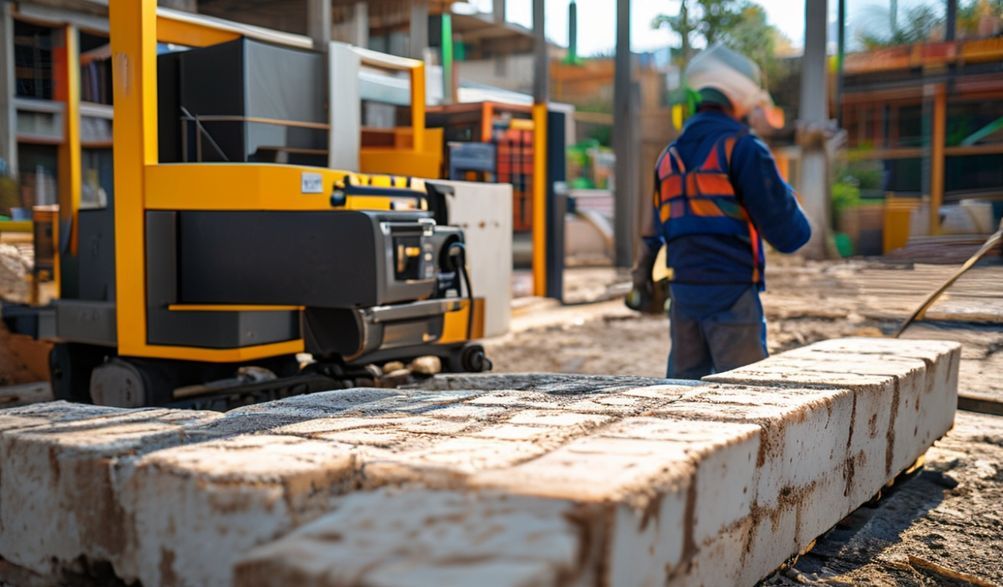
Giá Máy Làm Gạch Rỗng tại Philippines: Hướng Dẫn Mua Hàng Toàn Diện 2026
Ngành công nghiệp xây dựng Philippines đang trên đà phát triển không ngừng. Từ các dự án cơ sở hạ tầng quy mô lớn trong chương trình "Xây Dựng Tốt Hơn" đến nhu cầu nhà ở ngày càng tăng, nhu cầu về vật liệu xây dựng đáng tin cậy, giá cả phải chăng chưa bao giờ lớn hơn thế. Trọng tâm của chuỗi cung ứng này chính là gạch block rỗng - một vật liệu khiêm tốn nhưng vô cùng quan trọng. Nếu bạn đang đọc bài viết này, có lẽ bạn đang cân nhắc một khoản đầu tư then chốt: máy sản xuất gạch block rỗng. Nhưng với thị trường tràn ngập các lựa chọn, từ máy ép thủ công đơn giản đến những cỗ máy tự động hoàn toàn đồ sộ, làm thế nào để bạn định hướng được chi phí thực sự?
Hướng dẫn này sẽ loại bỏ mọi thông tin nhiễu loạn. Chúng tôi không chỉ liệt kê giá cả; chúng tôi cung cấp cho bạn kiến thức chuyên môn minh bạch cần thiết để hiểu bạn thực sự trả tiền cho điều gì. Mức giá bạn thấy bị ảnh hưởng bởi một hỗn hợp phức tạp gồm loại máy, công suất sản xuất, mức độ tự động hóa, uy tín thương hiệu và yếu tố quan trọng là dịch vụ hỗ trợ sau bán hàng. Đến cuối hướng dẫn này, bạn sẽ được trang bị để đưa ra quyết định đầu tư tự tin, sáng suốt, phù hợp với mục tiêu kinh doanh và ngân sách của mình.
Hiểu về Máy Sản Xuất Gạch Rỗng: Các Loại và Ứng Dụng
Trước khi thảo luận về máy đúc gạch, việc hiểu rõ các công cụ trong nghề là điều cần thiết. Một máy đúc khối rỗng, hay máy làm khối bê tông, nén hỗn hợp xi măng, cát và sỏi vào khuôn bằng cách sử dụng rung và áp lực để tạo ra các khối chắc chắn và đồng đều.
Máy Thủ Công vs. Máy Bán Tự Động vs. Máy Tự Động Hoàn Toàn
Mức độ can thiệp của con người xác định các danh mục chính và mức giá của chúng.
- Máy Móc Thủ Công:Đây là loại cơ bản và giá cả phải chăng nhất. Người vận hành sẽ đổ hỗn hợp nguyên liệu thô vào khuôn bằng tay, kích hoạt cơ chế rung (thường thông qua một cần gạt), và lấy viên gạch thành phẩm ra.
- Lao độngCần 3-4 người để vận hành hiệu quả.
- Đầu ra:Thấp, thường từ 300-500 khối mỗi ca làm việc 8 giờ.
- Lý Tưởng Cho:Các dự án quy mô rất nhỏ, các công ty khởi nghiệp với vốn tối thiểu, hoặc các khu vực xa xôi không có điện.
- Máy Bán Tự Động:Đây là điểm lý tưởng cho nhiều doanh nghiệp đang phát triển tại Philippines. Các quy trình chính như trộn, cấp liệu và rung đã được cơ giới hóa, nhưng việc di chuyển các khối vẫn được thực hiện thủ công hoặc bằng băng chuyền đơn giản.
- Lao độngVừa phải. Cần 2-3 người.
- Đầu ra:Tốt, dao động từ 800 đến hơn 2.500 khối mỗi ca làm việc 8 giờ.
- Lý Tưởng Cho:Các bãi vật liệu vừa và nhỏ cung cấp cho các nhà thầu địa phương và các dự án nhà ở.
- Máy Móc Tự Động Hoàn Toàn:Đây là những dây chuyền sản xuất hoàn chỉnh. Chúng tự động hóa quá trình cân đong, trộn, đúc khuôn, xử lý nhiệt và thậm chí cả xếp pallet với sự giám sát tối thiểu của con người, thường được điều khiển bởi một PLC (Bộ điều khiển logic khả trình).
- Lao độngThấp. Có thể chỉ cần 1-2 người để giám sát và bảo trì.
- Đầu ra:Cao đến rất cao, từ 4.000 đến hơn 20.000 khối mỗi ca 8 giờ.
- Lý Tưởng Cho: Large-scale commercial production, supplying major construction firms and distributors.
Key Machine Types Explained
Beyond automation, the machine’s design dictates its application:
- Máy Tĩnh: These are stationary units installed on a solid factory floor. They are known for high stability and consistent output, making them perfect for established block yards with a fixed production site.
- Máy đúc khối di động: Mounted on wheels or a trailer, these machines can be towed directly to a construction site. This eliminates the high cost of transporting heavy blocks, making them popular for large, self-build projects or developers producing on-site.
- Egg-Laying Machines: A highly popular type of mobile machine. Instead of using pallets, they compact the block and then “lay” it directly onto a prepared concrete ground slab, moving forward to produce the next row. They offer a great balance of mobility and output for medium-scale operations.
Factors Influencing Hollow Block Machine Prices in the Philippines
The sticker price is just the beginning. Here’s what truly determines the cost of a hollow block machine in the local market.
Core Machine Specifications
- Năng lực sản xuất: Measured in blocks per hour or shift, this is the primary driver. A machine rated for 1,000 blocks/day will cost significantly less than one rated for 10,000.
- Block Sizes and Molds: Standard sizes (4”, 5”, 6”) are common. The ability to produce multiple sizes simultaneously (via a multi-mold system) or switch quickly between them adds to the cost. More molds mean higher output and price.
- Motor Power & Vibration System: The strength and efficiency of the vibration motors (measured in kW) and hydraulic systems determine compaction quality and speed. More powerful, balanced systems cost more but produce denser, stronger blocks.
Mức độ Tự động hóa
Every automated step adds cost but reduces long-term labor expense and increases consistency. The price jump from a semi-automatic to a fully automatic machine with automatic feeders, stackers, and palletizers is substantial.
Brand and Country of Origin
- Local Philippine Manufacturers: Offer the advantage of easier communication, potentially quicker service, and understanding of local conditions. Prices can be competitive.
- Imported Brands (e.g., China): Dominate the market in terms of volume. Offer a very wide range at aggressive price points, but quality and after-sales support can vary wildly. Thorough supplier vetting is critical.
- Imported Brands (e.g., Europe, Japan): Represent the premium segment. They command much higher prices due to advanced engineering, durability, and often superior automation. Spare parts and service may be more specialized.
Power Source
- Điện: Most common for stationary plants. Cleaner, quieter, and has lower operational costs if grid power is stable.
- Đi-ê-zen Essential for mobile and egg-laying machines or areas with unreliable electricity. Higher fuel costs but complete independence.
- Hybrid (Electric/Diesel): Offers flexibility but at a higher initial purchase price.
After-Sales Service & Support
This is a non-negotiable cost factor. A cheap machine with no local support can become a worthless pile of metal if it breaks down. Consider:
* Bảo hành: Scope and duration (e.g., 1 year on parts, 6 months on labor).
* Sẵn có Phụ tùng Thay thế: Are common wear parts (molds, mixer blades, hydraulic seals) stocked locally in Manila, Cebu, or Davao? What are the lead times?
* Technical Training: Does the supplier provide comprehensive training for your operators on setup, operation, and basic maintenance?
Hollow Block Machine Price Ranges in the Philippines (2026)
Based on current market surveys and supplier data, here are realistic price brackets for new equipment in 2026. Note: Prices in provinces like Cebu or Davao may vary slightly from Luzon, and all figures are subject to change due to inflation and foreign exchange rates.
Entry-Level / Manual & Small Semi-Automatic Machines
- Khoảng giá: ₱50,000 – ₱200,000
- What to Expect: This range covers basic manual egg-laying or static machines and very small semi-automatic models. Output is suitable for a micro-business or a single large project. Brands are typically from smaller Chinese manufacturers or local fabricators. Durability may be a concern under heavy, continuous use.
Mid-Range / Semi-Automatic & Standard Automatic Machines
- Khoảng giá: ₱200,000 – ₱800,000
- What to Expect: This is the most competitive and popular segment for serious entrepreneurs. It includes robust semi-automatic machines with decent output (2,000-5,000 blocks/day) and standard fully automatic single-line machines from reputable Chinese brands or high-spec local makers. This range offers the best balance of investment and return for a growing block yard.
High-Capacity / Fully Automatic Production Lines
- Khoảng giá: ₱800,000 – ₱3,000,000+
- What to Expect: This tier is for industrial-scale production. It encompasses high-speed automatic lines with advanced features like robotic palletizers, computerized batching plants, and multi-layer curing systems. Brands may include top-tier Chinese imports or used/refurbished European lines. These are major capital investments for established businesses targeting large contracts.
Beyond the Sticker Price: Calculating Your Total Investment
A savvy buyer plans for the total cost of ownership.
Hidden and Operational Costs
- Delivery & Installation: Freight cost from the supplier’s warehouse to your site, especially for heavy machinery.
- Foundation & Site Preparation: A static machine requires a level, reinforced concrete foundation.
- Initial Raw Materials: You’ll need to purchase the first batches of cement, sand, and gravel to start production.
- Power Connection/Generator: Ensuring you have adequate and reliable power supply.
Cost of Consumables and Maintenance
- Mold Wear: Molds are consumable items and need replacement after producing a certain number of blocks.
- Mixer Blades & Liners: Subject to abrasion from sand and gravel.
- Hydraulic Oil & Filters: Require regular changes.
- Preventive Servicing: Budget for quarterly or bi-annual check-ups by a technician.
Analyzing Return on Investment (ROI)
Here’s a simplified framework:
1. Calculate Total Investment: Machine price + all hidden/setup costs.
2. Estimate Daily Output: Be conservative (e.g., 80% of rated capacity).
3. Know Your Costs Per Block: (Cement + Sand + Gravel + Labor + Overhead).
4. Determine Your Selling Price: Research the local market price per piece in your area (e.g., ₱18 – ₱25 for a 5″ block).
5. Calculate Gross Profit Per Block: Selling Price – Cost Per Block.
6. Estimate Payback Period: Total Investment / (Gross Profit Per Block * Blocks Produced Per Day).
Example: A ₱500,000 investment earning a net profit of ₱5 per block and producing 2,000 blocks/day has a potential payback period of roughly 50 days of production, excluding non-operational days.
How to Choose the Right Supplier in the Philippines
Your supplier is as important as the machine itself.
Checklist for a Reliable Supplier
- Physical Presence: Do they have a showroom, workshop, or warehouse you can visit?
- Client References: Can they provide contact details of past clients (preferably in your region) you can speak to?
- Service Team: Do they have in-house technicians or a dedicated service partner network?
- Parts Inventory: Ask to see their local spare parts stocklist.
Essential Questions to Ask Before Buying
- “What is exactly included in the quoted price? (Delivery, installation, training, initial set of spare parts?)”
- “What is the warranty coverage and what is your typical response time for service calls in my area?”
- “Can you provide a demonstration with my actual raw materials?”
- “Do you offer financing partnerships or payment terms?”
- “Can you provide a list of recommended consumables and their local suppliers?”
Red Flags to Avoid
- Vague or “Too Good to Be True” Pricing: Refusal to provide a detailed breakdown.
- No Service Contract or Warranty: Or a warranty that requires shipping the machine back to China.
- No Local Track Record: Unable to show you a working machine locally or provide verifiable references.
- Pressure Tactics: “Today-only” discounts to prevent you from doing due diligence.
Frequently Asked Questions (FAQ)
What is the cheapest hollow block machine available in the Philippines?
The absolute cheapest are small manual presses, which can be found for as low as ₱30,000-₱50,000. However, they have very limited output and high labor intensity. They are only suitable for occasional, non-commercial use.
Can I get a quality machine for under ₱100,000?
Yes, but with managed expectations. In this range, you can find small manual or very basic semi-automatic machines from lesser-known brands. Focus on build quality (thickness of steel frame, brand of motor) and ensure the supplier has at least some local presence for basic support. It will be a small-scale operation.
Which is better: a brand-new machine from China or a quality used machine locally?
- New Chinese Machine: Pros: Full warranty, latest technology, no hidden wear. Cons: Variable quality, potential support issues.
- Quality Used Machine (Local): Pros: Often can be inspected thoroughly, may be from a reputable brand, lower upfront cost. Cons: No or limited warranty, unknown maintenance history, possible obsolete parts.
The decision hinges on your ability to inspect the used machine’s condition and the reputation of the seller. For most first-time buyers, a new machine with a solid local warranty is the safer choice.
How much profit can I make from a hollow block business?
Profitability varies widely by region, scale, and efficiency. As a simplified example, if your total cost to produce a standard 5″ hollow block is ₱15 (materials, labor, overhead) and you sell it for ₱22, your gross profit is ₱7. A semi-automatic machine producing 2,000 blocks/day could generate ₱14,000 in daily gross profit. Net profit depends on your volume, operational efficiency, and market demand.
Are there financing options or government incentives for this equipment?
Yes, several avenues exist:
* Bank Loans: Many universal and rural banks offer equipment financing for SMEs.
* Cooperative Loans: If you are a member of a cooperative, this can be a favorable option.
* Government Programs: The DTI, through MSME development programs, or agencies like SB Corporation sometimes offer loan guarantees or credit access programs for productive equipment. It is worth inquiring at your local DTI office.
Conclusion
Navigating the hollow block maker machine market in the Philippines requires looking beyond the initial price tag. Your ideal machine is defined by a balance of your target production scale, available budget, and long-term business vision. Remember, the total investment—including setup, maintenance, and operational costs—is the true metric for planning. Most importantly, partnering with a reliable, transparent supplier with proven after-sales support is paramount to protecting your investment.
Use this guide as your roadmap. Define your needs, create a shortlist of machines and suppliers, and insist on seeing equipment in operation. Ask the hard questions and do your due diligence. By taking these steps, you move from being just a buyer to becoming a savvy business owner, making a wise and profitable investment into the future of Philippine construction.
<