
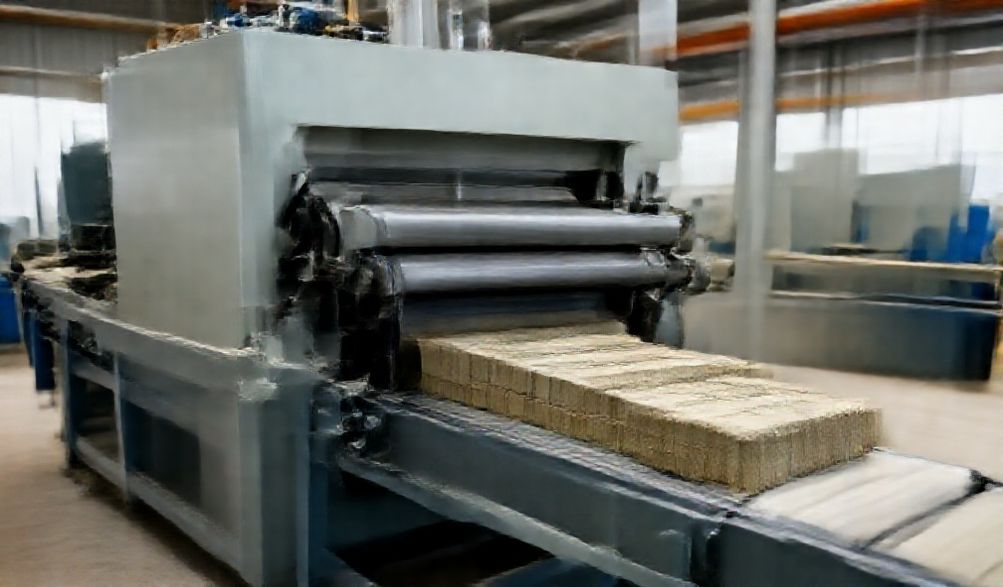
Guia Definitivo para Máquinas de Fabricação de Tijolos de Cimento de Argila: Perspectivas da Fábrica de Blocos FUDA
Em uma era definida pela rápida urbanização e por um impulso global pelo desenvolvimento sustentável, a demanda por materiais de construção duráveis, econômicos e ecologicamente conscientes nunca foi tão alta. Nesse cenário, os tijolos de cimento e argila emergiram como uma solução de primeira linha, unindo a resistência atemporal da argila ao desempenho aprimorado do cimento moderno. No entanto, a qualidade e a economia desses tijolos são fundamentalmente determinadas pela maquinaria que os produz.
É aqui que as máquinas automatizadas de fabricação de tijolos de cimento de argila se tornam a pedra angular da produção moderna de materiais de construção. Esses sistemas sofisticados transformam matérias-primas locais em blocos de construção precisos e de alta resistência, com uma eficiência sem paralelo. Navegar por este equipamento especializado exige o conhecimento daqueles que vivem e respiram a tecnologia.
Há mais de duas décadas, a FUDA Block Making Factory está na vanguarda deste setor. Como líder em projetar e fabricar máquinas robustas para produção de blocos, a FUDA construiu sua reputação com uma expertise prática e profunda em tecnologia de argila-cimento e um compromisso com a excelência em engenharia. Este guia aproveita essa vasta experiência de campo e conhecimento técnico.
Nosso objetivo é fornecer aos compradores, proprietários de empresas de construção e empreendedores uma compreensão abrangente das máquinas de fabricação de tijolos de cimento de argila. Vamos nos aprofundar na tecnologia, detalhar as principais características e ilustrar por que uma parceria com um fabricante consolidado como a FUDA Block Making Factory é um investimento estratégico em qualidade, rentabilidade e sucesso a longo prazo.
Compreendendo a Tecnologia de Fabricação de Tijolos de Cimento de Argila
A transição do trabalho manual para a produção mecanizada representa um salto quântico na fabricação de materiais de construção. Compreender a tecnologia central é o primeiro passo para fazer um investimento informado.
O que é uma Máquina de Fabricação de Tijolos de Cimento de Argila?
Em sua essência, uma máquina de fabricar tijolos de cimento e argila é um sistema semiautomático ou totalmente automático projetado para misturar argila, cimento (frequentemente como agente estabilizante) e outros agregados, como areia ou cinza volante, e então moldá-los em tijolos ou blocos de alta densidade sob pressão mecânica ou hidráulica significativa.
O processo é uma sinfonia de etapas precisas:
* Dosagem & Mistura:As matérias-primas são medidas com precisão e misturadas com água para obter uma mistura homogênea e trabalhável.
* Moldagem e Compactação:A mistura é alimentada em um molde (ou matriz) onde é submetida a alta pressão. Essa compactação é crucial — ela remove bolsas de ar e compacta densamente as partículas, influenciando diretamente a resistência e densidade final do tijolo.
* Ejeção e Cura:O tijolo recém-formado, "verde", é ejetado sobre um palete ou esteira transportadora. Em seguida, ele entra em um período de cura, onde ganha resistência ao longo do tempo através da hidratação e secagem.
Componentes Principais de uma Máquina de Alta Qualidade (Baseado nos Princípios de Design da FUDA)
A confiabilidade e a produção de qualquer máquina dependem da qualidade de seus componentes centrais. Na FUDA, nossa filosofia de design prioriza durabilidade e desempenho em cada peça.
- Sistema Hidráulico:O coração da máquina. Um sistema hidráulico robusto e de alta pressão garante compactação consistente e potente. Utilizamos bombas e válvulas de precisão para fornecer a força necessária para uma densidade superior dos tijolos, ciclo após ciclo.
- Câmara de Moldagem e Matrizes:Fabricado com aço endurecido de alta qualidade, o molde define a forma e o tamanho do bloco. As matrizes intercambiáveis da FUDA são usinadas com tolerâncias rigorosas para produzir tijolos com bordas afiadas e dimensões uniformes, minimizando o desperdício no local.
- Painel de Controle e Automação:Desde a lógica de relé simples até sistemas avançados de CLP (Controlador Lógico Programável), os controles são o cérebro da máquina. Uma interface bem projetada permite operação fácil, ajuste de ciclo e solução de problemas.
- Estrutura e Estrutura:Toda a máquina é construída sobre uma estrutura de aço resistente, capaz de suportar vibração e pressão constantes sem deformação, garantindo alinhamento e estabilidade operacional de longo prazo.
- Misturador & Sistemas de Transporte:Um misturador potente, de eixo duplo ou pan, garante uma mistura perfeitamente consistente. Esteiras transportadoras integradas agilizam o manuseio de materiais, reduzindo o trabalho manual e aumentando a eficiência geral da linha.
Blocos de Argamassa de Solo-Cimento vs. Blocos Tradicionais de Argila ou Concreto
Por que escolher um compósito de argila-cimento? A fórmula híbrida oferece vantagens distintas que abordam as limitações de seus antecessores.
- Força e Durabilidade Superiores:O aglutinante de cimento aumenta significativamente a resistência à compressão em comparação com tijolos de argila secos ao sol ou levemente queimados, tornando-os adequados para estruturas de suporte de carga.
- Resistência à Água Aprimorada:A matriz mais densa e as propriedades cimentícias reduzem a absorção de água, melhorando a resistência ao gelo e a longevidade em diversos climas — uma fraqueza fundamental dos tijolos de argila tradicionais.
- Isolamento Térmico e Acústico Aprimorado:As propriedades naturais de isolamento da argila são mantidas, frequentemente resultando em melhor desempenho térmico do que os blocos de concreto padrão, contribuindo para edifícios energeticamente eficientes.
- Benefícios Ambientais e Econômicos:Essas máquinas podem utilizar argila de origem local, frequentemente do subsolo, reduzindo custos de transporte e a pegada de escavação. O processo geralmente requer menos energia do que a queima de tijolos de argila tradicionais em um forno.
Por que Escolher uma Máquina de Fabricação de Tijolos de Cimento de Argila da FUDA?
Selecionar um fabricante é tão importante quanto selecionar a máquina. É um investimento em uma parceria que impactará sua produtividade por muitos anos.
Excelência e Durabilidade em Engenharia
Com base em nossa experiência no chão de fábrica e no feedback de clientes globais, sabemos que o tempo de inatividade é o inimigo da lucratividade. Cada máquina FUDA é construída com isso em mente.
* Utilizamos chapas de aço de alta qualidade e componentes provenientes de fornecedores conceituados.
* Peças de desgaste críticas são especialmente tratadas para resistência à abrasão.
* Nossos processos de soldagem e montagem seguem rigorosos protocolos de controle de qualidade, resultando em uma máquina conhecida por sua robustez e baixa necessidade de manutenção.
Modelos e Especificações para Cada Necessidade
O portfólio de produtos da FUDA é projetado para escalar conforme o seu negócio, desde startups empreendedoras até a produção industrial em larga escala.
* Modelos Manuais & Semi-Automáticos:Ideal para operações menores ou produção especializada, oferecendo um ponto de entrada mais baixo com economia significativa de mão de obra em relação aos métodos puramente manuais.
* Linhas Totalmente Automáticas: These high-output systems feature automatic material feeding, molding, stacking, and pallet return. They are the choice for large-scale brick yards aiming for maximum output with minimal manual intervention.
* Especificações Principais: Capacities can range from 1,000 to over 10,000 blocks per 8-hour shift, depending on the model and block size. We provide clear guidance on power requirements (often a mix of electrical and hydraulic power) and the full range of standard and custom block configurations available.
Efficiency and Profitability Advantages
The business case for a FUDA machine is clear:
* Redução de Custos com Mão de Obra: Automation handles the most labor-intensive tasks. A semi-automatic system can reduce crew size significantly, while a fully automatic line may only require 1-2 operators for monitoring and feeding.
* Consistent Quality & Less Waste: Machine-made bricks are uniform in size and strength. This consistency minimizes mortar use during construction and drastically reduces breakage and rejection rates.
* High Output & Scalability: Meeting large contract deadlines becomes feasible. The reliable output ensures you can fulfill orders on time, building your reputation and allowing for business growth.
* Strong Return on Investment (ROI): While the initial investment is a consideration, the combination of lower per-unit production cost, high output, and premium product quality typically leads to a payback period that our clients find highly attractive.
Características Principais a Procurar em uma Máquina de Fabricação de Tijolos
As an educated buyer, you should evaluate machines based on these critical parameters.
Automation Level and Control Systems
Your choice depends on budget, labor availability, and production goals.
* Manual: Operator-dependent for most functions; lowest cost, lowest output.
* Semi-Automático: The operator initiates cycles and may feed materials, but core processes like compaction and ejection are automated. An excellent balance of cost and efficiency.
* Totalmente Automático: PLC-controlled with integrated material handling. Delivers the highest output and consistency with the least manual labor.
Production Capacity and Versatility
- Match Capacity to Demand: Analyze your current and projected market needs. It’s often wiser to invest in a machine with slightly more capacity than you currently need to accommodate growth.
- The Power of Interchangeable Molds: A machine’s value multiplies if it can produce different products. Ensure the machine can easily switch molds to produce solid blocks, hollow blocks, paving slabs, and even interlocking bricks for landscaping or erosion control. FUDA machines are designed for this versatility.
Energy Efficiency and Sustainability
- Modern machines are designed to optimize power consumption. Inquire about the total connected load and look for features like energy-efficient motors and well-designed hydraulic circuits that minimize heat loss.
- The sustainability story is compelling. By enabling the use of local soil and reducing transport emissions, and by creating a durable, energy-efficient end product, your operation contributes to a greener construction cycle.
Setting Up Your Brick Production Line with FUDA
A successful installation goes beyond just the machine. Here’s practical guidance drawn from our experience setting up countless production lines worldwide.
Site Requirements and Factory Layout Planning
- Espaço: You will need a covered area for the machine and raw material storage, plus a large, level, open yard for curing and drying bricks. A basic layout follows a linear flow: Raw Material Storage -> Mixing Area -> Machine -> Curing Yard.
- Fundação: The machine requires a solid, level concrete foundation to absorb vibrations. We provide detailed foundation drawings with each machine.
- Utilitários: Reliable three-phase electrical power is standard. A consistent water source for mixing is essential. Consider drainage in the mixing and curing areas.
Raw Material Selection and Mixing Ratios
- Argila: The clay should be reasonably free of organic matter, stones, and debris. Simple field tests can determine suitability.
- Cimento: Use fresh, reputable-brand Portland cement for consistent results.
- Mix Ratios: While the optimal ratio depends on your local clay’s properties, a common starting point is a mix of 70-80% clay, 10-15% cement, and the balance in sand or fine aggregate. Water is added to achieve a “fistable” consistency—where a ball of mix holds its shape without crumbling or dripping. FUDA technicians provide on-site guidance to fine-tune this formula.
Operation, Maintenance, and Safety Protocols
- Operação: Train operators thoroughly on startup, running, and shutdown procedures. Emphasize the importance of keeping the hopper and molds clean.
- Manutenção: Adhere to a strict schedule: daily greasing of bearings, weekly checks of hydraulic fluid and hoses, and periodic inspection of all bolts and electrical connections. This preventative approach is the key to longevity.
- Segurança: Always use lock-out/tag-out procedures during maintenance. Operators should wear safety glasses, gloves, and steel-toe boots. Ensure all safety guards are in place on moving parts and conveyors.
Perguntas Frequentes (FAQ)
Q1: What is the average production output of a FUDA semi-automatic clay cement brick machine?
Output varies by block size and model, but a typical FUDA semi-automatic machine can produce between 2,000 to 4,000 standard hollow blocks (e.g., 400x200x200mm) in an 8-hour shift, depending on crew efficiency.
Q2: How long does it take for clay-cement bricks to cure properly after production?
Initial setting occurs within 24 hours. For handling and stacking, 3-7 days of air curing is recommended. The bricks continue to gain strength over 28 days, reaching their optimal compressive strength. Proper curing under shade or with light water sprinkling is beneficial.
Q3: Can the machine produce different shapes and sizes of paving blocks or interlocking bricks?
Absolutely. One of the key advantages of FUDA machines is their versatility with interchangeable molds. You can produce a wide variety of solid, hollow, paving, and interlocking blocks by simply changing the mold box and die.
Q4: What kind of after-sales support and warranty does FUDA factory provide?
FUDA provides a standard warranty on the machine and offers comprehensive after-sales support. This includes detailed operation manuals, installation drawings, remote troubleshooting via video call, and the availability of spare parts. On-site technician dispatch can also be arranged.
Q5: What is the approximate payback period for an investment in a medium-capacity machine?
The payback period depends heavily on local market prices for bricks, raw material costs, and operational efficiency. However, based on client feedback, many businesses see a full return on investment within 12 to 24 months of operation due to the high margin and demand for quality machine-made bricks.
Q6: How does the quality of bricks from an automated machine compare to handmade ones?
Machine-made bricks are vastly superior in consistency. They have uniform dimensions, density, and strength, leading to straighter walls, less mortar usage, and higher structural integrity. Handmade bricks are prone to size and strength variation, which can compromise build quality.
Conclusão
Investing in a reliable clay cement brick making machine is a transformative decision for any construction-related business. It is a commitment to producing superior quality materials, achieving remarkable operational efficiency, and building a foundation for sustainable growth. The technology empowers you to meet modern construction demands while optimizing your profitability.
This journey, however, is best undertaken with a trusted partner. The FUDA Block Making Factory brings decades of specialized experience, a commitment to engineering durability, and a proven track record of supporting clients globally. We don’t just sell machinery; we provide solutions and partnerships that last.
Ready to transform your construction material production and build your future on a solid foundation? Contact the experts at FUDA Block Making Factory today for a personalized consultation and a detailed quote tailored to your specific project needs and local market.
<