
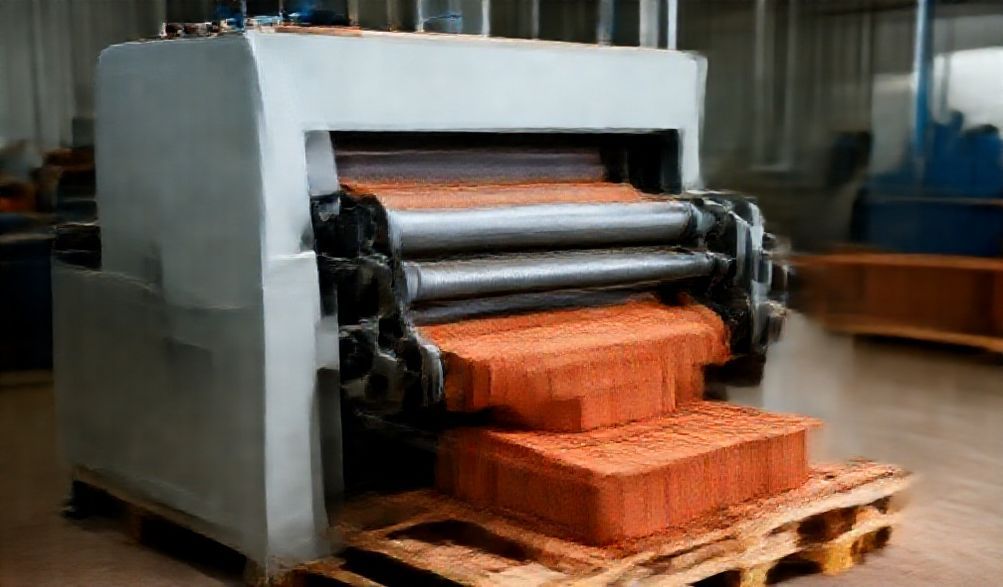
Custo da Máquina de Fabricar Tijolos de Barro: Um Guia do Comprador e Análise de Preços para 2026
Se você está lendo isto, provavelmente está num momento decisivo. Você é dono de uma pequena empresa, gerente de uma construtora ou um empreendedor com a visão de aproveitar a demanda constante por materiais de construção. Você sabe que os tijolos de barro são um produto básico, e produzi-los pode ser um negócio lucrativo. Mas a primeira, e mais assustadora, pergunta é:O que é uma máquina para fazer tijolos de barrona verdadecusto?
É uma pergunta inteligente, mas a resposta raramente é um número simples. O preço que você vê online é apenas a ponta do iceberg. Uma máquina que parece ser uma pechincha pode se tornar um poço sem fundo, enquanto um investimento inicial mais alto pode abrir caminho para anos de operação eficiente e lucrativa.
Este guia foi concebido para conduzi-lo de uma mentalidade focada no preço para uma abordagem orientada pelo valor. Não nos limitaremos a listar números; vamos dissecar os fatores que os determinam, desde prensas manuais básicas até complexas plantas industriais totalmente automatizadas. Mais importante ainda, vamos revelar os bastidores docusto total de propriedadeas despesas ocultas que separam um investimento bem-sucedido de um erro dispendioso. No final, você terá a estrutura para tomar uma decisão confiante e informada para o seu negócio em 2026 e além.
Compreendendo o que Determina o Custo de uma Máquina de Fabricar Tijolos
Antes de analisarmos qualquer faixa de preço, é crucial entender as principais variáveis em jogo. Pense nelas como os botões de um painel de controle; ajustar qualquer um deles impactará diretamente o custo final.
Capacidade de Produção (Blocos Por Hora)
Este é o fator de custo mais direto. A capacidade de produção é medida em tijolos ou blocos por hora (BPH) e escala com o preço.
* Pequena Escala (500 – 2.000 BPH):Ideal para startups, projetos comunitários ou para complementar trabalhos de construção existentes. Menor produção significa um preço mais baixo da máquina.
* Média Escala (2.000 – 10.000 BPH):O ponto ideal para pequenas e médias empresas (PMEs) sérias que visam fornecer para construtoras e empreiteiros locais.
* Industrial (10.000+ BPH):Para grandes plantas comerciais que abastecem mercados regionais. Este nível envolve linhas de produção completas, não apenas uma única máquina.
Nível de Automação: Manual, Semiautomático, Totalmente Automático
A automação é o fator principal que cria o vasto espectro de preços nesta indústria.
* Máquinas Manuais:Operado inteiramente por mão de obra humana (prensas de alavanca, moldagem manual). Eles têm o menor custo de capital, mas o maior custo contínuo de mão de obra e a menor consistência.
* Máquinas Semiautomáticas:Estes automatizam o processo central de compressão e ejeção, geralmente com um sistema elétrico ou hidráulico. Um operador ainda é necessário para alimentar a matéria-prima e remover os tijolos acabados. Eles oferecem o melhor equilíbrio entre eficiência e custo-benefício para empresas em crescimento.
* Linhas Totalmente Automáticas: These are integrated systems. They automatically handle material feeding, mixing, molding, curing, and stacking via conveyors and programmable logic controllers (PLCs). Labor is primarily for supervision and maintenance. The investment is significant, but the per-unit cost and labor requirement plummet at high volumes.
Machine Type & Brick Output
Not all bricks are created equal, and neither are the machines that make them.
* Tijolos Sólidos de Argila The standard. Machines for these are typically the baseline.
* Hollow Blocks or Interlocking Bricks: These require more complex mold designs and often higher compression forces to ensure structural integrity despite the voids, increasing cost.
* Pavers and Specialty Shapes: Creating textured pavers or custom architectural shapes involves precision-engineered, hardened steel molds, which are a significant added expense.
* Máquinas de Tijolos de Cinzas Volantes: While similar, these are often designed for a different material mix (ceititious vs. fired clay), which can influence the press mechanism and design.
Componentes Principais e Qualidade de Construção
This is where “cheap” and “cost-effective” violently part ways. The quality of core components dictates longevity, maintenance frequency, and product consistency.
* Estrutura e Estrutura: Heavy-duty, reinforced steel frames resist the immense forces of compression, preventing misalignment and wear.
* Sistema Hidráulico: The heart of an automatic machine. High-quality pumps, valves, and cylinders from reputable brands (e.g., Bosch Rexroth, Parker) are far more reliable and precise than generic systems.
* Material do Molde: Molds made from hardened, high-chrome steel can produce millions of bricks before needing replacement. Softer steel molds wear quickly, leading to defective bricks and frequent, costly downtime for replacement.
* Sistema de Controle: A basic relay system is cheaper but prone to failure. A modern PLC offers precision, diagnostics, and smoother operation, protecting your investment.
2026 Price Ranges for Clay Brick Making Machines
Disclaimer: The following price brackets are estimates for 2026 based on current market trends and inflation projections. Final costs vary dramatically by manufacturer, region, shipping, and specific configuration. Always request a formal, itemized quotation.
Manual & Small-Scale Machines ($1,000 – $15,000)
This range covers the most basic entry into brick production.
* O Que Você Obtém: Hand-operated lever presses, small single-phase electric vibrator presses, or very basic hydraulic machines with minimal output.
* Saída Típica: 200 – 1,500 bricks per hour.
* Prós:
* Extremely low initial investment.
* Simple to understand and operate.
* Baixo consumo de energia.
* Contras:
* Very high labor intensity.
* Inconsistent brick quality.
* Not suitable for commercial-scale profitability.
* High physical strain on operators.
Semi-Automatic Machines ($15,000 – $50,000)
This is the most competitive and popular segment for new businesses and SMEs looking to scale.
* O Que Você Obtém: A machine that automates the pressing cycle. Features often include an automatic feeder, a hydraulic compression system, and a mold that ejects the brick. The operator typically sets the pallet and initiates the cycle.
* Saída Típica: 1,500 – 5,000 bricks per hour.
* Prós:
* Excellent balance of cost and productivity.
* Good consistency in brick dimensions and density.
* Significantly reduced labor per brick compared to manual machines.
* Wide variety of models and capacities within this range.
Fully Automatic Production Lines ($50,000 – $300,000+)
This is a capital investment for established businesses targeting high-volume markets.
* O Que Você Obtém: A complete, synchronized system. This includes automated material conveyors, a programmable mixer, the main brick press, automatic pallet feeders, brick stackers, and a central PLC control panel. It’s a plant, not just a machine.
* Saída Típica: 5,000 – 20,000+ bricks per hour.
* Prós:
* Maximum output with minimal manual labor.
* Exceptional product consistency and quality control.
* Optimized material usage and lower waste.
* The only viable model for large-scale, competitive supply.
* Contras:
* Very high initial capital requirement.
* Requires significant space and infrastructure.
* Needs skilled technicians for maintenance and troubleshooting.
Beyond the Sticker Price: Calculating Total Investment
The machine’s price is just your entry ticket. The real cost of being in the brick-making business includes all the following.
Ancillary Equipment Costs
Your brick making machine is useless on its own. Budget for these essential supporting pieces:
* Clay Crusher & Grinder: To break down raw clay into a fine, consistent powder.
* Mixer (Pan or Double-Shaft): To homogeneously mix clay with water (and any additives).
* Correias Transportadoras: To move material between stages, especially in semi- and fully-automatic setups.
* Brick Drying Racks or Chambers: For the critical drying phase before firing. Natural drying requires space and time; artificial drying chambers require significant capital and energy.
* Forklift or Pallet Jack: For handling raw materials and stacks of finished bricks.
Installation, Commissioning, and Training
This is a critical, non-negotiable cost for anything beyond a manual machine.
* Professional Installation: Ensuring the machine is perfectly level, anchored, and connected to power/hydraulics is vital for its lifespan.
* Comissionamento: A factory technician should test-run the machine with your local materials, calibrate it, and ensure it meets performance specs.
* Operator & Maintenance Training: Proper training prevents costly mistakes, accidents, and premature wear. Factor in the cost of the trainer’s travel and time.
Operating Costs: Power, Labor, and Maintenance
Your ongoing monthly expenses will make or break your profit margins.
* Consumo de Energia: A fully automatic hydraulic line consumes substantial electricity. Calculate your local industrial power rates against the machine’s kW rating.
* Trabalho: Even automatic lines need supervisors, maintenance staff, and material handlers. Manual machines have very high labor costs per brick.
* Manutenção Preventiva: Budget 2-5% of the machine’s initial cost annually for routine maintenance (oil changes, filter replacements, bolt tightening).
* Spare Parts Fund: Hydraulic seals, hose lines, and mold wear parts will need replacement. Having a fund for this prevents catastrophic downtime.
Raw Material (Clay) Preparation Costs
The cost of the clay itself is only part of the story.
* Testing: You must test your clay source for plasticity, shrinkage, and mineral content. Poor clay can jam machines and produce bricks that crack.
* Aditivos: You may need to mix in sand, fly ash, or other materials to achieve the right properties, adding to material cost.
* Excavation & Transportation: If you own the land, factor in the cost of digging and moving the clay to your plant.
How to Get the Best Value for Your Investment
With so many variables, how do you ensure you’re making a smart choice? Focus on value, not just price.
Define Your Business Needs First
Answer these questions before you talk to a single supplier:
* What is my target daily/weekly production volume in Year 1? Year 3?
* What type of bricks are in highest demand in my local market?
* What is my realistic budget for the total setup (machine + ancillary equipment + installation)?
* What is the cost and availability of skilled labor in my area?
Key Questions to Ask Manufacturers & Suppliers
Arm yourself with this checklist during negotiations:
1. “Can you provide contact information for 2-3 clients in my region who use this model?”
2. “What is the warranty period for the hydraulic system, frame, and molds?”
3. “Do you have a local service technician or partner? What is the typical response time?”
4. “Can you supply a complete list of recommended spare parts with pricing?”
5. “Will you provide foundation drawings and electrical specifications in advance?”
The Importance of After-Sales Service & Parts Availability
A machine is a long-term partner. A reputable supplier with a strong service network is worth a premium. The cheapest machine from an unknown supplier with no local support can lead to months of downtime waiting for a single, overpriced spare part to ship from overseas.
New vs. Used Machines: A Risk/Reward Analysis
The used market can be tempting, but caution is paramount.
* Prós: Lower upfront cost; potentially faster availability.
* Contras:
* Unknown History: It may have been abused or poorly maintained.
* Zero or Expired Warranty: All repairs are out-of-pocket.
* Obsolete Technology: Finding replacement parts for old models can be impossible.
* No Training or Support: You’re on your own.
Recommendation: Only consider used equipment if you have a highly skilled mechanic on staff, can thoroughly inspect it under power, and have verified a reliable source for parts.
Perguntas Frequentes (FAQ)
Q: What is the cheapest clay brick making machine available?
A: Manual, hand-operated presses can start as low as $1,000. However, they are suitable only for very small, non-commercial projects like a personal homestead due to their high labor requirement and extremely low output.
Q: Can I get a good semi-automatic machine under $20,000?
A: Yes, it is possible. Several manufacturers offer entry-level semi-automatic models in the $15,000-$20,000 range, typically with capacities on the lower end (800-1500 bricks/hour). Be sure to scrutinize the build quality and component brands at this price point.
Q: How much profit can I make from a brick making machine?
A: Profitability is not guaranteed by the machine alone. It depends on your local brick selling price, your production volume, and most critically, your control over the total operational costs outlined in this article. A detailed business plan is essential.
Q: Are there financing options available for these machines?
A: Yes. Many established manufacturers and their regional dealers offer financing or leasing plans. Additionally, equipment loans from local banks or development agencies focused on small businesses are a common route for financing.
Q: How long does a typical brick making machine last?
A: With proper maintenance and operation, a well-built machine from a reputable manufacturer can have a productive lifespan of 10 to 20 years. Wear parts like molds, hydraulic seals, and hoses will need periodic replacement throughout that life.
Conclusão
The journey to understanding clay brick making machine cost is a journey from looking at a price tag to evaluating a business partnership. The true cost is a composite of the purchase price, the essential ancillary equipment, and the ongoing operational expenses.
Making the right choice hinges on one thing: aligning the machine’s capabilities with your specific business needs and growth projections. The most expensive machine isn’t the best—the most appropriate one is. Remember, the value of reliable after-sales support and accessible spare parts often outweighs the short-term savings of the lowest bid.
Use this guide as your framework. Define your needs, ask the hard questions, and always calculate the total investment. Then, move forward and request those detailed quotations. Your successful brick-making venture starts with an informed, value-driven decision.
<