
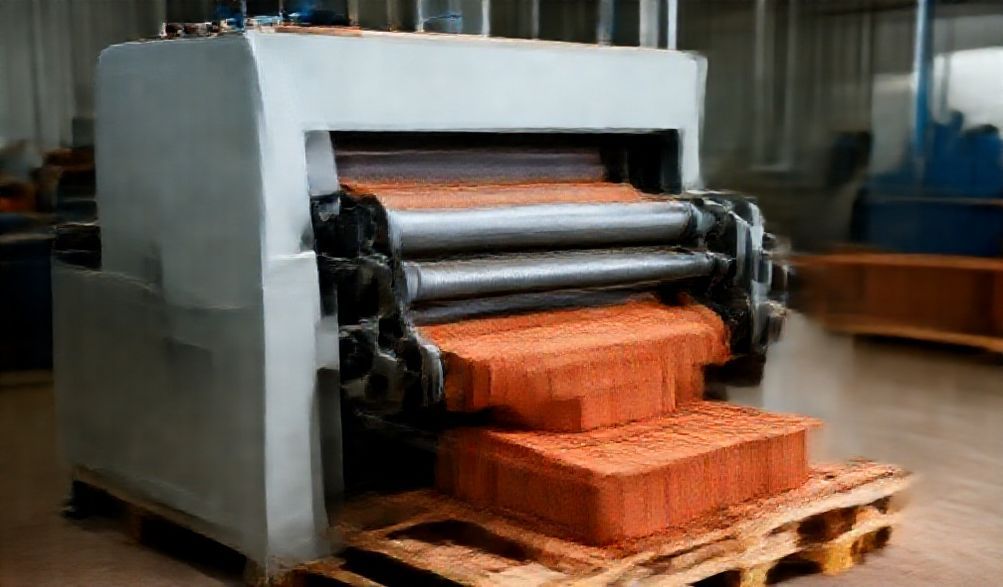
ค่าเครื่องทำอิฐดินเผา: คู่มือผู้ซื้อปี 2026 และการแจกแจงราคา
ถ้าคุณกำลังอ่านข้อความนี้อยู่ คุณน่าจะยืนอยู่ตรงทางแยกที่สำคัญ คุณเป็นเจ้าของธุรกิจขนาดเล็ก ผู้จัดการบริษัทก่อสร้าง หรือผู้ประกอบการที่มีวิสัยทัศน์ที่จะคว้าโอกาสจากความต้องการวัสดุก่อสร้างที่ยั่งยืน คุณรู้ดีว่าอิฐดินเผาคือวัสดุพื้นฐาน และการผลิตมันอาจเป็นกิจการที่ทำกำไรได้ แต่คำถามแรกและน่ากลัวที่สุดคือ:เครื่องจักรทำอิฐดินเผาคืออะไรจริงๆราคาเท่าไหร่
มันเป็นคำถามที่ฉลาด แต่คำตอบแทบจะไม่ใช่ตัวเลขง่ายๆ ราคาที่คุณเห็นออนไลน์เป็นเพียงยอดภูเขาน้ำแข็ง เครื่องจักรที่ดูเหมือนถูกอาจกลายเป็นหลุมเงิน ขณะที่การลงทุนเริ่มต้นที่สูงกว่าอาจปูทางสู่การทำงานที่มีประสิทธิภาพและทำกำไรได้ยาวนานหลายปี
คู่มือนี้ถูกออกแบบมาเพื่อนำคุณจากความใส่ใจในราคาไปสู่การขับเคลื่อนด้วยคุณค่า เราจะไม่เพียงแค่ระบุตัวเลข แต่จะวิเคราะห์สิ่งที่ขับเคลื่อนพวกมัน ตั้งแต่เครื่องอัดแบบใช้มือที่เรียบง่ายไปจนถึงโรงงานอุตสาหกรรมแบบอัตโนมัติเต็มรูปแบบ ที่สำคัญกว่านั้น เราจะเผยเบื้องหลังของต้นทุนรวมในการเป็นเจ้าของค่าใช้จ่ายที่ซ่อนเร้นซึ่งแยกการลงทุนที่ประสบความสำเร็จออกจากความผิดพลาดที่แสนแพง เมื่อคุณอ่านจบ คุณจะมีกรอบความคิดเพื่อตัดสินใจอย่างมั่นใจและรอบรู้สำหรับธุรกิจของคุณในปี 2026 และต่อไปในอนาคต
ทำความเข้าใจปัจจัยที่กำหนดต้นทุนของเครื่องทำอิฐ
ก่อนที่เราจะพิจารณาช่วงราคาใดๆ สิ่งสำคัญคือต้องเข้าใจตัวแปรหลักที่มีบทบาทอยู่ จงมองสิ่งเหล่านี้เป็นเหมือนปุ่มปรับบนแผงควบคุม การปรับเปลี่ยนตัวใดตัวหนึ่งจะส่งผลกระทบโดยตรงต่อต้นทุนสุดท้าย
กำลังการผลิต (ก้อนต่อชั่วโมง)
นี่คือตัวขับเคลื่อนต้นทุนโดยตรงที่สุด ความสามารถในการผลิตวัดเป็นอิฐหรือบล็อกต่อชั่วโมง (BPH) และปรับสเกลตามราคา
* ขนาดเล็ก (500 – 2,000 BPH):เหมาะสำหรับสตาร์ทอัพ โครงการชุมชน หรือเสริมงานก่อสร้างที่มีอยู่ ผลผลิตที่ต่ำกว่าหมายถึงราคาเครื่องจักรที่ต่ำกว่า
* ขนาดกลาง (2,000 – 10,000 BPH):จุดที่เหมาะสมสำหรับวิสาหกิจขนาดกลางและย่อม (SMEs) ที่มุ่งเน้นการจัดหาวัสดุให้กับผู้รับเหมาและผู้สร้างในท้องถิ่น
* อุตสาหกรรมขนาดใหญ่ (10,000+ BPH)สำหรับโรงงานอุตสาหกรรมขนาดใหญ่ที่จัดหาตลาดระดับภูมิภาค ระดับนี้เกี่ยวข้องกับสายการผลิตที่สมบูรณ์ ไม่ใช่แค่เครื่องจักรเครื่องเดียว
ระดับการทำงานอัตโนมัติ: แบบใช้คน, กึ่งอัตโนมัติ, อัตโนมัติเต็มรูปแบบ
ระบบอัตโนมัติเป็นปัจจัยหลักที่สร้างช่วงราคากว้างขวางในอุตสาหกรรมนี้
* เครื่องจักรที่ใช้แรงคนดำเนินการโดยใช้แรงงานมนุษย์ทั้งหมด (การกดคันโยก การขึ้นรูปด้วยมือ) มีต้นทุนเงินทุนต่ำที่สุด แต่มีต้นทุนแรงงานที่ดำเนินการสูงที่สุดและความสม่ำเสมอต่ำที่สุด
* เครื่องจักรกึ่งอัตโนมัติ:ระบบเหล่านี้ทำงานโดยอัตโนมัติในกระบวนการอัดแกนกลางและการดีดอิฐออกจากแม่พิมพ์ มักใช้ระบบไฟฟ้าหรือไฮดรอลิก โดยยังต้องมีผู้ควบคุมคอยป้อนวัตถุดิบและนำอิฐสำเร็จรูปออกมา ซึ่งระบบนี้ให้ความสมดุลระหว่างประสิทธิภาพและราคาที่ดีที่สุดสำหรับธุรกิจที่กำลังเติบโต
* สายการผลิตอัตโนมัติเต็มรูปแบบนี่คือระบบแบบบูรณาการ โดยจัดการการป้อนวัสดุ การผสม การขึ้นรูป การบ่ม และการจัดซ้อนโดยอัตโนมัติผ่านสายพานลำเลียงและตัวควบคุมลอจิกที่โปรแกรมได้ (PLC) แรงงานส่วนใหญ่ใช้เพื่อการดูแลและบำรุงรักษา การลงทุนมีจำนวนมาก แต่ต้นทุนต่อหน่วยและความต้องการแรงงานลดลงอย่างมากเมื่อผลิตในปริมาณสูง
ประเภทเครื่องจักรและผลผลิตอิฐ
อิฐทุกก้อนไม่ได้ถูกสร้างขึ้นมาเท่าเทียมกัน และเครื่องจักรที่ผลิตพวกมันก็เช่นกัน
* อิฐดินเหนียวทึบมาตรฐาน เครื่องจักรสำหรับสิ่งเหล่านี้มักจะเป็นพื้นฐาน
* บล็อกก่อสร้างหรืออิฐบล็อกประสานสิ่งเหล่านี้ต้องการการออกแบบแม่พิมพ์ที่ซับซ้อนมากขึ้น และมักต้องใช้แรงอัดที่สูงกว่าเพื่อให้มั่นใจในความสมบูรณ์ของโครงสร้างแม้จะมีช่องว่าง ซึ่งทำให้ต้นทุนเพิ่มขึ้น
* บล็อคปูพื้นและรูปทรงเฉพาะทางการทำแผ่นพื้นผิวหรือรูปทรงทางสถาปัตยกรรมที่กำหนดเองต้องใช้แม่พิมพ์เหล็กชุบแข็งที่มีความแม่นยำสูง ซึ่งเป็นค่าใช้จ่ายเพิ่มเติมที่สำคัญ
* เครื่องผลิตอิฐเถ้าลอย:ถึงแม้จะคล้ายกัน แต่สิ่งเหล่านี้มักถูกออกแบบสำหรับส่วนผสมของวัสดุที่แตกต่างกัน (ซีเมนต์เทียบกับดินเผา) ซึ่งอาจส่งผลต่อกลไกและการออกแบบของแท่นพิมพ์
ส่วนประกอบหลักและคุณภาพการประกอบ
นี่คือจุดที่ "ราคาถูก" กับ "คุ้มค่า" แยกทางกันอย่างชัดเจน คุณภาพของชิ้นส่วนหลักเป็นตัวกำหนดอายุการใช้งาน ความถี่ในการบำรุงรักษา และความสม่ำเสมอของผลิตภัณฑ์
* กรอบและโครงสร้างโครงเหล็กเสริมความแข็งแรงทนทานต่อแรงอัดมหาศาล ป้องกันการเยื้องศูนย์และการสึกหรอ
* ระบบไฮดรอลิกหัวใจของเครื่องจักรอัตโนมัติ ปั๊ม วาล์ว และกระบอกสูบคุณภาพสูงจากแบรนด์ที่มีชื่อเสียง (เช่น Bosch Rexroth, Parker) มีความน่าเชื่อถือและแม่นยำมากกว่าระบบทั่วไปอย่างเห็นได้ชัด
* วัสดุแม่พิมพ์ Molds made from hardened, high-chrome steel can produce millions of bricks before needing replacement. Softer steel molds wear quickly, leading to defective bricks and frequent, costly downtime for replacement.
* ระบบควบคุม A basic relay system is cheaper but prone to failure. A modern PLC offers precision, diagnostics, and smoother operation, protecting your investment.
2026 Price Ranges for Clay Brick Making Machines
Disclaimer: The following price brackets are estimates for 2026 based on current market trends and inflation projections. Final costs vary dramatically by manufacturer, region, shipping, and specific configuration. Always request a formal, itemized quotation.
Manual & Small-Scale Machines ($1,000 – $15,000)
This range covers the most basic entry into brick production.
* What You Get: Hand-operated lever presses, small single-phase electric vibrator presses, or very basic hydraulic machines with minimal output.
* ผลลัพธ์ทั่วไป: 200 – 1,500 bricks per hour.
* ข้อดี:
* Extremely low initial investment.
* Simple to understand and operate.
* Low power consumption.
* ข้อเสีย
* Very high labor intensity.
* Inconsistent brick quality.
* Not suitable for commercial-scale profitability.
* High physical strain on operators.
Semi-Automatic Machines ($15,000 – $50,000)
This is the most competitive and popular segment for new businesses and SMEs looking to scale.
* What You Get: A machine that automates the pressing cycle. Features often include an automatic feeder, a hydraulic compression system, and a mold that ejects the brick. The operator typically sets the pallet and initiates the cycle.
* ผลลัพธ์ทั่วไป: 1,500 – 5,000 bricks per hour.
* ข้อดี:
* Excellent balance of cost and productivity.
* Good consistency in brick dimensions and density.
* Significantly reduced labor per brick compared to manual machines.
* Wide variety of models and capacities within this range.
Fully Automatic Production Lines ($50,000 – $300,000+)
This is a capital investment for established businesses targeting high-volume markets.
* What You Get: A complete, synchronized system. This includes automated material conveyors, a programmable mixer, the main brick press, automatic pallet feeders, brick stackers, and a central PLC control panel. It’s a plant, not just a machine.
* ผลลัพธ์ทั่วไป: 5,000 – 20,000+ bricks per hour.
* ข้อดี:
* Maximum output with minimal manual labor.
* Exceptional product consistency and quality control.
* Optimized material usage and lower waste.
* The only viable model for large-scale, competitive supply.
* ข้อเสีย
* Very high initial capital requirement.
* Requires significant space and infrastructure.
* Needs skilled technicians for maintenance and troubleshooting.
Beyond the Sticker Price: Calculating Total Investment
The machine’s price is just your entry ticket. The real cost of being in the brick-making business includes all the following.
Ancillary Equipment Costs
Your brick making machine is useless on its own. Budget for these essential supporting pieces:
* Clay Crusher & Grinder: To break down raw clay into a fine, consistent powder.
* Mixer (Pan or Double-Shaft): To homogeneously mix clay with water (and any additives).
* สายพานลำเลียง: To move material between stages, especially in semi- and fully-automatic setups.
* Brick Drying Racks or Chambers: For the critical drying phase before firing. Natural drying requires space and time; artificial drying chambers require significant capital and energy.
* Forklift or Pallet Jack: For handling raw materials and stacks of finished bricks.
Installation, Commissioning, and Training
This is a critical, non-negotiable cost for anything beyond a manual machine.
* Professional Installation: Ensuring the machine is perfectly level, anchored, and connected to power/hydraulics is vital for its lifespan.
* Commissioning: A factory technician should test-run the machine with your local materials, calibrate it, and ensure it meets performance specs.
* Operator & Maintenance Training: Proper training prevents costly mistakes, accidents, and premature wear. Factor in the cost of the trainer’s travel and time.
Operating Costs: Power, Labor, and Maintenance
Your ongoing monthly expenses will make or break your profit margins.
* การใช้พลังงาน A fully automatic hydraulic line consumes substantial electricity. Calculate your local industrial power rates against the machine’s kW rating.
* แรงงาน Even automatic lines need supervisors, maintenance staff, and material handlers. Manual machines have very high labor costs per brick.
* การบำรุงรักษาเชิงป้องกัน Budget 2-5% of the machine’s initial cost annually for routine maintenance (oil changes, filter replacements, bolt tightening).
* Spare Parts Fund: Hydraulic seals, hose lines, and mold wear parts will need replacement. Having a fund for this prevents catastrophic downtime.
Raw Material (Clay) Preparation Costs
The cost of the clay itself is only part of the story.
* กำลังทดสอบ You must test your clay source for plasticity, shrinkage, and mineral content. Poor clay can jam machines and produce bricks that crack.
* สารเติมแต่ง You may need to mix in sand, fly ash, or other materials to achieve the right properties, adding to material cost.
* Excavation & Transportation: If you own the land, factor in the cost of digging and moving the clay to your plant.
How to Get the Best Value for Your Investment
With so many variables, how do you ensure you’re making a smart choice? Focus on value, not just price.
Define Your Business Needs First
Answer these questions before you talk to a single supplier:
* What is my target daily/weekly production volume in Year 1? Year 3?
* What type of bricks are in highest demand in my local market?
* What is my realistic budget for the total setup (machine + ancillary equipment + installation)?
* What is the cost and availability of skilled labor in my area?
Key Questions to Ask Manufacturers & Suppliers
Arm yourself with this checklist during negotiations:
1. “Can you provide contact information for 2-3 clients in my region who use this model?”
2. “What is the warranty period for the hydraulic system, frame, and molds?”
3. “Do you have a local service technician or partner? What is the typical response time?”
4. “Can you supply a complete list of recommended spare parts with pricing?”
5. “Will you provide foundation drawings and electrical specifications in advance?”
The Importance of After-Sales Service & Parts Availability
A machine is a long-term partner. A reputable supplier with a strong service network is worth a premium. The cheapest machine from an unknown supplier with no local support can lead to months of downtime waiting for a single, overpriced spare part to ship from overseas.
New vs. Used Machines: A Risk/Reward Analysis
The used market can be tempting, but caution is paramount.
* ข้อดี: Lower upfront cost; potentially faster availability.
* ข้อเสีย
* Unknown History: It may have been abused or poorly maintained.
* Zero or Expired Warranty: All repairs are out-of-pocket.
* Obsolete Technology: Finding replacement parts for old models can be impossible.
* No Training or Support: You’re on your own.
Recommendation: Only consider used equipment if you have a highly skilled mechanic on staff, can thoroughly inspect it under power, and have verified a reliable source for parts.
คำถามที่พบบ่อย (FAQ)
Q: What is the cheapest clay brick making machine available?
ก Manual, hand-operated presses can start as low as $1,000. However, they are suitable only for very small, non-commercial projects like a personal homestead due to their high labor requirement and extremely low output.
Q: Can I get a good semi-automatic machine under $20,000?
ก Yes, it is possible. Several manufacturers offer entry-level semi-automatic models in the $15,000-$20,000 range, typically with capacities on the lower end (800-1500 bricks/hour). Be sure to scrutinize the build quality and component brands at this price point.
Q: How much profit can I make from a brick making machine?
ก Profitability is not guaranteed by the machine alone. It depends on your local brick selling price, your production volume, and most critically, your control over the total operational costs outlined in this article. A detailed business plan is essential.
Q: Are there financing options available for these machines?
ก Yes. Many established manufacturers and their regional dealers offer financing or leasing plans. Additionally, equipment loans from local banks or development agencies focused on small businesses are a common route for financing.
Q: How long does a typical brick making machine last?
ก With proper maintenance and operation, a well-built machine from a reputable manufacturer can have a productive lifespan of 10 to 20 years. Wear parts like molds, hydraulic seals, and hoses will need periodic replacement throughout that life.
สรุป
The journey to understanding clay brick making machine cost is a journey from looking at a price tag to evaluating a business partnership. The true cost is a composite of the purchase price, the essential ancillary equipment, and the ongoing operational expenses.
Making the right choice hinges on one thing: aligning the machine’s capabilities with your specific business needs and growth projections. The most expensive machine isn’t the best—the most appropriate one is. Remember, the value of reliable after-sales support and accessible spare parts often outweighs the short-term savings of the lowest bid.
Use this guide as your framework. Define your needs, ask the hard questions, and always calculate the total investment. Then, move forward and request those detailed quotations. Your successful brick-making venture starts with an informed, value-driven decision.
<