
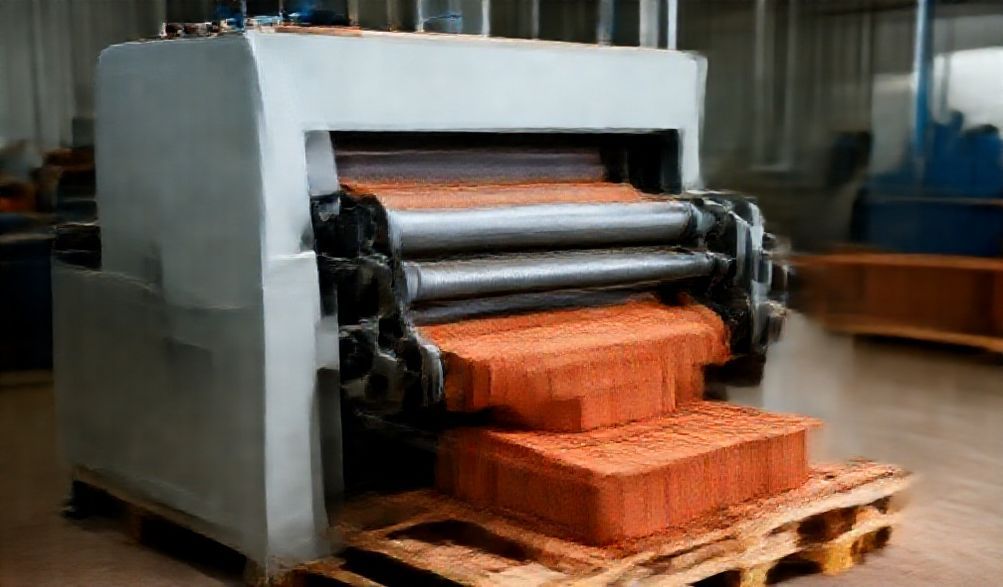
Makiinada Dhismaha Lebi ee Dhagaxa: Hage 2026 ee Iibsadayaasha & Qaybinta Qiimaha
Haddii aad akhrisanayso tan, waxaa la yaab leh inaad joogto meel muhiim ah. Waxaad tahay ganacsade yar, maamule shirkad dhismo, ama saaxiib ganacsi oo leh aragti inaad faa'iidayso dalabka joogtada ah ee alaabta dhismaha. Waad ogtahay in lebbiska dhoobo yahay alaab aasaasi ah, oo soo saaristiisa ay noqon karto mashruuc dakhli badan. Laakiin su'aasha ugu horreysa, oo ugu cabsi badan, waa:Waa maxay makiinada sameynta lebbiska dhoobodhab ahaanQiimo?
Waa su'aal farsamo leh, laakiin jawaabtu badanaa ma ahan lambar fudud. Qiimaha aad ku aragto internetka waa kaliya cirifka barafka. Makiinad la moodo inay jaban tahay waxay noqon kartaa god lacag ah, halka maalgelin bilow ah oo sarreeya uu dhinacyo badan u furi karo sannado ka shaqeyn wax ku ool ah oo faa'iido leh.
Hadaan ku turjumo af-Soomaaliga, waxaan ku siin doonaa qoraalka la turjumay oo keliya: Hagahan wuxuu loogu talagalay in kaa wareejiyo iibsashada qiimaha laga fiirsado ilaa kuwa qiimaha la raadsado. Ma aynu ku soo koobi doono tirada lambarada; waxaan u kala saari doonnaa waxa gacan ka geysta, laga bilaabo mashiinnada gacanta ee fudud ilaa warshadaha otomaatiga ah ee waaweyn. Muhiimkii, waxaan ka qaadi doonnaa daah ka qaadista waxa ka dambeeya...Qiimaha guud ee milkiinta—khidmadaha qarsoon ee ka dhexeeya maalgelin guuleystay iyo khalad qiimo badan. Dhamaadka, waxaad yeelan doontaa qaabka loo sameeyo go’aan kalsooni leh, oo la xog-ogaaday shirkaddaada 2026 iyo ka dib.
Fahaminta Waxa U Horseeda Qiimaha Mashinka Dhismo Lebiska
Kahor intaanan eegno kala duwanaanshaha qiimaha, waa muhiim inaan fahanno doorsoomayaasha muhiimka ah ee ka dhaca. U fikir sidii diyaaradaha kala-guurka ee sanduuqa maamulka; mid kasta oo aad hagaajisid si toos ah ayaa saamayn doona qiimaha ugu dambeeya.
Wax soo saarka (Qalabka Saacadda)
Tani waa sababta ugu toos ee kicinta kharashka. Awoodda soo saarka waxaa lagu cabiraa birqad ama blooko kala duwan saacaddiiba (BPH), waxayna la socotaa qiimaha.
* Wax-Yar (500 – 2,000 BPH):Waxa ugu habboon mashruucyada bilowga ah, mashruucyada bulshada, ama kaabista shaqada dhismaha ee jira. Soo saarista hooseysa waxay keentaa qiime dhimis mashinada.
* Heerka Dhexe (2,000 – 10,000 BPH):Meel u gaar ah ganacsato yar-yar ilaa dhexdhexaad ah (SMEs) oo ujeeddo leh u siinta dhismayaasha iyo khadamada maxalliga ah.
* Warshadaha Waaweyn (10,000+ BPH):Warshada waaweyn ee ganacsiga ee bixisa suuqyada gobolka. Heerkani wuxuu ku lug leeyahay xidhiidhka soosaarka oo dhan, maahan makiinad kaliya.
Heerka Automation-ka: Gacanta, Nus-otomaatig ah, Otomaatig Buuxa
Automayshon ayaa ah sababta ugu muhiimsan ee abuurta kala duwanaanshaha qiimaha ballaaran ee waddanadan.
* Makiinada Gacanta:Waxaa gacanta lagu wada shaqeeyaa (riixista liifarada, qaabeynta gacanta). Waxay leeyihiin qiimaha ugu yar ee maalgelinta laakiin qiimaha ugu sarreeya ee shaqada socota iyo isku midka ugu hooseeya.
* Makiinnada Yar-otoomaatig ah:Kuwaasu waxay u dhaqaaqiyaan habka aasaasiga ah ee cidhifka iyo saarista, inta badan iyagoo adeegsanaya nidaam koronto ama biyoodhac. Waxaa weli loo baahan yahay hawl-wade si uu u siiyo qalabka bilowga ah oo uu ka saaro birqiyada la dhameeyay. Waxay bixiyaan isku dheelitirka ugu fiican ee wax soo saarka iyo qiimo jaban ganacsiga koraya.
* Khadadka Toos ah Oo Si Toos ah u SocdaKuwan waa nidaamyada is-dhexgalka ah. Si toos ah ayay u maamulaan soo saarista alaabta, isku-dhafka, qaabeynta, daaweynta, iyo isku-dhajinta iyagoo isticmaalaya conveyors iyo programmable logic controllers (PLLCs). Shaqaalaha waxaa ugu weyn qayb ka qaadashada iyo dayactirka. Maalgashaduna waa weyn, laakiin qiimaha hal-qofka iyo baahida shaqaalahu aad ayay u yaraan marka soo saarista ay tiro badan tahay.
Nooca Mashinka & Soo saarista Lebiska
Not dhammaan lebiska waa la sima, mana aha kuwa macluumaadka ah ee samaysta.
* Brikiyada Dhoobo ee Culus:Qaabka caadiga ah. Makiinadaha loogu talagalay waa kuwa aasaasiga ah.
* Balooyin Madow ama Lebi Isku-xirxira: These require more complex mold designs and often higher compression forces to ensure structural integrity despite the voids, increasing cost.
* Pavers and Specialty Shapes: Creating textured pavers or custom architectural shapes involves precision-engineered, hardened steel molds, which are a significant added expense.
* Makiinadaha Lebi Dhuxulka ee Dhagaxa. While similar, these are often designed for a different material mix (ceititious vs. fired clay), which can influence the press mechanism and design.
Qaybaha Muhiimka ah & Tayooyinka Dhismaha
This is where “cheap” and “cost-effective” violently part ways. The quality of core components dictates longevity, maintenance frequency, and product consistency.
* Qaabka & Qaabka Dhismaha Heavy-duty, reinforced steel frames resist the immense forces of compression, preventing misalignment and wear.
* Nidaamka Hydraulic: The heart of an automatic machine. High-quality pumps, valves, and cylinders from reputable brands (e.g., Bosch Rexroth, Parker) are far more reliable and precise than generic systems.
* Mold Material: Molds made from hardened, high-chrome steel can produce millions of bricks before needing replacement. Softer steel molds wear quickly, leading to defective bricks and frequent, costly downtime for replacement.
* Nidaamka Maamulka: A basic relay system is cheaper but prone to failure. A modern PLC offers precision, diagnostics, and smoother operation, protecting your investment.
2026 Price Ranges for Clay Brick Making Machines
Disclaimer: The following price brackets are estimates for 2026 based on current market trends and inflation projections. Final costs vary dramatically by manufacturer, region, shipping, and specific configuration. Always request a formal, itemized quotation.
Manual & Small-Scale Machines ($1,000 – $15,000)
This range covers the most basic entry into brick production.
* What You Get: Hand-operated lever presses, small single-phase electric vibrator presses, or very basic hydraulic machines with minimal output.
* Soo-saar Caadi ah: 200 – 1,500 bricks per hour.
* Faaiidooyinka:
* Extremely low initial investment.
* Simple to understand and operate.
* Low power consumption.
* Laba.
* Very high labor intensity.
* Inconsistent brick quality.
* Not suitable for commercial-scale profitability.
* High physical strain on operators.
Semi-Automatic Machines ($15,000 – $50,000)
This is the most competitive and popular segment for new businesses and SMEs looking to scale.
* What You Get: A machine that automates the pressing cycle. Features often include an automatic feeder, a hydraulic compression system, and a mold that ejects the brick. The operator typically sets the pallet and initiates the cycle.
* Soo-saar Caadi ah: 1,500 – 5,000 bricks per hour.
* Faaiidooyinka:
* Excellent balance of cost and productivity.
* Good consistency in brick dimensions and density.
* Significantly reduced labor per brick compared to manual machines.
* Wide variety of models and capacities within this range.
Fully Automatic Production Lines ($50,000 – $300,000+)
This is a capital investment for established businesses targeting high-volume markets.
* What You Get: A complete, synchronized system. This includes automated material conveyors, a programmable mixer, the main brick press, automatic pallet feeders, brick stackers, and a central PLC control panel. It’s a plant, not just a machine.
* Soo-saar Caadi ah: 5,000 – 20,000+ bricks per hour.
* Faaiidooyinka:
* Maximum output with minimal manual labor.
* Exceptional product consistency and quality control.
* Optimized material usage and lower waste.
* The only viable model for large-scale, competitive supply.
* Laba.
* Very high initial capital requirement.
* Requires significant space and infrastructure.
* Needs skilled technicians for maintenance and troubleshooting.
Beyond the Sticker Price: Calculating Total Investment
The machine’s price is just your entry ticket. The real cost of being in the brick-making business includes all the following.
Ancillary Equipment Costs
Your brick making machine is useless on its own. Budget for these essential supporting pieces:
* Clay Crusher & Grinder: To break down raw clay into a fine, consistent powder.
* Mixer (Pan or Double-Shaft): To homogeneously mix clay with water (and any additives).
* Kooriyaha Kala Wareega To move material between stages, especially in semi- and fully-automatic setups.
* Brick Drying Racks or Chambers: For the critical drying phase before firing. Natural drying requires space and time; artificial drying chambers require significant capital and energy.
* Forklift or Pallet Jack: For handling raw materials and stacks of finished bricks.
Installation, Commissioning, and Training
This is a critical, non-negotiable cost for anything beyond a manual machine.
* Professional Installation: Ensuring the machine is perfectly level, anchored, and connected to power/hydraulics is vital for its lifespan.
* Commissioning: A factory technician should test-run the machine with your local materials, calibrate it, and ensure it meets performance specs.
* Operator & Maintenance Training: Proper training prevents costly mistakes, accidents, and premature wear. Factor in the cost of the trainer’s travel and time.
Operating Costs: Power, Labor, and Maintenance
Your ongoing monthly expenses will make or break your profit margins.
* Isticmaalka Korontada: A fully automatic hydraulic line consumes substantial electricity. Calculate your local industrial power rates against the machine’s kW rating.
* Shaqo: Even automatic lines need supervisors, maintenance staff, and material handlers. Manual machines have very high labor costs per brick.
* Preventive Maintenance: Budget 2-5% of the machine’s initial cost annually for routine maintenance (oil changes, filter replacements, bolt tightening).
* Spare Parts Fund: Hydraulic seals, hose lines, and mold wear parts will need replacement. Having a fund for this prevents catastrophic downtime.
Raw Material (Clay) Preparation Costs
The cost of the clay itself is only part of the story.
* Testing: You must test your clay source for plasticity, shrinkage, and mineral content. Poor clay can jam machines and produce bricks that crack.
* Ku darista: You may need to mix in sand, fly ash, or other materials to achieve the right properties, adding to material cost.
* Excavation & Transportation: If you own the land, factor in the cost of digging and moving the clay to your plant.
How to Get the Best Value for Your Investment
With so many variables, how do you ensure you’re making a smart choice? Focus on value, not just price.
Define Your Business Needs First
Answer these questions before you talk to a single supplier:
* What is my target daily/weekly production volume in Year 1? Year 3?
* What type of bricks are in highest demand in my local market?
* What is my realistic budget for the total setup (machine + ancillary equipment + installation)?
* What is the cost and availability of skilled labor in my area?
Key Questions to Ask Manufacturers & Suppliers
Arm yourself with this checklist during negotiations:
1. “Can you provide contact information for 2-3 clients in my region who use this model?”
2. “What is the warranty period for the hydraulic system, frame, and molds?”
3. “Do you have a local service technician or partner? What is the typical response time?”
4. “Can you supply a complete list of recommended spare parts with pricing?”
5. “Will you provide foundation drawings and electrical specifications in advance?”
The Importance of After-Sales Service & Parts Availability
A machine is a long-term partner. A reputable supplier with a strong service network is worth a premium. The cheapest machine from an unknown supplier with no local support can lead to months of downtime waiting for a single, overpriced spare part to ship from overseas.
New vs. Used Machines: A Risk/Reward Analysis
The used market can be tempting, but caution is paramount.
* Faaiidooyinka: Lower upfront cost; potentially faster availability.
* Laba.
* Unknown History: It may have been abused or poorly maintained.
* Zero or Expired Warranty: All repairs are out-of-pocket.
* Obsolete Technology: Finding replacement parts for old models can be impossible.
* No Training or Support: You’re on your own.
Recommendation: Only consider used equipment if you have a highly skilled mechanic on staff, can thoroughly inspect it under power, and have verified a reliable source for parts.
Su'aalaha Inta Badan La Is Weydiiyo (FAQ)
Q: What is the cheapest clay brick making machine available?
A: Manual, hand-operated presses can start as low as $1,000. However, they are suitable only for very small, non-commercial projects like a personal homestead due to their high labor requirement and extremely low output.
Q: Can I get a good semi-automatic machine under $20,000?
A: Yes, it is possible. Several manufacturers offer entry-level semi-automatic models in the $15,000-$20,000 range, typically with capacities on the lower end (800-1500 bricks/hour). Be sure to scrutinize the build quality and component brands at this price point.
Q: How much profit can I make from a brick making machine?
A: Profitability is not guaranteed by the machine alone. It depends on your local brick selling price, your production volume, and most critically, your control over the total operational costs outlined in this article. A detailed business plan is essential.
Q: Are there financing options available for these machines?
A: Yes. Many established manufacturers and their regional dealers offer financing or leasing plans. Additionally, equipment loans from local banks or development agencies focused on small businesses are a common route for financing.
Q: How long does a typical brick making machine last?
A: With proper maintenance and operation, a well-built machine from a reputable manufacturer can have a productive lifespan of 10 to 20 years. Wear parts like molds, hydraulic seals, and hoses will need periodic replacement throughout that life.
Gabagabo
The journey to understanding clay brick making machine cost is a journey from looking at a price tag to evaluating a business partnership. The true cost is a composite of the purchase price, the essential ancillary equipment, and the ongoing operational expenses.
Making the right choice hinges on one thing: aligning the machine’s capabilities with your specific business needs and growth projections. The most expensive machine isn’t the best—the most appropriate one is. Remember, the value of reliable after-sales support and accessible spare parts often outweighs the short-term savings of the lowest bid.
Use this guide as your framework. Define your needs, ask the hard questions, and always calculate the total investment. Then, move forward and request those detailed quotations. Your successful brick-making venture starts with an informed, value-driven decision.
<