
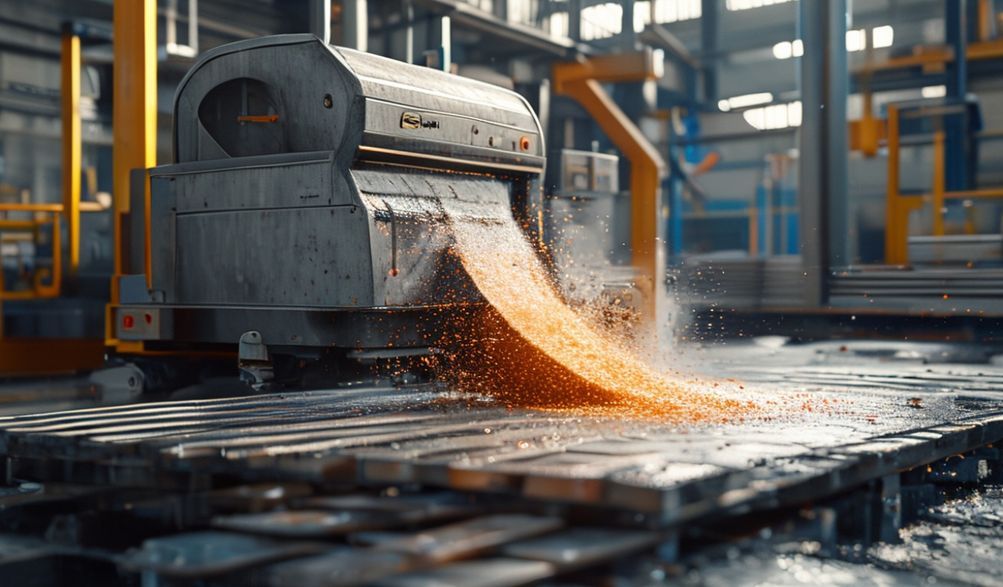
Полное руководство по машинам для производства бетонных блоков: типы, применение и как выбрать
Введение
Знаете ли вы, что бетонные блоки являются одним из самых востребованных строительных материалов на планете, ежегодно производятся миллиарды штук? От фундаментов небоскребов до подпорных стенок на заднем дворе — скромный бетонный блок служит краеугольным камнем современного строительства. Но за каждым однородным и прочным блоком стоит критически важное оборудование: станок для производства бетонных блоков.
Это всеобъемлющее руководство создано как ваш авторитетный источник информации. Независимо от того, являетесь ли вы подрядчиком, стремящимся оптимизировать производство материалов на объекте, менеджером по закупкам, подбирающим оборудование для крупного предприятия, или предпринимателем, изучающим возможности в сфере производства, принятие обоснованного решения имеет первостепенное значение. Основанное на отраслевых знаниях, технических характеристиках и практических операционных аспектах, это руководство прольет свет на оборудование для производства бетонных блоков.
Вы изучите основные принципы их работы, познакомитесь с различными типами устройств и получите практические рекомендации по выбору подходящего оборудования для ваших конкретных задач. Мы также рассмотрим ключевые принципы эффективной эксплуатации, графики технического обслуживания и даже экономическое обоснование инвестиций, что позволит вам принимать решения, повышающие производительность, качество и прибыльность.
Что такое станок для производства бетонных блоков? Основные принципы и работа
Машина для производства бетонных блоков — это устройство, предназначенное для изготовления стеновых бетонных блоков (CMU) путём уплотнения смеси цемента, заполнителей и воды в форме определённой конфигурации и размера. Основной принцип работы един для всех типов: преобразование полусухой бетонной смеси в высокоплотный, точно сформированный блок, готовый к отвердению. Эффективность, масштаб и уровень автоматизации этого процесса определяют категорию машины.
Основная механика: от сырья до готового блока
Преобразование следует определенной последовательности:
1. Смешивание:Сырьевые материалы (обычно цемент, песок, гравий или щебень) смешивают с точным количеством воды в смесителе для получения однородной полусухой бетонной смеси. Влажность имеет решающее значение — если смесь слишком влажная, блок осядет; если слишком сухая, он не уплотнится должным образом.
2. Формование:Смесь заливается в форму или "опалубку", которая определяет форму блока (например, пустотелый, полнотелый, тротуарный).
3. Уплотнение:Это самый критический этап. Машина использует комбинациювысокочастотная вибрацияигидравлическое или механическое давление(тоннаж) для уплотнения смеси, устранения воздушных карманов и достижения требуемой плотности и прочности.
4. Демонтаж и отверждение:Свежесформированный, или "сырой", блок выталкивается из формы на поддон или на землю. Затем он проходит процесс отверждения, в ходе которого набирает прочность в течение нескольких дней за счет контролируемой влажности и температуры, часто в специальной камере для отверждения.
Ключевые компоненты стандартной машины
Понимание основных компонентов помогает в эксплуатации и устранении неполадок:
* Хоппер:Содержит сырую бетонную смесь перед формованием.
* Миксер:Смешивает ингредиенты (встроено в некоторых моделях, отдельно в других).
* Форма/Формовочный ящик:Основной инструмент, формирующий блок. Сменные формы позволяют одному станку производить различные типы блоков.
* Система вибратора:Обычно это электрический или гидравлический вибратор, который уплотняет бетонную смесь в форме.
* Система уплотнения:Гидравлический плунжер или механический рычаг прикладывает окончательное усилие прессования.
* Система управления:Диапазон варьируется от простых рычагов на ручных станках до панелей программируемых логических контроллеров (ПЛК) на автоматических моделях, управляющих производственным циклом.
* Система циркуляции поддонов (в автоматических моделях):Перемещает поддоны через машину для выталкивания блоков и транспортировки в зону отверждения.
Роль автоматизации в современном производстве блоков
Автоматизация произвела революцию в производстве блоков. Современные машины используют программируемые логические контроллеры (ПЛК) для управления каждым параметром — временем вибрации, давлением, количеством подачи — гарантируя, что каждый блок идентичен. Автоматические податчики поддонов, штабелёры и кубовые конвейеры значительно сокращают ручной труд, увеличивают производительность (иногда до тысяч блоков в час) и повышают безопасность операторов. Этот технологический сдвиг является ключевым отличительным признаком между типами машин.
Виды машин для производства бетонных блоков: как выбрать подходящую
Выбор подходящего оборудования зависит от масштабов производства, бюджета и наличия рабочей силы. Отраслевая практика показывает, что соответствие типа машины масштабу проекта — это первый шаг к успешной работе.
Ручные станки для производства бетонных блоков
Это самые простые механизмы, приводимые в действие силой человека.
* Идеально подходит для:Мелкомасштабные проекты (например, строительство отдельного дома, садовой стены), стартапы с минимальным капиталом или регионы с очень низкой стоимостью рабочей силы.
* Операция:Оператор вручную заполняет форму, приводит в действие рычаг для приложения вибрации/давления, а затем извлекает блок из формы.
* Плюсы:
* Очень низкие первоначальные инвестиции.
* Простота в эксплуатации и обслуживании.
* Не требуется питание (для чисто механических моделей).
* Минусы:
* Очень низкая производительность (обычно 100-500 блоков за 8-часовую смену).
Высокая трудоемкость и физическая нагрузка.
* Несогласованность качества блоков из-за человеческого фактора.
Полуавтоматические машины для производства бетонных блоков
Эти машины автоматизируют критически важные этапы уплотнения и вибрации, но требуют ручного вмешательства для подачи смеси и извлечения готовых блоков.
* Идеально подходит для:Среднесерийное производство для местных строительных компаний, снабжение небольших жилых комплексов или периодическое изготовление специализированных блоков.
* Операция: The operator feeds mix into the hopper, and the machine automates the molding, compaction, and demolding cycle. Blocks are then manually removed and stacked for curing.
* Плюсы:
* Good balance between cost, output, and quality consistency.
* Higher output than manual machines (e.g., 800-2,000 blocks per shift).
* Significantly improves block density and uniformity.
* Минусы:
* Still requires several operators for material handling and block removal.
* Output is limited by manual handling speed.
Fully Automatic Concrete Block Machines
These are complete production systems, automating the entire process from raw material feeding to block stacking.
* Идеально подходит для: Large-scale commercial plants, high-volume infrastructure projects, and businesses where consistent, high-throughput production is critical.
* Операция: With a PLC control panel, the machine manages material batching, mixing, molding, compaction, curing pallet circulation, and block stacking. Operators primarily monitor the system and perform maintenance.
* Плюсы:
* Very high, consistent output (can exceed 10,000 blocks per 8-hour shift).
* Exceptional quality control and dimensional accuracy.
* Drastically reduced direct labor costs per block.
* Минусы:
* High initial capital investment.
* Requires significant space, a strong foundation, and three-phase power.
* More complex maintenance requiring technical skill.
Mobile Block Machines vs. Stationary Plants
This is a crucial strategic choice:
* Мобильные блок-машины: Mounted on a trailer, these are designed for on-site production. They eliminate transport costs for blocks and are perfect for large, remote projects like dams, road construction, or large-scale rural housing. They are typically semi-automatic.
* Стационарные установки: Fixed installations at a factory or yard. They benefit from optimized layouts, easier integration with curing systems, and can house larger, fully automatic lines. They supply a market from a central location.
Key Factors to Consider When Choosing a Machine
Moving beyond basic type, a deep dive into specifications and requirements is necessary for a trustworthy investment decision.
Оценка ваших производственных потребностей
Ask these questions first:
* Ежедневный/еженедельный вывод: How many blocks do you need to produce to meet demand?
* Типы и размеры блоков: Will you produce standard hollow blocks, solid blocks, pavers, interlocking blocks, or specialty shapes? Each may require different mold kits.
* Масштаб проекта и сроки выполнения:这是用于一次性项目还是持续业务?
Технические характеристики машин: углубленный анализ
Compare these technical specs across models:
* Время цикла: The time to produce one block or one mold of blocks. Faster cycles mean higher output.
* Mold Capacity: How many blocks are produced per cycle (e.g., 3-block mold, 6-block mold).
* Давление (Тоннаж): The compaction force, measured in tons. Higher tonnage (e.g., 150+ tons) produces denser, stronger blocks suitable for load-bearing applications.
* Требования к питанию: Manual (none), single-phase (for small semi-autos), or industrial three-phase power (for automatic plants).
Quality of Output: What to Look For
Request sample blocks from a machine you’re considering. Evaluate:
* Density & Strength: A well-compacted block should feel heavy and solid.
* Точность размеров: Measure samples. They must be consistent and within standard tolerances (e.g., +/- 1.5mm).
* Чистота поверхности: Should be smooth, without cracks or chips.
* Последовательность: Ten blocks should look and feel virtually identical.
Total Cost of Ownership: Beyond the Purchase Price
The smartest buyers look at lifetime cost:
* Первоначальные инвестиции: Machine price, mold costs, and installation.
* Операционные расходы: Electricity consumption, labor wages, and raw material costs per block.
* Maintenance & Parts: Availability and cost of wear parts (mold liners, vibrator motors, hydraulic seals). A machine from a reputable brand with local parts support can save significant downtime and cost.
* Foundation & Space: Don’t forget the cost of preparing a level, reinforced concrete base for stationary machines.
Operational Best Practices and Maintenance
Owning the right machine is only half the battle. Proper operation and maintenance, as seasoned operators report, are what ensure longevity, safety, and consistent profit margins.
Raw Material Preparation: The Foundation of Quality Blocks
The machine can only work with what it’s given. Industry standards emphasize mix design:
* Ideal Ratios: A common mix is 1 part cement, 3 parts sand, and 5 parts coarse aggregate (1:3:5), but this varies based on desired strength and local materials.
* Water Content: This is critical. The mix should be semi-dry—holding its shape when squeezed in your hand but crumbling apart when poked.
* Добавки: Plasticizers or color pigments can be added for specific workability or aesthetic requirements.
Step-by-Step: Operating Your Machine for Optimal Results
- Safety First: Always wear PPE (safety glasses, gloves, hearing protection). Ensure all guards are in place.
- Pre-Start Check: Verify lubrication points, check hydraulic oil levels, and ensure the mold is clean and secure.
- Подача материала: Load the hopper with a consistent, well-mixed batch of concrete.
- Инициирование цикла: Start the machine cycle via the control panel or lever. Let the automation/vibration sequence complete fully.
- Удаление и лечение блоков Carefully remove the green block and place it on a level, stable curing rack. Maintain proper moisture (often by covering with plastic sheeting) for at least 24-48 hours before air curing.
Essential Maintenance Schedule for Longevity
Adherence to a schedule prevents costly breakdowns:
* Ежедневно: Clean the mold, hopper, and feed system thoroughly after production. Check for loose bolts or parts.
* Weekly: Lubricate all moving parts as per the manual. Inspect hydraulic hoses for leaks.
* Monthly: Check vibration motor mounts and bolts. Inspect the hydraulic oil for contamination. Calibrate sensors on automatic machines.
Troubleshooting Common Concrete Block Machine Issues
- Плохое уплотнение/Слабые блоки: Likely caused by incorrect water content (too wet or too dry), insufficient vibration time, or low compaction pressure.
- Surface Cracks: Usually from too much water in the mix or improper curing (drying too quickly).
- Sticking in Mold: A dirty, damaged, or poorly lubricated mold. Can also be caused by an overly wet mix.
- Inconsistent Block Height: Worn mold components, uneven feeding of the mix, or an unlevel machine foundation.
The Business Case: ROI and Applications
Understanding the market and financials establishes the authoritativeness of your investment.
Diverse Applications of Machine-Made Concrete Blocks
The product versatility drives demand:
* Жилищное строительство: Foundation walls, partition walls, and chimney blocks.
* Commercial/Industrial: Load-bearing walls in warehouses, factories, and multi-story buildings.
* Ландшафтный дизайн и благоустройство: Pavers, retaining wall units, and garden edging.
* Infrastructure: Sound barrier walls, drainage systems, and utility blocks.
Calculating Your Return on Investment (ROI)
A simplified framework:
1. Calculate your cost per block: (Cost of Cement + Sand + Aggregate + Power + Labor + Machine Depreciation) / Number of Blocks Produced.
2. Determine the local market price for a similar quality block.
3. Your gross profit per block = Market Price – Cost per Block.
4. Simple Payback Period = (Total Machine Investment Cost) / (Gross Profit per Block * Blocks Sold per Month).
Пример: If your machine costs $50,000 and you net $0.20 profit per block selling 20,000 blocks a month, your payback period is roughly 12.5 months.
Starting a Concrete Block Manufacturing Business: An Overview
Key considerations beyond the machine:
* Space & Zoning: Secure a yard or warehouse with room for production, raw material storage, and block curing. Verify industrial zoning.
* Licensing & Standards: Obtain necessary business licenses and ensure your blocks meet relevant national or regional quality standards (e.g., ASTM C90 in the US).
* Supply Chain: Secure reliable, cost-effective sources for cement and aggregates.
* Market Analysis: Identify your primary customers: contractors, DIY stores, or government tenders.
Frequently Asked Questions (FAQ) About Concrete Block Machines
Q1: What is the average cost range for a concrete block machine?
А: Prices vary dramatically. A small manual machine can start at a few hundred dollars. Semi-automatic machines range from $5,000 to $50,000. Fully automatic production lines can cost from $50,000 to over $500,000, depending on capacity and sophistication. Always correlate price with specifications and output.
Q2: Can one machine produce different block types and sizes?
А: Yes, through the use of interchangeable molds. Most manufacturers offer a range of mold kits (for hollow blocks, solid blocks, pavers, etc.). However, changing molds requires time and labor, so it’s most efficient for batch production of one type at a time.
Q3: How much space and what kind of foundation is needed for setup?
А: A small semi-automatic machine might need a 10m x 10m area. A full plant requires a large shed or factory space. The foundation must be a level, reinforced concrete slab, often 6-8 inches thick, to absorb the machine’s vibration and weight. Always follow the manufacturer’s specific foundation drawing.
Q4: What is the typical lifespan of a well-maintained machine?
А: With diligent maintenance and proper operation, a quality concrete block machine can last 15 to 25 years. Key structural components like the frame last the longest, while wear parts like molds and vibrators will need replacement every few years depending on usage.
Q5: Are there specific safety certifications or operator training required?
А: While operator certification isn’t universally mandated, it is critically important. Reputable manufacturers provide operational training. Always insist on it. Safety practices—like lockout/tagout procedures during maintenance, using PPE, and understanding emergency stops—are non-negotiable for a trustworthy operation.
Заключение
Selecting and operating a concrete block machine is a significant decision with direct implications for your project’s efficiency or your business’s bottom line. The key takeaways are to meticulously match the machine type—manual, semi-automatic, or fully automatic—to your genuine production needs and budget. Look beyond the sticker price to the total cost of ownership, and never compromise on the quality of output or the rigor of your maintenance schedule.
Choosing the right equipment is transformative. It empowers you to control material quality, reduce costs, and meet demand reliably. Use this guide as a foundational benchmark for your research. When you’re ready, consult with reputable manufacturers, request live demonstrations using your local materials, and make an investment built on knowledge and insight.
<