
Ingamba yo Guhanga Amabuye ya Sima: Ubwoko, Akamaro, n'Uburyo Bwo Gutoranya
Intangamarara
Ese mumenye ko ibyuma by’amatafari ni bimwe mu bikoresho byo kubaka bikoreshwa cyane ku isi, bitewe n’ibihumbi by’ibihumbi byavamo buri mwaka? Kuva mu shingiro ry’amazu maremare kugeza ku masasi yo kurinda mu nzu, igitambaro cy’amatafari gito ni ingingo shingiro yo kubaka mu gihe cy’ubu. Ariko inyuma y’ibyuma byose bisanzwe kandi bihoraho, hari igikoresho gikomeye: mashini yo kora amatafari y’amakara.
Iyi gahunda yuzuye yateguwe kugira ngo ibe umuyoboro wawe w’uburenganzira. Niba uri umukontaraktera ushaka korohereza imikorere y’ibikoresho ku rwego rwa sitade, umuyobozi w’ubucuruzi ushaka guha ikigo kinini ibikoresho, cyangwa umubyaza mirimo ushaka gushakisha amahirwe yo gukora ibikoresho, gufata umwanzuro ufite ubumenyi ni ingenzi. Yashyizweho ku bumenyi bw’ubucuruzi, ibisobanuro by’ikoranabuhanga, n’ubumenyi bwo mu bikorwa, iyi gahunda izasobanura neza ibikoresho byo gukora amatafari.
Uzajya ubona uburyo nyamukuru bwo gukora byo, ukagashakisha ibice bitandukanye byabwo, kandi ukakira inama z’ingirakamaro zo guhitamo umashini ukwiye kubera ibyago byawe. Tuzanakorera n’uburyo bwo gukora neza, gahunda zo kubungabunga, ndetse n’ibisabwa by’ingengo y’amafaranga mu gukora ibikorwa, bigutanga ubushobozi bwo gukora ibyemezo bigamije kongera umusaruro, ubwiza, ndetse n’inyungu.
Ni iki kinyabiziga cya Bloki ya Sima? Ingingo Shingiro n'Uko Bikorwa
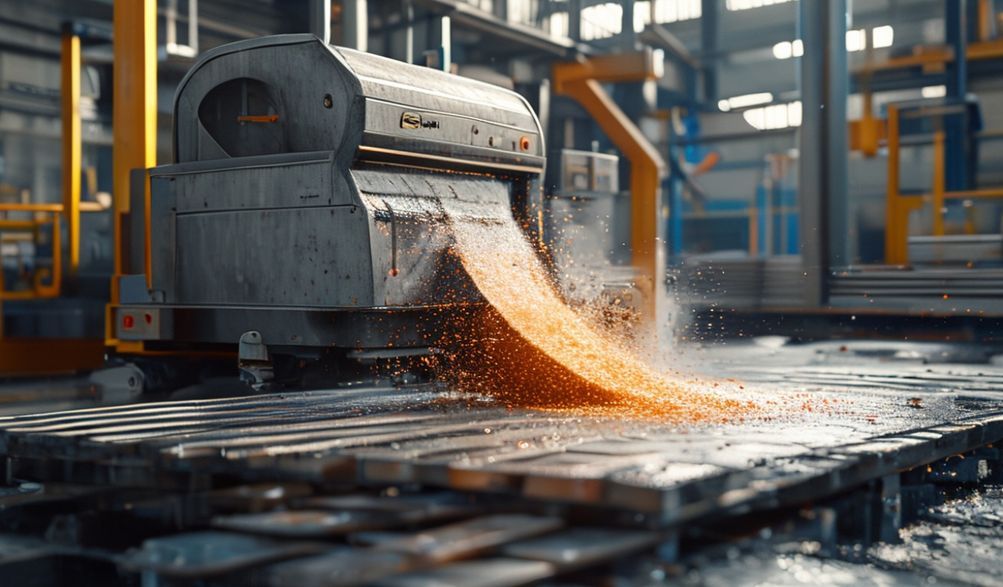
Mashini yo gukora ibyatsi bya sima ni igikoresho gihimbwe gukora ibyatsi bya sima (CMUs) binyuze mu guhanahana umuvange wa sima, ibyatsi, n’amazi mu mwobo w’igishushanyo n’ingano runaka. Ingingo nyamukuru ihuriweho n’ubwoko bwose: guhindura umuvange wa sima utari ukanye mu cyatsi cya sima gifite ubunini buhanitse, cyahimbwe neza kugira ngo kibe cyimeze neza mbere yo gukora. Ubushobozi, ubunini, n’urwego rw’ikora mu buryo bwikora bifata ibintu byose, bigaragaza uburyo mashini y’ubwoko bw’iyo mashini.
Imikorere ishingiye: Kuva ku bimenyetso by’ibanze kugeza ku kibazo cyasohowe
Impinduka ikurikira urutonde rwemewe:
1. Gukomatanya:Ibikoresho by'ibanze (birimo sima, umusenyi, amabuye y'umukara, cyangwa amabuye yatobowe) bihuza hamwe n'ubushyuhe bw'amazi bwerekeye mu muvange kugira ngo bigire umuvange w'ibyuma, w'amazi make. Ubushyuhe bw'amazi ni ngombwa cyane — nibiba byinshi, urufunzo ruzatera; nibiba bike, ntibizakomeza neza.
2. Gukora ibikoreshoUbuso bw’ibyatsi bushyirwa mu gikoresho cyangwa “agaseke k’ibyatsi” gahagarika ishusho y’igipande (urugero: ikibuto, igikomeye, ikibambasi).
3. Gukosora:Iyi ni icyiciro cy’ingenzi cyane. Imashini ikoresha ikigohe cyaubushyuhe bwa hagatinaimyandurire cyangwa ingufu z’imashini(ubunini) bwo gukanya umuvange, gukuraho imyuka mu mwuka no kugera ku bunini n'ingufu bisabwa.
4. Gukuraho ibikoresho bya silicone no kubyumisha:Ikimasa gishya cyangwa "icyatsi" kiva mu ikomere kigakurwa ku rutara cyangwa hasi. Hanyuma kikajya mu mwanya wo gushira, aho kigakura imbaraga mu minsi ashize binyuze mu gukoresha ubushyuhe n’ubwiza bw’amazi, akenshi mu mwanya wagenewe wo gushira.
Ingingo Ngenderwaho z’Imashini Isanzwe
Gusobanukirwa ibice by’ingenzi bifasha mu gukoresha no gukemura ibibazo:
* Hopper: Holds the raw concrete mix before molding.
* Mikseri: Blends the ingredients (integrated in some models, separate in others).
* Mold/Mold Box: The core tooling that shapes the block. Interchangeable molds allow one machine to produce different block types.
* Vibrator System: Usually an electric or hydraulic vibrator that settles the concrete mix densely into the mold.
* Sisitemu yo Gukanya: A hydraulic ram or mechanical lever applies the final pressing force.
* Sisteme yo Gucunga Ranges from simple levers on manual machines to programmable logic controller (PLC) panels on automatic models, governing the production cycle.
* Pallet Circulation System (in automatic models): Moves pallets through the machine for block ejection and transport to the curing area.
Uruhare rw’ikoranabuhanga mu gukora ibikoresho by’amabuye mu bihe by’ubu
Automation has revolutionized block production. Modern machines use PLCs to control every parameter—vibration time, pressure, feed quantity—ensuring every block is identical. Automated pallet feeders, stackers, and cube conveyors drastically reduce manual labor, increase output (sometimes to thousands of blocks per hour), and improve operator safety. This technological shift is a key differentiator between machine types.
Types of Concrete Block Machines: Finding the Right Fit
Choosing the right machine hinges on your production scale, budget, and labor availability. Industry practice shows that aligning the machine type with your project scope is the first step to a successful operation.
Manual Concrete Block Machines
These are the most basic, human-powered machines.
* Byiza Kuri: Small-scale projects (e.g., building a single home, garden wall), startups with minimal capital, or regions with very low labor costs.
* Ibyakozwe: An operator manually fills the mold, engages a lever to apply vibration/pressure, and then demolds the block.
* Inziza:
* Gutangira amafaranga make cyane.
* Byoroshye gukoresha no kurinda.
* No power requirement (for purely mechanical models).
* Ibibi:
* Very low output (typically 100-500 blocks per 8-hour shift).
* High labor intensity and physical strain.
* Inconsistency in block quality due to human variables.
Semi-Automatic Concrete Block Machines
These machines automate the critical compaction and vibration phases but require manual intervention for feeding mix and removing finished blocks.
* Byiza Kuri: Medium-scale production for local construction businesses, supplying small housing developments, or producing specialty blocks intermittently.
* Ibyakozwe: The operator feeds mix into the hopper, and the machine automates the molding, compaction, and demolding cycle. Blocks are then manually removed and stacked for curing.
* Inziza:
* Good balance between cost, output, and quality consistency.
* Higher output than manual machines (e.g., 800-2,000 blocks per shift).
* Significantly improves block density and uniformity.
* Ibibi:
* Still requires several operators for material handling and block removal.
* Output is limited by manual handling speed.
Fully Automatic Concrete Block Machines
These are complete production systems, automating the entire process from raw material feeding to block stacking.
* Byiza Kuri: Large-scale commercial plants, high-volume infrastructure projects, and businesses where consistent, high-throughput production is critical.
* Ibyakozwe: With a PLC control panel, the machine manages material batching, mixing, molding, compaction, curing pallet circulation, and block stacking. Operators primarily monitor the system and perform maintenance.
* Inziza:
* Very high, consistent output (can exceed 10,000 blocks per 8-hour shift).
* Exceptional quality control and dimensional accuracy.
* Drastically reduced direct labor costs per block.
* Ibibi:
* High initial capital investment.
* Requires significant space, a strong foundation, and three-phase power.
* More complex maintenance requiring technical skill.
Mobile Block Machines vs. Stationary Plants
This is a crucial strategic choice:
* Imashini z'ibikoresho bya Mobile Block: Mounted on a trailer, these are designed for on-site production. They eliminate transport costs for blocks and are perfect for large, remote projects like dams, road construction, or large-scale rural housing. They are typically semi-automatic.
* Ibimera bidasanzwe: Fixed installations at a factory or yard. They benefit from optimized layouts, easier integration with curing systems, and can house larger, fully automatic lines. They supply a market from a central location.
Key Factors to Consider When Choosing a Machine
Moving beyond basic type, a deep dive into specifications and requirements is necessary for a trustworthy investment decision.
Gusuzuma Ibisabwa bya Serivisi zawe
Ask these questions first:
* Isabukuru ya buri munsi / Icyumweru How many blocks do you need to produce to meet demand?
* Ubwoko bw'ibyapa n'ingano Will you produce standard hollow blocks, solid blocks, pavers, interlocking blocks, or specialty shapes? Each may require different mold kits.
* Ubunini n' Igihe cy' Umushinga: Is this for a one-off project or continuous business?
Machine Specifications Deep Dive
Compare these technical specs across models:
* Igihe cyo gukora The time to produce one block or one mold of blocks. Faster cycles mean higher output.
* Mold Capacity: How many blocks are produced per cycle (e.g., 3-block mold, 6-block mold).
* Ingufu (Tonijeri): The compaction force, measured in tons. Higher tonnage (e.g., 150+ tons) produces denser, stronger blocks suitable for load-bearing applications.
* Ibikenewe by'ingufu: Manual (none), single-phase (for small semi-autos), or industrial three-phase power (for automatic plants).
Quality of Output: What to Look For
Request sample blocks from a machine you’re considering. Evaluate:
* Density & Strength: A well-compacted block should feel heavy and solid.
* Ubwiza bw’ingano: Measure samples. They must be consistent and within standard tolerances (e.g., +/- 1.5mm).
* Guhagarika hejuru: Should be smooth, without cracks or chips.
* Ubumenyi burambuye Ten blocks should look and feel virtually identical.
Total Cost of Ownership: Beyond the Purchase Price
The smartest buyers look at lifetime cost:
* Inshuro yo gutangira: Machine price, mold costs, and installation.
* Ibiciro by'ingendo Electricity consumption, labor wages, and raw material costs per block.
* Maintenance & Parts: Availability and cost of wear parts (mold liners, vibrator motors, hydraulic seals). A machine from a reputable brand with local parts support can save significant downtime and cost.
* Foundation & Space: Don’t forget the cost of preparing a level, reinforced concrete base for stationary machines.
Operational Best Practices and Maintenance
Owning the right machine is only half the battle. Proper operation and maintenance, as seasoned operators report, are what ensure longevity, safety, and consistent profit margins.
Raw Material Preparation: The Foundation of Quality Blocks
The machine can only work with what it’s given. Industry standards emphasize mix design:
* Ideal Ratios: A common mix is 1 part cement, 3 parts sand, and 5 parts coarse aggregate (1:3:5), but this varies based on desired strength and local materials.
* Water Content: This is critical. The mix should be semi-dry—holding its shape when squeezed in your hand but crumbling apart when poked.
* Ibinyurizo: Plasticizers or color pigments can be added for specific workability or aesthetic requirements.
Step-by-Step: Operating Your Machine for Optimal Results
- Safety First: Always wear PPE (safety glasses, gloves, hearing protection). Ensure all guards are in place.
- Pre-Start Check: Verify lubrication points, check hydraulic oil levels, and ensure the mold is clean and secure.
- Gutanga Ibikoresho: Load the hopper with a consistent, well-mixed batch of concrete.
- Gutangiza Umwuzure: Start the machine cycle via the control panel or lever. Let the automation/vibration sequence complete fully.
- Block Removal & Curing: Carefully remove the green block and place it on a level, stable curing rack. Maintain proper moisture (often by covering with plastic sheeting) for at least 24-48 hours before air curing.
Essential Maintenance Schedule for Longevity
Adherence to a schedule prevents costly breakdowns:
* Buri munsi: Clean the mold, hopper, and feed system thoroughly after production. Check for loose bolts or parts.
* Buri cyumweru: Lubricate all moving parts as per the manual. Inspect hydraulic hoses for leaks.
* Monthly: Check vibration motor mounts and bolts. Inspect the hydraulic oil for contamination. Calibrate sensors on automatic machines.
Troubleshooting Common Concrete Block Machine Issues
- Poor Compaction/Weak Blocks: Likely caused by incorrect water content (too wet or too dry), insufficient vibration time, or low compaction pressure.
- Surface Cracks: Usually from too much water in the mix or improper curing (drying too quickly).
- Sticking in Mold: A dirty, damaged, or poorly lubricated mold. Can also be caused by an overly wet mix.
- Inconsistent Block Height: Worn mold components, uneven feeding of the mix, or an unlevel machine foundation.
The Business Case: ROI and Applications
Understanding the market and financials establishes the authoritativeness of your investment.
Diverse Applications of Machine-Made Concrete Blocks
The product versatility drives demand:
* Ubwubatsi bw’Inyubako z’Amazu Foundation walls, partition walls, and chimney blocks.
* Commercial/Industrial: Load-bearing walls in warehouses, factories, and multi-story buildings.
* Guhindura Imiterere y'Ubutaka no Gutunganya Ibikoresho by'Imigabane. Pavers, retaining wall units, and garden edging.
* Infrastructure: Sound barrier walls, drainage systems, and utility blocks.
Calculating Your Return on Investment (ROI)
A simplified framework:
1. Calculate your cost per block: (Cost of Cement + Sand + Aggregate + Power + Labor + Machine Depreciation) / Number of Blocks Produced.
2. Determine the local market price for a similar quality block.
3. Your gross profit per block = Market Price – Cost per Block.
4. Simple Payback Period = (Total Machine Investment Cost) / (Gross Profit per Block * Blocks Sold per Month).
Urugero: If your machine costs $50,000 and you net $0.20 profit per block selling 20,000 blocks a month, your payback period is roughly 12.5 months.
Starting a Concrete Block Manufacturing Business: An Overview
Key considerations beyond the machine:
* Space & Zoning: Secure a yard or warehouse with room for production, raw material storage, and block curing. Verify industrial zoning.
* Licensing & Standards: Obtain necessary business licenses and ensure your blocks meet relevant national or regional quality standards (e.g., ASTM C90 in the US).
* Supply Chain: Secure reliable, cost-effective sources for cement and aggregates.
* Market Analysis: Identify your primary customers: contractors, DIY stores, or government tenders.
Frequently Asked Questions (FAQ) About Concrete Block Machines
Q1: What is the average cost range for a concrete block machine?
A: Prices vary dramatically. A small manual machine can start at a few hundred dollars. Semi-automatic machines range from $5,000 to $50,000. Fully automatic production lines can cost from $50,000 to over $500,000, depending on capacity and sophistication. Always correlate price with specifications and output.
Q2: Can one machine produce different block types and sizes?
A: Yes, through the use of interchangeable molds. Most manufacturers offer a range of mold kits (for hollow blocks, solid blocks, pavers, etc.). However, changing molds requires time and labor, so it’s most efficient for batch production of one type at a time.
Q3: How much space and what kind of foundation is needed for setup?
A: A small semi-automatic machine might need a 10m x 10m area. A full plant requires a large shed or factory space. The foundation must be a level, reinforced concrete slab, often 6-8 inches thick, to absorb the machine’s vibration and weight. Always follow the manufacturer’s specific foundation drawing.
Q4: What is the typical lifespan of a well-maintained machine?
A: With diligent maintenance and proper operation, a quality concrete block machine can last 15 to 25 years. Key structural components like the frame last the longest, while wear parts like molds and vibrators will need replacement every few years depending on usage.
Q5: Are there specific safety certifications or operator training required?
A: While operator certification isn’t universally mandated, it is critically important. Reputable manufacturers provide operational training. Always insist on it. Safety practices—like lockout/tagout procedures during maintenance, using PPE, and understanding emergency stops—are non-negotiable for a trustworthy operation.
Ibyo byose
Selecting and operating a concrete block machine is a significant decision with direct implications for your project’s efficiency or your business’s bottom line. The key takeaways are to meticulously match the machine type—manual, semi-automatic, or fully automatic—to your genuine production needs and budget. Look beyond the sticker price to the total cost of ownership, and never compromise on the quality of output or the rigor of your maintenance schedule.
Choosing the right equipment is transformative. It empowers you to control material quality, reduce costs, and meet demand reliably. Use this guide as a foundational benchmark for your research. When you’re ready, consult with reputable manufacturers, request live demonstrations using your local materials, and make an investment built on knowledge and insight.
<