
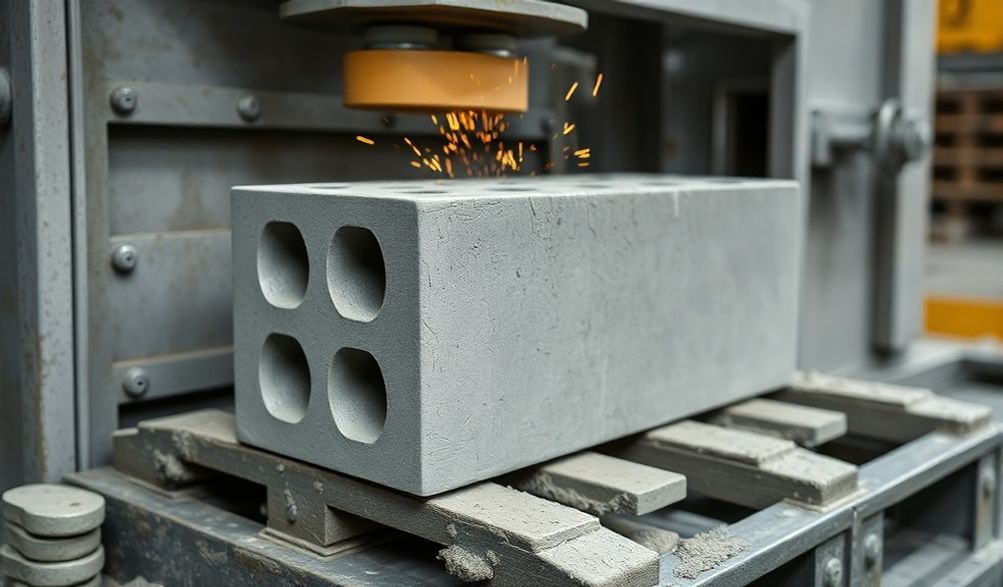
Полное руководство по изготовлению бетонных блоков: от основ до бизнеса
Введение
Оглянитесь вокруг в любом современном городском пейзаже, пригородной застройке или инфраструктурном проекте. Повсеместно встречающийся бетонный блок является фундаментальным столпом нашей искусственной среды в буквальном смысле. На протяжении десятилетий производство этих важнейших строительных компонентов было трудоемким ремеслом. Сегодня этот ландшафт был кардинально преобразован с появлениеммашина для производства бетонных блоковЭта технология демократизировала производство, значительно повысила эффективность и открыла предпринимателям путь к созданию жизнеспособного бизнеса в строительной отрасли.
Это руководство создано, чтобы стать вашим надежным спутником на этом пути. Независимо от того, являетесь ли вы специалистом в строительстве, стремящимся понять цепочку поставок, предпринимателем, ищущим возможности для производства, или увлеченным мастером с масштабным проектом, освоение машинного производства блоков — это ценный навык. Мы выйдем за рамки теории и перейдем к практическим, применимым знаниям, необходимым для принятия обоснованных решений, безопасной работы и закладки основы для успеха.
Это руководство основано на синтезе реальных отраслевых практик, инженерных принципов и бизнес-операционных знаний. Мы объединяем опыт из сфер производства, гражданского строительства и планирования малого бизнеса, чтобы предоставить авторитетную информацию, на которую вы можете положиться. Наша цель — предлагать фактические, практичные и учитывающие безопасность рекомендации для сопровождения на каждом этапе.
Понимание машин для производства бетонных блоков
Прежде чем инвестировать в машину, крайне важно понять, что она делает и как работает. В основе своей, машина для производства блоков автоматизирует и интенсифицирует процесс превращения сырой бетонной смеси в точные, прочные и однородные блоки.
Как работают машины для производства бетонных блоков?
Магия этих машин заключается в воспроизведении и усовершенствовании традиционного процесса за счёт механизированной силы и точности. Основной рабочий цикл остаётся неизменным для большинства моделей:
- Смешивание:Цемент, заполнители (песок, гравий) и вода смешиваются в чашевом или планетарном смесителе для получения однородной полусухой бетонной смеси. Консистенция критически важна: слишком жидкая — блок не держит форму; слишком сухая — не уплотнится должным образом.
- Кормление и Формирование:Смешанный материал загружается в бункер, который затем подает отмеренное количество в полость формы (также называемую формовочным ящиком). Эта форма определяет конфигурацию блока — пустотелый, полнотелый, тротуарный и т.д.
- Уплотнение:Это основа процесса. Машина использует мощную вибрацию (от гидравлических или электрических вибраторов) и часто одновременное гидравлическое давление для плотного уплотнения смеси внутри формы. Это удаляет воздушные пустоты и гарантирует, что блок достигает необходимой структурной прочности.
- Демонтаж опалубки:После уплотнения форму поднимают или снимают, оставляя свежесформированный «сырой» блок на плоском поддоне или основании машины.
- Курение:Затем зеленый блок перемещается (вручную или по конвейеру) в зону отверждения. Здесь его поддерживают во влажном состоянии в течение определенного периода (обычно 7-14 дней), чтобы цемент полностью гидратировался и набрал прочность.
Этот цикл повторяется непрерывно, с производительностью от нескольких сотен до тысяч блоков в день.
Основные типы машин: ручные, полуавтоматические и полностью автоматические
Ваш выбор здесь является главным определяющим фактором масштаба производства, потребности в рабочей силе и первоначальных инвестиций.
- Ручные станки:Это самые простые, часто рычажные прессы.
- Операция:Все этапы — загрузка, уплотнение (с помощью рычага) и извлечение из формы — выполняются вручную.
- Вывод:Очень низкая (100-500 блоков в день).
- Лучше всего подходит для:Крайне маломасштабные проекты, удаленные места без электроснабжения или производство специальных форм, где объем не имеет значения.
- Полуавтоматические станки:Для большинства стартапов и малых и средних предприятий это идеальный вариант.
- Операция:Ключевые процессы, такие как вибрация и уплотнение, приводятся в действие (электрическими или дизельными двигателями). Оператор вручную подает материал в смеситель, загружает бункер и извлекает готовые блоки. Цикл формовки автоматизирован.
- Вывод:Средний (800-3000 блоков за 8-часовую смену).
- Лучше всего подходит для:Предприятия с устойчивым спросом, обеспечивающие оптимальный баланс между доступностью, производительностью и контролем.
- Полностью автоматические машины:Это гиганты производственной линии.
- Операция:Весь процесс от дозирования материалов до укладки блоков автоматизирован с помощью систем ПЛК (программируемых логических контроллеров). Они оснащены конвейерными лентами, автоматическими податчиками поддонов и штабелёрами.
- Вывод:Высокий объем (3000–20 000+ блоков за смену).
- Лучше всего подходит для:Крупные производители, поставляющие продукцию для крупных строительных проектов или дистрибьюторов, где первостепенное значение имеют стабильность и объем.
Основные компоненты и их функции
Understanding the key parts demystifies the machine and aids in maintenance:
* Миксер: Blends raw materials into a uniform concrete mix.
* Хоппер: Holds the mixed concrete and feeds it into the mold box.
* Mold Box/Frame: The removable steel assembly that shapes the block. Different molds create different block types.
* Система вибратора: Electric or hydraulic motors that generate high-frequency vibration to compact the concrete.
* Гидравлическая силовая установка: Provides the immense pressure needed for compaction in semi- and fully-automatic models.
* Панель управления: Houses the electrical controls and, in advanced models, a PLC for programming block types and cycles.
* Паллетный питатель/конвейер: Moves the pallets (for block setting) or the blocks themselves through the production line.
Choosing the Right Machine for Your Needs
Selecting a machine is not about buying the biggest or cheapest. It’s about finding the perfect tool for your specific goals.
Assessing Your Production Goals and Scale
Start by asking yourself these foundational questions:
* What is my target daily or monthly output? Be realistic about your market demand and growth projections.
* What types of blocks will I produce? Standard hollow blocks, solid blocks, paving slabs, interlocking blocks? Ensure the machine can accommodate interchangeable molds.
* What is my available startup capital? Remember, the machine cost is only part of the total investment (covered next).
* What is my labor situation? Manual machines require more labor; fully automatic require skilled technicians.
Critical Machine Specifications to Evaluate
When comparing models, look beyond the price tag at these specs:
* Блоков в час (БВЧ): The key output metric. Ensure it’s a sustainable output, not a peak theoretical maximum.
* Типы форм и взаимозаменяемость: Can you easily switch from producing hollow blocks to paving blocks? How much do additional molds cost?
* Требования к питанию: Does it run on standard 3-phase electricity, diesel, or is it a hybrid? This affects your operating costs and site setup.
* Степень автоматизации: Match this to your labor budget and desired consistency. Do you need an automatic pallet feeder? A block stacker?
* Machine Build Quality: Inspect the thickness of steel plates, the quality of welding, and the brand of hydraulic and electrical components.
Budgeting: Machine Cost vs. Total Investment
A common pitfall is underestimating the full setup cost. Create a comprehensive budget:
* Machine Price: The purchase cost of the equipment itself.
* Installation & Foundation: You’ll likely need a solid, level concrete foundation.
* Raw Material Storage: Covered space for cement (must be kept dry) and aggregates.
* Curing Area: A large, accessible yard, often with a sprinkler system or curing sheets.
* Труд: Wages for operators, mixers, and laborers for handling blocks.
* Utilities & Fuel: Ongoing cost for electricity, diesel, and water.
* Maintenance Fund: A reserve for spare parts and routine servicing.
The Raw Materials and Mix Design Process
A top-tier machine with poor-quality materials will only produce poor-quality blocks. The raw inputs are just as critical as the equipment.
Essential Ingredients: Cement, Aggregates, and Water
- Цемент: The binder. Ordinary Portland Cement (OPC) is standard. Portland Pozzolana Cement (PPC), which includes fly ash, is a popular, often more eco-friendly alternative with good workability.
- Агрегаты: These provide bulk and strength. This includes fine aggregates (like river sand or crushed stone sand) and coarse aggregates (gravel or crushed stone, typically 6mm-12mm). They must be clean, hard, and free of organic matter.
- Вода: Should be clean and potable. Impure water can weaken the final block or cause unsightly efflorescence (white salt deposits).
Mastering the Mix Design for Quality Blocks
The “recipe” is called mix design. A common starting ratio for standard hollow blocks is 1 part cement to 6 parts combined aggregates (e.g., a mix of sand and gravel). The water-cement ratio is crucial—aim for a semi-dry mix that holds its shape when squeezed in your hand.
* Consistency is Key: Batch-to-batch variation is the enemy of quality. Use measured volumes or, better yet, a weighing system for each ingredient.
* Strength & Finish: A higher cement ratio increases compressive strength but also cost. The right aggregate gradation ensures a smooth surface finish and good compaction.
Additives and Colorants for Enhanced Blocks
You can differentiate your product with additives:
* Plasticizers: Increase workability of the mix without adding extra water, leading to stronger blocks.
* Пигменты: Iron oxide pigments are used to produce colored paving blocks, facades, or landscaping bricks.
* Waterproofing Agents: Integral waterproofing compounds can be added to the mix for blocks used in retaining walls or foundations.
Operating Your Machine: A Step-by-Step Workflow
Proper operation ensures safety, quality, and machine longevity.
Pre-Operation: Safety and Machine Setup
- Safety First: Mandatory Personal Protective Equipment (PPE) includes safety glasses, gloves, steel-toe boots, and hearing protection (vibration is loud).
- Осмотр оборудования: Check oil levels in the hydraulic tank, ensure all bolts are tight, and inspect electrical connections. Look for any debris in the mold or on the pallets.
- Site Preparation: Ensure the working area is clean, well-lit, and free of trip hazards. Have raw materials pre-positioned.
The Production Cycle in Detail
- Подготовка материалов: Measure and load the cement, sand, and aggregate into the mixer. Add the correct amount of water. Mix thoroughly.
- Инициирование цикла: Transfer the mix to the machine hopper. Press the start button (semi/auto) or begin the manual process.
- Формование и уплотнение: The machine fills the mold and initiates vibration and pressure. You will hear and see this happen over 5-15 seconds.
- Демонтаж опалубки: The mold rises, leaving the formed block on the pallet or production table.
- Удаление блоков: Carefully transfer the green block onto a curing rack or cart. Handle with care—it is still fragile.
Curing and Storage: Ensuring Final Strength
Curing is not just drying; it’s actively keeping the blocks moist to allow chemical reactions to complete.
* Метод: After 24 hours, blocks can be stacked. Use a sprinkler system, cover with wet burlap sacks, or use plastic sheeting to retain moisture for at least 7 days.
* Storage: Cure blocks in a shaded area. After initial curing, they can be stored in the open but should be protected from rain-driven dirt and extreme temperature swings. Proper curing can double the final strength of the block.
Maintenance for Longevity and Consistent Output
Treat your machine like a partner. Preventive maintenance is far cheaper than breakdowns and lost production.
Daily, Weekly, and Monthly Maintenance Checklists
- Ежедневно: Clean the machine thoroughly after use, especially the mold cavities and hopper. Check for loose parts. Grease all moving joints and bearings.
- Weekly: Inspect hydraulic hoses for leaks. Check vibrator mounts. Tighten any bolts that may have shaken loose.
- Monthly: Change hydraulic oil and filters as per the manufacturer’s schedule. Inspect electrical components for wear. Calibrate the mixer’s measuring system.
Troubleshooting Common Machine Issues
- Плохое уплотнение/Слабые блоки: Incorrect mix (too dry), insufficient vibration time, or worn vibrators.
- Blocks Sticking in Mold: Mold needs cleaning or lubrication (use a recommended mold release agent, not motor oil). Mix could be too wet.
- Uneven Block Height: Worn mold liners, uneven feeding of the hopper, or an unlevel machine foundation.
- Machine Not Cycling: Check electrical connections, hydraulic pressure, and safety sensors.
Sourcing Spare Parts and Getting Professional Service
Always use Original Equipment Manufacturer (OEM) or high-quality certified parts for critical components like hydraulics and vibrators. Establish a relationship with a reliable local technician familiar with your machine brand. Keep a basic inventory of common wear items like seals and hoses.
Building a Viable Concrete Block Making Business
The machine is your factory floor. Now, you need to build the business around it.
Crafting Your Business and Marketing Plan
- Market Analysis: Study local construction activity. Who are your competitors? What blocks are in high demand?
- Marketing Basics: Your primary customers are contractors, builders, and masonry suppliers. Create a simple brochure with your block specifications and prices. Consider offering samples. Word-of-mouth from a quality product is your most powerful tool.
Calculating Profitability and ROI
Create a simple financial model:
* Revenue: Selling Price per Block x Monthly Volume.
* Cost of Goods Sold (COGS): (Cost of Cement + Aggregates + Power + Labor for production) per Block.
* Gross Profit: Revenue – COGS.
* Накладные расходы: Rent, admin salaries, marketing, machine depreciation, maintenance fund.
* Net Profit: Gross Profit – Overheads.
Aim to understand your break-even point and how long it will take to recoup your initial investment (ROI).
Navigating Regulations and Quality Standards
- Business Licenses: Obtain necessary local trade licenses and factory registrations.
- Environmental Norms: Manage dust (from cement) and water runoff from your curing yard.
- Стандарты качества: Adhering to standards like IS 2185 (India), ASTM C90 (USA), or BS 6073 (UK) isn’t just about compliance; it’s a powerful marketing tool that assures customers of your block’s strength and durability. Consider getting your blocks tested at a local civil engineering lab.
Advanced Tips and Future Trends
Optimizing Production for Efficiency and Lower Waste
- Plan production batches to minimize mold changeovers.
- Recycle broken or defective green blocks back into the mixer.
- Use energy-efficient motors and optimize the production cycle time to save power.
Exploring Specialized Block Production
Diversify your product line to tap into niche markets:
* Взаимозамыкающиеся тротуарные плиты For driveways and walkways.
* Insulated Concrete Blocks: Incorporating materials like EPS beads for thermal efficiency.
* Decorative Facade Blocks: With textured or patterned faces for aesthetic walls.
The Future: Automation, Sustainability, and Smart Tech
The industry is evolving:
* IoT & Smart Machines: Sensors that predict maintenance needs and optimize cycle times in real-time.
* Sustainable Materials: Increased use of recycled concrete aggregate (RCA), industrial by-products like slag, and carbon-capturing cements.
* Продвинутая автоматизация: Robotics for palletizing and loading, further reducing labor and improving safety.
Frequently Asked Questions (FAQ)
Q1: What is the average profit margin in a concrete block making business?
А: Net profit margins typically range from 15% to 35%. This wide range depends heavily on factors like your operational efficiency, local material costs, scale of production, and competitive pricing. A detailed, localized cost analysis is essential for accurate figures.
Q2: Can I operate a block making machine with no prior experience?
А: Yes, you can. However, comprehensive hands-on training from your equipment supplier is non-negotiable. Starting with a simpler semi-automatic model is highly advisable. Always, without exception, prioritize understanding and following all safety protocols.
Q3: How much space is required to set up a small block making unit?
А: For a small-scale semi-automatic operation, you should plan for a minimum of 5,000 to 10,000 square feet. This accommodates the machine shed, raw material storage (keeping cement dry is critical), the block curing area, and space for storing finished inventory.
Q4: What is the typical lifespan of a concrete block making machine?
А: With diligent and proper maintenance, a well-built machine can have a productive lifespan of 10 to 20 years. High-wear components like vibrator motors, hydraulic seals, and mold liners will require replacement more frequently based on usage intensity.
Q5: Are there eco-friendly options for concrete block production?
А: Absolutely. Sustainability is a major trend. You can use fly ash-based cement (PPC), incorporate recycled concrete or other industrial wastes as aggregates, and implement water recycling systems in your curing yard. Many modern machines are designed to handle these alternative material mixes effectively.
Заключение
The journey from understanding the mechanics of a машина для производства бетонных блоков to running a successful production business is one of practical learning and meticulous execution. Success is not guaranteed by the machine alone; it is forged by choosing the right equipment for your goals, mastering the science of mix design and curing, and committing to a culture of quality, safety, and relentless maintenance.
The advice in this guide is distilled from industry experience and expert knowledge, designed to give you a trustworthy foundation. We strongly encourage you to use this as a starting point for your own detailed research.
Call to Action: Take the next step. Use the frameworks here to calculate your specific production needs and draft a preliminary budget. Reach out to multiple reputable machine manufacturers for consultations and detailed quotes. Before you make any investment, ensure you have a plan for training and a clear understanding of your local market. Your blueprint for success starts with informed action.
<