
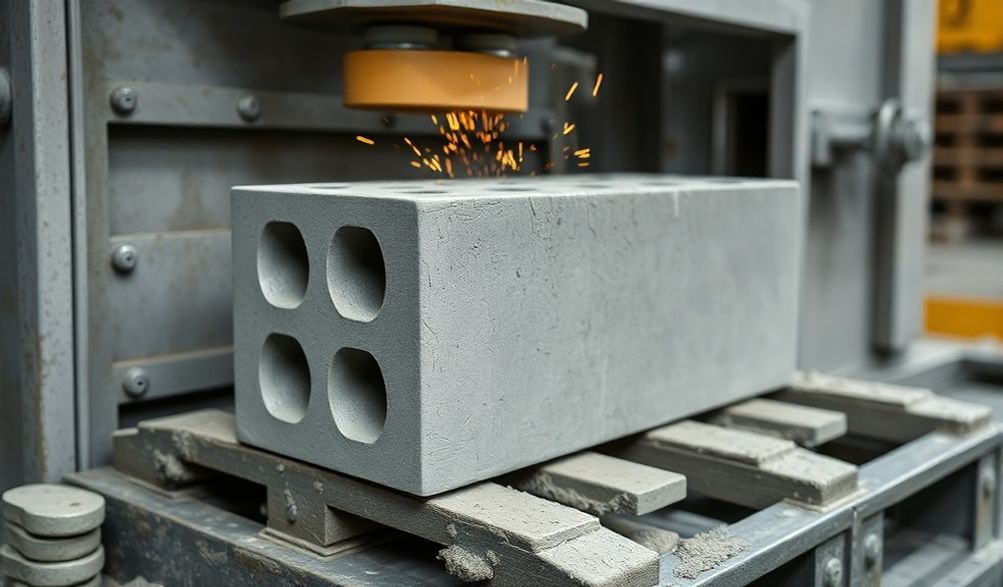
Inzira Yuzuye yo Gukora Amabuye ya Sima: Kuva ku Ntango Kugeza mu Bikorwa by’Ubucuruzi
Intangamarara
Reba aho ariho hose mu mujyi wa gisasa, mu ngo zishya ziri mu cyaro, cyangwa mu bikorwa by’ubwubatsi. Ibikoresho by’simiti bigaragara aho ariho hose ni ingingo shingiro y’ibidukikije byacu byubatswe, mu by’ukuri. Mu myaka irenga amajana, gukora ibi bikoresho by’ingenzi byo kubaka byari umwuga usaba ingufu nyinshi. Ubu, uko miterere yari iri yarahindutse cyane bitewe n’imikorere yamashini yo gukora ibyumba bya simaIyi teknoloji yagize uruhare mu kugira ubwigenge mu gukora ibintu, yongereye umusaruro, kandi yafunguye amarembo abikorera kugirango bashobore guhanga ubucuruzi bukomeye mu rwego rw’ubwubatsi.
Uyu mwongozo ukomeye uremewe kuba inshuti wizigirwa ku urugendo rwawe. Ese waba umunyamategeko mu by’ubwubatsi ushaka gusobanukirwa urwego rw’abahanga mu gutanga ibikoresho, umuhanga mu by’ubucuruzi ushaka gushakisha amahirwe yo gukora ibikoresho, cyangwa umunyamwete w’umwuga wo kugira ngo wikore ufite umushinga uhambaye, kwiga uburyo bwo gukora amatafari afite ingano nyinshi bishobora gukoreshwa n’imashini ni ubumenyi bukomeye. Tuzasimbuka mu by’amategeko tujya mu bumenyi bukoreshwa, bukenewe kugira ngo utange ibyemezo bishingiye ku bumenyi, ukore mu buryo bukwiye, kandi ugire ishingiro ryo gutsinda.
Iyi yoherezwa yubatswe ku ishingiro ry’imikoranire y’ubucuruzi mu buzima bwa nyuma, ingingo z’ubuhanga, n’ubushishozi bwo gucunga ubucuruzi. Duhuza ubumenyi bukomoka mu bukoresha, mu buhinzi bwa za mudasobwa, no mu gahunda y’ubucuruzi bukeya kugira ngo duhe amakuru ashimishije wizera. Intego yacu ni ugutanga inama zishingiye ku kuri, zikoreshwa, kandi zita ku mutekano kugira ngo zikuyobore mu nzira yawe yose.
Gusobanukirwa Imashini Zokora Amabuye y’Urukuta
Mbere yo gushora imari mu mashini, ni ngombwa kumenya icyo ikora n’uko ikora. Mu by’ukuri, mashini y’ubaka ibyumba ihindura neza kandi ikongerera imbaraga uburyo bwo gukora ibyumba by’simiti, bigakorwa mu buryo bwerekeye, bikaba bifite ingufu kandi bimeze kimwe.
Ni gute imashini zikora ibyatsi bya sima zikora?
Ubucuruzi bw'ibyo mashini bugaragara mu gukora no kongera ubukana bwa mbere bwo gukoresha ingufu z'ibikoresho n'ubushobozi bwo gukora neza. Umuyoboro w'ingengabitekerezo w'ibikorwa usanzwe urimo kugendana ku miterere y'ibikoresho byinshi:
- Gukomatanya:Isima, ibyuma (umucanga, amabuye), n'amazi bihurizwa hamwe mu kiyiko cyangwa muri mixeri ya planetary kugira ngo habeho ikinyabiziga gifatanye, cyumutse gato. Ubwiyongere bw'ibintu n'iby'ingenzi—niba binyegeje cyane, nta kintu kizafata ishusho; niba byumye cyane, ntibizakora neza.
- Kurya & Gukora:Ibintu byavangiye biganishwa mu mwobo, hanyuma bigatanga umubare wagenewe mu mwobo (witwa nawe agasanduku k’imiterere). Iyi miterere isobanura imiterere y’agatambara—agacucu, agakomeye, amabuye y’inzira, n’ibindi.
- Gukosora:Iyi ni umutima w'ubwo buryo. Umushini ukoresha umuvuduko ukomeye (uturuka kuri vibrateri z'amazi cyangwa za moteri) kandi akenshi hamwe n'umuvuduko w'amazi mu gihe kimwe kugirango uhuze neza umubumbe muri fomu. Ibyo bikura amapfuka y'umwuka kandi bigaragaza ko urufunzo rwakuze ubushobozi bwarwo bwo gutegura inganda.
- Gukuraho ibishushanyo:Nyuma yo gukandamizwa, umwobo urahagurukwa cyangwa ukurwaho, usiga ibuye ry’urubaho rishya "ry’icyatsi" ku rutanda rwamye cyangwa ku mishinga ya mashini.
- Gukora:Hanyuma, ishuro ry'icyatsi riba rimaze guhindurwa (n'amaboko cyangwa ikoresheje conveyor) mu gishanga cyo kuvura. Aho, bikomeza kuba bitose mu gihe runaka (mubisanzwe iminsi 7-14) kugirango sima ishobore gutuma amazi atemba neza kandi igakomera.
Uruhererekane rukomeza gusubiramo, ibyasohoka biva ku makamyo makeya kugera ku bihumbi by’imipira ku munsi.
Ubwoko bukomeye bwa mashini: Imikoreshwa n’amaboko, Ntizikora zonyine, na Zikora zonyine.
Ibyo uhisemo ni byo bigira uruhare runini mu rugero rw’umusaruro, ubukene bw’abakozi, n’ishoramari rya mbere.
- Imashini z'ibikorwa by'amaboko:Ibi ni ibyuma by'ibanze cyane, akenshi bikoreshwa inkoni.
- Ibyakozwe:Intego zose—kugaburira, gukanda (bukoresheje icyuma), no gukura mo—bikorwa n'intoki.
- Ibisohoka:Hasi cyane (100-500 bloki kuri buri munsi).
- Byiza Kuri:Imyigo mito cyane, ahantu kure adafite amashanyarazi, cyangwa gukora imiterere idasanzwe aho ubwinshi butitabwaho.
- Imitungo Imigendeshwa n'ikiremwamuntu:Icyicaro gikwiye kuri byinshi mu bigo bitangira ndetse n’ibyo hagati n’ibito.
- Ibyakozwe:Inzira z'ingenzi nko kunyegeza no gukama zitwarwa n’amashanyarazi (amashanyarazi cyangwa mazutu). Umukora agaburira n’intoki igikanyo, apakira inkoni, anakuraho amabati yarangiye. Ukuzenguruka kwa molding kukora ubwako.
- Ibisohoka:Hagati (800-3000 ibibaho mu gihe cy'akazi k'amasaaha 8).
- Byiza Kuri:Amasosiyete afite ibyifuzo bihamye, atanga uburinganire bwiza hagati y’ubuciriritse, ibisubizo, n’ubugenzuzi.
- Imashini Zikora Byikoresho Zishobora Kwikorera Ubwabyo.Ibi ni ibikombiyambuto bikomeye by’urugu.
- Ibyakozwe:Inzira yose kuva kugabanya ibikoresho kugeza gushyira amabati ku rutonde ikorwa na sisitemu ya PLC (Programmable Logic Controller). Zikoresha imirongo itwara ibintu, ibikoresho byo kugaburira ibyapa, n’ibikoresho byo gushyira ku rutonde.
- Ibisohoka:Umubare munini (ibice 3000-20,000+ ku mushongwe).
- Byiza Kuri: Large-scale manufacturers supplying major construction projects or distributors, where consistency and volume are paramount.
Ingingo Shingiro n'Imikorere Yazo
Understanding the key parts demystifies the machine and aids in maintenance:
* Mikseri: Blends raw materials into a uniform concrete mix.
* Hopper: Holds the mixed concrete and feeds it into the mold box.
* Mold Box/Frame: The removable steel assembly that shapes the block. Different molds create different block types.
* Vibrator System: Electric or hydraulic motors that generate high-frequency vibration to compact the concrete.
* Paki y'ingufu ya hydroliki: Provides the immense pressure needed for compaction in semi- and fully-automatic models.
* Paneli yo Gucunga: Houses the electrical controls and, in advanced models, a PLC for programming block types and cycles.
* Iherezo ry’ibyapa / Umuyoboro w’ibyapa Moves the pallets (for block setting) or the blocks themselves through the production line.
Choosing the Right Machine for Your Needs
Selecting a machine is not about buying the biggest or cheapest. It’s about finding the perfect tool for your specific goals.
Assessing Your Production Goals and Scale
Start by asking yourself these foundational questions:
* What is my target daily or monthly output? Be realistic about your market demand and growth projections.
* What types of blocks will I produce? Standard hollow blocks, solid blocks, paving slabs, interlocking blocks? Ensure the machine can accommodate interchangeable molds.
* What is my available startup capital? Remember, the machine cost is only part of the total investment (covered next).
* What is my labor situation? Manual machines require more labor; fully automatic require skilled technicians.
Critical Machine Specifications to Evaluate
When comparing models, look beyond the price tag at these specs:
* Ibirundo ku Isaha (BPH): The key output metric. Ensure it’s a sustainable output, not a peak theoretical maximum.
* Ubwoko bw'ibimenyetso n'ubushobozi bwo guhinduranya: Can you easily switch from producing hollow blocks to paving blocks? How much do additional molds cost?
* Ibikenewe by'ingufu: Does it run on standard 3-phase electricity, diesel, or is it a hybrid? This affects your operating costs and site setup.
* Urugero rw’ikoreshwa ry’imashini: Match this to your labor budget and desired consistency. Do you need an automatic pallet feeder? A block stacker?
* Ubwiza bwa Mashini Zubakwa: Inspect the thickness of steel plates, the quality of welding, and the brand of hydraulic and electrical components.
Budgeting: Machine Cost vs. Total Investment
A common pitfall is underestimating the full setup cost. Create a comprehensive budget:
* Machine Price: The purchase cost of the equipment itself.
* Installation & Foundation: You’ll likely need a solid, level concrete foundation.
* Raw Material Storage: Covered space for cement (must be kept dry) and aggregates.
* Curing Area: A large, accessible yard, often with a sprinkler system or curing sheets.
* Umurimo: Wages for operators, mixers, and laborers for handling blocks.
* Utilities & Fuel: Ongoing cost for electricity, diesel, and water.
* Maintenance Fund: A reserve for spare parts and routine servicing.
The Raw Materials and Mix Design Process
A top-tier machine with poor-quality materials will only produce poor-quality blocks. The raw inputs are just as critical as the equipment.
Essential Ingredients: Cement, Aggregates, and Water
- Sima: The binder. Ordinary Portland Cement (OPC) is standard. Portland Pozzolana Cement (PPC), which includes fly ash, is a popular, often more eco-friendly alternative with good workability.
- Ibinyuranyo: These provide bulk and strength. This includes fine aggregates (like river sand or crushed stone sand) and coarse aggregates (gravel or crushed stone, typically 6mm-12mm). They must be clean, hard, and free of organic matter.
- Amazi: Should be clean and potable. Impure water can weaken the final block or cause unsightly efflorescence (white salt deposits).
Mastering the Mix Design for Quality Blocks
The “recipe” is called mix design. A common starting ratio for standard hollow blocks is 1 part cement to 6 parts combined aggregates (e.g., a mix of sand and gravel). The water-cement ratio is crucial—aim for a semi-dry mix that holds its shape when squeezed in your hand.
* Consistency is Key: Batch-to-batch variation is the enemy of quality. Use measured volumes or, better yet, a weighing system for each ingredient.
* Strength & Finish: A higher cement ratio increases compressive strength but also cost. The right aggregate gradation ensures a smooth surface finish and good compaction.
Additives and Colorants for Enhanced Blocks
You can differentiate your product with additives:
* Plasticizers: Increase workability of the mix without adding extra water, leading to stronger blocks.
* Ibiranga: Iron oxide pigments are used to produce colored paving blocks, facades, or landscaping bricks.
* Waterproofing Agents: Integral waterproofing compounds can be added to the mix for blocks used in retaining walls or foundations.
Operating Your Machine: A Step-by-Step Workflow
Proper operation ensures safety, quality, and machine longevity.
Pre-Operation: Safety and Machine Setup
- Safety First: Mandatory Personal Protective Equipment (PPE) includes safety glasses, gloves, steel-toe boots, and hearing protection (vibration is loud).
- Gukora igenzura ry’imashini Check oil levels in the hydraulic tank, ensure all bolts are tight, and inspect electrical connections. Look for any debris in the mold or on the pallets.
- Site Preparation: Ensure the working area is clean, well-lit, and free of trip hazards. Have raw materials pre-positioned.
The Production Cycle in Detail
- Gutegura Ibikoresho: Measure and load the cement, sand, and aggregate into the mixer. Add the correct amount of water. Mix thoroughly.
- Gutangiza Umwuzure: Transfer the mix to the machine hopper. Press the start button (semi/auto) or begin the manual process.
- Gukora no Gufumbata: The machine fills the mold and initiates vibration and pressure. You will hear and see this happen over 5-15 seconds.
- Gukuraho ibishushanyo: The mold rises, leaving the formed block on the pallet or production table.
- Gukuraho Ibigabanyo: Carefully transfer the green block onto a curing rack or cart. Handle with care—it is still fragile.
Curing and Storage: Ensuring Final Strength
Curing is not just drying; it’s actively keeping the blocks moist to allow chemical reactions to complete.
* Uburyo: After 24 hours, blocks can be stacked. Use a sprinkler system, cover with wet burlap sacks, or use plastic sheeting to retain moisture for at least 7 days.
* Kubika. Cure blocks in a shaded area. After initial curing, they can be stored in the open but should be protected from rain-driven dirt and extreme temperature swings. Proper curing can double the final strength of the block.
Maintenance for Longevity and Consistent Output
Treat your machine like a partner. Preventive maintenance is far cheaper than breakdowns and lost production.
Daily, Weekly, and Monthly Maintenance Checklists
- Buri munsi: Clean the machine thoroughly after use, especially the mold cavities and hopper. Check for loose parts. Grease all moving joints and bearings.
- Buri cyumweru: Inspect hydraulic hoses for leaks. Check vibrator mounts. Tighten any bolts that may have shaken loose.
- Monthly: Change hydraulic oil and filters as per the manufacturer’s schedule. Inspect electrical components for wear. Calibrate the mixer’s measuring system.
Troubleshooting Common Machine Issues
- Poor Compaction/Weak Blocks: Incorrect mix (too dry), insufficient vibration time, or worn vibrators.
- Blocks Sticking in Mold: Mold needs cleaning or lubrication (use a recommended mold release agent, not motor oil). Mix could be too wet.
- Uneven Block Height: Worn mold liners, uneven feeding of the hopper, or an unlevel machine foundation.
- Machine Not Cycling: Check electrical connections, hydraulic pressure, and safety sensors.
Sourcing Spare Parts and Getting Professional Service
Always use Original Equipment Manufacturer (OEM) or high-quality certified parts for critical components like hydraulics and vibrators. Establish a relationship with a reliable local technician familiar with your machine brand. Keep a basic inventory of common wear items like seals and hoses.
Building a Viable Concrete Block Making Business
The machine is your factory floor. Now, you need to build the business around it.
Crafting Your Business and Marketing Plan
- Market Analysis: Study local construction activity. Who are your competitors? What blocks are in high demand?
- Marketing Basics: Your primary customers are contractors, builders, and masonry suppliers. Create a simple brochure with your block specifications and prices. Consider offering samples. Word-of-mouth from a quality product is your most powerful tool.
Calculating Profitability and ROI
Create a simple financial model:
* Revenue: Selling Price per Block x Monthly Volume.
* Cost of Goods Sold (COGS): (Cost of Cement + Aggregates + Power + Labor for production) per Block.
* Gross Profit: Revenue – COGS.
* Overheads: Rent, admin salaries, marketing, machine depreciation, maintenance fund.
* Net Profit: Gross Profit – Overheads.
Aim to understand your break-even point and how long it will take to recoup your initial investment (ROI).
Navigating Regulations and Quality Standards
- Business Licenses: Obtain necessary local trade licenses and factory registrations.
- Environmental Norms: Manage dust (from cement) and water runoff from your curing yard.
- Uburinganire bwa Mbere: Adhering to standards like IS 2185 (India), ASTM C90 (USA), or BS 6073 (UK) isn’t just about compliance; it’s a powerful marketing tool that assures customers of your block’s strength and durability. Consider getting your blocks tested at a local civil engineering lab.
Advanced Tips and Future Trends
Optimizing Production for Efficiency and Lower Waste
- Plan production batches to minimize mold changeovers.
- Recycle broken or defective green blocks back into the mixer.
- Use energy-efficient motors and optimize the production cycle time to save power.
Exploring Specialized Block Production
Diversify your product line to tap into niche markets:
* Interlocking Paving Blocks: For driveways and walkways.
* Insulated Concrete Blocks: Incorporating materials like EPS beads for thermal efficiency.
* Decorative Facade Blocks: With textured or patterned faces for aesthetic walls.
The Future: Automation, Sustainability, and Smart Tech
The industry is evolving:
* IoT & Smart Machines: Sensors that predict maintenance needs and optimize cycle times in real-time.
* Sustainable Materials: Increased use of recycled concrete aggregate (RCA), industrial by-products like slag, and carbon-capturing cements.
* Automation Yihuta: Robotics for palletizing and loading, further reducing labor and improving safety.
Bibazo Byinshi Byibazwa (FAQ)
Q1: What is the average profit margin in a concrete block making business?
A: Net profit margins typically range from 15% to 35%. This wide range depends heavily on factors like your operational efficiency, local material costs, scale of production, and competitive pricing. A detailed, localized cost analysis is essential for accurate figures.
Q2: Can I operate a block making machine with no prior experience?
A: Yes, you can. However, comprehensive hands-on training from your equipment supplier is non-negotiable. Starting with a simpler semi-automatic model is highly advisable. Always, without exception, prioritize understanding and following all safety protocols.
Q3: How much space is required to set up a small block making unit?
A: For a small-scale semi-automatic operation, you should plan for a minimum of 5,000 to 10,000 square feet. This accommodates the machine shed, raw material storage (keeping cement dry is critical), the block curing area, and space for storing finished inventory.
Q4: What is the typical lifespan of a concrete block making machine?
A: With diligent and proper maintenance, a well-built machine can have a productive lifespan of 10 to 20 years. High-wear components like vibrator motors, hydraulic seals, and mold liners will require replacement more frequently based on usage intensity.
Q5: Are there eco-friendly options for concrete block production?
A: Absolutely. Sustainability is a major trend. You can use fly ash-based cement (PPC), incorporate recycled concrete or other industrial wastes as aggregates, and implement water recycling systems in your curing yard. Many modern machines are designed to handle these alternative material mixes effectively.
Ibyo byose
The journey from understanding the mechanics of a mashini yo gukora ibyumba bya sima to running a successful production business is one of practical learning and meticulous execution. Success is not guaranteed by the machine alone; it is forged by choosing the right equipment for your goals, mastering the science of mix design and curing, and committing to a culture of quality, safety, and relentless maintenance.
The advice in this guide is distilled from industry experience and expert knowledge, designed to give you a trustworthy foundation. We strongly encourage you to use this as a starting point for your own detailed research.
Icyifuzo cyo Gukora: Take the next step. Use the frameworks here to calculate your specific production needs and draft a preliminary budget. Reach out to multiple reputable machine manufacturers for consultations and detailed quotes. Before you make any investment, ensure you have a plan for training and a clear understanding of your local market. Your blueprint for success starts with informed action.
<