
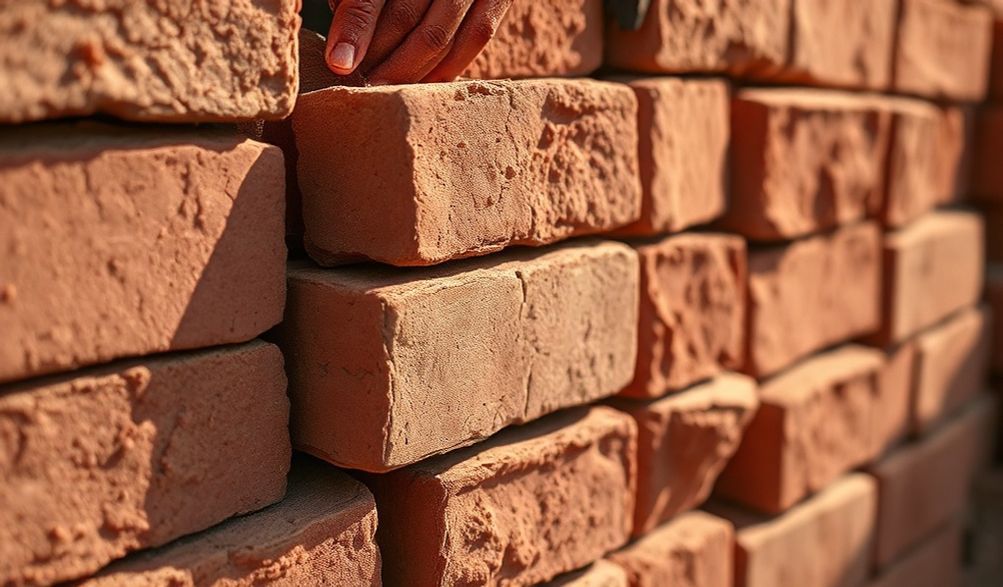
Inzira yo Guhanga Amazu Akanoze: Kubaka mu buryo Budahungabanya ibidukikije
Intangamarara
Icyifuzo cy’isi yose kiraboneka neza: ukeneye kwiyongera kw’amazu y’ubushobozi, hamwe n’ingaruka zibidukikije by’ubwubatsi busanzwe. Gushakisha ingamba z’ubwubatsi zishobora gukomeza, zikomeye kandi ziboneka ku giciro gito ntibyigeze byihutisha nk’ubu. Muri ubu bushakisho, ikoranabuhanga rihamye, ariko rishoboka cyane rikaba ririmo gukura – umushini w’ibyumba by’ubutaka bwikomatanya (ISB).
Uyu mwongozo werekana ISB nta nk'igikoresho gusa, ahubwo nk'ingamba yihariye mu kubaka. Ugushoboza abantu ku giti cyabo, imiryango, n'abatunganya amazu kubaka inyubako zikomeye, ziza, kandi zidaharanira inyungu z'ikirere zikoresheje ubutaka bari hasi. Ibiganiro byacu byubatswe ku nsanganyamatsiko z'ingamba z'ubwubatsi, uburambe mu rwego rw'ubukorikori, no kwiyemeza gutanga amakuru yizewe kandi ashobora gukoreshwa. Intego yacu ni ugukorera ubutumwa bwihariye ku buhinzi bwo guhindura uburyo bwo kubaka.
Guhura mu bintu bitandukanye by’"mashini y’ibyumba by’ubutaka bihuriyeho", uzamenya uko ikora, akamaro kayo kanini, ubwoko butandukanye bwayo, n’ingamba ngenderwaho zo kuyikoresha neza. Niba uri umubaji w’urugo, umunyaprofesiyo mu iterambere, cyangwa ushaka gusa kumenya uburyo bwo gukoresha ibikoresho birambye, iyi nyigisho yasezeranya inzira yuzuye kuva mu guhitamo ubutaka kugeza mu gaka imirongo.
Ni iki gikoresho cyubaka ibyumba bikoresheje amashanyarazi? (Gusobanukirwa Ubumenyi Bw'ingenzi)
Mu ngando yayo, umashini w'ibyatsi by'ubutaka bishyikiranye ni igikoresho gikoresha umwuka ukaze mu butaka bwumye kugirango bigire ubunini bwinshi, bifite imiterere y'inyubako. Ikintu cyacyo gisobanura ni imiterere y'ubushyikirane ishyizwe mu cyatsi cyose, ibikora kugirango bihuze hamwe nk'ibice by'igisubizo, akenshi bitakeneye sima.
Inshingiro Nyamukuru: Gukanya no Gukorana
Imikorere yayo ni imeza neza kandi isobanutse.
- GukanyaInzandu y'ubutaka bwumye—kenshi ikomeza hamwe na sima nkeya cyangwa ishwagara—ishyirwa mu iforoma ry'icyuma. Iramu ifite ingufu nyinshi, niba y'ibikorwa by'umuntu, hydraulic, cyangwa imashini, irakandagira iki gikoresho. Iyi ngufu iteranya ibice by'ubutaka, ikuraho ibyiciro by'umwuka kandi ikarema igipande cy'ubutaka gifite ingufu zitangaje.
- Interlock:ISB ikinyuranyo n’amatafari y’imisago isanzwe, ifite imiterere (ururimi) iri hejuru hejuru n’umwobo ukwiye hasi. Ibindi bikorwa bishushanyije bikoresha inkomane nk’iz’igisoro kumurongo. Ibi bishobora gukora ko amabuye yerekana neza kandi yerekana neza, bigakora urukuta rwihariye, rukozwe n’uburyo bwo “guhuriza hamwe.”
Amateka Make na Ingaruka ku Isi
Inzira y’iki gihe yavuye mu mwobo w’abantu witwa CINVA Ram wakozwe mu myaka ya za 1950. Imashini z’ubu ni ingaruka z’ubwenge z’uwo mwobo w’ibanze, zikaba zihagaze hagati y’imashini zikorwa n’amaboko kugeza ku nzira z’ikora zizenguruka zikora mu buryo bwikora.
Ingaruka ku isi yose ni nyinshi. Tekinoloji ya ISB yagize uruhare rukomeye mu:
* Guhindura ibyavunitsemu turere nka Hayiti na Nepal, gutanga amazu yihuta kandi ahendutse.
* Ibikorwa by’imiturire ihendutsemu Afurika, Aziya, na Amerika y’Epfo.
* Ubwubatsi burambaku isi yose, kuva mu nzu z’ibidukikije kugeza mu nzu z’abantu, zihimbwa kubera ingufu nke zikoresha n’imikorere y’ubushyuhe.
Inyungu z'ingenzi zo gukoresha imashini ikomatanya amatafari y'ubutaka
Ibyiza by'iki gikoresho bireba ubukungu, ibidukikije, n'imiterere, bikaba bigira uruhare runini mu kwemeza ko gikwiye gukoreshwa.
Ubwungemu n’ibyiza byo kugerwaho
- Kugabanya cyane igiciro cy'ibikoresho: The primary ingredient—soil—is often available on-site or locally for minimal cost. This eliminates the major expense of fired bricks or concrete blocks.
- Low Operational Cost: Once the machine is acquired, production costs are very low, requiring minimal energy (especially for manual models) and labor.
- Income Generation Potential: Owners can establish a small-scale business, producing blocks for their community and creating local jobs, fostering low-cost buildingnaaffordable construction initiatives.
Environmental and Sustainability Benefits
- Minimal Carbon Footprint: The process requires no firing, saving vast amounts of fossil fuels and avoiding the CO2 emissions associated with cement or brick kilns.
- Local & Natural Materials: It utilizes subsoil, a renewable local resource, reducing the environmental damage from quarrying and long-distance transport of materials.
- Ubushyuhe Bwiza Bw'Ingufu: Compressed earth blocks have excellent thermal mass, absorbing heat during the day and releasing it at night, naturally regulating indoor temperatures and slashing energy bills—a hallmark of eco-friendly constructionnasustainable building material.
Structural and Practical Perks
- Ubushobozi Bwinshi Bwo Gukandagira: Properly made and cured blocks can achieve strengths comparable to or exceeding conventional fired clay bricks.
- Faster Construction Speed: The interlocking, mortar-less system allows walls to rise quickly, as there’s no waiting for mortar to set between courses.
- Guhindura Ibishushanyo The blocks can be easily shaped on-site for creating curved walls, arches, and various architectural features, offering great aesthetic freedom.
Types of Interlocking Soil Block Machines: Choosing the Right One
Selecting the correct machine hinges on your project scale, budget, and labor availability. Here are the three main categories.
Manual Press Machines (The Entry-Level Option)
- Ibisobanuro: Operated by a long lever, these rely on human power to generate compression force. They are highly portable and simple.
- Inziza: Lowest upfront cost, no need for electricity or fuel, extremely portable, easy to maintain.
- Ibibi: Physically demanding, slower production rate (e.g., 60-100 blocks per person per day), requires consistent effort for uniform block quality.
Hydraulic Machines (The Balanced Performer)
- Ibisobanuro: These use a hydraulic system to apply pressure. They can be powered by a manual hand pump, an electric motor, or a petrol/diesel engine.
- Inziza: Delivers higher, more consistent pressure for stronger blocks. Significantly increases production output with less physical labor. Offers a great balance of capability and cost. Often marketed as a hydraulic brick presscyangwamashini yo gukora ibyatsi byo mu gitaka byakozwe mu buryo bwa compact.
- Ibibi: Higher initial investment than manual presses. Requires basic maintenance of hydraulic components. Engine or electric models need a power source.
Fully Automated Machines (The High-Production Solution)
- Ibisobanuro: These are motorized, stationary systems that often integrate a mixer, conveyor, and multiple presses. They produce blocks in a continuous, automated cycle.
- Inziza: Very high, consistent output (thousands of blocks per day), minimal manual labor, and excellent block uniformity. Ideal for commercial ventures.
- Ibibi: Requires a substantial capital investment, a reliable power supply, and more space. They are not portable. These are true automatic soil block maker systems for commercial block making machineimirimo.
The Step-by-Step Process: From Soil to Solid Wall
Success with ISBs depends on a meticulous process. Skipping steps compromises quality and strength.
Step 1: Soil Testing and Selection (The Critical Foundation)
Not all soil is suitable. The ideal soil is a “loam” containing a balanced mix of:
* Umubumba: Acts as the natural binder.
* Umutaka Fills voids.
* Umusenyi: Provides skeletal strength and reduces shrinkage.
Perform these simple field tests:
* Jar Test: Layer soil and water in a clear jar, shake, and let settle. The layers will show approximate ratios of sand, silt, and clay.
* Ribbon Test: Moisten soil and try to roll it into a thin ribbon. If it forms a ribbon 2-3 cm long before breaking, the clay content is likely adequate.
Step 2: Material Preparation and Stabilization
- Gukaraga: Remove stones, roots, and organic matter.
- Guhagarika For permanent, load-bearing structures in most climates, a stabilizer is essential.
- Cement (5-10%): Most common. Provides high strength and water resistance.
- Lime (5-15%): Good for clay-rich soils, offers flexibility.
- Gukomatanya: Combine soil, stabilizer, and water thoroughly. The moisture content is critical—aim for “optimum moisture” where a handful of mix holds its shape when squeezed but crumbles when poked.
Step 3: Block Production and Curing
- Ibikorwa: Fill the machine’s mold with the prepared mix, operate the press to compress, then eject the finished block.
- Gukora: This is where blocks gain strength. Stack them in a shaded area, cover with plastic sheeting, and keep them damp by lightly sprinkling with water for 7-14 days. Proper curing is non-negotiable for durability.
Critical Considerations Before You Buy or Use a Machine
Project Scope and Scale Assessment
Ibaza.
* How many blocks do I need for my project?
* What is my timeline?
* What is my budget for the machine and labor?
Your answers will clearly point you toward a manual, hydraulic, or automated system.
Soil Suitability and Local Regulations
- Professional Testing: For large projects, invest in a lab soil test for precise composition and recommended stabilizer percentages.
- Building Codes: Crucially, check your local building regulations. While earth construction is gaining acceptance, you may need permits or to demonstrate compliance with specific engineering standards. This due diligence is key to establishing trustworthiness in your build.
Machine Specifications and Supplier Vetting
Ibyingenzi byo gushakisha:
* Block dimensions and interlock design.
* Compression pressure (measured in MPa or PSI). Higher pressure generally means stronger blocks.
* Production capacity (blocks per hour/day).
* Machine weight and build quality (thick steel is better).
* Warranty and availability of spare parts.
Choosing a supplier:
* Seek companies with a proven track record.
* Ask for customer references and contact them.
* Look for suppliers who offer comprehensive training—this is a major value-add.
Frequently Asked Questions (FAQ) About Interlocking Soil Block Machines
Q1: How strong are interlocking soil blocks compared to fired bricks or concrete blocks?
A: With proper soil mix and stabilization (e.g., 5-10% cement), ISBs can achieve a compressive strength of 3-10 MPa, which meets or exceeds the strength of standard fired clay bricks (3.5-7 MPa). They are perfectly suited for durable, load-bearing walls in 1-3 story buildings.
Q2: Can I use any type of soil from my property?
A: Not all soil is suitable. Pure clay will shrink and crack; pure sand will not bind. The ideal soil is a blend. Simple field tests like the jar test and ribbon test are essential first steps to determine suitability.
Q3: Are buildings made with these blocks waterproof?
A: The blocks are weather-resistant but not waterproof. Like most masonry, they require protective detailing: a raised foundation, adequate roof overhangs, and a breathable plaster render (e.g., earthen or lime-based plaster). The interlocking design itself provides excellent resistance to rain penetration.
Q4: What is the typical cost range for a machine?
A: Manual presses range from \$500 – \$2,500. Hydraulic machines typically cost \$2,500 – \$15,000. Fully automated production systems start around \$20,000 and can exceed \$100,000. Prices vary by capacity, automation, and region.
Q5: Is special training required to operate the machine and build with the blocks?
A: Basic machine operation is simple to learn. However, comprehensive training in soil science, mix design, block production, and—most importantly—construction techniques (lintels, rebars, bond beams, plumbing/electrical integration) is highly recommended for ensuring structural integrity, safety, and a long-lasting building.
Ibyo byose
The interlocking soil block machine stands as a testament to the power of appropriate technology. It offers a tangible path toward sustainable, economical, and resilient construction, putting the power to build back into the hands of communities and individuals. As we’ve explored, its success is not magic—it’s the application of expert knowledge in soil mechanics, learning from experienced practitioners, investing in trustworthy equipment, and adhering to proven best practices.
Your journey starts with understanding your local soil. We encourage you to take that first step: perform a simple jar test, connect with sustainable building organizations in your area, and reach out to reputable machine manufacturers for detailed specifications. In an era demanding smarter resource use, interlocking soil block technology isn’t just an alternative; it’s a forward-looking, practical choice for the future of building.
<