
Ang Komprehensibong Gabay sa Mga Makina ng Interlocking Soil Block: Magtayo nang Matatag at Nakatutulong sa Kalikasan
Panimula
Ang pandaigdigang hamon ay malinaw: ang lumalaking pangangailangan para sa abot-kayang pabahay, kasabay ng pinsalang dulot sa kapaligiran ng konbensyonal na konstruksyon. Ang paghahanap ng mga sustenableng, matatag, at abot-kayang solusyon sa pagpapatayo ay hindi kailanman naging mas kagyat. Sa gitna ng paghahanap na ito, isang makapangyarihan, ngunit simple at eleganteng teknolohiya ay patuloy na lumalaganap—ang makina ng interlocking soil block (ISB).
Ang gabay na ito ay hindi nagpapakita ng ISB machine bilang isang kasangkapan lamang, kundi bilang isang rebolusyonaryong pamamaraan sa konstruksiyon. Pinapangyari nito ang mga indibidwal, komunidad, at developer na magtayo ng matitibay, magaganda, at palakaibigang mga istruktura mula mismo sa lupang kanilang kinatatayuan. Ang aming talakayan ay nakabatay sa mga prinsipyo ng inhenyeriya, praktikal na karanasan sa larangan, at isang pangako na magbigay ng mapagkakatiwalaan at magagamit na impormasyon. Ang aming layunin ay maging iyong mapagkakatiwalaang sanggunian sa ganitong nagbabagong teknolohiya.
Sa pamamagitan ng pagtuklas sa mga detalye ng "interlocking soil block machine," malalaman mo kung paano ito gumagana, ang malalim nitong mga benepisyo, ang iba't ibang uri na available, at ang mahahalagang hakbang upang matagumpay itong magamit. Ikaw man ay isang self-builder, propesyonal sa pagpapaunlad, o simpleng naghahangad malaman ang mga sustainable na alternatibo, ang gabay na ito ay nangangako ng isang komprehensibong paglalakbay mula sa pagpili ng lupa hanggang sa matibay na pader.
Ano ang Interlocking Soil Block Machine? (Pag-unawa sa Pangunahing Teknolohiya)
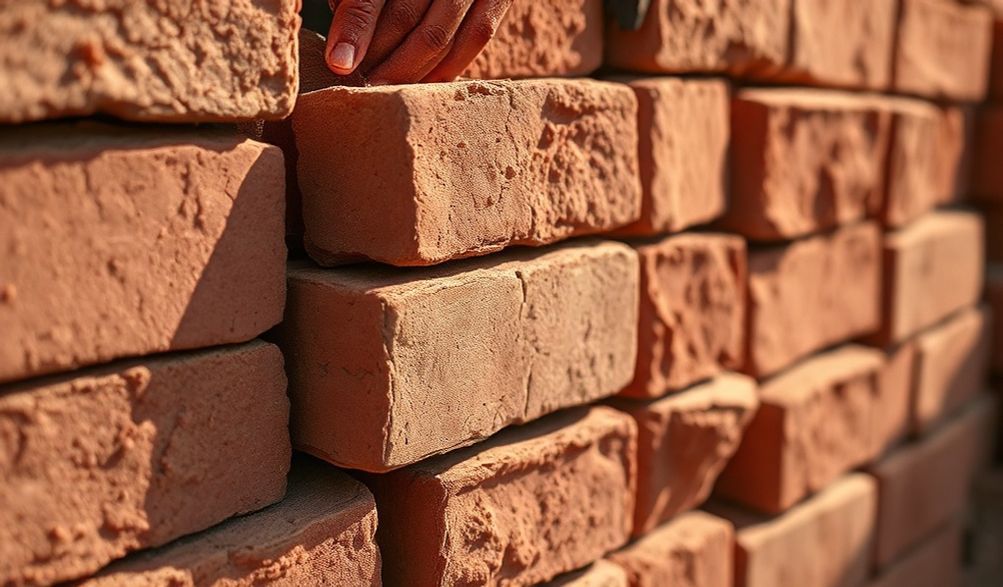
Sa kaibuturan nito, ang interlocking soil block machine ay isang aparatong nagpupuwersa ng basang lupa upang maging isang de-kalidad at tiyak ang hugis na bloke ng gusali. Ang natatanging katangian nito ay ang disenyong magkakaugnay na humuhubog sa bawat bloke, na nagpapahintulot sa mga ito na magkabagay tulad ng mga piraso ng puzzle, kadalasan nang hindi nangangailangan ng mortar.
Ang Pangunahing Prinsipyo: Pagpiga at Pagkakabit
Ang mekanismo ay maganda at tuwirang madaling maunawaan.
- Kompresyon:Ang timpla ng mamasa-masang lupa—na kadalasang pinatatatag ng kaunting semento o apog—ay inilalagay sa isang bakal na molde. Isang mataas-presyur na pambomba, maging manwal, haydroliko, o mekanikal, ang nagpupuwersa sa materyal na ito. Ang puwersang ito ay nag-aayos ng mga partikulo ng lupa, nag-aalis ng mga hangin at lumilikha ng isang bloke na may pambihirang lakas.
- Interlock:Hindi tulad ng isang karaniwang parihabang ladrilyo, ang ISB ay may nakataas na disenyo (dila) sa ibabaw at katugmang uka sa ilalim. Ang ilang mga disenyo ay may mga palaisipang gilid sa mga tagiliran din. Ito ay nagbibigay-daan sa mga bloke na magkakabit nang patayo at pahalang, na lumilikha ng isang matatag, monolitikong sistema ng pader sa pamamagitan ng "dry-stacking."
Isang Maikling Kasaysayan at Pandaigdigang Epekto
Ang modernong konsepto ay nagmula sa manuwal na CINVA Ram na binuo noong 1950s. Ang mga makina ngayon ay mas sopistikadong pag-unlad ng orihinal na ideyang iyon, mula sa mga pindutang pinatatakbo ng kamay hanggang sa ganap na awtomatikong mga linya ng produksyon.
Malaki ang epekto nito sa buong mundo. Naging napakahalaga ang teknolohiya ng ISB sa mga sumusunod:
* Pag-ayos pagkatapos ng kalamidadsa mga rehiyon tulad ng Haiti at Nepal, nagbibigay ng mabilis at murang pabahay.
* Abot-kayang proyekto sa pabahaysa buong Africa, Asia, at Latin America.
* Mga sustainable na gusalisa buong mundo, mula sa mga eco-lodge hanggang sa mga pribadong tahanan, pinahahalagahan dahil sa kanilang mababang embodied energy at pagganap sa init.
Mga Pangunahing Benepisyo ng Paggamit ng Interlocking Soil Block Machine
Ang mga bentahe ng teknolohiyang ito ay sumasaklaw sa mga aspetong pang-ekonomiya, pangkapaligiran, at pangkaayusan, na nagbibigay ng matibay na dahilan para sa paggamit nito.
Economic and Accessibility Advantages
- Drastic Material Cost Reduction: The primary ingredient—soil—is often available on-site or locally for minimal cost. This eliminates the major expense of fired bricks or concrete blocks.
- Low Operational Cost: Once the machine is acquired, production costs are very low, requiring minimal energy (especially for manual models) and labor.
- Income Generation Potential: Owners can establish a small-scale business, producing blocks for their community and creating local jobs, fostering low-cost buildingataffordable construction initiatives.
Environmental and Sustainability Benefits
- Minimal Carbon Footprint: The process requires no firing, saving vast amounts of fossil fuels and avoiding the CO2 emissions associated with cement or brick kilns.
- Local & Natural Materials: It utilizes subsoil, a renewable local resource, reducing the environmental damage from quarrying and long-distance transport of materials.
- Superior na Kapasidad ng Thermal Mass: Compressed earth blocks have excellent thermal mass, absorbing heat during the day and releasing it at night, naturally regulating indoor temperatures and slashing energy bills—a hallmark of eco-friendly constructionatsustainable building material.
Structural and Practical Perks
- Mataas na Lakas ng Kompresyon: Properly made and cured blocks can achieve strengths comparable to or exceeding conventional fired clay bricks.
- Faster Construction Speed: The interlocking, mortar-less system allows walls to rise quickly, as there’s no waiting for mortar to set between courses.
- Flexibilidad sa Disenyo The blocks can be easily shaped on-site for creating curved walls, arches, and various architectural features, offering great aesthetic freedom.
Types of Interlocking Soil Block Machines: Choosing the Right One
Selecting the correct machine hinges on your project scale, budget, and labor availability. Here are the three main categories.
Manual Press Machines (The Entry-Level Option)
- Paglalarawan: Operated by a long lever, these rely on human power to generate compression force. They are highly portable and simple.
- Mga Kalamangan: Lowest upfront cost, no need for electricity or fuel, extremely portable, easy to maintain.
- Mga Disbentahe: Physically demanding, slower production rate (e.g., 60-100 blocks per person per day), requires consistent effort for uniform block quality.
Hydraulic Machines (The Balanced Performer)
- Paglalarawan: These use a hydraulic system to apply pressure. They can be powered by a manual hand pump, an electric motor, or a petrol/diesel engine.
- Mga Kalamangan: Delivers higher, more consistent pressure for stronger blocks. Significantly increases production output with less physical labor. Offers a great balance of capability and cost. Often marketed as a hydraulic brick pressomakina ng bloke ng siksik na lupa.
- Mga Disbentahe: Higher initial investment than manual presses. Requires basic maintenance of hydraulic components. Engine or electric models need a power source.
Fully Automated Machines (The High-Production Solution)
- Paglalarawan: These are motorized, stationary systems that often integrate a mixer, conveyor, and multiple presses. They produce blocks in a continuous, automated cycle.
- Mga Kalamangan: Very high, consistent output (thousands of blocks per day), minimal manual labor, and excellent block uniformity. Ideal for commercial ventures.
- Mga Disbentahe: Requires a substantial capital investment, a reliable power supply, and more space. They are not portable. These are true automatic soil block maker systems for commercial block making machinemga operasyon.
The Step-by-Step Process: From Soil to Solid Wall
Success with ISBs depends on a meticulous process. Skipping steps compromises quality and strength.
Step 1: Soil Testing and Selection (The Critical Foundation)
Not all soil is suitable. The ideal soil is a “loam” containing a balanced mix of:
* Luad:Gumaganap bilang natural na pang-angkop.
* Lusak: Fills voids.
* Buhangin Provides skeletal strength and reduces shrinkage.
Perform these simple field tests:
* Jar Test: Layer soil and water in a clear jar, shake, and let settle. The layers will show approximate ratios of sand, silt, and clay.
* Ribbon Test: Moisten soil and try to roll it into a thin ribbon. If it forms a ribbon 2-3 cm long before breaking, the clay content is likely adequate.
Step 2: Material Preparation and Stabilization
- Sieving: Remove stones, roots, and organic matter.
- Pagpapatatag: For permanent, load-bearing structures in most climates, a stabilizer is essential.
- Cement (5-10%): Most common. Provides high strength and water resistance.
- Lime (5-15%): Good for clay-rich soils, offers flexibility.
- Paghahalo: Combine soil, stabilizer, and water thoroughly. The moisture content is critical—aim for “optimum moisture” where a handful of mix holds its shape when squeezed but crumbles when poked.
Step 3: Block Production and Curing
- Produksyon: Fill the machine’s mold with the prepared mix, operate the press to compress, then eject the finished block.
- Pagpapagaling: This is where blocks gain strength. Stack them in a shaded area, cover with plastic sheeting, and keep them damp by lightly sprinkling with water for 7-14 days. Proper curing is non-negotiable for durability.
Critical Considerations Before You Buy or Use a Machine
Project Scope and Scale Assessment
Tanungin mo ang iyong sarili:
* How many blocks do I need for my project?
* What is my timeline?
* What is my budget for the machine and labor?
Your answers will clearly point you toward a manual, hydraulic, or automated system.
Soil Suitability and Local Regulations
- Professional Testing: For large projects, invest in a lab soil test for precise composition and recommended stabilizer percentages.
- Building Codes: Crucially, check your local building regulations. While earth construction is gaining acceptance, you may need permits or to demonstrate compliance with specific engineering standards. This due diligence is key to establishing trustworthiness in your build.
Machine Specifications and Supplier Vetting
Key specifications to scrutinize:
* Block dimensions and interlock design.
* Compression pressure (measured in MPa or PSI). Higher pressure generally means stronger blocks.
* Production capacity (blocks per hour/day).
* Machine weight and build quality (thick steel is better).
* Warranty and availability of spare parts.
Choosing a supplier:
* Seek companies with a proven track record.
* Ask for customer references and contact them.
* Look for suppliers who offer comprehensive training—this is a major value-add.
Frequently Asked Questions (FAQ) About Interlocking Soil Block Machines
Q1: How strong are interlocking soil blocks compared to fired bricks or concrete blocks?
Isalin ang teksto sa Filipino. I-output LAMANG ang isinalin na teksto. With proper soil mix and stabilization (e.g., 5-10% cement), ISBs can achieve a compressive strength of 3-10 MPa, which meets or exceeds the strength of standard fired clay bricks (3.5-7 MPa). They are perfectly suited for durable, load-bearing walls in 1-3 story buildings.
Q2: Can I use any type of soil from my property?
Isalin ang teksto sa Filipino. I-output LAMANG ang isinalin na teksto. Not all soil is suitable. Pure clay will shrink and crack; pure sand will not bind. The ideal soil is a blend. Simple field tests like the jar test and ribbon test are essential first steps to determine suitability.
Q3: Are buildings made with these blocks waterproof?
Isalin ang teksto sa Filipino. I-output LAMANG ang isinalin na teksto. The blocks are weather-resistant but not waterproof. Like most masonry, they require protective detailing: a raised foundation, adequate roof overhangs, and a breathable plaster render (e.g., earthen or lime-based plaster). The interlocking design itself provides excellent resistance to rain penetration.
Q4: What is the typical cost range for a machine?
Isalin ang teksto sa Filipino. I-output LAMANG ang isinalin na teksto. Manual presses range from \$500 – \$2,500. Hydraulic machines typically cost \$2,500 – \$15,000. Fully automated production systems start around \$20,000 and can exceed \$100,000. Prices vary by capacity, automation, and region.
Q5: Is special training required to operate the machine and build with the blocks?
Isalin ang teksto sa Filipino. I-output LAMANG ang isinalin na teksto. Basic machine operation is simple to learn. However, comprehensive training in soil science, mix design, block production, and—most importantly—construction techniques (lintels, rebars, bond beams, plumbing/electrical integration) is highly recommended for ensuring structural integrity, safety, and a long-lasting building.
Konklusyon
The interlocking soil block machine stands as a testament to the power of appropriate technology. It offers a tangible path toward sustainable, economical, and resilient construction, putting the power to build back into the hands of communities and individuals. As we’ve explored, its success is not magic—it’s the application of expert knowledge in soil mechanics, learning from experienced practitioners, investing in trustworthy equipment, and adhering to proven best practices.
Your journey starts with understanding your local soil. We encourage you to take that first step: perform a simple jar test, connect with sustainable building organizations in your area, and reach out to reputable machine manufacturers for detailed specifications. In an era demanding smarter resource use, interlocking soil block technology isn’t just an alternative; it’s a forward-looking, practical choice for the future of building.
<