
الدليل الشامل لآلات صنع الكتل الترابية المتشابكة: ابني بشكل مستدام
مقدمة
التحدي العالمي صارخ: حاجة متزايدة للإسكان الميسور، يقابلها أثر بيئي للبناء التقليدي. البحث عن حلول بناء مستدامة وقوية وفعالة التكلفة لم يكن أكثر إلحاحًا من أي وقت مضى. وسط هذا البحث، تكتسب تقنية قوية لكنها بسيطة أنيقة أرضًا – وهي آلة الطوب الترابي المتشابك.
يقدم هذا الدليل آلة ISB ليس فقط كأداة، بل كنهج ثوري في البناء. فهي تمكن الأفراد والمجتمعات والمطورين من إنشاء هياكل قوية وجميلة وصديقة للبيئة من الأرض ذاتها تحت أقدامهم. يستند نقاشنا إلى أساس من المبادئ الهندسية، والخبرة العملية الميدانية، والالتزام بتقديم معلومات موثوقة وقابلة للتطبيق. هدفنا هو أن نكون مصدركم الموثوق لهذه التكنولوجيا التحويلية.
من خلال استكشاف تعقيدات "آلة صنع الطوب الترابي المتشابك"، ستتعلم كيفية عملها، وفوائدها العميقة، والأنواع المختلفة المتاحة، والخطوات الحاسمة لاستخدامها بنجاح. سواء كنت بانيًا ذاتيًا، أو محترفًا في مجال التنمية، أو ببساطة فضوليًا حول البدائل المستدامة، يعدك هذا الدليل برحلة شاملة من اختيار التربة إلى الجدار الصلب.
ما هي آلة صنع الطوب المتشابك؟ (فهم التقنية الأساسية)
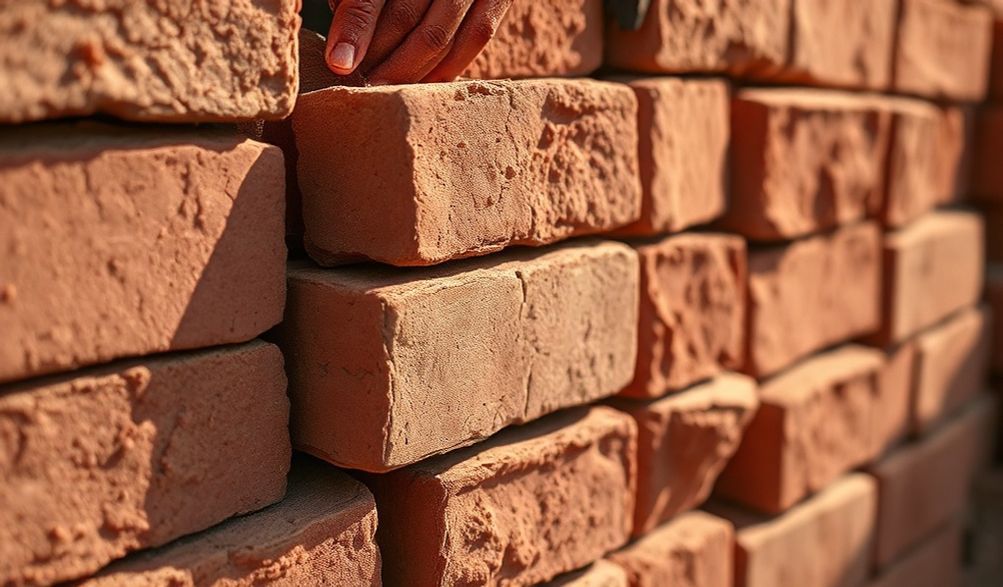
في جوهره، آلة صنع الطوب الترابي المتشابك هي جهاز يضغط التربة الرطبة إلى لبنة بناء عالية الكثافة ومشكّلة بدقة. وتتميز بتصميم التشابك المنقول إلى كل لبنة، مما يمكنها من التماسك معاً كقطع الأحجية، غالباً دون الحاجة إلى الملاط.
المبدأ الأساسي: الضغط والتشابك
الميكانيكا جميلة ومباشرة.
- ضغط:يتم وضع خليط من التربة الرطبة - غالباً ما يتم تثبيتها بكمية صغيرة من الإسمنت أو الجير - في قالب فولاذي. ثم يقوم مكبس عالي الضغط، سواء كان يدوياً أو هيدروليكياً أو ميكانيكياً، بضغط هذه المادة. تعمل هذه القوة على محاذاة جزيئات التربة، مما يزيل الجيوب الهوائية ويخلق كتلة ذات متانة استثنائية.
- تشابكعلى عكس الطوب المستطيل القياسي، يتميز الطوب المعزول (ISB) بنمط بارز (لسان) في أعلاه وأخدود مقابل في أسفله. كما تتميز بعض التصاميم بحواف تشبه الألغاز على الجوانب أيضًا. وهذا يسمح للكتل بالالتقاف عموديًا وأفقيًا، مما يشكل نظام جدار أحادي مستقر من خلال "التركيب الجاف".
نبذة تاريخية وأثر عالمي
تطور المفهوم الحديث من آلة سينفا رام اليدوية التي تم تطويرها في خمسينيات القرن العشرين. وتعتبر الآلات الحالية تطورات متطورة لتلك الفكرة الأصلية، تتراوح بين المكابس التي تعمل يدويًا وخطوط الإنتاج المؤتمتة بالكامل.
التأثير العالمي كبير. كانت تكنولوجيا ISB محورية في:
* إعادة الإعمار بعد الكوارثفي مناطق مثل هايتي ونيبال، توفير سكن سريع ومنخفض التكلفة.
* مشاريع الإسكان الميسور التكلفةعبر إفريقيا وآسيا وأمريكا اللاتينية.
* البناء المستدامعالميًا، من النزل البيئية إلى المنازل الخاصة، تُقدّر لقدرتها المنخفضة على استهلاك الطاقة وأدائها الحراري المتميز.
المزايا الرئيسية لاستخدام آلة صنع الطوب الترابي المتشابك
مزايا هذه التكنولوجيا تمتد عبر المجالات الاقتصادية والبيئية والهيكلية، مما يجعل الحجة لتبنيها مقنعة.
المزايا الاقتصادية وسهولة الوصول
- خفض تكاليف المواد بشكل كبير:المكون الأساسي—التربة—غالبًا ما يكون متاحًا في الموقع أو محليًا بتكلفة قليلة. هذا يلغي النفقة الكبيرة للطوب المحروق أو الكتل الخرسانية.
- تكاليف تشغيل منخفضة:بمجرد الحصول على الآلة، تكون تكاليف الإنتاج منخفضة جدًا، حيث تتطلب طاقة قليلة (خاصة في الموديلات اليدوية) وعمالة قليلة.
- إمكانية توليد الدخليمكن للمالكين تأسيس أعمال تجارية صغيرة الحجم، لإنتاج الطوب لمجتمعهم المحلي وخلق فرص عمل محلية، مما يعزز التنمية الاقتصادية.المباني منخفضة التكلفةوبناء بأسعار معقولةمبادرات.
الفوائد البيئية والاستدامة
- Minimal Carbon Footprint: The process requires no firing, saving vast amounts of fossil fuels and avoiding the CO2 emissions associated with cement or brick kilns.
- Local & Natural Materials: It utilizes subsoil, a renewable local resource, reducing the environmental damage from quarrying and long-distance transport of materials.
- كتلة حرارية فائقة Compressed earth blocks have excellent thermal mass, absorbing heat during the day and releasing it at night, naturally regulating indoor temperatures and slashing energy bills—a hallmark of eco-friendly constructionوsustainable building material.
Structural and Practical Perks
- قوة ضغط عالية: Properly made and cured blocks can achieve strengths comparable to or exceeding conventional fired clay bricks.
- Faster Construction Speed: The interlocking, mortar-less system allows walls to rise quickly, as there’s no waiting for mortar to set between courses.
- المرونة في التصميم: The blocks can be easily shaped on-site for creating curved walls, arches, and various architectural features, offering great aesthetic freedom.
Types of Interlocking Soil Block Machines: Choosing the Right One
Selecting the correct machine hinges on your project scale, budget, and labor availability. Here are the three main categories.
Manual Press Machines (The Entry-Level Option)
- الوصف: Operated by a long lever, these rely on human power to generate compression force. They are highly portable and simple.
- مزايا: Lowest upfront cost, no need for electricity or fuel, extremely portable, easy to maintain.
- سلبيات: Physically demanding, slower production rate (e.g., 60-100 blocks per person per day), requires consistent effort for uniform block quality.
Hydraulic Machines (The Balanced Performer)
- الوصف: These use a hydraulic system to apply pressure. They can be powered by a manual hand pump, an electric motor, or a petrol/diesel engine.
- مزايا: Delivers higher, more consistent pressure for stronger blocks. Significantly increases production output with less physical labor. Offers a great balance of capability and cost. Often marketed as a hydraulic brick pressأوآلة ضغط الطوب الترابي.
- سلبيات: Higher initial investment than manual presses. Requires basic maintenance of hydraulic components. Engine or electric models need a power source.
Fully Automated Machines (The High-Production Solution)
- الوصف: These are motorized, stationary systems that often integrate a mixer, conveyor, and multiple presses. They produce blocks in a continuous, automated cycle.
- مزايا: Very high, consistent output (thousands of blocks per day), minimal manual labor, and excellent block uniformity. Ideal for commercial ventures.
- سلبيات: Requires a substantial capital investment, a reliable power supply, and more space. They are not portable. These are true automatic soil block maker systems for commercial block making machineعمليات.
The Step-by-Step Process: From Soil to Solid Wall
Success with ISBs depends on a meticulous process. Skipping steps compromises quality and strength.
Step 1: Soil Testing and Selection (The Critical Foundation)
Not all soil is suitable. The ideal soil is a “loam” containing a balanced mix of:
* طين Acts as the natural binder.
* الطمي: Fills voids.
* رمل Provides skeletal strength and reduces shrinkage.
Perform these simple field tests:
* Jar Test: Layer soil and water in a clear jar, shake, and let settle. The layers will show approximate ratios of sand, silt, and clay.
* Ribbon Test: Moisten soil and try to roll it into a thin ribbon. If it forms a ribbon 2-3 cm long before breaking, the clay content is likely adequate.
Step 2: Material Preparation and Stabilization
- Sieving: Remove stones, roots, and organic matter.
- الاستقرار: For permanent, load-bearing structures in most climates, a stabilizer is essential.
- الإسمنت (5-10%): Most common. Provides high strength and water resistance.
- Lime (5-15%): Good for clay-rich soils, offers flexibility.
- خلط: Combine soil, stabilizer, and water thoroughly. The moisture content is critical—aim for “optimum moisture” where a handful of mix holds its shape when squeezed but crumbles when poked.
Step 3: Block Production and Curing
- الإنتاج Fill the machine’s mold with the prepared mix, operate the press to compress, then eject the finished block.
- التداوي This is where blocks gain strength. Stack them in a shaded area, cover with plastic sheeting, and keep them damp by lightly sprinkling with water for 7-14 days. Proper curing is non-negotiable for durability.
Critical Considerations Before You Buy or Use a Machine
Project Scope and Scale Assessment
اسأل نفسك:
* How many blocks do I need for my project?
* What is my timeline?
* What is my budget for the machine and labor?
Your answers will clearly point you toward a manual, hydraulic, or automated system.
Soil Suitability and Local Regulations
- Professional Testing: For large projects, invest in a lab soil test for precise composition and recommended stabilizer percentages.
- Building Codes: Crucially, check your local building regulations. While earth construction is gaining acceptance, you may need permits or to demonstrate compliance with specific engineering standards. This due diligence is key to establishing trustworthiness in your build.
Machine Specifications and Supplier Vetting
المواصفات الرئيسية التي يجب التدقيق فيها:
* Block dimensions and interlock design.
* Compression pressure (measured in MPa or PSI). Higher pressure generally means stronger blocks.
* Production capacity (blocks per hour/day).
* Machine weight and build quality (thick steel is better).
* Warranty and availability of spare parts.
Choosing a supplier:
* Seek companies with a proven track record.
* Ask for customer references and contact them.
* Look for suppliers who offer comprehensive training—this is a major value-add.
Frequently Asked Questions (FAQ) About Interlocking Soil Block Machines
Q1: How strong are interlocking soil blocks compared to fired bricks or concrete blocks?
أ: With proper soil mix and stabilization (e.g., 5-10% cement), ISBs can achieve a compressive strength of 3-10 MPa, which meets or exceeds the strength of standard fired clay bricks (3.5-7 MPa). They are perfectly suited for durable, load-bearing walls in 1-3 story buildings.
Q2: Can I use any type of soil from my property?
أ: Not all soil is suitable. Pure clay will shrink and crack; pure sand will not bind. The ideal soil is a blend. Simple field tests like the jar test and ribbon test are essential first steps to determine suitability.
Q3: Are buildings made with these blocks waterproof?
أ: The blocks are weather-resistant but not waterproof. Like most masonry, they require protective detailing: a raised foundation, adequate roof overhangs, and a breathable plaster render (e.g., earthen or lime-based plaster). The interlocking design itself provides excellent resistance to rain penetration.
Q4: What is the typical cost range for a machine?
أ: Manual presses range from \$500 – \$2,500. Hydraulic machines typically cost \$2,500 – \$15,000. Fully automated production systems start around \$20,000 and can exceed \$100,000. Prices vary by capacity, automation, and region.
Q5: Is special training required to operate the machine and build with the blocks?
أ: Basic machine operation is simple to learn. However, comprehensive training in soil science, mix design, block production, and—most importantly—construction techniques (lintels, rebars, bond beams, plumbing/electrical integration) is highly recommended for ensuring structural integrity, safety, and a long-lasting building.
خاتمة
The interlocking soil block machine stands as a testament to the power of appropriate technology. It offers a tangible path toward sustainable, economical, and resilient construction, putting the power to build back into the hands of communities and individuals. As we’ve explored, its success is not magic—it’s the application of expert knowledge in soil mechanics, learning from experienced practitioners, investing in trustworthy equipment, and adhering to proven best practices.
Your journey starts with understanding your local soil. We encourage you to take that first step: perform a simple jar test, connect with sustainable building organizations in your area, and reach out to reputable machine manufacturers for detailed specifications. In an era demanding smarter resource use, interlocking soil block technology isn’t just an alternative; it’s a forward-looking, practical choice for the future of building.
<