
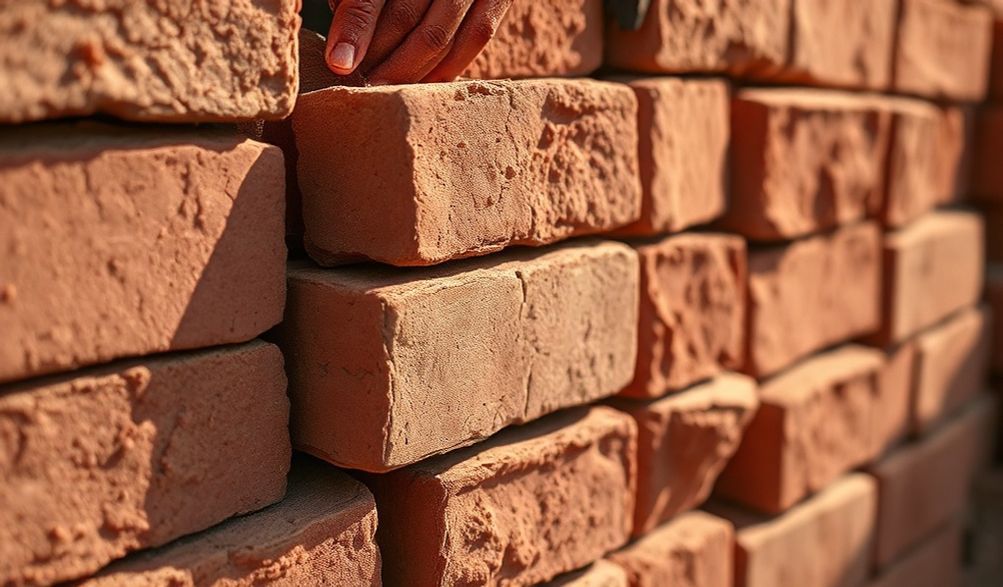
Jagorar Cikakke na Injin Blocking Ƙasa mai Haɗawa: Gina da Dorewa
Gabatarwa
Kalubalen duniya yana da tsanani: ƙarar buƙatar gidaje masu araha, tare da tasirin muhalli na gine-ginen al'ada. Neman ingantattun hanyoyin gini masu dorewa, ƙarfi, da araha bai taɓa zama mai gaggawa ba kamar yadda yake a yanzu. A cikin wannan binciken, wata fasaha mai ƙarfi, amma mai sauƙi tana samun ci gaba – injin bulo mai haɗaɗɗiyar ƙasa (ISB).
Wannan jagorar ta gabatar da na'urar ISB ba kawai a matsayin kayan aiki ba, amma a matsayin sabuwar hanyar gini mai kawo sauyi. Tana ba da ikon ga mutane, al'ummomi, da masu haɓakawa don gina ƙaƙƙarfan gine-gine masu kyau, da kuma amfani da muhalli daga ƙasan ƙasa da ke ƙarƙashin ƙafafunsu. Tattaunawar mu ta ginu ne bisa tushen ƙa'idodin injiniyanci, gogewar aikin filin, da kuma sadaukarwa don samar da ingantaccen bayani mai amfani. Manufarmu ita ce mu zama tushen ku na gaskiya kan wannan fasahar mai kawo sauyi.
Ta hanyar bincika cikakkun bayanai na “na’urar yin tubalin ƙasa mai haɗaka,” za ku koyi yadda take aiki, fa’idodinta masu zurfi, iri-iri daban-daban da ake samu, da matakai masu mahimmanci don amfani da ita cikin nasara. Ko kuna son gina gida da kanku, ƙwararren ma’aikacin ci gaba ne, ko kuma kuna son sanin madadin abubuwan daɗaɗɗawa, wannan jagorar ta yi alkawarin cikakkiyar tafiya daga zaɓin ƙasa har zuwa bangon ƙasa mai ƙarfi.
Menene Injin Tsarin Block na Ƙasa mai Haɗin kai? (Fahimtar Fasahar Cibiyar)
A tsakinsa, na'urar yin tubalin ƙasa mai haɗa kai, wata na'ura ce da ke matse ƙasa mai ɗan jika zuwa wani tubali mai ƙarfi da inganci, wanda aka sassaƙa daidai. Siffarta ta musamman ita ce ƙirar haɗin kai da aka zana a cikin kowane tubali, wanda ke ba su damar haɗuwa kamar guntun wasan wuyar warwarewa, sau da yawa ba tare da buƙatar turmi ba.
Ka'idar Asali: Matsawa da Haɗaɗɗe
Makanikan suna da kyau kai tsaye.
- Matsawa.Gauraye ƙasa mai ɗan laima—sau da yawa ana daidaita ta tare da ɗan siminti ko lemun tsami—ana saka ta cikin wani ƙirar ƙarfe. Babban matsi na ram, ko na hannu, na hydraulic, ko na inji, sai ya matsawa wannan abu. Wannan ƙarfin yana daidaita barbashin ƙasa, yana kawar da huda iska kuma yana ƙirƙirar tubalin mai ƙarfi na ban mamaki.
- Haɗaɗɗe:Ba kamar tubalin rectangular na yau da kullun ba, ISB yana da wani tsari mai tasowa (harshe) a samansa da kuma tsagi mai dacewa a ƙasansa. Wasu ƙira suna da gefuna masu kama da wasa a gefuna ma. Wannan yana ba wa tubalan damar kulle a tsaye da a kwance, suna haifar da tsayayyen tsarin bango guda ɗaya ta hanyar “tara bushe.”
Tarihi a Takaice da Tasirin Duniya
Tunanin zamani ya samo asali ne daga na'urar CINVA Ram ta hannu da aka ƙera a cikin shekarun 1950. Na'urorin yau su ne ƙwararrun nau'ikan wannan ra'ayin na asali, waɗanda suka bambanta daga matse-matsen hannu zuwa cikakkun layukan samarwa ta atomatik.
Tasirin duniya yana da muhimmanci. Fasahar ISB ta kasance mahimmanci a:
* Gyarawa bayan bala'ia yankuna kamar Haiti da Nepal, samar da gidaje masu sauri, marasa tsada.
* Ayyukan gidaje masu arahaa Afirka, Asiya, da Latin Amurka.
* Gine-ginen Dorewaa duniya, daga gidajen zama masu kiyaye muhalli zuwa gidaje masu zaman kansu, ana daraja su saboda ƙarancin makamashi da ake amfani da su da kuma yadda suke daɗa zafi.
Fa'idodi Mafi Muhimmanci na Amfani da Na'urar Yin Tubalin Ƙasa mai Haɗaɗɗe
Fa'idodin wannan fasahar sun shafi fannoni na tattalin arziki, muhalli, da tsarin gine-gine, wanda ya sa akwai dalili mai ƙarfi don amfani da ita.
Fadar Tattalin Arziki da Samuwa
- Ragewar Farashin Kayan Aiki Mai Tsanani:Babban sinadari—ƙasa—yawanci ana samunsa a wurin ko kuma a gida don ƙaramin farashi. Wannan yana kawar da babbar kuɗin tubalin wuta ko tubalin siminti.
- Kudin Aiki KadanDa zarar an sami injin, farashin samarwa yana da rahusa sosai, yana buƙatar ƙarancin makamashi (musamman ga nau'ikan hannu) da kuma aiki.
- Yiwuwar Samun Kuɗi:Masu mallaka na iya kafa ƙaramin kasuwanci, samar da tubalan ga al'ummarsu da ƙirƙirar ayyukan yi na gida, haɓaka haɗin kai.Gina mara tsadakumaGina mai rahusahada-hada.
Fa'idodin Muhalli da Dorewa
- Minimal Carbon Footprint: The process requires no firing, saving vast amounts of fossil fuels and avoiding the CO2 emissions associated with cement or brick kilns.
- Local & Natural Materials: It utilizes subsoil, a renewable local resource, reducing the environmental damage from quarrying and long-distance transport of materials.
- Mafi Girman Girman Zafi: Compressed earth blocks have excellent thermal mass, absorbing heat during the day and releasing it at night, naturally regulating indoor temperatures and slashing energy bills—a hallmark of eco-friendly constructionkumasustainable building material.
Structural and Practical Perks
- Ƙarfin Matsi Mai Girma: Properly made and cured blocks can achieve strengths comparable to or exceeding conventional fired clay bricks.
- Faster Construction Speed: The interlocking, mortar-less system allows walls to rise quickly, as there’s no waiting for mortar to set between courses.
- Sassau na Ƙira: The blocks can be easily shaped on-site for creating curved walls, arches, and various architectural features, offering great aesthetic freedom.
Types of Interlocking Soil Block Machines: Choosing the Right One
Selecting the correct machine hinges on your project scale, budget, and labor availability. Here are the three main categories.
Manual Press Machines (The Entry-Level Option)
- Bayanin: Operated by a long lever, these rely on human power to generate compression force. They are highly portable and simple.
- Abubuwan da suka fi kyau: Lowest upfront cost, no need for electricity or fuel, extremely portable, easy to maintain.
- Rashin Kyau: Physically demanding, slower production rate (e.g., 60-100 blocks per person per day), requires consistent effort for uniform block quality.
Hydraulic Machines (The Balanced Performer)
- Bayanin: These use a hydraulic system to apply pressure. They can be powered by a manual hand pump, an electric motor, or a petrol/diesel engine.
- Abubuwan da suka fi kyau: Delivers higher, more consistent pressure for stronger blocks. Significantly increases production output with less physical labor. Offers a great balance of capability and cost. Often marketed as a hydraulic brick presskona'urar matse tubalin ƙasa.
- Rashin Kyau: Higher initial investment than manual presses. Requires basic maintenance of hydraulic components. Engine or electric models need a power source.
Fully Automated Machines (The High-Production Solution)
- Bayanin: These are motorized, stationary systems that often integrate a mixer, conveyor, and multiple presses. They produce blocks in a continuous, automated cycle.
- Abubuwan da suka fi kyau: Very high, consistent output (thousands of blocks per day), minimal manual labor, and excellent block uniformity. Ideal for commercial ventures.
- Rashin Kyau: Requires a substantial capital investment, a reliable power supply, and more space. They are not portable. These are true automatic soil block maker systems for commercial block making machineaiki.
The Step-by-Step Process: From Soil to Solid Wall
Success with ISBs depends on a meticulous process. Skipping steps compromises quality and strength.
Step 1: Soil Testing and Selection (The Critical Foundation)
Not all soil is suitable. The ideal soil is a “loam” containing a balanced mix of:
* YumbuYana aiki a matsayin mai ɗaure na halitta.
* Laka:Yana cika sassan da babu kowa.
* Yashi: Provides skeletal strength and reduces shrinkage.
Perform these simple field tests:
* Jar Test: Layer soil and water in a clear jar, shake, and let settle. The layers will show approximate ratios of sand, silt, and clay.
* Ribbon Test: Moisten soil and try to roll it into a thin ribbon. If it forms a ribbon 2-3 cm long before breaking, the clay content is likely adequate.
Step 2: Material Preparation and Stabilization
- Tsinke: Remove stones, roots, and organic matter.
- Daidaitawa: For permanent, load-bearing structures in most climates, a stabilizer is essential.
- Siminti (5-10%): Most common. Provides high strength and water resistance.
- Lime (5-15%): Good for clay-rich soils, offers flexibility.
- Haɗawa: Combine soil, stabilizer, and water thoroughly. The moisture content is critical—aim for “optimum moisture” where a handful of mix holds its shape when squeezed but crumbles when poked.
Step 3: Block Production and Curing
- Samarwa: Fill the machine’s mold with the prepared mix, operate the press to compress, then eject the finished block.
- Maganin Ciwon Ciki: This is where blocks gain strength. Stack them in a shaded area, cover with plastic sheeting, and keep them damp by lightly sprinkling with water for 7-14 days. Proper curing is non-negotiable for durability.
Critical Considerations Before You Buy or Use a Machine
Project Scope and Scale Assessment
Ka tambayi kanka:
* How many blocks do I need for my project?
* What is my timeline?
* What is my budget for the machine and labor?
Your answers will clearly point you toward a manual, hydraulic, or automated system.
Soil Suitability and Local Regulations
- Professional Testing: For large projects, invest in a lab soil test for precise composition and recommended stabilizer percentages.
- Building Codes: Crucially, check your local building regulations. While earth construction is gaining acceptance, you may need permits or to demonstrate compliance with specific engineering standards. This due diligence is key to establishing trustworthiness in your build.
Machine Specifications and Supplier Vetting
Mahimman ƙayyadaddun bayanai don bincika:
* Block dimensions and interlock design.
* Compression pressure (measured in MPa or PSI). Higher pressure generally means stronger blocks.
* Production capacity (blocks per hour/day).
* Machine weight and build quality (thick steel is better).
* Warranty and availability of spare parts.
Choosing a supplier:
* Seek companies with a proven track record.
* Ask for customer references and contact them.
* Look for suppliers who offer comprehensive training—this is a major value-add.
Frequently Asked Questions (FAQ) About Interlocking Soil Block Machines
Q1: How strong are interlocking soil blocks compared to fired bricks or concrete blocks?
A: With proper soil mix and stabilization (e.g., 5-10% cement), ISBs can achieve a compressive strength of 3-10 MPa, which meets or exceeds the strength of standard fired clay bricks (3.5-7 MPa). They are perfectly suited for durable, load-bearing walls in 1-3 story buildings.
Q2: Can I use any type of soil from my property?
A: Not all soil is suitable. Pure clay will shrink and crack; pure sand will not bind. The ideal soil is a blend. Simple field tests like the jar test and ribbon test are essential first steps to determine suitability.
Q3: Are buildings made with these blocks waterproof?
A: The blocks are weather-resistant but not waterproof. Like most masonry, they require protective detailing: a raised foundation, adequate roof overhangs, and a breathable plaster render (e.g., earthen or lime-based plaster). The interlocking design itself provides excellent resistance to rain penetration.
Q4: What is the typical cost range for a machine?
A: Manual presses range from \$500 – \$2,500. Hydraulic machines typically cost \$2,500 – \$15,000. Fully automated production systems start around \$20,000 and can exceed \$100,000. Prices vary by capacity, automation, and region.
Q5: Is special training required to operate the machine and build with the blocks?
A: Basic machine operation is simple to learn. However, comprehensive training in soil science, mix design, block production, and—most importantly—construction techniques (lintels, rebars, bond beams, plumbing/electrical integration) is highly recommended for ensuring structural integrity, safety, and a long-lasting building.
Ƙarshe
The interlocking soil block machine stands as a testament to the power of appropriate technology. It offers a tangible path toward sustainable, economical, and resilient construction, putting the power to build back into the hands of communities and individuals. As we’ve explored, its success is not magic—it’s the application of expert knowledge in soil mechanics, learning from experienced practitioners, investing in trustworthy equipment, and adhering to proven best practices.
Your journey starts with understanding your local soil. We encourage you to take that first step: perform a simple jar test, connect with sustainable building organizations in your area, and reach out to reputable machine manufacturers for detailed specifications. In an era demanding smarter resource use, interlocking soil block technology isn’t just an alternative; it’s a forward-looking, practical choice for the future of building.
<