
ຄູ່ມືສູງສຸດສໍາລັບເຄື່ອງຈັກກໍ່ສ້າງດິນອິນເຕີລັອກ: ກໍ່ສ້າງແບບຍືນຍົງ
ການແນະນຳ
The global challenge is stark: a growing need for affordable housing, coupled with the environmental toll of conventional construction. The search for sustainable, resilient, and cost-effective building solutions has never been more urgent. Amidst this search, a powerful, yet elegantly simple technology is gaining ground—the interlocking soil block (ISB) machine.
This guide presents the ISB machine not just as a tool, but as a revolutionary approach to construction. It empowers individuals, communities, and developers to build strong, beautiful, and eco-friendly structures from the very earth beneath their feet. Our discussion is built on a foundation of engineering principles, practical field experience, and a commitment to providing trustworthy, actionable information. Our goal is to be your authoritative resource on this transformative technology.
By exploring the intricacies of the “interlocking soil block machine,” you will learn how it works, its profound benefits, the different types available, and the critical steps to using one successfully. Whether you’re a self-builder, a development professional, or simply curious about sustainable alternatives, this guide promises a comprehensive journey from soil selection to solid wall.
ເຄື່ອງຈັກກໍ່ສ້າງດິນອິນເຕີລັອກແມ່ນຫຍັງ? (ການເຂົ້າໃຈເຕັກໂນໂລຊີຫຼັກ)
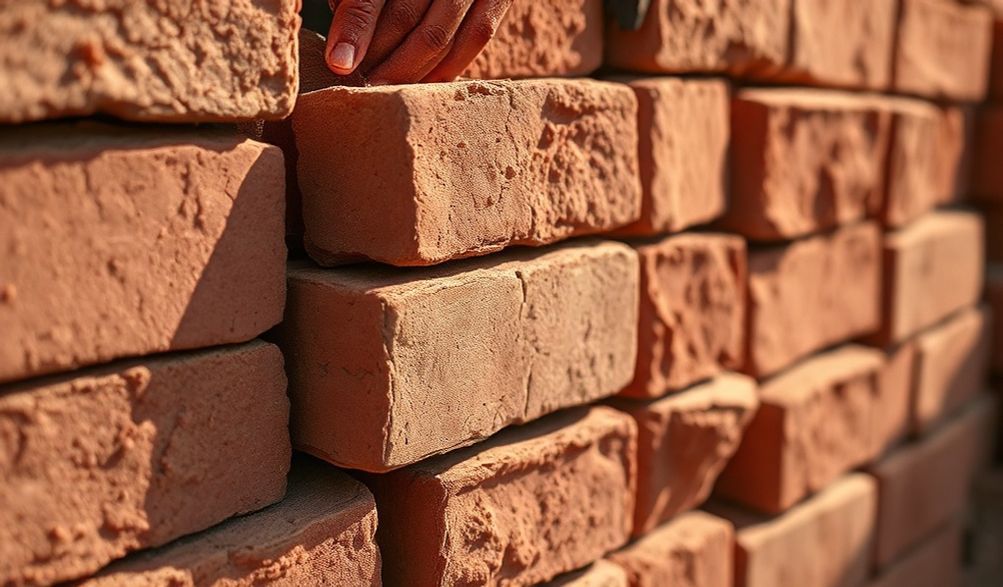
At its heart, an interlocking soil block machine is a device that compresses damp earth into a high-density, precisely shaped building block. Its defining feature is the interlocking design molded into each block, allowing them to fit together like pieces of a puzzle, often without the need for mortar.
ຫຼັກການພື້ນຖານ: ການບີບອັດ ແລະ ການປະສານງານ
The mechanics are beautifully straightforward.
- ການບີບອັດ: A mixture of damp soil—often stabilized with a small amount of cement or lime—is placed into a steel mold. A high-pressure ram, whether manual, hydraulic, or mechanical, then compresses this material. This force aligns the soil particles, eliminating air pockets and creating a block of remarkable strength.
- Interlock: Unlike a standard rectangular brick, an ISB has a raised pattern (tongue) on its top and a corresponding groove on its bottom. Some designs feature puzzle-like edges on the sides as well. This allows blocks to lock vertically and horizontally, creating a stable, monolithic wall system through “dry-stacking.”
A Brief History and Global Impact
The modern concept evolved from the manual CINVA Ram developed in the 1950s. Today’s machines are sophisticated iterations of that original idea, ranging from hand-operated presses to fully automated production lines.
The global impact is significant. ISB technology has been pivotal in:
* Post-disaster reconstruction in regions like Haiti and Nepal, providing rapid, low-cost housing.
* Affordable housing projects across Africa, Asia, and Latin America.
* Sustainable builds worldwide, from eco-lodges to private homes, prized for their low embodied energy and thermal performance.
Key Benefits of Using an Interlocking Soil Block Machine
The advantages of this technology span economic, environmental, and structural domains, making a compelling case for its adoption.
Economic and Accessibility Advantages
- Drastic Material Cost Reduction: The primary ingredient—soil—is often available on-site or locally for minimal cost. This eliminates the major expense of fired bricks or concrete blocks.
- Low Operational Cost: Once the machine is acquired, production costs are very low, requiring minimal energy (especially for manual models) and labor.
- Income Generation Potential: Owners can establish a small-scale business, producing blocks for their community and creating local jobs, fostering low-cost buildingແລະaffordable construction initiatives.
Environmental and Sustainability Benefits
- Minimal Carbon Footprint: The process requires no firing, saving vast amounts of fossil fuels and avoiding the CO2 emissions associated with cement or brick kilns.
- Local & Natural Materials: It utilizes subsoil, a renewable local resource, reducing the environmental damage from quarrying and long-distance transport of materials.
- ມວນຄວາມຮ້ອນທີ່ດີເລີດ Compressed earth blocks have excellent thermal mass, absorbing heat during the day and releasing it at night, naturally regulating indoor temperatures and slashing energy bills—a hallmark of eco-friendly constructionແລະsustainable building material.
Structural and Practical Perks
- ຄວາມແຮງອັດສູງ: Properly made and cured blocks can achieve strengths comparable to or exceeding conventional fired clay bricks.
- Faster Construction Speed: The interlocking, mortar-less system allows walls to rise quickly, as there’s no waiting for mortar to set between courses.
- Design Flexibility: The blocks can be easily shaped on-site for creating curved walls, arches, and various architectural features, offering great aesthetic freedom.
Types of Interlocking Soil Block Machines: Choosing the Right One
Selecting the correct machine hinges on your project scale, budget, and labor availability. Here are the three main categories.
Manual Press Machines (The Entry-Level Option)
- ລາຍລະອຽດ: Operated by a long lever, these rely on human power to generate compression force. They are highly portable and simple.
- ຂໍ້ດີ: Lowest upfront cost, no need for electricity or fuel, extremely portable, easy to maintain.
- ຂໍ້ເສຍ Physically demanding, slower production rate (e.g., 60-100 blocks per person per day), requires consistent effort for uniform block quality.
Hydraulic Machines (The Balanced Performer)
- ລາຍລະອຽດ: These use a hydraulic system to apply pressure. They can be powered by a manual hand pump, an electric motor, or a petrol/diesel engine.
- ຂໍ້ດີ: Delivers higher, more consistent pressure for stronger blocks. Significantly increases production output with less physical labor. Offers a great balance of capability and cost. Often marketed as a hydraulic brick pressຫຼືຈັກອັດດິນບລັອກ.
- ຂໍ້ເສຍ Higher initial investment than manual presses. Requires basic maintenance of hydraulic components. Engine or electric models need a power source.
Fully Automated Machines (The High-Production Solution)
- ລາຍລະອຽດ: These are motorized, stationary systems that often integrate a mixer, conveyor, and multiple presses. They produce blocks in a continuous, automated cycle.
- ຂໍ້ດີ: Very high, consistent output (thousands of blocks per day), minimal manual labor, and excellent block uniformity. Ideal for commercial ventures.
- ຂໍ້ເສຍ Requires a substantial capital investment, a reliable power supply, and more space. They are not portable. These are true automatic soil block maker systems for commercial block making machineການດຳເນີນງານ
The Step-by-Step Process: From Soil to Solid Wall
Success with ISBs depends on a meticulous process. Skipping steps compromises quality and strength.
Step 1: Soil Testing and Selection (The Critical Foundation)
Not all soil is suitable. The ideal soil is a “loam” containing a balanced mix of:
* ດິນຈີ່ Acts as the natural binder.
* ຕະກອນ: Fills voids.
* ດິນຊາຍ Provides skeletal strength and reduces shrinkage.
Perform these simple field tests:
* Jar Test: Layer soil and water in a clear jar, shake, and let settle. The layers will show approximate ratios of sand, silt, and clay.
* Ribbon Test: Moisten soil and try to roll it into a thin ribbon. If it forms a ribbon 2-3 cm long before breaking, the clay content is likely adequate.
Step 2: Material Preparation and Stabilization
- Sieving: Remove stones, roots, and organic matter.
- ການສ້າງຄວາມໝັ້ນຄົງ For permanent, load-bearing structures in most climates, a stabilizer is essential.
- Cement (5-10%): Most common. Provides high strength and water resistance.
- Lime (5-15%): Good for clay-rich soils, offers flexibility.
- ປະສົມ Combine soil, stabilizer, and water thoroughly. The moisture content is critical—aim for “optimum moisture” where a handful of mix holds its shape when squeezed but crumbles when poked.
Step 3: Block Production and Curing
- Production: Fill the machine’s mold with the prepared mix, operate the press to compress, then eject the finished block.
- ການປິ່ນປົວ: This is where blocks gain strength. Stack them in a shaded area, cover with plastic sheeting, and keep them damp by lightly sprinkling with water for 7-14 days. Proper curing is non-negotiable for durability.
Critical Considerations Before You Buy or Use a Machine
Project Scope and Scale Assessment
ຖາມຕົວເອງ:
* How many blocks do I need for my project?
* What is my timeline?
* What is my budget for the machine and labor?
Your answers will clearly point you toward a manual, hydraulic, or automated system.
Soil Suitability and Local Regulations
- Professional Testing: For large projects, invest in a lab soil test for precise composition and recommended stabilizer percentages.
- Building Codes: Crucially, check your local building regulations. While earth construction is gaining acceptance, you may need permits or to demonstrate compliance with specific engineering standards. This due diligence is key to establishing trustworthiness in your build.
Machine Specifications and Supplier Vetting
Key specifications to scrutinize:
* Block dimensions and interlock design.
* Compression pressure (measured in MPa or PSI). Higher pressure generally means stronger blocks.
* Production capacity (blocks per hour/day).
* Machine weight and build quality (thick steel is better).
* Warranty and availability of spare parts.
Choosing a supplier:
* Seek companies with a proven track record.
* Ask for customer references and contact them.
* Look for suppliers who offer comprehensive training—this is a major value-add.
Frequently Asked Questions (FAQ) About Interlocking Soil Block Machines
Q1: How strong are interlocking soil blocks compared to fired bricks or concrete blocks?
A: With proper soil mix and stabilization (e.g., 5-10% cement), ISBs can achieve a compressive strength of 3-10 MPa, which meets or exceeds the strength of standard fired clay bricks (3.5-7 MPa). They are perfectly suited for durable, load-bearing walls in 1-3 story buildings.
Q2: Can I use any type of soil from my property?
A: Not all soil is suitable. Pure clay will shrink and crack; pure sand will not bind. The ideal soil is a blend. Simple field tests like the jar test and ribbon test are essential first steps to determine suitability.
Q3: Are buildings made with these blocks waterproof?
A: The blocks are weather-resistant but not waterproof. Like most masonry, they require protective detailing: a raised foundation, adequate roof overhangs, and a breathable plaster render (e.g., earthen or lime-based plaster). The interlocking design itself provides excellent resistance to rain penetration.
Q4: What is the typical cost range for a machine?
A: Manual presses range from \$500 – \$2,500. Hydraulic machines typically cost \$2,500 – \$15,000. Fully automated production systems start around \$20,000 and can exceed \$100,000. Prices vary by capacity, automation, and region.
Q5: Is special training required to operate the machine and build with the blocks?
A: Basic machine operation is simple to learn. However, comprehensive training in soil science, mix design, block production, and—most importantly—construction techniques (lintels, rebars, bond beams, plumbing/electrical integration) is highly recommended for ensuring structural integrity, safety, and a long-lasting building.
ສະຫຼຸບ
The interlocking soil block machine stands as a testament to the power of appropriate technology. It offers a tangible path toward sustainable, economical, and resilient construction, putting the power to build back into the hands of communities and individuals. As we’ve explored, its success is not magic—it’s the application of expert knowledge in soil mechanics, learning from experienced practitioners, investing in trustworthy equipment, and adhering to proven best practices.
Your journey starts with understanding your local soil. We encourage you to take that first step: perform a simple jar test, connect with sustainable building organizations in your area, and reach out to reputable machine manufacturers for detailed specifications. In an era demanding smarter resource use, interlocking soil block technology isn’t just an alternative; it’s a forward-looking, practical choice for the future of building.
<