
Hướng Dẫn Toàn Diện Về Máy Ép Gạch Đất Liên Kết: Xây Dựng Bền Vững
Giới thiệu
Thách thức toàn cầu hiện nay rất rõ ràng: nhu cầu về nhà ở giá rẻ ngày càng tăng, đi kèm với tác động môi trường từ phương pháp xây dựng truyền thống. Việc tìm kiếm các giải pháp xây dựng bền vững, kiên cố và tiết kiệm chi phí chưa bao giờ cấp thiết hơn. Trong hành trình tìm kiếm đó, một công nghệ mạnh mẽ nhưng vô cùng đơn giản đang dần phổ biến—máy sản xuất gạch đất nén liên kết (ISB).
Hướng dẫn này giới thiệu máy ISB không chỉ như một công cụ, mà còn là một phương pháp cách mạng trong xây dựng. Nó trao quyền cho cá nhân, cộng đồng và nhà phát triển để xây dựng những công trình vững chắc, đẹp mắt và thân thiện với môi trường từ chính nền đất dưới chân họ. Cuộc thảo luận của chúng tôi được xây dựng trên nền tảng các nguyên tắc kỹ thuật, kinh nghiệm thực tiễn tại hiện trường và cam kết cung cấp thông tin đáng tin cậy, có thể áp dụng được. Mục tiêu của chúng tôi là trở thành nguồn tài liệu uy tín cho bạn về công nghệ đột phá này.
Bằng cách tìm hiểu chi tiết về "máy làm gạch đất liền khối", bạn sẽ biết cách thức hoạt động, những lợi ích sâu sắc, các loại máy có sẵn và các bước quan trọng để sử dụng thành công. Dù bạn là người tự xây nhà, chuyên gia phát triển, hay đơn giản chỉ tò mò về các giải pháp bền vững, hướng dẫn này hứa hẹn một hành trình toàn diện từ khâu chọn đất đến khi dựng nên bức tường vững chắc.
Máy ép gạch đất tự chèn là gì? (Tìm hiểu công nghệ cốt lõi)
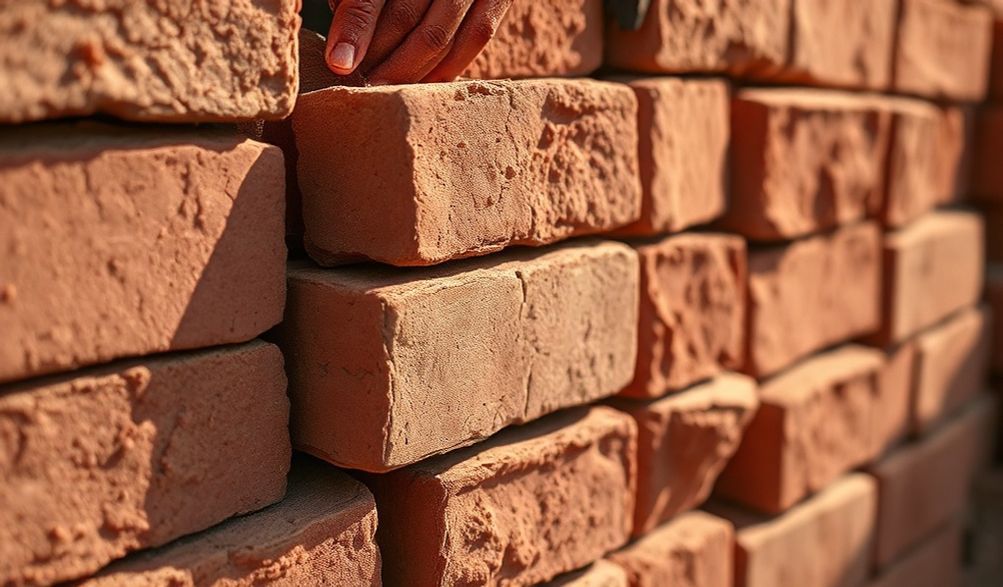
Về cốt lõi, máy ép gạch đất liên kết là một thiết bị nén đất ẩm thành những viên gạch xây dựng có hình dạng chính xác và mật độ cao. Đặc điểm nổi bật của nó là thiết kế khớp nối được tạo hình trên mỗi viên gạch, cho phép chúng kết hợp với nhau như những mảnh ghép, thường không cần đến vữa.
Nguyên Lý Cơ Bản: Nén và Liên Kết
Cơ chế này rất đơn giản một cách tuyệt vời.
- Nén:湿土混合物——通常掺入少量水泥或石灰以稳定——被放入钢制模具中。随后,通过手动、液压或机械驱动的高压冲头压缩该材料。这种压力使土壤颗粒排列整齐,消除空气空隙,形成具有惊人强度的土块。
- Khóa liên độngKhác với gạch hình chữ nhật tiêu chuẩn, ISB có hoa văn nổi (lưỡi) ở mặt trên và rãnh tương ứng ở mặt dưới. Một số thiết kế còn có các cạnh giống như mảnh ghép ở hai bên. Điều này cho phép các khối gạch khóa với nhau theo chiều dọc và chiều ngang, tạo ra một hệ thống tường nguyên khối ổn định thông qua phương pháp “xếp khô”.
Lịch sử tóm tắt và tác động toàn cầu
Khái niệm hiện đại phát triển từ máy ép gạch đất thủ công CINVA Ram được phát triển vào những năm 1950. Ngày nay, các máy móc là những phiên bản tinh vi của ý tưởng ban đầu đó, từ máy ép vận hành bằng tay đến dây chuyền sản xuất hoàn toàn tự động.
Tác động toàn cầu rất đáng kể. Công nghệ ISB đã đóng vai trò then chốt trong:
* 灾后重建 in regions like Haiti and Nepal, providing rapid, low-cost housing.
* Affordable housing projects across Africa, Asia, and Latin America.
* Sustainable builds worldwide, from eco-lodges to private homes, prized for their low embodied energy and thermal performance.
Key Benefits of Using an Interlocking Soil Block Machine
The advantages of this technology span economic, environmental, and structural domains, making a compelling case for its adoption.
Economic and Accessibility Advantages
- Drastic Material Cost Reduction: The primary ingredient—soil—is often available on-site or locally for minimal cost. This eliminates the major expense of fired bricks or concrete blocks.
- Low Operational Cost: Once the machine is acquired, production costs are very low, requiring minimal energy (especially for manual models) and labor.
- Income Generation Potential: Owners can establish a small-scale business, producing blocks for their community and creating local jobs, fostering low-cost buildingvàaffordable construction initiatives.
Environmental and Sustainability Benefits
- Minimal Carbon Footprint: The process requires no firing, saving vast amounts of fossil fuels and avoiding the CO2 emissions associated with cement or brick kilns.
- Local & Natural Materials: It utilizes subsoil, a renewable local resource, reducing the environmental damage from quarrying and long-distance transport of materials.
- Khối Nhiệt Lượng Cao Cấp Compressed earth blocks have excellent thermal mass, absorbing heat during the day and releasing it at night, naturally regulating indoor temperatures and slashing energy bills—a hallmark of eco-friendly constructionvàsustainable building material.
Structural and Practical Perks
- Độ Bền Nén Cao: Properly made and cured blocks can achieve strengths comparable to or exceeding conventional fired clay bricks.
- Faster Construction Speed: The interlocking, mortar-less system allows walls to rise quickly, as there’s no waiting for mortar to set between courses.
- Tính linh hoạt trong thiết kế The blocks can be easily shaped on-site for creating curved walls, arches, and various architectural features, offering great aesthetic freedom.
Types of Interlocking Soil Block Machines: Choosing the Right One
Selecting the correct machine hinges on your project scale, budget, and labor availability. Here are the three main categories.
Manual Press Machines (The Entry-Level Option)
- Mô tả: Operated by a long lever, these rely on human power to generate compression force. They are highly portable and simple.
- Ưu điểm: Lowest upfront cost, no need for electricity or fuel, extremely portable, easy to maintain.
- Nhược điểm: Physically demanding, slower production rate (e.g., 60-100 blocks per person per day), requires consistent effort for uniform block quality.
Hydraulic Machines (The Balanced Performer)
- Mô tả: These use a hydraulic system to apply pressure. They can be powered by a manual hand pump, an electric motor, or a petrol/diesel engine.
- Ưu điểm: Delivers higher, more consistent pressure for stronger blocks. Significantly increases production output with less physical labor. Offers a great balance of capability and cost. Often marketed as a hydraulic brick presshoặcmáy ép gạch đất nén.
- Nhược điểm: Higher initial investment than manual presses. Requires basic maintenance of hydraulic components. Engine or electric models need a power source.
Fully Automated Machines (The High-Production Solution)
- Mô tả: These are motorized, stationary systems that often integrate a mixer, conveyor, and multiple presses. They produce blocks in a continuous, automated cycle.
- Ưu điểm: Very high, consistent output (thousands of blocks per day), minimal manual labor, and excellent block uniformity. Ideal for commercial ventures.
- Nhược điểm: Requires a substantial capital investment, a reliable power supply, and more space. They are not portable. These are true automatic soil block maker systems for commercial block making machinehoạt động.
The Step-by-Step Process: From Soil to Solid Wall
Success with ISBs depends on a meticulous process. Skipping steps compromises quality and strength.
Step 1: Soil Testing and Selection (The Critical Foundation)
Not all soil is suitable. The ideal soil is a “loam” containing a balanced mix of:
* Đất sétHoạt động như chất kết dính tự nhiên.
* Phù sa Fills voids.
* Cát Provides skeletal strength and reduces shrinkage.
Perform these simple field tests:
* Jar Test: Layer soil and water in a clear jar, shake, and let settle. The layers will show approximate ratios of sand, silt, and clay.
* Ribbon Test: Moisten soil and try to roll it into a thin ribbon. If it forms a ribbon 2-3 cm long before breaking, the clay content is likely adequate.
Step 2: Material Preparation and Stabilization
- Sieving: Remove stones, roots, and organic matter.
- Ổn định hóa: For permanent, load-bearing structures in most climates, a stabilizer is essential.
- Xi măng (5-10%): Most common. Provides high strength and water resistance.
- Lime (5-15%): Good for clay-rich soils, offers flexibility.
- Pha trộn: Combine soil, stabilizer, and water thoroughly. The moisture content is critical—aim for “optimum moisture” where a handful of mix holds its shape when squeezed but crumbles when poked.
Step 3: Block Production and Curing
- Sản xuất: Fill the machine’s mold with the prepared mix, operate the press to compress, then eject the finished block.
- Chữa bệnh: This is where blocks gain strength. Stack them in a shaded area, cover with plastic sheeting, and keep them damp by lightly sprinkling with water for 7-14 days. Proper curing is non-negotiable for durability.
Critical Considerations Before You Buy or Use a Machine
Project Scope and Scale Assessment
Hãy tự hỏi bản thân:
* How many blocks do I need for my project?
* What is my timeline?
* What is my budget for the machine and labor?
Your answers will clearly point you toward a manual, hydraulic, or automated system.
Soil Suitability and Local Regulations
- Professional Testing: For large projects, invest in a lab soil test for precise composition and recommended stabilizer percentages.
- Building Codes: Crucially, check your local building regulations. While earth construction is gaining acceptance, you may need permits or to demonstrate compliance with specific engineering standards. This due diligence is key to establishing trustworthiness in your build.
Machine Specifications and Supplier Vetting
Các thông số kỹ thuật chính cần xem xét kỹ lưỡng:
* Block dimensions and interlock design.
* Compression pressure (measured in MPa or PSI). Higher pressure generally means stronger blocks.
* Production capacity (blocks per hour/day).
* Machine weight and build quality (thick steel is better).
* Warranty and availability of spare parts.
Choosing a supplier:
* Seek companies with a proven track record.
* Ask for customer references and contact them.
* Look for suppliers who offer comprehensive training—this is a major value-add.
Frequently Asked Questions (FAQ) About Interlocking Soil Block Machines
Q1: How strong are interlocking soil blocks compared to fired bricks or concrete blocks?
A: With proper soil mix and stabilization (e.g., 5-10% cement), ISBs can achieve a compressive strength of 3-10 MPa, which meets or exceeds the strength of standard fired clay bricks (3.5-7 MPa). They are perfectly suited for durable, load-bearing walls in 1-3 story buildings.
Q2: Can I use any type of soil from my property?
A: Not all soil is suitable. Pure clay will shrink and crack; pure sand will not bind. The ideal soil is a blend. Simple field tests like the jar test and ribbon test are essential first steps to determine suitability.
Q3: Are buildings made with these blocks waterproof?
A: The blocks are weather-resistant but not waterproof. Like most masonry, they require protective detailing: a raised foundation, adequate roof overhangs, and a breathable plaster render (e.g., earthen or lime-based plaster). The interlocking design itself provides excellent resistance to rain penetration.
Q4: What is the typical cost range for a machine?
A: Manual presses range from \$500 – \$2,500. Hydraulic machines typically cost \$2,500 – \$15,000. Fully automated production systems start around \$20,000 and can exceed \$100,000. Prices vary by capacity, automation, and region.
Q5: Is special training required to operate the machine and build with the blocks?
A: Basic machine operation is simple to learn. However, comprehensive training in soil science, mix design, block production, and—most importantly—construction techniques (lintels, rebars, bond beams, plumbing/electrical integration) is highly recommended for ensuring structural integrity, safety, and a long-lasting building.
Conclusion
The interlocking soil block machine stands as a testament to the power of appropriate technology. It offers a tangible path toward sustainable, economical, and resilient construction, putting the power to build back into the hands of communities and individuals. As we’ve explored, its success is not magic—it’s the application of expert knowledge in soil mechanics, learning from experienced practitioners, investing in trustworthy equipment, and adhering to proven best practices.
Your journey starts with understanding your local soil. We encourage you to take that first step: perform a simple jar test, connect with sustainable building organizations in your area, and reach out to reputable machine manufacturers for detailed specifications. In an era demanding smarter resource use, interlocking soil block technology isn’t just an alternative; it’s a forward-looking, practical choice for the future of building.
<