
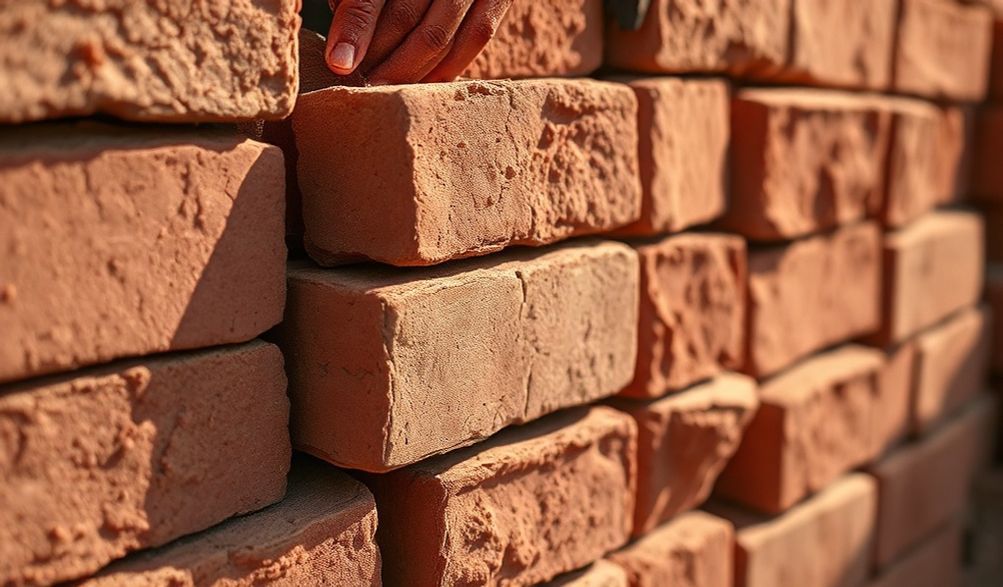
Интерлоктың топырақ блоктарын жасау машиналарының жетілдірілген нұсқаулығы: Тұрақтылықпен құрылыс жасаңыз
Кіріспе
Жаһандық мәселе айқын: қолжетімді тұрғын үйге деген қажеттіліктің өсуі, сонымен қатар дәстүрлі құрылыстың экологияға тигізетін әсері. Тұрақты, берік және үнемді құрылыс шешімдерін іздеу бұрынғыдан да өзекті болып отыр. Осы ізденіс аясында қуатты, бірақ қарапайым технология кеңінен таралуда — бұл құлыптасқан топырақ блок (ҚТБ) машинасы.
Бұл нұсқаулық ISB машинасын құрылыс үшін құрал ретінде ғана емес, сонымен қатар төңкеріс жасаған тәсіл ретінде ұсынады. Ол жеке тұлғаларға, қауымдастықтарға және девелоперлерге өздерінің тұрған жерінің өзінде берік, әдемі және экологиялық таза құрылымдар салуға мүмкіндік береді. Біздің талқылау инженерлік принциптерге, практикалық далалық тәжірибеге және сенімді, іс-әрекетке бағытталған ақпарат ұсынуға деген адалдыққа негізделген. Біздің мақсатымыз - осы түрлендіруші технология бойынша сіздің сенімді ресурсыңыз болу.
"Бір-бірімен ілініскен топырақ блоктарын жасау машинасының" құрылымын тереңірек зерттей отырып, сіз оның жұмыс істеу принципін, айтарлықтай артықшылықтарын, қолжетімді түрлерін және оны сәтті пайдаланудың негізгі қадамдарын білесіз. Өз үйіңізді салушысыңыз ба, даму саласының маманысыз ба немесе жай ғана тұрақты нұсқаларға қызығасыз ба, бұл нұсқаулық сізді топырақты таңдаудан бастап берік қабырға құруға дейінгі толыққанды сапарға уәде етеді.
Интерлокинг топырақ блоктары машинасы дегеніміз не? (Негізгі технологияны түсіну)
Оның өзекті мәнінде, тұтасатын топырақ блоктау машинасы - ылғалды топырақты жоғары тығыздықты, дәл пішінді құрылыс блогына сығымдайтын құрылғы. Оның ерекше белгісі - әрбір блокқа қалыпталатын тұтасатын дизайн, оларды әдетте ерітіндісіз, басқатырғыштың бөлшектері сияқты бір-біріне сәйкес келуіне мүмкіндік береді.
Негізгі Қағида: Сығу және Құлыптау
Механика өте түсінікті.
- СығуЫлғалды топырақ қоспасы—әдетте аз мөлшерде цемент немесе әк қосып бекітіледі—болат қалыпқа салынады. Содан кейін қолмен, гидравликалық немесе механикалық жоғары қысымды пресс бұл материалды сығады. Бұл күш топырақ бөлшектерін туралап, ауа қапшықтарын жояды және ерекше берік блокты қалыптастырады.
- Интерлок:Кәдімгі тікбұрышты кірпіштен айырмашылығы, ISB-ның үстіңгі жағында көтерілген үлгі (тіл) және төменгі жағында сәйкес ойық бар. Кейбір дизайндарда бүйір жақтарында да басқатырғыш сияқты жиектер болады. Бұл блоктарды тігінен және көлденеңінен бекітуге мүмкіндік береді, осылайша "құрғақ жинау" арқылы тұрақты, монолитті қабырға жүйесін құрады.
Қысқаша тарихы мен жаһандық әсері
Заманауи түсінік 1950-жылдары жасалған қолмен жұмыс істейтін CINVA Ram-нан дамыды. Бүгінгі машиналар сол бастапқы идеяның жетілдірілген нұсқалары болып табылады, олар қолмен басқарылатын престерден толық автоматтандырылған өндіріс желілеріне дейін ауқымды.
Жаһалдық әсері айтарлықтай. ISB технологиясы келесі салаларда шешуші рөл атқарды:
* Апаттан кейінгі қалпына келтіруГаити мен Непал сияқты аймақтарда тез әрі арзан баспана ұсыну.
* Қолжетімді тұрғын үй жобаларыАфрика, Азия және Латын Америкасы бойынша.
* Тұрақты құрылыстарДүние жүзінде, экологиялық қонақ үйлерден жеке үйлерге дейін, олардың аз энергия сыйымдылығы мен жылулық тиімділігі үшін жоғары бағаланады.
Интерлоктың топырақ блоктарын жасау машинасын пайдаланудың негізгі артықшылықтары
Бұл технологияның артықшылықтары экономикалық, экологиялық және құрылымдық салаларды қамтиды, оны қабылдаудың маңыздылығын дәлелдейді.
Экономикалық және қолжетімділік артықшылықтары
- Материалдық шығындарды күрт төмендету:Негізгі құрамдас бөлік – топырақ – көбінесе жергілікті жерде немесе маңайда ең аз шығынмен қолжетімді. Бұл күйдірілген кірпіш немесе бетон блоктарының үлкен шығынын жояды.
- Low Operational Cost: Once the machine is acquired, production costs are very low, requiring minimal energy (especially for manual models) and labor.
- Income Generation Potential: Owners can establish a small-scale business, producing blocks for their community and creating local jobs, fostering low-cost buildingжәнеaffordable construction initiatives.
Environmental and Sustainability Benefits
- Minimal Carbon Footprint: The process requires no firing, saving vast amounts of fossil fuels and avoiding the CO2 emissions associated with cement or brick kilns.
- Local & Natural Materials: It utilizes subsoil, a renewable local resource, reducing the environmental damage from quarrying and long-distance transport of materials.
- Үстем жылу массасы: Compressed earth blocks have excellent thermal mass, absorbing heat during the day and releasing it at night, naturally regulating indoor temperatures and slashing energy bills—a hallmark of eco-friendly constructionжәнеsustainable building material.
Structural and Practical Perks
- Жоғары Қысу беріктігі: Properly made and cured blocks can achieve strengths comparable to or exceeding conventional fired clay bricks.
- Faster Construction Speed: The interlocking, mortar-less system allows walls to rise quickly, as there’s no waiting for mortar to set between courses.
- Дизайн икемділігі The blocks can be easily shaped on-site for creating curved walls, arches, and various architectural features, offering great aesthetic freedom.
Types of Interlocking Soil Block Machines: Choosing the Right One
Selecting the correct machine hinges on your project scale, budget, and labor availability. Here are the three main categories.
Manual Press Machines (The Entry-Level Option)
- Сипаттама: Operated by a long lever, these rely on human power to generate compression force. They are highly portable and simple.
- Артықшылықтары: Lowest upfront cost, no need for electricity or fuel, extremely portable, easy to maintain.
- Кемшіліктері: Physically demanding, slower production rate (e.g., 60-100 blocks per person per day), requires consistent effort for uniform block quality.
Hydraulic Machines (The Balanced Performer)
- Сипаттама: These use a hydraulic system to apply pressure. They can be powered by a manual hand pump, an electric motor, or a petrol/diesel engine.
- Артықшылықтары: Delivers higher, more consistent pressure for stronger blocks. Significantly increases production output with less physical labor. Offers a great balance of capability and cost. Often marketed as a hydraulic brick pressнемесесығылған топырақ блоктарын жасау машинасы.
- Кемшіліктері: Higher initial investment than manual presses. Requires basic maintenance of hydraulic components. Engine or electric models need a power source.
Fully Automated Machines (The High-Production Solution)
- Сипаттама: These are motorized, stationary systems that often integrate a mixer, conveyor, and multiple presses. They produce blocks in a continuous, automated cycle.
- Артықшылықтары: Very high, consistent output (thousands of blocks per day), minimal manual labor, and excellent block uniformity. Ideal for commercial ventures.
- Кемшіліктері: Requires a substantial capital investment, a reliable power supply, and more space. They are not portable. These are true automatic soil block maker systems for commercial block making machineоперациялар.
The Step-by-Step Process: From Soil to Solid Wall
Success with ISBs depends on a meticulous process. Skipping steps compromises quality and strength.
Step 1: Soil Testing and Selection (The Critical Foundation)
Not all soil is suitable. The ideal soil is a “loam” containing a balanced mix of:
* СарыбасТабиғи байланыстырғыш ретінде әрекет етеді.
* Лай
Explanation: The word "silt" refers to fine sediment carried by water and deposited as sediment. In Kazakh, the most appropriate translation is "лай," which means fine mud or sediment. Fills voids.
* Құм Provides skeletal strength and reduces shrinkage.
Perform these simple field tests:
* Jar Test: Layer soil and water in a clear jar, shake, and let settle. The layers will show approximate ratios of sand, silt, and clay.
* Ribbon Test: Moisten soil and try to roll it into a thin ribbon. If it forms a ribbon 2-3 cm long before breaking, the clay content is likely adequate.
Step 2: Material Preparation and Stabilization
- Sieving: Remove stones, roots, and organic matter.
- Тұрақтандыру: For permanent, load-bearing structures in most climates, a stabilizer is essential.
- Цемент (5-10%): Most common. Provides high strength and water resistance.
- Lime (5-15%): Good for clay-rich soils, offers flexibility.
- Араластыру: Combine soil, stabilizer, and water thoroughly. The moisture content is critical—aim for “optimum moisture” where a handful of mix holds its shape when squeezed but crumbles when poked.
Step 3: Block Production and Curing
- Өндіріс: Fill the machine’s mold with the prepared mix, operate the press to compress, then eject the finished block.
- Емдеу: This is where blocks gain strength. Stack them in a shaded area, cover with plastic sheeting, and keep them damp by lightly sprinkling with water for 7-14 days. Proper curing is non-negotiable for durability.
Critical Considerations Before You Buy or Use a Machine
Project Scope and Scale Assessment
Өзіңнен сұра:
* How many blocks do I need for my project?
* What is my timeline?
* What is my budget for the machine and labor?
Your answers will clearly point you toward a manual, hydraulic, or automated system.
Soil Suitability and Local Regulations
- Professional Testing: For large projects, invest in a lab soil test for precise composition and recommended stabilizer percentages.
- Building Codes: Crucially, check your local building regulations. While earth construction is gaining acceptance, you may need permits or to demonstrate compliance with specific engineering standards. This due diligence is key to establishing trustworthiness in your build.
Machine Specifications and Supplier Vetting
Тексеру үшін негізгі сипаттамалар:
* Block dimensions and interlock design.
* Compression pressure (measured in MPa or PSI). Higher pressure generally means stronger blocks.
* Production capacity (blocks per hour/day).
* Machine weight and build quality (thick steel is better).
* Warranty and availability of spare parts.
Choosing a supplier:
* Seek companies with a proven track record.
* Ask for customer references and contact them.
* Look for suppliers who offer comprehensive training—this is a major value-add.
Frequently Asked Questions (FAQ) About Interlocking Soil Block Machines
Q1: How strong are interlocking soil blocks compared to fired bricks or concrete blocks?
A: With proper soil mix and stabilization (e.g., 5-10% cement), ISBs can achieve a compressive strength of 3-10 MPa, which meets or exceeds the strength of standard fired clay bricks (3.5-7 MPa). They are perfectly suited for durable, load-bearing walls in 1-3 story buildings.
Q2: Can I use any type of soil from my property?
A: Not all soil is suitable. Pure clay will shrink and crack; pure sand will not bind. The ideal soil is a blend. Simple field tests like the jar test and ribbon test are essential first steps to determine suitability.
Q3: Are buildings made with these blocks waterproof?
A: The blocks are weather-resistant but not waterproof. Like most masonry, they require protective detailing: a raised foundation, adequate roof overhangs, and a breathable plaster render (e.g., earthen or lime-based plaster). The interlocking design itself provides excellent resistance to rain penetration.
Q4: What is the typical cost range for a machine?
A: Manual presses range from \$500 – \$2,500. Hydraulic machines typically cost \$2,500 – \$15,000. Fully automated production systems start around \$20,000 and can exceed \$100,000. Prices vary by capacity, automation, and region.
Q5: Is special training required to operate the machine and build with the blocks?
A: Basic machine operation is simple to learn. However, comprehensive training in soil science, mix design, block production, and—most importantly—construction techniques (lintels, rebars, bond beams, plumbing/electrical integration) is highly recommended for ensuring structural integrity, safety, and a long-lasting building.
Қорытынды
The interlocking soil block machine stands as a testament to the power of appropriate technology. It offers a tangible path toward sustainable, economical, and resilient construction, putting the power to build back into the hands of communities and individuals. As we’ve explored, its success is not magic—it’s the application of expert knowledge in soil mechanics, learning from experienced practitioners, investing in trustworthy equipment, and adhering to proven best practices.
Your journey starts with understanding your local soil. We encourage you to take that first step: perform a simple jar test, connect with sustainable building organizations in your area, and reach out to reputable machine manufacturers for detailed specifications. In an era demanding smarter resource use, interlocking soil block technology isn’t just an alternative; it’s a forward-looking, practical choice for the future of building.
<