
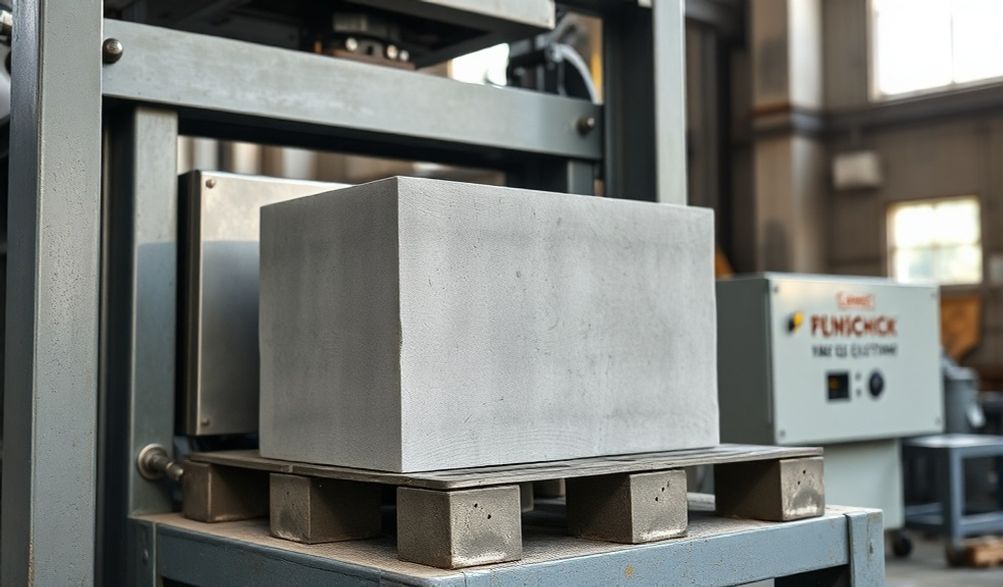
4 дюймдық блок машиналарына арналған жетілдірілген нұсқаулық: Сатып алудан табыс табуға дейін
Кіріспе
Құрылыстың негізгі әлемінде тұрақтылық патша болып табылады. Сіз жобаның қатаң мерзімін басқаратын келісімшартшы болыңыз немесе құрылыс материалдары нарығын бақылап отырған кәсіпкер болыңыз, сенімді, жоғары сапалы компоненттерді тапсырыс бойынша өндіре алу мүмкіндігі ойынның ережелерін өзгертеді. Міне,4 дюймдік блок машинасыөнеркәсіптегі ең кең таралған құрылыс блоктарының бірін өндіруге арналған арнайы жабдық бөлшегі.
Стандартты 4 дюймдық бетон блок - бұл жұмыс атты. Ол ішкі бөліктер, сыртқы қаптамалар және басқа да сансыз қолданулар үшін негізгі таңдау болып табылады. Бұл блоктарды қолмен өндіру еңбек сыйымды және біркелкі емес. Алайда, арнайы машина шикізатты дәл компоненттерге тамаша тиімділікпен айналдырады.
Бұл жан-жақты нұсқаулық саладағы біліктілікке негізделген. Біз сату брошюраларынан асып, осы машиналардың қалай жұмыс істейтінін, оларды қалай таңдау керектігін және инвестициядан максималды пайда алу үшін оларды қалай пайдалану керектігін сенімді және беделді түрде сипаттаймыз. Блок өндіру әлемінде ақылды және пайдалы шешім қабылдау үшін бұл сіздің негізгі ресурсыңыз болып табылады.
4 дюймдық блок машинасын түсіну
Оның негізінде, 4 дюймдық блоктық машина - бұл дәлдікпен жұмыс істейтін пресс. Ол жартылай құрғақ бетон қоспасын алып, аса жоғары қысым мен дірілдің үйлесімі арқылы оны номиналды ені 4 дюйм (100 мм) болатын тығыз және берік блокқа айналдыруға арналған. Нақты өлшемге баса назар аудару инженерлік шешімдерді оңтайландыруға мүмкіндік береді, бұл жалпы мақсаттағы, көпфункционалды жабдықтармен салыстырғанда сапаны жақсартады және өндіріс жылдамдығын арттырады.
4 дюймдық блок машинасы қалай жұмыс істейді: Цикл
Бұл процес қарапайым және тиімді инженерияның керемет үлгісі болып табылады. Автоматтандыру деңгейі әртүрлі болғанымен, негізгі цикл біркелкі қалады:
- Тамақтандыру:Дайындалған бетон қоспасы (цемент, құм, толтырғыш, су) машинаның бункеріне тиеледі.
- Өлшеу және Қалыптау:Өлшенген мөлшердегі қоспа 4 дюймдік қалып қуысына беріледі.
- Тығыздау:Машинаның баспалдақ басы түседі. Бір уақытта қуатты дірілдеткіштер іске қосылып, қоспаны бекітіп, ауа қапшықтарын жояды. Гидравлық қысым—әдетте 20-дан 100+ тоннаға дейін—материалды қатты пішінге келтіреді.
- Атқылау:Жаңадан қалыпталған блок қалып қорабынан шығарылып, дайын паллетке немесе конвейерге итеруіледі.
- Емдеу:Блок, тақтайшасымен бірге, беріктік алатын қатайту аймағына жылжытылады, содан кейін ол пайдалануға немесе сатуға дайын болады.
Негізгі компоненттер және олардың маңызды функциялары
Әрбір бөлік сапа мен жұмыс уақытын қамтамасыз етуде өз рөлін атқарады.
- Хоппер:Кіру нүктесі. Ол өндіріс қарқынына сай өлшемде болуы керек және материалдың тұрақты ағынын қамтамасыз етіп, кептелуге немесе бітелуге жол бермеуі тиіс.
- Қалып Қорабы: The heart of the machine. This hardened steel component defines the block’s shape, texture, and dimensional accuracy. A high-quality, wear-resistant mold is non-negotiable.
- Діріл жүйесі: Typically consisting of electric motors and eccentric weights, this system provides the high-frequency shaking essential for compacting the mix into every corner of the mold, ensuring uniform density and strength.
- Гидравликалық/Қысым жүйесі: The muscle. This system (pump, cylinders, valves) generates the tonnage required to produce a structurally sound block. Its reliability directly impacts block quality.
- Басқару панелі: The brain. From simple manual buttons to programmable logic controllers (PLCs) on automatic models, this governs the machine’s cycle.
- Паллет бергіш/тасымалдағыш: Handles logistics. It automatically positions empty pallets for the new block and removes filled ones, streamlining the workflow.
Types of 4 Inch Block Machines: Matching Technology to Need
Not all machines are created equal. Your choice should be dictated by your production goals.
- Қолдан жасалған блок машиналары: Operated via hand levers or flywheels. They require significant physical effort and are slow but have a very low upfront cost. Best for extremely small, occasional projects.
- Жартылай автоматты машиналар: The sweet spot for many small businesses. The core molding cycle (vibration, compression, ejection) is automated, but tasks like feeding raw mix or placing pallets may be manual. They offer an excellent balance of output, cost, and simplicity.
- Толық автоматты блок машиналары: Complete production lines. These feature automated mix feeding, pallet circulation, block stacking, and even curing rack handling. They require a higher capital investment and 3-phase power but produce the highest volume with minimal labor.
Benefits of Using a Dedicated 4 Inch Block Machine
Why invest in a machine for just one block size? The advantages over makeshift or manual methods are substantial and tangible.
- Unmatched Precision and Consistency: Every block is identical. This dimensional accuracy is critical for speed and quality in masonry work, as consistent blocks lay faster and create a more professional finish. Structural integrity is also assured.
- Dramatically Enhanced Efficiency: A single operator on a semi-automatic machine can produce in one hour what might take a full crew a day to cast manually. This accelerates project completion or scales commercial output exponentially.
- Direct Material and Cost Savings: The machine’s precise measurement and high compaction reduce waste. You use the optimal amount of cement and aggregate per block, lowering your raw material cost per unit. Less spoilage equals higher margins.
- Inherent Versatility: While designed for 4-inch blocks, most quality machines offer interchangeable molds. With a quick change, the same machine can often produce solid blocks, 6-inch blocks, paving stones, or curb stones, allowing you to diversify your product line.
How to Choose the Right 4 Inch Block Machine
This is the most critical decision you’ll make. Let expertise, not just price, guide you. Ask the right questions.
Step 1: Honestly Assess Your Production Needs
- For a Single Project: A basic manual or small semi-automatic machine may be cost-effective. Focus on durability for the project’s duration.
- For a Startup/Small Business: A robust semi-automatic machine is typically the ideal entry point. Calculate your target daily output (e.g., 800-1500 blocks) and choose a model that exceeds it by 20% to allow for growth.
- For Large-Scale Commercial Production: You need a fully automatic line. Your analysis should focus on output per shift, total cost of ownership, and integration with mixers and material handling systems.
Step 2: Scrutinize Key Machine Specifications
- Цикл уақыты: How many blocks per hour (BPH)? Don’t rely on theoretical maximums; ask for realistic, sustained production rates.
- Қысым сыйымдылығы: Measured in tons. Higher pressure (e.g., 60 tons vs. 30 tons) generally produces denser, stronger blocks suitable for load-bearing applications.
- Қуат қажеттіліктері: Most semi-automatic and all automatic machines require 3-phase industrial power. Verify your facility’s electrical capacity.
- Құрылыс сапасы: Look for a heavy, rigid frame made from thick steel plate. The vibration table should be massively built. This reduces wear and ensures stability during operation.
Step 3: Vet the Supplier with a Focus on E-A-T
Your relationship with the manufacturer or distributor is a long-term asset. Evaluate their Expertise, Authoritativeness, and Trustworthiness:
- Біліктілік Do they provide clear, detailed technical documentation? Can they answer deep technical questions about mix design or machine optimization?
- Сенімділік: How long have they been in business? Do they have case studies or testimonials from other clients? Are their machines certified to relevant standards?
- Сенімділік: What does their after-sales support look like? A reliable supplier will offer:
- A clear, comprehensive warranty.
- Readily available spare parts inventory.
- Accessible technical support, ideally with options for remote diagnostics.
- Installation guidance or supervision.
Operational Best Practices and Maintenance
A machine is only as good as its operation. Proper setup and care prevent downtime and ensure consistent quality.
Setting Up for Success
- Foundation is Key: Install the machine on a perfectly level, reinforced concrete pad. This is critical for alignment and proper vibration transfer.
- Master the Mix: The machine can only compact what you feed it. Spend time perfecting your concrete mix ratio (e.g., 1 part cement, 3 parts sand, 2 parts aggregate) and moisture content. The mix should be semi-dry—holding its shape when squeezed but crumbling apart.
- Follow the Manual: Adhere strictly to the manufacturer’s instructions for initial startup, lubrication, and electrical connections.
Негізгі техникалық қызмет тізімі
Proactive maintenance is cheap; reactive repair is expensive.
- Күнделікті
- Clean the mold box, hopper, and pallets thoroughly with water and a brush after the last production cycle. Never let concrete harden on components.
- Visually inspect for loose bolts, nuts, or hydraulic leaks.
- Апталық:
- Lubricate all guide rods, bearings, and moving parts with the recommended grease.
- Check hydraulic fluid levels and condition.
- Ай сайын:
- Tighten all motor and vibrator mounting bolts (vibration can loosen them).
- Inspect mold liners for wear and replace if blocks show rounded edges or sticking.
- Check electrical connections for tightness.
Жиі кездесетін мәселелерді шешу
- Blocks Cracking or Breaking on Ejection: The most common cause is a mix that is too dry. Increase water slightly. Secondary causes: worn mold liners or excessive vibration time.
- Poor Surface Finish or “Honeycombing”: Usually caused by a mix that is too wet or insufficient vibration/compaction. Adjust the mix and ensure the vibration system is functioning at full power.
- Machine Jamming or Misalignment: Often due to a foreign object (stone, tool) falling into the mold or a damaged/bent pallet. Stop immediately, clear the obstruction, and inspect for damage.
Economic Analysis: Cost and ROI of a 4 Inch Block Machine
Let’s translate this into practical numbers. Understanding the financials is where real-world Тәжірибе pays off.
Initial Investment Breakdown
Your upfront cost is more than the machine’s price tag:
* Machine Cost (varies widely: $5,000 – $50,000+)
* Shipping and Import Duties (if applicable)
* Installation & Foundation Work
* Facility Modifications (3-phase power installation, water supply)
* Initial Stock of Pallets and Spare Parts
Operational Cost Factors (Monthly)
These are your ongoing expenses:
* Шикізаттар: Cement, sand, aggregate. This is typically 50-70% of your production cost.
* Еңбек Wages for machine operators and material handlers.
* Utilities: Electricity for the machine and mixer, water for the mix and cleaning.
* Maintenance Fund: A reserved percentage of revenue for routine parts and unexpected repairs.
Calculating Your Potential Return on Investment (ROI)
This simplified model illustrates the process:
- Monthly Revenue: Blocks Produced/Month × Selling Price/Block.
- Мысал: 30,000 blocks × $0.80/block = $24,000
- Monthly Operational Cost: Material Cost + Labor + Utilities + Maintenance.
- Мысал: ($0.35/material cost per block × 30,000) + $2,000 labor + $500 utilities = $13,000
- Monthly Gross Profit: Revenue – Operational Cost.
- Мысал: $24,000 – $13,000 = $11,000
- ROI Timeframe (Break-Even Point): Total Initial Investment / Monthly Gross Profit.
- Мысал: $40,000 investment / $11,000 monthly profit = ~3.6 months.
Ескертпе: This is a simplified example. Your local market prices, material costs, and efficiency will vary. A well-run small semi-automatic operation often targets full ROI within 12-18 months.
Жиі қойылатын сұрақтар (ЖҚС)
Q: What is the typical production capacity of a semi-automatic 4 inch block machine?
A: A standard semi-automatic machine can produce between 800 to 1500 blocks in an 8-hour shift, depending on the model and operator efficiency.
Q: Can I use a 4 inch block machine to produce other sizes?
A: Primarily, it is designed for 4-inch blocks. However, many manufacturers offer interchangeable molds for different block types (e.g., 6-inch, pavers). You must confirm the machine’s compatibility and pressure capacity for other molds.
Q: What is the required compressive strength of blocks made for load-bearing walls?
A: For load-bearing applications, blocks typically need a minimum compressive strength of 1,500 to 2,000 psi (10-14 MPa). This is achieved by using the correct cement mix ratio and proper machine compression. Always consult local building codes.
Q: How much space do I need to install and operate this machine?
A: You need space for the machine itself, raw material storage, a mixing area, and a curing yard. A minimum covered area of 500-1000 sq. ft. is recommended for a small-scale setup, excluding open curing space.
Q: What kind of after-sales support should I expect from a reliable supplier?
A: A trustworthy supplier should provide detailed installation manuals, offer installation supervision or clear guidance, supply a comprehensive parts catalog, and have a responsive technical support team available for troubleshooting.
Қорытынды
Инвестицияға салу4 дюймдік блок машинасы is a strategic decision that moves you from being a consumer of building materials to a producer. It’s an investment in autonomy, quality control, and business potential. The journey from selection to profitable operation requires careful planning, grounded in the kind of expert knowledge we’ve outlined here.
Success hinges on choosing a machine built to last, from a supplier who stands behind their product, and committing to the operational discipline that ensures consistent quality. By doing so, you unlock a reliable stream of a fundamental construction component, turning raw materials into both building blocks and a solid foundation for your financial growth. Use this guide as your starting point, conduct thorough due diligence, and build your future—one precise block at a time.
<