
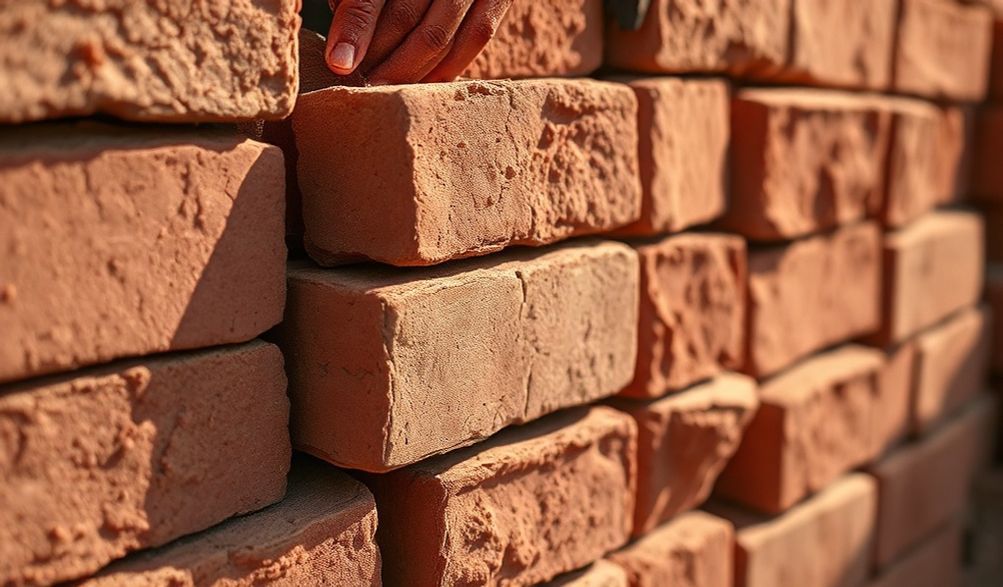
La Guía Definitiva de Máquinas para Bloques de Tierra Intertrabantes: Construye de Forma Sostenible
Introducción
El desafío global es claro: una creciente necesidad de viviendas asequibles, junto con el costo ambiental de la construcción convencional. La búsqueda de soluciones de construcción sostenibles, resilientes y rentables nunca ha sido más urgente. En medio de esta búsqueda, una tecnología poderosa, aunque elegantemente simple, está ganando terreno: la máquina de bloques de suelo entrelazados (ISB).
Esta guía presenta la máquina ISB no solo como una herramienta, sino como un enfoque revolucionario para la construcción. Empodera a individuos, comunidades y desarrolladores para construir estructuras sólidas, hermosas y ecológicas con la misma tierra bajo sus pies. Nuestra discusión se basa en principios de ingeniería, experiencia práctica en campo y un compromiso de proporcionar información confiable y accionable. Nuestro objetivo es ser su recurso autorizado sobre esta tecnología transformadora.
Al explorar las complejidades de la "máquina de bloques de suelo entrelazados", aprenderás cómo funciona, sus profundos beneficios, los distintos tipos disponibles y los pasos críticos para utilizarla con éxito. Ya seas un autoconstructor, un profesional del desarrollo o simplemente alguien curioso acerca de alternativas sostenibles, esta guía promete un recorrido integral desde la selección del suelo hasta la pared sólida.
¿Qué es una Máquina de Bloques de Suelo Entrelazados? (Comprendiendo la Tecnología Central)
En esencia, una máquina de bloques de tierra entrelazados es un dispositivo que comprime tierra húmeda en un bloque de construcción de alta densidad y forma precisa. Su característica definitoria es el diseño de entrelazado moldeado en cada bloque, lo que permite que encajen entre sí como piezas de un rompecabezas, a menudo sin necesidad de mortero.
El Principio Básico: Compresión y Entrelazado
La mecánica es maravillosamente sencilla.
- Compresión:Una mezcla de suelo húmedo—a menudo estabilizada con una pequeña cantidad de cemento o cal—se coloca en un molde de acero. Un pisón de alta presión, ya sea manual, hidráulico o mecánico, luego comprime este material. Esta fuerza alinea las partículas del suelo, eliminando bolsas de aire y creando un bloque de notable resistencia.
- Interbloqueo:A diferencia de un ladrillo rectangular estándar, un ISB tiene un patrón elevado (lengüeta) en su parte superior y una ranura correspondiente en su parte inferior. Algunos diseños también presentan bordes tipo rompecabezas en los lados. Esto permite que los bloques se traben vertical y horizontalmente, creando un sistema de muro monolítico y estable mediante "apilado en seco".
Una Breve Historia e Impacto Global
El concepto moderno evolucionó de la CINVA Ram manual desarrollada en la década de 1950. Las máquinas actuales son iteraciones sofisticadas de esa idea original, que van desde prensas operadas a mano hasta líneas de producción completamente automatizadas.
El impacto global es significativo. La tecnología ISB ha sido fundamental en:
* Reconstrucción post-desastreEn regiones como Haití y Nepal, proporcionando vivienda rápida y de bajo costo.
* Proyectos de vivienda asequibleen África, Asia y América Latina.
* Construcciones sosteniblesen todo el mundo, desde eco-lodges hasta hogares privados, apreciadas por su baja energía incorporada y rendimiento térmico.
Beneficios Clave de Usar una Máquina de Bloques de Suelo Entrelazados
Las ventajas de esta tecnología abarcan los ámbitos económico, ambiental y estructural, lo que constituye un argumento convincente para su adopción.
Ventajas Económicas y de Accesibilidad
- Reducción drástica en el costo de materiales:El ingrediente principal, la tierra, a menudo está disponible en el lugar o localmente a un costo mínimo. Esto elimina el gasto principal de ladrillos cocidos o bloques de concreto.
- Bajo Costo Operativo:Una vez adquirida la máquina, los costos de producción son muy bajos, requiriendo energía mínima (especialmente para los modelos manuales) y mano de obra.
- Potencial de Generación de Ingresos:Los propietarios pueden establecer un negocio a pequeña escala, produciendo bloques para su comunidad y creando empleos locales, fomentandoedificación de bajo costoyconstrucción asequibleiniciativas.
Beneficios Ambientales y de Sostenibilidad
- Huella de Carbono Mínima:El proceso no requiere cocción, lo que ahorra enormes cantidades de combustibles fósiles y evita las emisiones de CO₂ asociadas con los hornos de cemento o ladrillos.
- Materiales Locales y Naturales:Utiliza el subsuelo, un recurso local renovable, reduciendo el daño ambiental de la extracción en canteras y el transporte de materiales a larga distancia.
- Masa Térmica Superior:Los bloques de tierra comprimida poseen una excelente masa térmica, absorbiendo calor durante el día y liberándolo por la noche, regulando naturalmente las temperaturas interiores y reduciendo las facturas de energía, un sello distintivo de la arquitectura sostenible.construcción ecológicaymaterial de construcción sostenible.
Structural and Practical Perks
- Alta Resistencia a la Compresión: Properly made and cured blocks can achieve strengths comparable to or exceeding conventional fired clay bricks.
- Faster Construction Speed: The interlocking, mortar-less system allows walls to rise quickly, as there’s no waiting for mortar to set between courses.
- Flexibilidad de Diseño: The blocks can be easily shaped on-site for creating curved walls, arches, and various architectural features, offering great aesthetic freedom.
Types of Interlocking Soil Block Machines: Choosing the Right One
Selecting the correct machine hinges on your project scale, budget, and labor availability. Here are the three main categories.
Manual Press Machines (The Entry-Level Option)
- Descripción: Operated by a long lever, these rely on human power to generate compression force. They are highly portable and simple.
- Pros: Lowest upfront cost, no need for electricity or fuel, extremely portable, easy to maintain.
- Contras: Physically demanding, slower production rate (e.g., 60-100 blocks per person per day), requires consistent effort for uniform block quality.
Hydraulic Machines (The Balanced Performer)
- Descripción: These use a hydraulic system to apply pressure. They can be powered by a manual hand pump, an electric motor, or a petrol/diesel engine.
- Pros: Delivers higher, more consistent pressure for stronger blocks. Significantly increases production output with less physical labor. Offers a great balance of capability and cost. Often marketed as a hydraulic brick pressoMáquina de bloques de tierra comprimida..
- Contras: Higher initial investment than manual presses. Requires basic maintenance of hydraulic components. Engine or electric models need a power source.
Fully Automated Machines (The High-Production Solution)
- Descripción: These are motorized, stationary systems that often integrate a mixer, conveyor, and multiple presses. They produce blocks in a continuous, automated cycle.
- Pros: Very high, consistent output (thousands of blocks per day), minimal manual labor, and excellent block uniformity. Ideal for commercial ventures.
- Contras: Requires a substantial capital investment, a reliable power supply, and more space. They are not portable. These are true automatic soil block maker systems for commercial block making machineoperaciones.
The Step-by-Step Process: From Soil to Solid Wall
Success with ISBs depends on a meticulous process. Skipping steps compromises quality and strength.
Step 1: Soil Testing and Selection (The Critical Foundation)
Not all soil is suitable. The ideal soil is a “loam” containing a balanced mix of:
* Arcilla: Acts as the natural binder.
* Sedimento: Fills voids.
* Arena Provides skeletal strength and reduces shrinkage.
Perform these simple field tests:
* Jar Test: Layer soil and water in a clear jar, shake, and let settle. The layers will show approximate ratios of sand, silt, and clay.
* Ribbon Test: Moisten soil and try to roll it into a thin ribbon. If it forms a ribbon 2-3 cm long before breaking, the clay content is likely adequate.
Step 2: Material Preparation and Stabilization
- Tamizado: Remove stones, roots, and organic matter.
- Estabilización: For permanent, load-bearing structures in most climates, a stabilizer is essential.
- Cemento (5-10%): Most common. Provides high strength and water resistance.
- Lime (5-15%): Good for clay-rich soils, offers flexibility.
- Mezcla: Combine soil, stabilizer, and water thoroughly. The moisture content is critical—aim for “optimum moisture” where a handful of mix holds its shape when squeezed but crumbles when poked.
Step 3: Block Production and Curing
- Producción: Fill the machine’s mold with the prepared mix, operate the press to compress, then eject the finished block.
- Curado: This is where blocks gain strength. Stack them in a shaded area, cover with plastic sheeting, and keep them damp by lightly sprinkling with water for 7-14 days. Proper curing is non-negotiable for durability.
Critical Considerations Before You Buy or Use a Machine
Project Scope and Scale Assessment
Pregúntate a ti mismo:
* How many blocks do I need for my project?
* What is my timeline?
* What is my budget for the machine and labor?
Your answers will clearly point you toward a manual, hydraulic, or automated system.
Soil Suitability and Local Regulations
- Professional Testing: For large projects, invest in a lab soil test for precise composition and recommended stabilizer percentages.
- Building Codes: Crucially, check your local building regulations. While earth construction is gaining acceptance, you may need permits or to demonstrate compliance with specific engineering standards. This due diligence is key to establishing trustworthiness in your build.
Machine Specifications and Supplier Vetting
Especificaciones clave a examinar:
* Block dimensions and interlock design.
* Compression pressure (measured in MPa or PSI). Higher pressure generally means stronger blocks.
* Production capacity (blocks per hour/day).
* Machine weight and build quality (thick steel is better).
* Warranty and availability of spare parts.
Choosing a supplier:
* Seek companies with a proven track record.
* Ask for customer references and contact them.
* Look for suppliers who offer comprehensive training—this is a major value-add.
Frequently Asked Questions (FAQ) About Interlocking Soil Block Machines
Q1: How strong are interlocking soil blocks compared to fired bricks or concrete blocks?
A: With proper soil mix and stabilization (e.g., 5-10% cement), ISBs can achieve a compressive strength of 3-10 MPa, which meets or exceeds the strength of standard fired clay bricks (3.5-7 MPa). They are perfectly suited for durable, load-bearing walls in 1-3 story buildings.
Q2: Can I use any type of soil from my property?
A: Not all soil is suitable. Pure clay will shrink and crack; pure sand will not bind. The ideal soil is a blend. Simple field tests like the jar test and ribbon test are essential first steps to determine suitability.
Q3: Are buildings made with these blocks waterproof?
A: The blocks are weather-resistant but not waterproof. Like most masonry, they require protective detailing: a raised foundation, adequate roof overhangs, and a breathable plaster render (e.g., earthen or lime-based plaster). The interlocking design itself provides excellent resistance to rain penetration.
Q4: What is the typical cost range for a machine?
A: Manual presses range from \$500 – \$2,500. Hydraulic machines typically cost \$2,500 – \$15,000. Fully automated production systems start around \$20,000 and can exceed \$100,000. Prices vary by capacity, automation, and region.
Q5: Is special training required to operate the machine and build with the blocks?
A: Basic machine operation is simple to learn. However, comprehensive training in soil science, mix design, block production, and—most importantly—construction techniques (lintels, rebars, bond beams, plumbing/electrical integration) is highly recommended for ensuring structural integrity, safety, and a long-lasting building.
Conclusión
The interlocking soil block machine stands as a testament to the power of appropriate technology. It offers a tangible path toward sustainable, economical, and resilient construction, putting the power to build back into the hands of communities and individuals. As we’ve explored, its success is not magic—it’s the application of expert knowledge in soil mechanics, learning from experienced practitioners, investing in trustworthy equipment, and adhering to proven best practices.
Your journey starts with understanding your local soil. We encourage you to take that first step: perform a simple jar test, connect with sustainable building organizations in your area, and reach out to reputable machine manufacturers for detailed specifications. In an era demanding smarter resource use, interlocking soil block technology isn’t just an alternative; it’s a forward-looking, practical choice for the future of building.
<